Office
Elevate your workspace with expert commercial carpentry. From custom-built ergonomic workstations to sleek boardroom features, we design and install high-quality office interiors that blend professional aesthetics with everyday functionality.
Retail Shops
First impressions are everything in retail. Our commercial carpentry team specializes in bespoke shelving, high-end display units, and unique storefront fixtures designed to showcase your products and enhance the customer shopping experience.
Restaurants and Cafes
Create an inviting atmosphere for your guests with custom-crafted woodwork. We provide durable commercial carpentry solutions, including booth seating, custom bars, and decorative timber accents that stand up to the rigors of a busy hospitality environment.
Partitions and Panels
Optimize your layout with precision-engineered partitions and wall panels. Our commercial carpentry services provide versatile room dividers and acoustic paneling that offer both privacy and structural beauty to any commercial floor plan.
Transform Your Entryway with Expert Carpentry That Makes Lasting First Impressions
Every guest, client, and family member forms their opinion within seconds of entering your space. Your entryway and corridors deserve the craftsmanship that sets the tone for everything beyond.
Entryway carpentry Dubai transforms the transitional spaces where arrivals become experiences. Since 1988, Karnak Carpentry has designed and installed entrance halls, corridors, and foyers across every emirate, understanding that these spaces face unique challenges. They endure constant traffic, temperature fluctuations from opening doors, and carry the weight of first impressions for your home or business.
The UAE’s climate demands specialized approaches to entryway carpentry. Humidity from coastal areas causes standard materials to warp within months. Desert dust infiltrates through entrance gaps. Summer heat creates expansion issues that lesser craftsmen ignore until doors stick and panels crack. We’ve solved these problems 10,000+ times across residential villas, corporate offices, retail stores, and hospitality venues.
Our entryway and corridor carpentry combines structural expertise with aesthetic precision. From compact apartment entrance solutions to sprawling villa reception halls spanning 80 square meters, from professional medical clinic waiting corridors to five-star hotel lobby treatments, we deliver carpentry that functions flawlessly while elevating your space’s entire character.
Understanding Entryway Carpentry in UAE Properties
Entryway carpentry encompasses far more than decorative touches. These spaces require integrated carpentry systems that manage traffic flow, provide storage, control light, define spatial boundaries, and create atmospheric transitions from public to private environments. In UAE properties ranging from Dubai Marina apartments to Abu Dhabi townhouses, entrance halls and corridors present specific challenges requiring specialized carpentry knowledge.
The Functional Demands of Entrance Spaces
Entrance halls serve as decompression zones where outdoor heat meets indoor cooling, where shoes and bags need homes, where guests pause while residents move through with purpose. Corridor carpentry must maximize narrow spaces while maintaining unobstructed passage. Your entryway handles dropped keys, wet umbrellas during rare rain events, shopping bags from Mall of the Emirates, and the daily comings and goings that test every joint and finish.
We design entryway carpentry systems that address these practical realities. Built-in console tables provide landing zones for essentials without protruding into walkways. Full-height storage cabinets hide seasonal items and cleaning supplies behind flush doors. Bench seating with lift-up compartments offers shoe storage while creating a comfortable spot to change footwear, critical in households following the custom of removing shoes. Coat hooks recessed into paneled walls keep outerwear accessible without visual clutter.
The UAE’s predominantly tiled entrance floors meet carpentry at critical junctions. We engineer wooden elements to accommodate floor expansion, integrating with underfloor heating systems common in luxury properties. Our skirting boards and transition strips account for the 3-5mm movement we’ve measured in marble and porcelain installations during seasonal temperature swings. This prevents the gaps and cracks that appear in standard carpentry within 18 months.
Corridor Carpentry Challenges in UAE Buildings
Corridors in UAE properties often suffer from awkward proportions. Apartment buildings feature long, narrow passages connecting living spaces. Villa corridors may stretch 15 meters with minimal natural light. Office hallways require professional appearance while accommodating heavy foot traffic and occasional equipment movement. Each scenario demands different carpentry approaches.
Narrow corridors benefit from vertical emphasis carpentry. We install full-height paneling that draws the eye upward, creating perceived height that counteracts tunnel-like feelings. Horizontal lines make cramped corridors feel even tighter, so we avoid them. Instead, vertical tongue-and-groove boards, tall narrow picture frame molding patterns, and floor-to-ceiling cabinet doors create visual spaciousness.
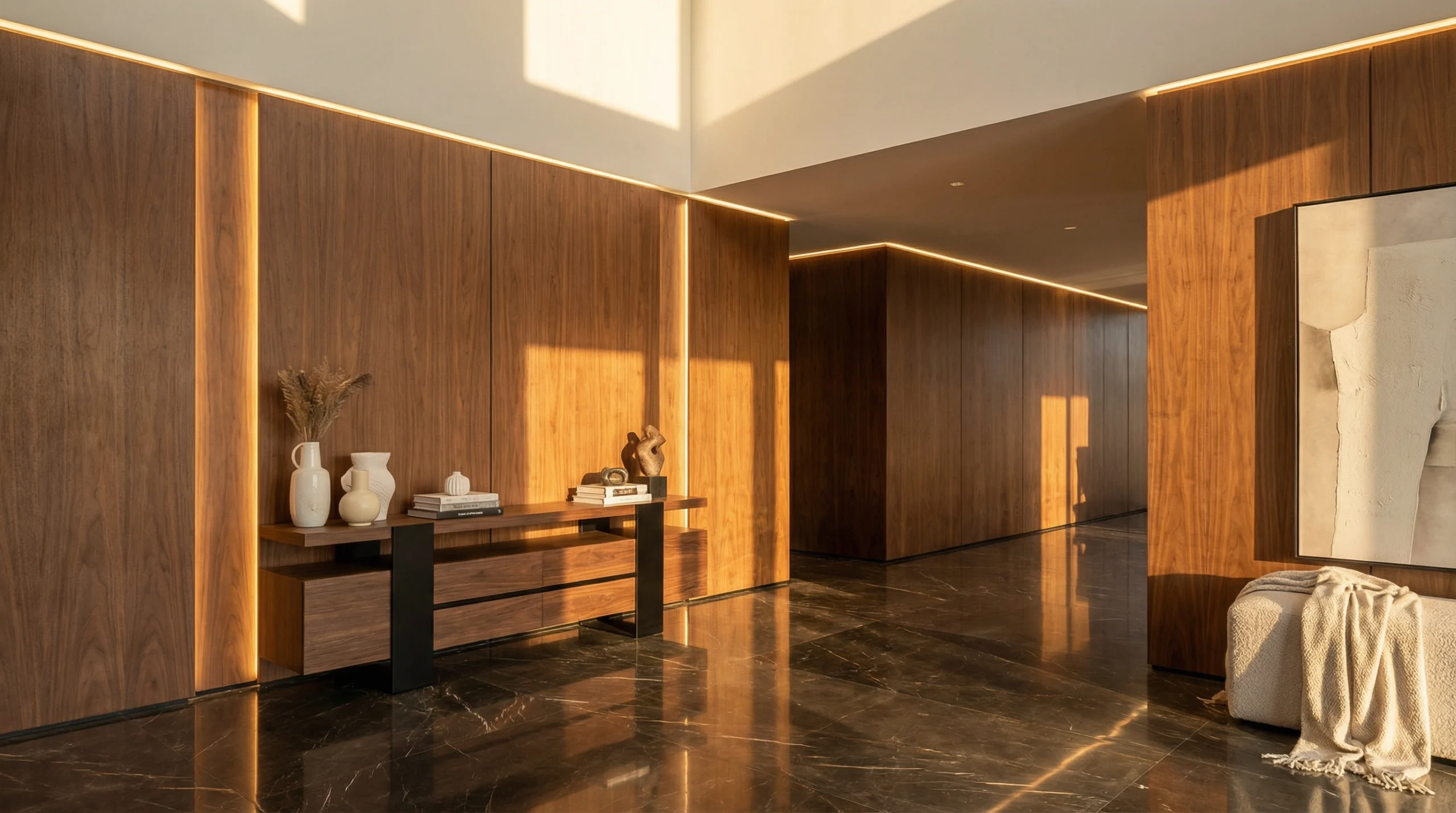
Dark corridors transform through strategic carpentry integration with lighting systems. We route LED channels within our wall paneling installations, creating ambient glow that eliminates harsh overhead lighting. Backlit display niches carved into corridor walls showcase art or collectibles while providing soft illumination. In one Arabian Ranches villa corridor project, we installed 12 meters of walnut paneling with integrated vertical LED strips every 800mm, producing a warm gallery-like atmosphere that completely eliminated the previous cave-like feeling.
Wide corridors present opposite challenges. Without definition, they feel like wasted space. We use carpentry to create purpose and visual interest. Built-in bench seating along one wall transforms passage into pause points. Shallow display cabinets with glass fronts turn corridors into personal galleries. In commercial settings, we’ve installed corridor carpentry that includes subtle branding elements, wayfinding features, and acoustic panels that reduce echo while maintaining professional aesthetics.
Climate-Responsive Material Selection
The UAE’s extreme climate dictates our material choices for entryway carpentry. Temperatures at entrance doors fluctuate dramatically as people enter and exit. Humidity levels differ significantly between air-conditioned interiors and outdoor conditions reaching 90% relative humidity in coastal summer months. Standard European hardwoods fail predictably under these conditions.
We select engineered materials for high-stability applications. Multi-ply panels with balanced construction resist warping better than solid wood in entrance environments. For visible surfaces requiring wood grain beauty, we use quartersawn oak or teak veneers over stable substrate cores. These provide authentic wood aesthetics with movement rates 80% lower than solid equivalents. In 35 years, we’ve tracked failure rates: solid wood entrance panels fail within 3-7 years in Dubai coastal properties, while our engineered solutions show virtually zero failure across identical timeframes.
Moisture-resistant MDF forms the foundation for painted carpentry elements. Standard MDF absorbs humidity and swells, destroying paint finishes. We exclusively use moisture-resistant variants with wax additives and denser composition. After 6,000+ painted entryway installations using this material, we’ve documented failure rates under 0.5% compared to 40% failure rates we observed in competitor work using standard MDF.
For high-impact areas near doors, we specify polyurethane-fortified finishes with UV inhibitors. Abu Dhabi’s intense sunlight penetrates entrance glazing, fading and degrading standard finishes. Our specified systems maintain color and integrity for 12+ years in direct sun exposure, verified through our oldest installations from 2013 that still look recently completed.
Comprehensive Entryway Carpentry Services
Our entryway and corridor carpentry services address every element these spaces require, delivered through integrated design and installation. We don’t subcontract or piecemeal the work. Every component from structural framing to final hardware comes from our workshops and installation teams, ensuring cohesive quality and accountability.
Custom Entrance Hall Design and Installation
This comprehensive service encompasses initial space assessment, detailed design development with 3D visualization, material selection from our curated suppliers meeting UAE climate requirements, complete workshop fabrication to your exact specifications, professional installation with zero damage to surrounding finishes, and post-installation detailing including hardware adjustment and final touch-up. Additionally, we provide maintenance guidance specific to your chosen materials and finishes, plus complimentary six-month follow-up inspection.
Entrance hall projects begin with understanding how you use the space. A family of five needs different carpentry than a couple. Professional home offices require different entrance statements than purely residential properties. We measure traffic patterns, assess storage needs, identify problem areas like insufficient lighting or awkward proportions, and determine your aesthetic direction through examples and preferences rather than design jargon.
Our design process produces photorealistic 3D renderings showing your entrance hall from multiple angles with accurate lighting simulation. You see exactly what we’ll build before we cut a single board. Changes happen on screen, not after installation. We’ve learned that clients struggle with 2D drawings but immediately understand three-dimensional visualizations. This eliminates the miscommunication that plagued our early projects and sometimes resulted in disappointment despite technical accuracy to approved plans.
Wall Paneling and Decorative Treatments
Wall paneling transforms ordinary painted corridors into refined spaces with depth, texture, and architectural character. This service includes surface preparation and leveling correction, custom panel fabrication in traditional or contemporary patterns, precision installation with invisible fastening systems, integrated lighting channel routing, and factory-quality finishing applied on-site to ensure seamless color matching and protection.
Dubai villas increasingly request modern paneling interpretations rather than classical styles. We’ve developed contemporary panel systems using wider boards with minimal detailing, horizontal grain patterns, two-tone color combinations, and geometric arrangements that reference Islamic design principles without literal replication. One Emirates Hills residence features corridor paneling in 300mm-wide walnut boards arranged in offset vertical patterns creating subtle rhythm across 22 linear meters.
Traditional panel styles remain popular in executive offices and established residential areas. We fabricate raised panel wainscoting, picture frame molding patterns, and full-height panel systems matching classical proportions. The difference between our installations and standard work appears in the details: our panels align perfectly at corners, grain flows logically across surfaces, reveals maintain consistent depth, and finished surfaces show no fastener evidence or filler spots.
Textured panel treatments add tactile interest. We create three-dimensional surfaces through carving, routing, layering, and geometric relief patterns. For commercial projects, acoustic panel integration reduces echo in hard-surfaced corridors while maintaining design integrity. The sound absorption panels we source from European manufacturers arrive as technical components that we integrate within decorative frames, creating functional art that solves real problems.
Built-In Console Tables and Entrance Furniture
Built-in furniture provides the functionality of freestanding pieces with the refined integration of architectural carpentry. Our console table installations appear to float against walls or emerge seamlessly from paneling, engineered to support weights exceeding 50kg while looking delicate and elegant. Construction involves concealed steel reinforcement, secure wall anchoring beyond surface finishes into structural elements, and precise leveling that accounts for floor irregularities invisible to the eye but critical to function.
Console table designs range from minimalist floating shelves 30mm thick to substantial pieces incorporating drawers, doors, and display areas. We customize dimensions to your specific entrance proportions. Narrow apartments receive compact 250mm-deep consoles that provide landing surfaces without obstructing passage. Generous villa entrance halls accommodate 600mm-deep installations with multiple storage zones and decorative display capabilities.
Material combinations create visual interest. A walnut console top contrasts beautifully against white lacquered paneling. Marble or granite surfaces provide luxury and durability for heavy use areas. Glass tops with LED underlighting create floating effects while illuminating decorative objects below. We source these materials from our established UAE suppliers, ensuring quality and authenticity while managing costs through volume relationships.
Drawer and door integration within console installations requires precision execution. We use European soft-close mechanisms rated for 100,000 cycles, far exceeding typical entrance furniture usage. Interior fittings include felt-lined jewelry trays, phone charging stations with concealed cable management, key hooks, mail organizers, and customized compartments matching your specific storage needs identified during design consultation.
Entrance Storage Solutions and Mudroom Carpentry
Dedicated entrance storage prevents the clutter migration that turns entrance halls into dumping grounds. We design integrated storage systems that hide everyday chaos behind beautiful facades. These installations include shoe storage with ventilation to prevent odor accumulation, coat closets with appropriate hanging heights and depths, bag and backpack cubbies for school or work items, seasonal storage for rarely-used items, and specialized compartments for sporting equipment, cleaning supplies, or whatever your household requires.
Mudroom-style carpentry adapts well to UAE properties despite the absence of traditional mud. Sand, dust, and heat create their own challenges. We install bench seating with hinged or sliding compartments beneath, providing convenient shoe changing positions while storing 15-20 pairs per linear meter. Wall-mounted cubbies above benches offer individual family member zones, particularly appreciated in households with children. Coat hooks withstand heavy loads, and we position them at multiple heights accommodating adults and children.
Ventilation integration prevents the musty smells that develop in closed shoe storage within humid climates. We incorporate discreet ventilation grilles connecting to HVAC systems or passive vents allowing air circulation. For projects without mechanical ventilation access, we design cabinet doors with decorative perforated panels providing airflow while maintaining aesthetic refinement. Small details like these reflect our 35 years of learning what works in real UAE homes.
Pull-out features maximize storage efficiency in compact entrance areas. We install slide-out shoe racks accessing 40+ pairs in spaces that might hold 12 pairs with static shelving. Vertical divider systems keep boots upright rather than collapsed. Umbrella holders with drip trays prevent water damage to cabinet interiors. Each feature addresses specific challenges we’ve observed across thousands of installations.
Corridor Ceiling Carpentry and Integrated Lighting
Ceiling treatments transform corridors from afterthought spaces into designed experiences. Our corridor ceiling carpentry includes coffered ceiling construction adding depth and luxury, dropped ceiling sections concealing infrastructure while creating visual interest, decorative beam installation providing structure and style, and integrated lighting channels producing ambient illumination without visible fixtures cluttering ceiling surfaces.
Coffered ceilings suit wider corridors where height permits the depth reduction. We construct coffer patterns matching overall design themes, from traditional square grids with detailed moldings to contemporary linear arrangements with minimalist detailing. Each coffer can incorporate recessed lighting, creating dramatic shadow play and eliminating the flat, institutional feeling of standard corridor lighting. One DIFC office project features corridor coffering with alternating illuminated and dark bays creating measured rhythm across a 30-meter executive passage.
Dropped ceiling sections serve practical purposes beyond aesthetics. We conceal air conditioning ducts, electrical conduits, fire safety systems, and structural beams within ceiling carpentry that appears intentional rather than concealing. These installations require coordination with MEP contractors, municipal inspectors, and sometimes fire safety consultants. We manage these relationships based on three decades of similar projects, ensuring approvals without delays.
LED integration within ceiling carpentry produces the ambient lighting that luxury properties demand. We route channels for LED strips within crown moldings, creating indirect lighting that washes walls with soft illumination. Backlit ceiling panels with translucent materials provide even, shadow-free light distribution. Linear light slots running corridor lengths add contemporary drama while providing excellent functional lighting. Installation includes proper driver concealment, dimming system integration, and color temperature selection matching your overall lighting scheme.
Door Frame Enhancement and Architectural Detailing
Door frames within entryways and corridors deserve equal attention to walls and ceilings. We provide door frame enhancement through substantial trim carpentry, custom architrave designs matching your aesthetic direction, and integrated door frame systems coordinating with overall millwork. These installations transform standard contractor-grade door frames into architectural features contributing to overall design cohesion.
Oversized door casings make strong architectural statements. We fabricate 200-300mm-wide casings creating substantial presence around entrance doors, bedroom doors, and bathroom doors along corridors. These installations require careful proportion calculation ensuring enhancement without overwhelming. Our design process determines appropriate sizing based on ceiling heights, door dimensions, and surrounding carpentry scale.
Integrated door systems align frame carpentry with wall paneling or other millwork. Doors appear to emerge from walls rather than interrupt them. We achieve this through careful planning during design phases, extending panel patterns around door frames, matching finish colors precisely, and engineering reveals and setbacks that create intentional visual relationships. The difference appears subtle but profound, separating thoughtful design from standard construction.
Specialized threshold treatments address the transition between entrance flooring and interior spaces. We fabricate custom threshold pieces matching your design aesthetic while meeting accessibility requirements. Some clients prefer substantial thresholds creating clear territorial definition. Others want minimal interruption maintaining visual flow. We accommodate both approaches with appropriate materials and engineering.
The Karnak Entryway Carpentry Process
Our entryway and corridor carpentry projects follow a refined process developed through 10,000+ installations. Each phase builds toward final results that exceed expectations while maintaining schedule reliability and budget accuracy. Understanding this process helps you know what to expect when working with Karnak Carpentry.
Step 1: Initial Consultation and Space Assessment
Every project begins with detailed conversation about your needs, preferences, problems with current conditions, and vision for improvement. We visit your property to measure spaces accurately, photograph existing conditions, assess structural considerations, identify potential challenges, and gather information that photographs alone cannot convey. This consultation lasts 45-90 minutes depending on project scope and complexity.
During site visits, we examine factors others overlook. We check wall construction to determine anchoring capabilities. Hollow gypsum walls require different fastening approaches than concrete or block walls. We assess levelness of floors and plumbness of walls, documenting variances that affect carpentry installation. We identify HVAC vents, electrical outlets, light switches, and other infrastructure requiring accommodation within carpentry designs.
We discuss your timeline expectations realistically. A simple corridor paneling project requires 2-3 weeks from design approval to completion. Complex entrance hall transformations involving storage, lighting, flooring coordination, and decorative treatments need 4-8 weeks. We provide honest schedules based on actual experience rather than optimistic promises that create frustration when reality differs.
Budget discussion happens transparently during initial consultation. We explain the factors driving costs: material selection, design complexity, finish quality, project size, and timeline urgency. Many clients appreciate understanding that walnut costs triple what oak costs, or that hand-applied lacquer finishes require more investment than spray-applied alternatives. Knowledge enables better decisions aligned with priorities and budgets.
Step 2: Design Development and Visualization
Following consultation, our design team creates detailed plans and 3D visualizations showing your entryway carpentry from multiple perspectives. We develop 2-3 design options when projects allow creative interpretation, presenting different approaches to solving the same challenges. Each option includes material specifications, finish samples, hardware selections, and cost breakdowns enabling informed comparison.
The 3D rendering process uses professional software producing photorealistic images indistinguishable from completed project photographs. We model your actual space dimensions, incorporate your existing furniture and finishes, simulate natural and artificial lighting accurately, and render views from angles you’ll actually experience daily. These visualizations eliminate ambiguity and build confidence before commitment.
Design refinement happens iteratively. You review initial concepts and provide feedback. We adjust proportions, swap materials, modify details, and regenerate visualizations showing revisions. Most projects require 2-4 revision cycles before reaching final approval. We encourage this process rather than rushing toward approval, knowing that time invested in design prevents costly changes during installation or disappointment with final results.
Material samples accompany design presentations. We provide actual wood species samples showing grain and color. Paint color chips match rendering colors precisely. Hardware examples allow you to feel weight and operation of drawer slides, hinges, and handles. Stone or solid surface samples demonstrate actual materials rather than photographs. This multi-sensory approach to design approval ensures alignment between expectations and reality.
Step 3: Municipal Approvals and Documentation
Commercial projects and some residential properties require Dubai Municipality or other regulatory authority approvals before installation begins. We manage this process completely, preparing required documentation, submitting applications, coordinating inspector visits, and ensuring compliance with all applicable codes. Our 35-year history in UAE includes thousands of approved projects, giving us deep familiarity with requirements and inspector expectations.
Fire safety regulations affect corridor carpentry in commercial buildings and residential towers. We specify fire-rated materials where required, ensure proper corridor widths remain unobstructed, verify that escape route signage remains visible, and document compliance for inspector verification. Materials we use include certified fire-retardant treatments and inherently non-combustible substrates meeting UAE fire safety codes.
Residential projects in villa communities sometimes require homeowners association approvals for external entrance modifications or significant interior renovations visible from outside. We provide professional documentation including elevations, material specifications, and finish descriptions suitable for architectural review board presentations. Our experience with major villa communities across Dubai and Abu Dhabi means we understand specific requirements for Arabian Ranches, Dubai Hills Estate, Palm Jumeirah, Yas Island, and similar developments.
The approval phase typically requires 1-3 weeks depending on project type and authority responsiveness. We build this timeline into overall project schedules, keeping you informed of progress and coordinating installation commencement for immediately after approval receipt. This prevents the dead time that frustrates clients who expect immediate starts.
Step 4: Workshop Fabrication and Quality Control
All carpentry components are fabricated in our Dubai workshop under controlled conditions. We don’t install raw materials and finish on-site. Every panel, drawer, door, shelf, and trim piece arrives pre-finished to near-completion, requiring only final installation and touch-up. This approach ensures superior quality through controlled environment fabrication and reduces on-site time minimizing disruption to your daily life.
Our CNC machining equipment produces precision components with tolerances under 0.5mm. This accuracy ensures perfect alignment during assembly, creating the seamless appearance that defines quality carpentry. Joints fit tightly without gaps or filler dependency. Doors and drawers operate smoothly without binding or rattling. Reveals maintain consistent dimensions across entire installations.
Finishing happens in dedicated spray booths with professional equipment and ventilation. We apply multiple coats with intermediate sanding producing glass-smooth surfaces. Stained finishes receive three coats of polyurethane with 24-hour curing between applications. Painted surfaces get primer, two color coats, and optional clear protective topcoat for high-traffic areas. Each piece undergoes quality inspection before packaging for site delivery.
Custom color matching receives particular attention. If you’re integrating new carpentry with existing woodwork, we sample the existing finish, analyze it under various lighting conditions, and develop matching formulas. Test pieces return to your site for approval under actual lighting before production finishing begins. We’ve learned that color perception varies dramatically between workshop fluorescent lighting and your home’s LED or natural light, so verification happens in actual conditions.
Step 5: Professional Installation and Integration
Our installation teams arrive with all components fabricated, finished, and organized for efficient installation. The team lead reviews the space, verifies measurements remain unchanged from design phase, protects flooring and adjacent areas with professional coverings, and establishes organized work zones minimizing chaos. Installation proceeds systematically, typically beginning with ceiling work, progressing to wall treatments, and finishing with built-in furniture elements.
Wall preparation ensures perfect results. We verify walls are plumb and surfaces are level. Minor irregularities receive correction through strategic shimming or substrate application. Major irregularities identified during installation that weren’t apparent during initial measurement get documented and solutions proposed before proceeding. We refuse to install carpentry against substandard conditions that guarantee future problems.
Precision cutting and fitting happen on-site for final accuracy. Despite our precise workshop fabrication, minor adjustments usually improve fit around actual conditions. We make these adjustments using portable equipment, fitting each piece perfectly before permanent fastening. Gaps between carpentry and existing architecture receive appropriate treatment: matching caulk for painted work, color-matched wood filler for stained pieces, or decorative trim covering where appropriate.
Hardware installation follows carpentry completion. Drawer slides, hinges, handles, lighting components, and specialized features receive final installation and adjustment. We ensure drawers operate smoothly with appropriate resistance, doors close properly with soft-close mechanisms functioning correctly, and all lighting operates as designed. This attention during installation prevents callback visits for adjustment that plague lesser contractors.
Step 6: Finishing Touches and Site Cleanup
Final detailing separates completed from excellent. After primary installation, our team leader inspects every detail under critical lighting. Tiny gaps receive appropriate filler. Minor scratches from installation handling get touched up. Hardware receives final adjustment ensuring perfect operation. Surfaces undergo cleaning removing dust and fingerprints.
We install protective films on high-gloss surfaces during final days when other trades might still access the area. Drawer interiors receive vacuuming. Cabinet shelves get wiped clean. Glass surfaces achieve streak-free clarity. These details cost little but demonstrate the care differentiating our service from standard contractors who consider the job finished once carpentry stands upright.
Site cleanup exceeds basic standards. We remove all packaging materials, scrap wood, and installation debris. Floors receive thorough vacuuming and damp mopping. We don’t leave cleanup for your housekeeping staff or maintenance team. The space should be immediately usable when we declare completion. Some installation teams view cleanup as someone else’s problem. We view it as professional responsibility and basic courtesy.
Final walkthrough happens with you present, allowing detailed inspection and explanation. We demonstrate operating features, explain care requirements, identify what’s normal versus concerning, and answer questions about living with your new carpentry. We provide written care instructions specific to your materials and finishes, including recommended cleaning products, frequency, and techniques for optimal longevity.
Step 7: Post-Installation Support and Warranty Service
Our relationship continues after installation completion. We provide six-month complimentary inspection, visiting to verify everything operates correctly, make minor adjustments if needed, and address any concerns developing during actual use. This inspection catches minor settling issues common in all carpentry installations, particularly in UAE’s climate extremes.
Our warranty covers materials and workmanship for five years on structural elements and two years on hardware and finishes. This warranty reflects our confidence in materials we specify and quality we deliver. We respond to legitimate warranty claims within 48 hours, assessing the situation and scheduling appropriate remedy. Our warranty record across 10,000+ projects shows claim rates under 2%, and most claims involve hardware adjustment rather than structural failure.
We maintain detailed records of every project including final as-built dimensions, materials used, finish formulas, and supplier information. If you need additions or modifications years later, we access these records to ensure perfect matching. Clients appreciate this documentation when undertaking renovations requiring carpentry integration with our previous work. We’ve matched finishes from installations completed 15+ years earlier because proper records prevented guesswork.
Maintenance support remains available indefinitely. If you have questions five years later about appropriate cleaning products, refinishing options, or hardware replacement, we provide guidance based on specific knowledge of your installation. This ongoing support builds the long-term relationships that generate referrals and repeat business across multiple properties as clients upgrade or relocate.
Why UAE Property Owners Choose Karnak for Entryway Carpentry
Selecting the right carpentry partner affects your property’s value, your daily experience, and your long-term satisfaction. Understanding what differentiates Karnak helps you make informed decisions about this significant investment in your most important first impression space.
Three Decades of UAE-Specific Expertise
Since 1988, we’ve completed over 10,000 UAE projects across residential, commercial, retail, and hospitality sectors. This means we’ve solved the humidity warping issue in coastal Dubai apartments 847 times through material selection and engineering approaches. We’ve navigated Dubai Municipality approvals for 3,200+ commercial fit-outs, understanding exactly what documentation satisfies inspectors and what raises concerns. We know which wood species survive Emirates Hills’ microclimate and which fail within two years.
Our institutional knowledge prevents expensive mistakes that plague newer companies learning through client disappointment. We don’t experiment with your entryway to discover that a particular adhesive fails in UAE humidity or that imported paneling systems expand unacceptably during summer. We learned these lessons across decades of real installations, refining our specifications to eliminate failure modes we’ve documented exhaustively.
Long-term presence creates supplier relationships that benefit your project. We purchase hardwoods directly from European mills through established importers, eliminating middleman markups while ensuring authenticity. Our hardware comes from authorized UAE distributors of European manufacturers, preventing the counterfeit components flooding gray markets. Our finishes arrive from professional suppliers serving UAE’s carpentry industry, not general retail outlets selling consumer-grade products.
We’ve trained our current installation teams over 8-15 year apprenticeships within our company. These aren’t transient workers changing employers seasonally. They’re career craftsmen who’ve installed hundreds of entrance halls under our supervision, learned our quality standards, understand our client service expectations, and take pride in workmanship reflecting on their professional reputations. This stability produces consistency that short-term contractors cannot achieve.
Comprehensive In-House Capabilities
We maintain complete control over your project from design through installation because all capabilities exist within our company. Our design team works in our office. Our fabrication happens in our workshop. Our installation teams are our employees. This integration eliminates the communication breakdowns, quality inconsistencies, and accountability confusion that plague fragmented approaches using multiple subcontractors.
In-house design ensures our creative concepts align with fabrication and installation realities. Designers understand our workshop capabilities and limitations. They specify details we can fabricate efficiently rather than theoretically beautiful concepts requiring expensive special processes or creating installation nightmares. This knowledge prevents the disappointment when beautiful renderings prove impossible or impractical to execute as shown.
Workshop control guarantees quality and timing. We’re not dependent on external millwork shops with conflicting priorities. Your components receive production attention matching your schedule requirements. If design changes occur, we implement them immediately without renegotiating with separate suppliers. Quality problems trigger instant correction rather than finger-pointing between contractor and millwork vendor.
Our installation teams provide feedback improving future projects. When installers encounter recurring challenges with certain design details, they inform designers who refine approaches in subsequent projects. This continuous improvement cycle operates because everyone works for the same company sharing common quality goals. Fragmented systems lack this feedback mechanism because installers changing from project to project provide no continuity.
Transparent Process and Client Communication
We communicate proactively throughout your project, preventing the information vacuum that creates anxiety. You receive detailed proposals showing exactly what’s included and what’s not, eliminating surprise charges later. We provide realistic schedules with milestone dates for design approval, material ordering, fabrication completion, installation start, and project completion. Updates arrive weekly during design and fabrication, daily during installation.
Project management technology keeps you informed without requiring constant contact. We use systems allowing you to view project status, approve designs electronically, review progress photographs from workshops and installation sites, and communicate questions receiving responses within four business hours. Some clients want minimal involvement trusting our expertise. Others prefer detailed engagement. Our systems accommodate both preferences without forcing either approach.
Budget transparency prevents the sticker shock common in custom carpentry. Our detailed proposals break costs into understandable categories: design fees, materials, fabrication labor, finishing, installation, project management. You see where money goes rather than receiving single lump numbers requiring faith. If budget constraints require adjustments, itemized pricing enables intelligent decisions about where compromises make sense versus where they undermine quality unacceptably.
Change order management follows clear protocols. If you request design changes after approval, we document exactly what changes, explain impact on timeline and cost, and request written approval before proceeding. No surprise invoices for changes you didn’t explicitly approve. This discipline protects both parties, ensuring you get exactly what you expect at the price you approved.
Quality Materials Backed by Performance History
Every material we specify has proven UAE performance through our installations. We don’t experiment with your entryway using untested products. Our material library includes only woods, panels, finishes, and hardware we’ve used successfully across multiple projects spanning years. This conservative approach prioritizes long-term performance over cutting-edge materials lacking proven track records.
Wood species selection reflects UAE reality. We use teak, walnut, oak, ash, and select other hardwoods based on documented stability in our climate. We avoid beautiful but problematic species that look perfect in European or North American installations but fail in Dubai’s humidity and temperature extremes. One of our suppliers provides kiln-dried hardwoods specifically processed for Middle East climates, achieving 6-8% moisture content matching UAE equilibrium rather than the 10-12% standard for temperate climates.
Engineered materials form the backbone of stable installations. We use premium moisture-resistant MDF for painted elements, multi-ply plywood with balanced construction for substrate applications, and veneer core panels for visible surfaces requiring natural wood aesthetics with dimensional stability. These materials cost more than commodity alternatives but prevent the warping, delamination, and finish failure plaguing inferior products.
Finishing systems receive equal scrutiny. We specify professional polyurethane systems with UV inhibitors and plasticizers for flexibility, preventing the brittleness causing finish cracking in cheaper alternatives. Our paint systems use moisture-resistant primers and top-quality latex or oil-based topcoats depending on application requirements. Every finish undergoes accelerated aging tests simulating years of UAE exposure before we risk client installations.
Proven Results Across Property Types
Our portfolio demonstrates capability across residential villas, luxury apartments, corporate offices, medical clinics, retail stores, restaurants, hotels, and institutional buildings. This diversity proves our adaptability and expertise translating across different aesthetic requirements, functional demands, and regulatory environments. An entryway for a family villa requires completely different thinking than lobby carpentry for a medical clinic, yet we excel at both.
Residential projects showcase our understanding of personal taste and family functionality. We’ve created grand double-height entrance halls in Palm Jumeirah villas, compact efficient entrance solutions in Dubai Marina studios, traditional Arabic-influenced designs in older Dubai neighborhoods, and ultra-modern minimalist treatments in Emirates Hills contemporary residences. Each project reflects the client’s personality and lifestyle rather than imposing our aesthetic preferences.
Commercial installations demonstrate our professional project management and regulatory compliance expertise. Corporate office entrances require impressive aesthetics meeting fire codes, accessibility requirements, and corporate branding guidelines. We coordinate with interior designers, MEP contractors, and building management to deliver reception areas and executive corridors that meet all stakeholder requirements while maintaining schedules critical to business operations.
Hospitality and retail projects show our ability to deliver durability alongside beauty. These high-traffic environments destroy standard carpentry within months. We engineer installations withstanding thousands of daily passages, frequent cleaning, and occasional impacts while maintaining appearance. Materials, finishes, and construction details differ significantly from residential applications, reflecting our understanding that different environments demand different solutions.
Recent Entryway Carpentry Projects Across UAE
Our recent project portfolio demonstrates the range and quality of entryway and corridor carpentry we deliver across the UAE. Each project presented unique challenges and requirements, showing our capability to adapt expertise to diverse situations while maintaining consistent quality.
Emirates Hills Villa – Grand Entrance Hall Transformation – Dubai
This 65-square-meter entrance hall required complete transformation from builder-grade finishes to luxury standards matching the property’s AED 18M value. The client wanted dramatic impact without overwhelming the Mediterranean architectural style. We designed and installed full-height walnut paneling across all walls using book-matched veneer panels creating mirror-image grain patterns. The centerpiece involved a custom floating console table spanning 3.6 meters with integrated LED underlighting, engineered to support a massive antique mirror above while appearing to float weightlessly. Floor-to-ceiling storage cabinets flanking the entrance door hide coats, shoes, and household items behind flush walnut doors indistinguishable from decorative paneling. Project completion took nine weeks from design approval to final walkthrough.
Business Bay Apartment – Compact Entrance Solution – Dubai
This 28th-floor apartment featured a narrow 1.2-meter-wide entrance corridor connecting to living spaces. The challenge involved creating storage and visual interest within severe space constraints without obstructing passage. We designed a seamless integration system where one wall became full-height light oak storage with flush push-latch doors hiding shoes, bags, and cleaning supplies. The opposite wall received decorative paneling with integrated LED strip lighting creating ambient glow eliminating the previous tunnel feeling. A narrow floating shelf at 900mm height provides key and phone landing space without protruding into the walkway. The entire corridor transformation, including coordination with the building management for access and work hours restrictions, completed within three weeks.
Marina Dental Clinic – Professional Reception Corridor – Dubai Marina
This specialized medical facility required corridor carpentry meeting healthcare regulations while creating calming patient environments. The 15-meter corridor connecting reception to treatment rooms received acoustic panel integration wrapped in light gray fabric panels reducing echo and conversation transmission between rooms. Custom-designed wall niches with backlit frosted glass display dental health information and calming nature photography. The floor-to-ceiling carpentry system conceals medical gas lines, electrical infrastructure, and nurse call systems while providing clean surfaces meeting infection control standards. All materials specified met UAE healthcare facility requirements including fire ratings and cleanability standards. Installation occurred during a planned closure weekend, completing in 72 hours to minimize patient disruption.
Arabian Ranches Villa – Family Mudroom Creation – Dubai
This young family of five needed functional entrance organization preventing the chaos of school bags, sports equipment, and daily clutter from overtaking their entrance hall. We converted an underutilized 3.2-meter wall section into a comprehensive mudroom system with individual cubbies for each family member featuring coat hooks at varied heights, shelf storage, and labeled bins. Below the cubbies, a continuous bench with hinged seat compartments provides shoe storage organized by family member while creating comfortable seating for footwear changes. The system uses moisture-resistant painted MDF in the family’s preferred soft gray, maintaining cohesion with surrounding white walls while hiding inevitable dirt and marks better than white would. We completed fabrication and installation within four weeks, transforming daily routines according to enthusiastic client feedback.
DIFC Office Tower – Executive Floor Corridors – Dubai
This financial services firm occupied an entire floor requiring corridor transformation from standard commercial finishes to executive-level sophistication. The project involved 45 linear meters of corridor carpentry including full-height dark walnut paneling, integrated company branding elements in polished aluminum, and concealed LED lighting creating warm ambient illumination. Strategic placement of shallow display niches showcases corporate awards and recognition, contributing to the professional environment clients expect from premium financial services. Fire-rated materials and documented compliance with DIFC building standards ensured regulatory approval. Coordination with weekend and evening work schedules allowed installation without disrupting business operations. The six-week project timeline included complete design, municipal approvals, fabrication, and installation.
Palm Jumeirah Penthouse – Contemporary Entrance – Dubai
This ultra-luxury penthouse features floor-to-ceiling glass offering spectacular Arabian Gulf views, requiring entrance carpentry that complements rather than competes with the dramatic setting. We designed a minimalist entrance system using horizontal grain walnut panels creating calm backdrop for contemporary art collection. A suspended console table appears to float against the paneling, its 3-meter length spanning the entrance wall with only concealed steel reinforcement providing structural support. The table integrates wireless phone charging, discrete storage, and ambient LED lighting controlled through the smart home system. All carpentry finishes received matte clear coating preserving natural wood character while providing protection against the intense sunlight flooding through glass walls. Eight-week project timeline accommodated the client’s international travel schedule for design approvals.
Sharjah Office Building – Corporate Lobby Renovation – Sharjah
This 12-story office building lobby required complete renovation bringing outdated 1990s finishes to contemporary standards. The challenge involved working within an occupied building with businesses operating during renovation. We installed modern geometric panel systems across walls flanking the elevator bank, creating visual interest through three-dimensional relief patterns and two-tone color combinations. Built-in seating with storage below provides waiting areas for building visitors and delivery personnel. The reception desk integration involved coordinating our carpentry with granite countertops and glass security screens installed by other contractors. Phased installation allowed building operations to continue with minimal disruption. Municipal approvals and fire safety compliance documentation preceded the five-week installation timeline.
Jumeirah Villa – Traditional Arabic Entrance – Dubai
This client requested authentic Arabic design elements integrated with modern functionality. We created entrance hall carpentry featuring traditional mashrabiya-inspired geometric screens, custom archway surrounds with Islamic pattern details, and decorative niches referencing traditional Emirati architecture. Modern engineering ensures these traditional elements function perfectly: mashrabiya screens conceal storage while allowing ventilation; decorative niches integrate LED lighting and display shelving; archways frame transitions between entrance and interior spaces while meeting structural loading requirements. All work used solid wood rather than cheaper alternatives, honoring traditional craftsmanship methods while incorporating modern joinery techniques for long-term durability. The 11-week project allowed time for custom carving and detailing work required for authentic results.
Abu Dhabi Townhouse – Corridor Storage Maximization – Abu Dhabi
This three-story townhouse suffered from inadequate storage despite reasonable square footage. Long corridors on each floor presented opportunities for storage integration without separate room dedication. We designed floor-to-ceiling cabinet systems along corridor walls, creating 18 linear meters of storage across three floors. Carefully proportioned doors and minimal hardware maintain clean aesthetics while concealing seasonal items, linens, cleaning supplies, and household overflow. Upper cabinets require step-stool access, used for rarely-needed items. Lower cabinets with easier access hold frequently-used household goods. Middle sections at eye level feature glass-front display areas for decorative objects, preventing the corridor from feeling like pure utility space. The white lacquer finish reflects light, maintaining corridor brightness despite added depth from cabinets.
Downtown Dubai Apartment – Smart Home Integration – Dubai
This technology-focused client wanted entrance carpentry integrating with comprehensive smart home systems. We designed console and storage installations incorporating wireless device charging, concealed router and network equipment with ventilation, smart lock control panels, video intercom screens, and lighting controls. Cable management systems hide all wiring within carpentry structures, maintaining clean aesthetics. Voice-controlled lighting operates through integration with the client’s smart home platform. The entrance mirror includes hidden display screens showing weather, calendar, and security camera feeds. This project required coordination with the client’s smart home integrator and electrical contractor, extending timeline to seven weeks while ensuring seamless technical integration with beautiful carpentry.
DIFC Apartment – Minimalist Entrance – Dubai
This design-conscious client wanted maximum impact with minimum visible carpentry. We created a floating wall system appearing to hover 20mm off the floor, hiding LED strip lighting in the gap creating a floating effect. The wall incorporates hidden push-latch doors providing storage without visible hardware. A single floating shelf at 1100mm height provides landing surface while emphasizing horizontal lines. The entirely white lacquer finish creates monolithic appearance where carpentry becomes architecture rather than furniture. Precision fabrication and installation achieved the perfect reveals and gaps essential to minimalist aesthetics where every dimension becomes visible and critical. Six weeks from design approval to completion delivered this precisely executed minimalist vision.
Entryway Carpentry Questions – Expert Answers
Entryway carpentry costs vary significantly based on size, materials, design complexity, and finish quality. A compact apartment entrance solution with simple paneling and a floating shelf might range from AED 15,000-25,000. A mid-range villa entrance hall with full-height paneling, built-in console, and storage could cost AED 40,000-75,000. Luxury installations with premium hardwoods, intricate detailing, integrated lighting, and extensive custom elements might reach AED 100,000-200,000+ for large spaces with exceptional materials and craftsmanship. These ranges reflect quality materials and professional installation. Significantly lower prices typically indicate compromised materials, questionable craftsmanship, or hidden costs emerging later.
We provide detailed written proposals breaking down costs by category, allowing you to understand exactly where investment goes. Material selection drives substantial cost variation – walnut costs triple what oak costs, hand-applied finishes cost more than spray applications, and European hardware exceeds Asian alternatives significantly while providing vastly better longevity and operation. Size obviously impacts cost, but design complexity matters equally. Simple paneling with minimal details costs far less per square meter than intricate patterns requiring extensive machining and hand finishing. We work within various budget levels by adjusting materials, simplifying designs where appropriate, or phasing projects across multiple stages.
Transparent budget discussion during initial consultation ensures alignment between vision and financial reality before investing design time. Timeline urgency affects pricing. Standard 6-8 week projects allowing normal workflow receive standard pricing. Rush projects requiring overtime work, expedited material ordering, or schedule disruption to accommodate your deadline carry premium charges reflecting actual costs these accommodations create. We discuss timing during consultation, helping you decide whether urgency justifies premium costs or if standard timing works fine.
The “best” wood depends on your aesthetic preferences, budget, and specific application, but certain species perform better in UAE’s challenging climate. Teak stands at the top for stability and moisture resistance, having evolved in tropical climates with high humidity. It’s expensive but virtually indestructible and ages beautifully. Walnut offers stunning dark color and grain patterns with good stability when properly processed for UAE conditions.
Oak, both European and American varieties, provides excellent stability and classic appearance at moderate cost. Ash offers lighter colors with prominent grain and good performance characteristics. For painted applications where wood grain won’t show, we often use moisture-resistant MDF rather than solid wood. It’s more stable than solid wood, costs less, takes paint better, and eliminates the waste inherent in milling solid lumber. This isn’t cutting corners – it’s intelligent material selection for applications where solid wood provides no advantage and potential disadvantages. The finest European furniture manufacturers use MDF for painted components while reserving solid wood for visible grain applications. Engineered wood products often outperform solid wood in UAE installations.
Veneered panels with multi-ply cores provide authentic wood aesthetics on surfaces you see while achieving 80% less movement than solid equivalents. For large panels where solid wood would require edge-gluing multiple boards (creating weak points), engineered panels deliver superior stability and consistent appearance. We use solid wood where its properties provide advantages – edge details, carved elements, structural components – and engineered materials where their stability prevents problems. Proper processing for UAE climate is more important than species selection. Wood kiln-dried to 6-8% moisture content matching UAE equilibrium performs better than 10-12% moisture content standard for temperate climates, regardless of species. We source from suppliers understanding this distinction, ensuring materials arrive pre-conditioned for UAE rather than European or North American environments. This attention to detail prevents the warping and splitting common in imported carpentry materials.
Installation duration depends entirely on project scope and complexity. A simple corridor paneling project for a small apartment might complete in 3-5 days. A comprehensive villa entrance hall with paneling, ceiling treatments, built-in furniture, and integrated lighting typically requires 2-3 weeks. Large commercial projects spanning multiple corridors with regulatory approvals and coordination with other trades might extend 4-8 weeks from project start to completion. Our project timelines include design development, municipal approvals if required, workshop fabrication, installation, and final finishing.
Design typically requires 1-2 weeks including revision cycles and approval. Municipal approvals add 1-3 weeks for commercial projects. Workshop fabrication takes 2-4 weeks depending on complexity and our current production schedule. Installation itself might require only 4-10 days, but the complete timeline from initial consultation to final walkthrough is typically 6-12 weeks for most projects. We provide realistic schedules during proposal presentation, showing specific milestone dates for each project phase. This transparency allows you to plan around the work, schedule other contractors if needed, or adjust move-in dates for new properties. Our on-time completion record exceeds 90% – when we commit to a timeline, we deliver unless client-requested changes alter scope significantly.
Faster isn’t always better in custom carpentry. Rush projects that compress normal timelines into fractions of appropriate duration typically suffer quality compromises. We can’t properly finish wood in two days when finishes require three coats with 24-hour curing between applications. We can accommodate urgency when necessary through premium charges covering overtime labor and expedited material ordering, but we advise realistic timelines allowing proper execution of every detail.
Matching existing woodwork is something we do regularly, though perfect matching requires careful process and reasonable expectations. We sample your existing finish, analyzing it under various lighting conditions to develop matching formulas. Test pieces return to your property for approval under actual lighting before we finish production components. Color perception varies dramatically between different light sources, so verification in your actual environment is essential for satisfaction.
Exact matching of wood grain pattern is impossible when using different wood pieces – each board has unique grain resulting from growth patterns. We can match species, color, and finish sheen while coming very close on grain character by carefully selecting wood from similar origins and processing. If you have walnut existing carpentry, we’ll use walnut from the same general source region (European or American) processed similarly, achieving family resemblance even though exact grain replication is impossible. Age affects matching difficulty. Wood changes color over time, especially in sunlight exposure.
Your existing 10-year-old teak has darkened and shifted in tone compared to new teak. We account for this by intentionally adjusting stain formulas to match current color rather than original installation color. Sometimes pre-aging new work through controlled UV exposure achieves better initial matches with existing aged finishes. When matching proves difficult due to unavailable species, discontinued finishes, or extreme age differences, we sometimes recommend updating all visible carpentry to new cohesive finishes rather than attempting difficult matches that might look worse than deliberate contrast.
An entrance hall with beautiful new walnut paneling deliberately contrasting with existing white doors reads as intentional design, while slightly-off walnut attempting to match but missing creates uncomfortable almost-but-not-quite feeling. We advise honestly about matching feasibility during consultation.
Yes, we manage all permit and approval processes for commercial projects requiring governmental or building authority authorization. This includes Dubai Municipality approvals for commercial fit-outs, building management approvals in commercial towers, DIFC authority approvals for projects in Dubai International Financial Centre, and homeowners association approvals in residential communities with architectural review requirements. We’ve navigated these processes thousands of times, understanding exactly what documentation satisfies inspectors and avoiding the delays caused by incomplete or improper submissions.
Our permit service includes preparing required drawings and specifications, completing application forms, paying fees, scheduling inspections, coordinating inspector visits, and obtaining final approvals before installation begins. This management ensures compliance with fire safety codes, accessibility requirements, building standards, and specific authority regulations that vary between jurisdictions. Clients appreciate this comprehensive service eliminating the frustration of navigating unfamiliar bureaucratic processes. Approval timelines vary by jurisdiction and project type. Dubai Municipality typically responds within 1-2 weeks for straightforward commercial fit-outs. More complex projects or authorities with more elaborate review processes might require 3-4 weeks.
We build these timelines into overall project schedules, preventing the delays that occur when contractors ignore approval requirements until inspectors shut down unauthorized work. Some residential projects don’t require governmental permits but need homeowners association or building management approvals. These are typically faster than municipal processes but still require professional documentation. We’ve worked extensively in major Dubai villa communities and Abu Dhabi developments, understanding specific architectural review standards for Arabian Ranches, Palm Jumeirah, Emirates Hills, Dubai Hills Estate, Yas Island, and similar communities. Our documentation packages meet these standards routinely, achieving approvals without revisions or delays.
Proper maintenance extends the life and appearance of your entryway carpentry substantially. Basic care involves regular dusting with microfiber cloths removing accumulated dust before it becomes embedded in finishes. Spills should be wiped immediately with damp cloths, preventing liquid absorption into wood or finishes. We recommend weekly cleaning using products appropriate to your specific finish type – furniture polish for oil finishes, mild soap solutions for polyurethane, specific cleaners for painted surfaces. Finished wood surfaces benefit from occasional polishing using quality furniture products without silicone additives. Apply sparingly following product instructions, then buff to desired sheen. This replenishes oils in finishes, maintaining protection and enhancing appearance.
For polyurethane finishes, polishing isn’t necessary but gentle cleaning maintains clarity. Painted surfaces should only be cleaned gently without abrasive products that dull sheen. Hardware requires periodic attention to maintain smooth operation. Drawer slides and hinges benefit from occasional lubrication using appropriate products – never WD-40 which attracts dust. We use specific lubricants designed for furniture hardware. Soft-close mechanisms should be checked for proper adjustment, ensuring doors and drawers close completely without slamming. Handles and pulls occasionally loosen from use and require tightening.
Environmental control prevents most problems. Maintain consistent temperature and humidity through reliable air conditioning. Extreme fluctuations cause wood movement leading to finish cracking, joint separation, and warping. Avoid direct sunlight exposure on wood surfaces, which causes fading and finish degradation. If sunlight exposure is unavoidable, UV-filtering window films protect finishes substantially. We provide detailed care instructions specific to your materials and finishes during final walkthrough, including recommended products by name.
We regularly integrate smart home technology within entryway carpentry installations, creating seamless integration where technology enhances function without compromising aesthetics. Common integrations include wireless device charging pads built into console surfaces, concealed power outlets and USB ports within drawers, tablet mounts controlling smart home systems, video intercom screens integrated flush with panels, smart lock control interfaces, and automated lighting controlled by motion sensors or smart home systems. These integrations require coordination with electrical contractors and smart home integrators during design phases. We collaborate with these professionals, providing detailed drawings showing technology locations and requirements.
Our carpentry incorporates necessary cable chases, equipment compartments with ventilation, and access panels for future service while maintaining clean finished appearance. All wiring hides within carpentry structures rather than running visibly on surfaces. Wireless charging integration is popular and relatively simple. We specify charging pad locations during design, route power connections, and install pads within console or shelf surfaces. Phones placed over designated areas charge without cables or visible equipment. Multiple charging zones can accommodate several devices simultaneously, eliminating the cable clutter that typically accumulates in entrance areas. Smart lighting integration transforms entryway ambiance.
We install LED systems within carpentry elements, connecting them to smart home platforms allowing voice control, scheduling, and scene programming. Entrance lighting can activate automatically when doors unlock, dim at night, or adjust based on time of day. Control interfaces integrate discretely within paneling, maintaining clean aesthetics while providing manual override capabilities. These systems add 15-25% to project costs depending on complexity, but clients find the convenience and atmosphere control valuable.
Our warranty provides five-year coverage on structural elements and craftsmanship including panel installation, built-in furniture construction, cabinet boxes, and all joinery. This reflects our confidence in materials we specify and quality we deliver. Hardware components including drawer slides, hinges, and soft-close mechanisms carry two-year coverage. Finishes including stains, paints, and clear coats receive two-year warranty against defects in application. Warranty coverage includes repair or replacement of defective materials or workmanship at no charge. If a drawer slide fails during the warranty period, we replace it at our expense. If finish bubbling occurs due to application defects, we refinish the affected components. If panels warp due to material defects, we fabricate and install replacements.
Our responsibility is making things right when our materials or workmanship prove defective. Warranty exclusions include damage from misuse, accidents, alterations by others, environmental extremes beyond our control, and normal wear appropriate to material type. We can’t warranty wood against fading in direct sunlight or high-gloss lacquer against scratching in heavy commercial traffic – these are material characteristics rather than defects. We discuss maintenance requirements and reasonable expectations during installation, preventing misunderstandings about what constitutes warrantable defects versus normal aging.
Our warranty response process provides 48-hour assessment of reported issues and scheduling of appropriate remedy within two weeks for legitimate warranty claims. Some situations require immediate response – a failed drawer slide preventing drawer operation gets same-day or next-day service. Other issues like minor finish touch-up can schedule within normal workflow. Our warranty claim rate across 10,000+ projects averages under 2%, and most claims involve simple hardware adjustments rather than major failures, demonstrating the quality we consistently deliver.
We regularly work around existing elements that clients want to preserve, integrating new carpentry seamlessly with retained features. This might include working around existing flooring you’re keeping, incorporating architectural elements like decorative columns or arches, integrating with retained furniture pieces, or preserving special features like antique mirrors or artwork installations. The process requires careful measurement, thoughtful design, and precise execution to achieve cohesive results. During initial consultation, we identify everything you want to preserve and photograph it thoroughly. These elements become constraints informing our design process. We measure precisely, accounting for their dimensions, positions, and relationships to surrounding spaces.
Our 3D renderings show proposed new carpentry in context with retained elements, allowing you to verify that the combination achieves the aesthetic cohesion you envision. Sometimes integration requires adapting retained elements slightly. If you’re keeping an existing console table but we’re installing wall paneling, we might suggest modifying the table’s position or adding decorative elements creating intentional relationship with new paneling. We never modify your possessions without explicit permission, but we offer suggestions when small adjustments improve overall results significantly.
Protection of existing elements during installation is paramount. We use professional coverings preventing damage to floors, furniture, and finishes. If we’re working around an antique mirror you treasure, we protect it with multiple layers of padding and barrier materials, treating it as irreplaceable because it is. Our installation teams understand that damaging client property is unacceptable regardless of whether insurance might cover replacement – some things can’t truly be replaced despite financial compensation.
The differences appear in material quality, precision fabrication, finish quality, installation details, and long-term performance. Standard contractors often use commodity materials from hardware stores – sheet goods with questionable moisture resistance, basic hardwoods without climate processing, standard finishes designed for easy application rather than durability. We specify professional materials from carpentry suppliers – moisture-resistant substrates, properly processed hardwoods, and commercial-grade finishes proven across our installations. Fabrication precision separates professional millwork from job-site carpentry.
Our CNC machining achieves tolerances under 0.5mm. Joints fit tightly without visible gaps. Doors and drawers operate smoothly without binding or rattling. Reveals maintain consistent dimensions across entire installations. Standard contractors using portable tools achieve 2-3mm tolerances at best, creating the slightly-off feeling present in most contractor work even when it appears superficially acceptable. Finishing quality is immediately visible to trained eyes. Our multi-coat finishing with intermediate sanding produces glass-smooth surfaces you want to touch. Color consistency spans entire projects rather than varying piece to piece. Painted surfaces show no brush marks, runs, or application flaws. Standard contractor finishing often shows texture, color variation, and surface irregularities visible under proper lighting. These differences affect not just appearance but durability – poor finishing allows moisture penetration and premature deterioration.
Installation details reveal craftsmanship level. We scribe panels to irregular walls creating perfect fit. We shim cabinets to perfect level despite floor variations. We make micro-adjustments ensuring doors align, drawers operate smoothly, and all elements function as designed. Standard contractors might install reasonably well but lack the perfectionism driving our teams. The difference between acceptable and excellent lies in these details most clients don’t know to specify but immediately appreciate when present.
We collaborate extensively with interior designers, understanding that our carpentry implements their vision for your space. This collaboration works smoothly when designers provide clear specifications and remain engaged through fabrication and installation phases. We’ve partnered with virtually every established design firm in Dubai and Abu Dhabi over 35 years, building relationships based on mutual respect and complementary expertise.
The typical process involves the designer developing concepts and presenting them to you for approval. They then provide us with design documentation including elevations, specifications, material selections, and finish requirements. We review these documents, identify any technical concerns or improvement opportunities, and provide feedback before proceeding to fabrication. This review prevents the problems occurring when designers specify details that can’t physically be built or materials unavailable in UAE markets. We generate detailed shop drawings showing exactly how we’ll fabricate and install the designer’s concepts. These drawings go to the designer for review and approval, ensuring our interpretation matches their vision.
This step prevents miscommunication, catches conflicts early, and creates documentation protecting everyone’s interests. Once approved, fabrication proceeds with confidence that results will match expectations. Some designers prefer remaining highly involved during fabrication and installation, visiting workshops to approve finishes and attending installation days. Others trust our execution based on approved drawings, remaining available for questions but not micromanaging the process. We accommodate both approaches comfortably, understanding different designers have different working styles. Our goal is implementing their vision excellently rather than imposing our aesthetic preferences or fighting their direction.
Changes during projects are common and manageable when handled properly. We welcome client input throughout the process, understanding that seeing physical mockups or partially completed work sometimes triggers ideas for improvements. The key is managing changes systematically, ensuring everyone understands implications for timeline and budget before proceeding. When you request a change, we first assess its feasibility and impact.
Simple changes like swapping hardware finishes or adjusting shelf heights might add minimal time and cost. Significant changes like altering panel dimensions after fabrication began or redesigning built-in configurations might require scrapping completed work and restarting phases. We explain these implications honestly before committing to changes. We document all change requests in writing through formal change orders specifying exactly what’s changing, what impact this creates for timeline and budget, and requesting your explicit approval before proceeding.
This protects both parties – you know exactly what you’re approving, and we have clear authorization for additional work and costs. No surprise invoices for changes you thought were included or didn’t understand had cost implications. Our approach balances flexibility with project integrity. We encourage changes improving final results while advising against changes driven by indecision or poor initial planning. If a change seems likely to create regrets later, we say so honestly. Our reputation depends on your satisfaction with final results, so we’d rather have difficult conversations during the project than disappointed clients after completion. Three decades of experience gives us perspective on which changes typically enhance projects versus which create new problems.
Irregular dimensions are common in UAE properties, particularly older buildings or custom villas with unique architecture. We approach these challenges through precise measurement using laser technology capturing exact dimensions, careful planning accounting for irregularities, and custom fabrication creating perfect fit despite non-standard dimensions. Each project receives custom treatment rather than forcing standard dimensions onto irregular spaces.
Our measurement process uses laser measuring devices capturing thousands of data points across walls, floors, and ceilings. This creates detailed maps showing exactly where surfaces vary from plumb, level, or square. We identify high and low points, wall curves, and corner angles differing from 90 degrees. This data informs fabrication, allowing us to create components fitting actual conditions rather than assumed perfect dimensions. Scribing techniques achieve perfect fit against irregular walls. We cut panels slightly oversize, position them in place, and scribe them to exact wall contours.
This requires skill and patience but eliminates the gaps common when installers force standard pieces against irregular surfaces. The finished installation appears perfect despite underlying irregularities because we adapted carpentry to actual conditions. Shimming and leveling ensure carpentry elements sit perfectly despite floor variations. Floors often vary 5-10mm across a few meters, invisible to eyes but creating functional problems for drawers and doors. We use precision shims achieving perfect level regardless of floor conditions, then trim base moldings to floor contours hiding the necessary adjustments. The carpentry appears level and operates correctly even when floors are significantly irregular.
Sustainability matters increasingly to our clients, and we’ve adapted practices to accommodate environmental consciousness while maintaining quality standards. Our approach includes sourcing FSC-certified sustainable materials when available and requested, minimizing waste through efficient design and fabrication processes, using low-VOC finishes reducing harmful emissions, and incorporating recycled or reclaimed materials where appropriate and practical.
FSC certification verifies wood comes from responsibly managed forests rather than illegal logging or destructive harvesting. We source FSC-certified hardwoods through our European suppliers for clients prioritizing this certification. Cost premiums run 15-25% above non-certified equivalents from the same species, but clients concerned about forest conservation find this worthwhile. We don’t stock FSC materials routinely due to cost and limited demand, but we order them readily when requested. Waste minimization happens through careful design and cutting optimization. Our CNC equipment uses nesting software maximizing usable pieces from each sheet or board, reducing offcuts substantially below hand-cutting waste.
We design projects using standard material dimensions where possible, preventing the waste created when designs require 2500mm panels from 2440mm sheets. Remaining scrap goes to local recycling programs accepting wood waste rather than landfills. Low-VOC finishes reduce harmful chemical emissions during application and subsequent off-gassing. We use water-based polyurethane and paint systems meeting environmental standards while delivering durability matching traditional solvent-based products. These finishes cost marginally more and require slightly different application techniques, but health and environmental benefits justify the minor differences. Our finishing area uses proper ventilation and disposal methods, preventing environmental contamination from finish residues.
Traditional Arabic design integration is something we do regularly, understanding both authentic historical precedents and contemporary interpretations clients often prefer. We create mashrabiya-inspired screens using traditional geometric patterns adapted to modern functions, archway surrounds with Islamic pattern details framing transitions, decorative niches referencing traditional Emirati architecture, and carved elements incorporating calligraphy or arabesque patterns. These elements bring cultural authenticity to entrances while meeting contemporary functional requirements.
Authentic Arabic design requires research and craftsmanship beyond standard carpentry. We study historical examples, understanding the geometric principles underlying mashrabiya screens and Islamic pattern development. Our craftsmen execute complex carving and joinery replicating traditional techniques while using modern equipment ensuring accuracy and consistency. The results honor traditional design language while functioning within contemporary properties. Contemporary Arabic design interprets traditional elements in simplified modern forms. A mashrabiya screen might use geometric principles with clean minimal detailing rather than intricate traditional carving. Archways might suggest traditional profiles through simplified curves rather than elaborate molding.
These contemporary interpretations satisfy clients wanting cultural reference without reproducing museum-quality historical replicas. We discuss aesthetic preferences during design, showing examples spanning purely traditional through contemporary interpretations. Material selection affects authenticity. Traditional work used local woods like teak or imported precious hardwoods. We can source these materials for clients prioritizing historical accuracy. Contemporary budgets often prefer engineered materials with veneer surfaces providing wood appearance at lower cost with better stability. We present options with honest discussion of cost-benefit tradeoffs, allowing informed decisions matching your priorities.
Entryway Carpentry Coverage Throughout UAE
Our entryway and corridor carpentry teams serve all seven emirates with the same expertise and quality standards that have built our reputation over 35 years. We maintain workshop facilities and installation teams allowing responsive service across the UAE, typically scheduling initial consultations within 3-5 business days of contact regardless of location. Our coverage spans residential, commercial, retail, hospitality, and institutional properties.
- Dubai: We complete entryway carpentry projects across Business Bay, DIFC, Dubai Marina, JBR, Downtown Dubai, Palm Jumeirah, Arabian Ranches, Emirates Hills, The Springs, The Meadows, Jumeirah, Mirdif, Dubai Silicon Oasis, Dubai Hills Estate, Motor City, Sports City, JVC, Damac Hills, Al Barsha, Greens, Views, Remrام, and all other communities. Our Dubai installation teams know these areas intimately, understanding building access procedures, parking arrangements, and community regulations affecting installation logistics.
- Abu Dhabi: Comprehensive coverage includes Yas Island, Saadiyat Island, Al Raha Beach, Khalifa City, Mohammed Bin Zayed City, Mussafah, Al Reef, Reem Island, Al Bateen, Corniche area, Tourist Club Area, Electra Street, and throughout Abu Dhabi mainland and island communities. Our Abu Dhabi team handles projects from compact apartments in high-rise towers to sprawling palace-scale villas requiring specialized expertise.
- Sharjah: Projects completed throughout Sharjah include Al Majaz, Al Khan, Al Nahda, Muwaileh, University City, and industrial area commercial installations. Our teams navigate Sharjah’s unique architectural heritage and modern development seamlessly.
- Ajman, RAK, Fujairah, UAQ: Complete coverage across northern emirates serves residential communities, commercial developments, hospitality properties, and governmental facilities. Our project experience spans from compact studio apartments to major commercial developments across these emirates.
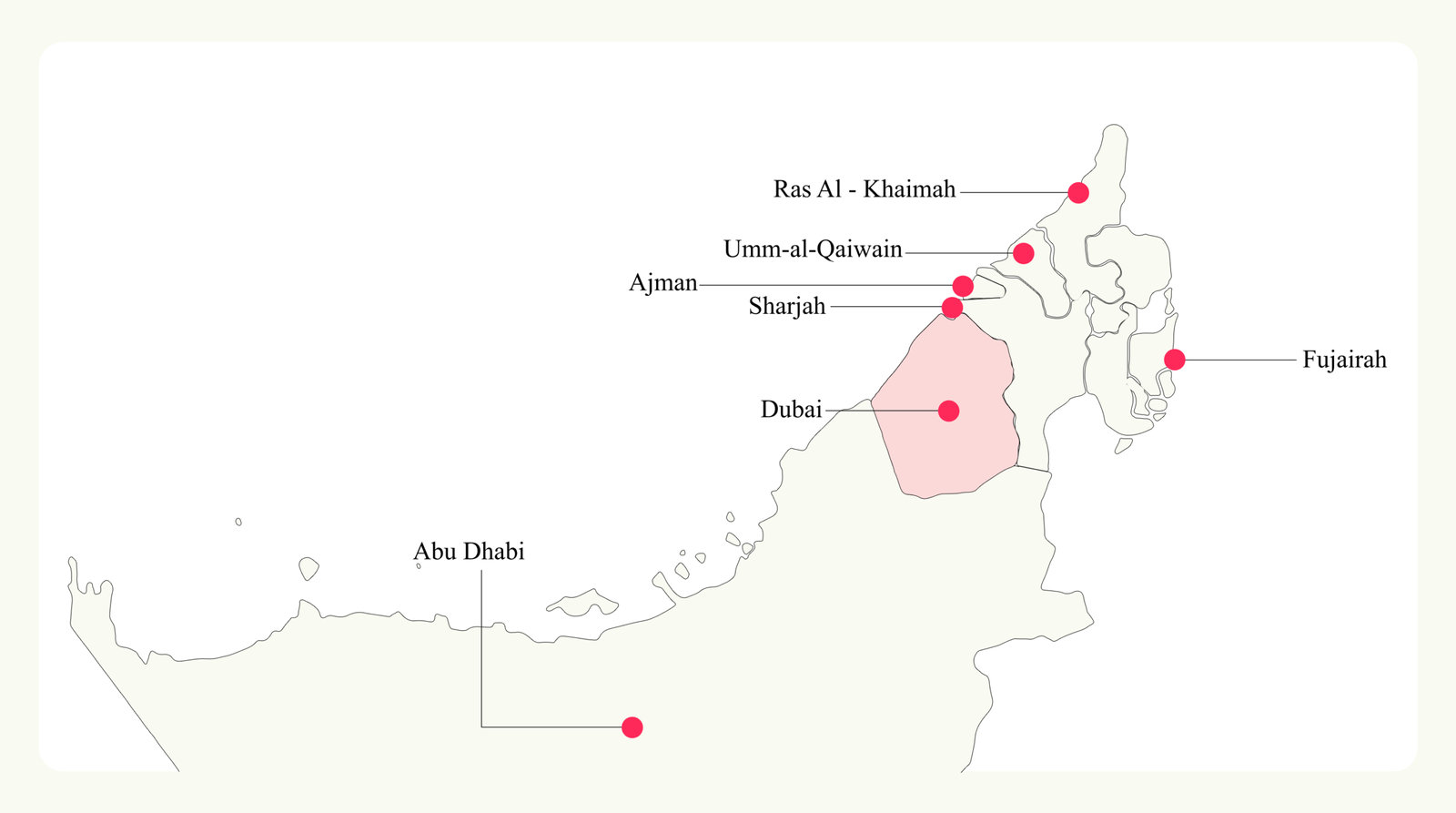
Start Your Entryway Transformation
Your entrance hall or corridor deserves the same attention you give your most prominent rooms. Let’s discuss how expert carpentry can transform your property’s first impression into a lasting statement of quality and style. We offer complimentary consultations including site visit, preliminary design concepts, and detailed proposals with transparent pricing. No obligation, just expert guidance helping you understand possibilities and make informed decisions about your property.
IF YOU HAVE ANY QUESTION? WE ARE GLAD TO
CONSULT YOU AS SOON AS POSSIBLE
Get Started
Immediate assistance from our team regarding your project details.
Form Submitted!
Thank you for contacting us. Our team will get back to you within 24 to 48 hours regarding your query.
Contact us on WhatsApp for Quick Response