Office
Elevate your workspace with expert commercial carpentry. From custom-built ergonomic workstations to sleek boardroom features, we design and install high-quality office interiors that blend professional aesthetics with everyday functionality.
Retail Shops
First impressions are everything in retail. Our commercial carpentry team specializes in bespoke shelving, high-end display units, and unique storefront fixtures designed to showcase your products and enhance the customer shopping experience.
Restaurants and Cafes
Create an inviting atmosphere for your guests with custom-crafted woodwork. We provide durable commercial carpentry solutions, including booth seating, custom bars, and decorative timber accents that stand up to the rigors of a busy hospitality environment.
Partitions and Panels
Optimize your layout with precision-engineered partitions and wall panels. Our commercial carpentry services provide versatile room dividers and acoustic paneling that offer both privacy and structural beauty to any commercial floor plan.
Expert Outdoor Carpentry in Dubai: Transform Your Outdoor Spaces with Karnak
Since 1988, we've crafted over 2,400 outdoor carpentry projects across the UAE that withstand extreme heat, humidity, and sandstorms while maintaining beauty for decades. Your outdoor space deserves the same precision and durability we bring to every project.
Premium Outdoor Carpentry Dubai
Outdoor carpentry in Dubai demands expertise that most carpenters simply don’t possess. The 50°C summer heat that warps inferior wood within months, the humidity that breeds rot in coastal properties, the sand that infiltrates every joint, the UV exposure that bleaches and cracks untreated timber—these aren’t challenges you solve with standard techniques. Over three decades operating across all seven emirates, we’ve learned exactly which materials survive, which joinery methods hold, and which finishes protect against this environment.
The UAE outdoor carpentry market has transformed dramatically since we installed our first pergola in Jumeirah in 1989. Back then, most outdoor structures failed within three years because contractors imported techniques from temperate climates. We spent years testing wood species, experimenting with marine-grade fasteners, developing UV-resistant finishing systems, and refining installation methods that account for thermal expansion rates specific to Arabian Gulf conditions. That research continues today, which is why structures we built in 1995 still look exceptional while competitors’ recent work already shows deterioration.
When developers approach us for outdoor carpentry at their Emirates Hills estates or Bluewaters Island properties, they’re not just buying wood construction. They’re accessing 35 years of failure analysis, material science testing, and climate-specific expertise that transforms outdoor spaces into permanent assets rather than maintenance burdens.
Understanding Outdoor Carpentry Requirements in UAE Climate
Outdoor carpentry in the UAE operates under environmental stresses that would destroy conventional woodwork within a single season. Temperature fluctuations from 15°C winter nights to 52°C summer days create expansion-contraction cycles that split joints and crack boards. Humidity swings from 20% desert conditions to 90% coastal saturation cause warping that standard kiln-dried lumber cannot withstand. Direct sunlight delivers UV radiation intensity that degrades wood cellular structure at accelerated rates compared to European or North American climates.
Material Selection for UAE Outdoor Applications
The foundation of successful outdoor carpentry starts with understanding that only specific wood species possess the natural properties to survive here. Teak contains oils that repel moisture and resist fungal growth, making it our primary choice for decking and furniture. Its dimensional stability means boards maintain their shape through temperature extremes, while the natural silica content provides inherent UV protection. We source Grade A plantation teak from FSC-certified sustainable forests, selecting boards with tight grain patterns that indicate slow growth and superior density.
Iroko offers similar durability at a different price point, with natural resistance to both rot and insect damage. Its color remains stable longer than most hardwoods, important when clients want consistent appearance across large deck areas. The wood’s interlocked grain structure provides exceptional strength, crucial for load-bearing elements like pergola posts and gazebo frames. We’ve used iroko extensively in coastal Dubai Marina and JBR properties where salt air accelerates wood degradation, with structures showing minimal deterioration after fifteen years.
Accoya represents modern engineered solutions, where sustainably sourced softwood undergoes acetylation to alter its cellular structure at the molecular level. This process creates dimensional stability exceeding even premium hardwoods, with warranties extending 50 years for above-ground applications. The material costs more initially but eliminates the replacement cycles that plague cheaper alternatives. For clients prioritizing sustainable carpentry practices alongside performance, Accoya delivers both without compromise.
Composite decking enters conversations when clients want minimal maintenance, though we always explain the trade-offs. Quality composites resist fading and moisture, require no refinishing, and handle foot traffic well. However, they lack the thermal properties of natural wood, becoming uncomfortably hot underfoot during summer months. Surface textures can feel synthetic despite manufacturers’ efforts to replicate wood grain. We recommend composites for commercial applications with high traffic and tight maintenance budgets, but steer residential clients toward natural materials when they value authentic aesthetics and thermal comfort.
Structural Engineering for Extreme Heat
Thermal expansion calculations become critical in outdoor carpentry here because the temperature differentials exceed what standard construction tables account for. A six-meter teak deck can expand 18 millimeters between winter and summer, requiring specific gap spacing and fastener systems that accommodate movement without creating trip hazards or allowing boards to buckle. We calculate expansion coefficients for each wood species we use, adjusting our installation specifications based on whether the structure faces full sun or partial shade, whether it’s in inland Dubai or coastal Abu Dhabi.
Fastener selection directly determines structural longevity. Stainless steel screws prevent the rust staining that ruins aesthetics and weakens joints, while their corrosion resistance matters more in salt air environments. We use 316-grade marine stainless for coastal projects, accepting the higher cost because we’ve seen 304-grade fasteners fail within five years at JBR beachfront properties. Hidden fastener systems like Ipe Clip or Tiger Claw create cleaner surfaces while allowing the board movement that prevents cracking. Traditional face-screwing works for budget projects, but we always pre-drill to prevent splitting and countersink appropriately to avoid water pooling that accelerates rot.
Foundation systems must address sand subsidence and thermal ground movement. Concrete footings need proper depth—we go 800mm minimum for pergola posts compared to 600mm that might suffice in other climates. The additional depth reaches more stable soil and provides the mass needed to resist wind loads during shamal storms. Adjustable post bases allow for leveling corrections as settling occurs, preventing the structural stress that causes cracking in rigid connections. For elevated decks, we incorporate air gaps that facilitate drainage and airflow, both crucial for managing the moisture that accumulates even in our arid climate.
Comprehensive Outdoor Carpentry Services
Our outdoor carpentry expertise spans every structure type that extends living spaces beyond your walls, from intimate balcony enhancements to expansive resort-scale installations. Each service draws on specialized knowledge accumulated through thousands of UAE projects where we’ve refined techniques, solved recurring problems, and developed installation methods that ensure long-term performance.
Custom Pergola Design and Construction
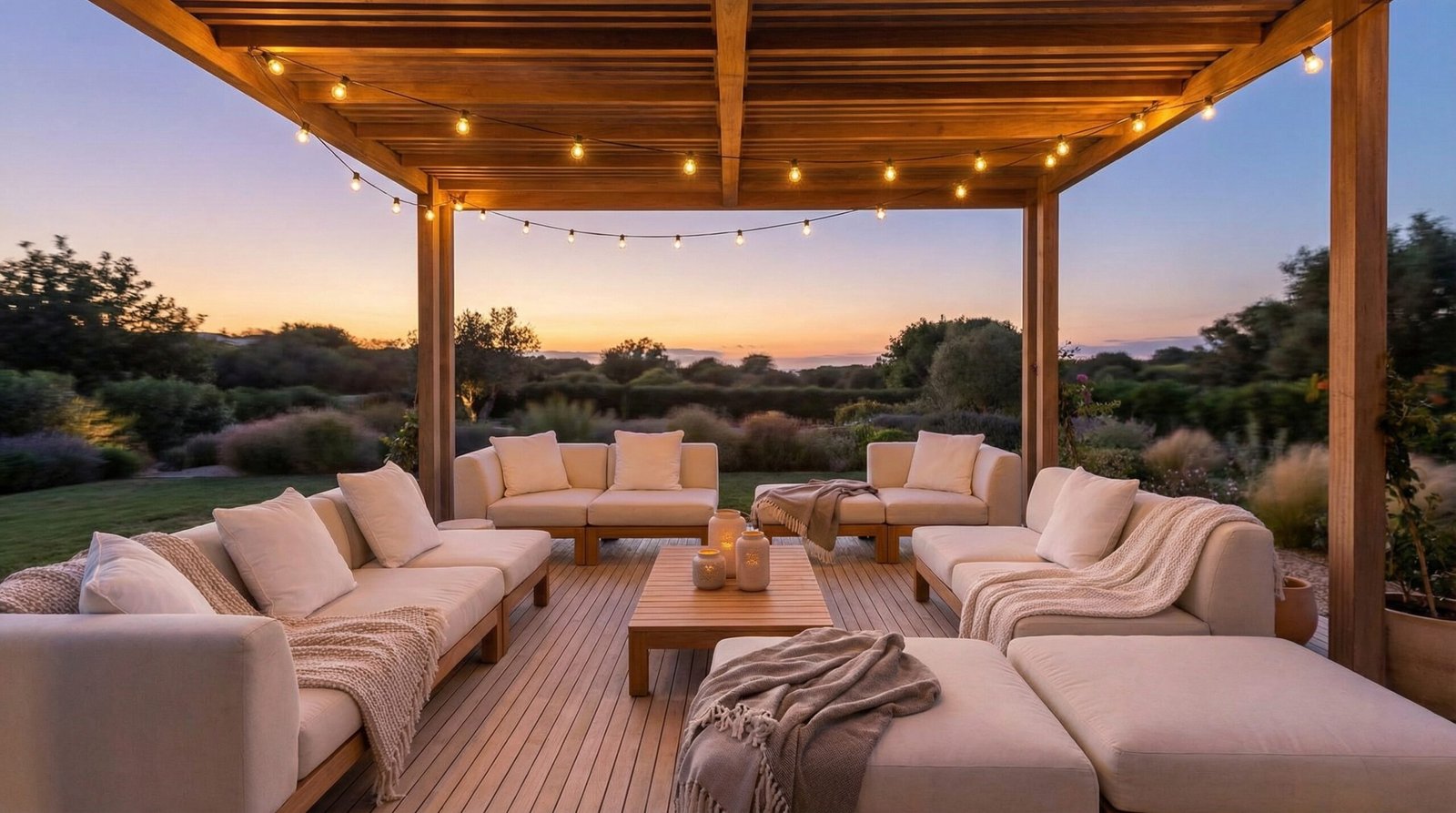
Pergola construction represents our most requested outdoor carpentry service, and for good reason—these structures transform harsh Dubai sunlight into dappled shade while adding architectural interest that elevates property values. Our design process starts with solar analysis using software that calculates sun angles specific to your property’s latitude and orientation, determining optimal beam spacing and roof slat density to provide the shade coverage you need during peak heat hours while maintaining the open-air feeling that makes pergolas appealing. We account for seasonal variations, ensuring your pergola provides adequate shade during brutal summer months without blocking desirable winter sun.
The structural engineering behind pergolas designed for UAE building codes conditions differs significantly from temperate climate approaches. Wind loads during shamal storms can reach 120 kilometers per hour, requiring post sizing and connection details that handle lateral forces conventional pergolas never encounter. We use 200x200mm minimum for corner posts on structures over four meters square, increasing to 250x250mm for larger installations. Beam connections employ traditional mortise-and-tenon joinery reinforced with concealed steel brackets, combining aesthetic appeal with the strength modern building codes require. The joinery methods create the clean lines clients expect while providing structural integrity that keeps pergolas standing through decades of weather extremes.
Material choices for pergola construction depend on your priorities around maintenance, longevity, and budget. Teak pergolas develop a distinguished silver-grey patina over time that many clients love, requiring no maintenance beyond occasional cleaning. Clients wanting to maintain golden-brown tones need annual oiling, which we can arrange through maintenance contracts. Iroko provides similar performance at lower cost, particularly suitable for larger structures where material expenses become significant. For coastal properties, we sometimes recommend Accoya despite higher initial costs because its 50-year warranty eliminates the replacement concerns that affect conventional softwood pergolas within a decade.
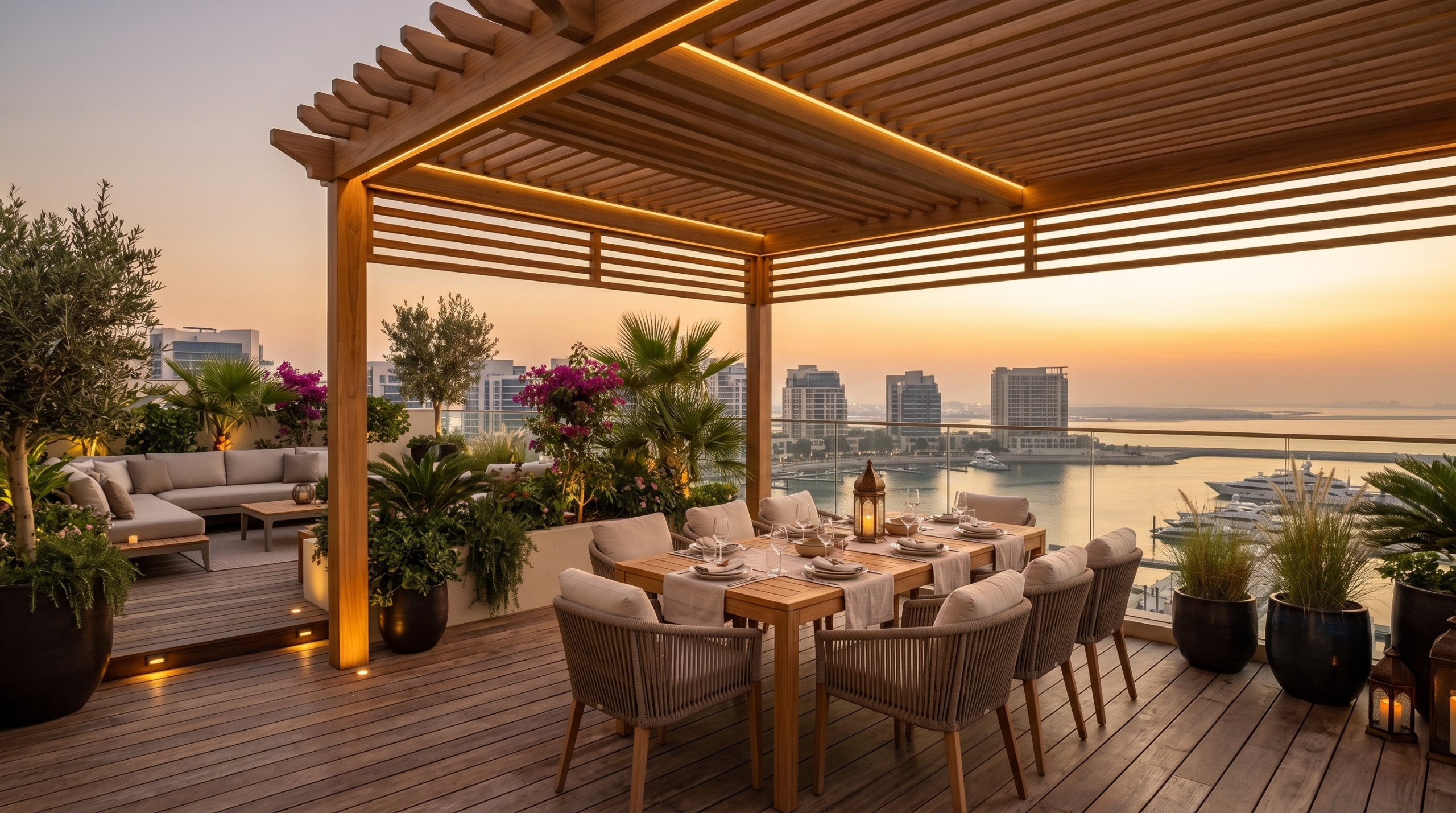
Decorative elements distinguish custom pergolas from generic structures. We offer laser-cut end beam details, traditional Arabic geometric patterns incorporated into side lattices, integrated LED lighting systems that transform spaces for evening use, and climbing plant support systems designed into the structure rather than added afterward. Retractable shade cloth systems can be integrated when clients want variable shade control, using marine-grade hardware that withstands constant adjustment cycles. Privacy screens attach to pergola sides using methods that maintain structural integrity while creating intimate outdoor rooms.
Deck Construction and Installation
Decking projects demand precision at every stage because the expansive horizontal surfaces reveal even minor installation flaws. Our deck construction methodology starts with substrate preparation that most contractors skip, creating the drainage foundation necessary for long-term performance. We establish proper slopes—minimum 1:100 gradient—that prevent water accumulation while remaining imperceptible to users. The substructure uses pressure-treated lumber or aluminum joists depending on budget and exposure, with spacing calculated based on decking material thickness and expected traffic patterns rather than using generic 400mm centers that may or may not provide adequate support. See our flooring installation services for more details on substrate preparation.
Board installation follows patterns we’ve refined over thousands of square meters. We maintain consistent 5mm gaps between teak boards to accommodate thermal expansion while preventing the widening that creates hazardous catch points for shoes or furniture legs. Staggered joints follow patterns that distribute load efficiently and create visual interest, avoiding the railroad track appearance of aligned seams. We orient boards with growth rings curving downward when visible, minimizing cupping as seasonal moisture variations occur. End cuts receive the same multi-coat finish system as field surfaces, protecting vulnerable end grain that otherwise wicks moisture and becomes rot entry points.
Poolside decking requires additional expertise because the constant water exposure, chemical splash from pool treatments, and barefoot traffic create unique challenges. We specify teak or Accoya exclusively for these applications, avoiding species that become slippery when wet or that deteriorate from chlorine exposure. The deck surface slopes away from pool edges to prevent water flowing back into the pool, carrying dirt and debris. We create gentle beveled edges rather than sharp corners, preventing toe-stubbing injuries while making cleaning easier. Drainage gaps between boards require precise sizing—too narrow and they clog with debris, too wide and they become hazardous.
Elevated deck systems add complexity through the structural engineering required for safe load-bearing performance. We calculate loads based on actual expected use—residential entertaining versus commercial restaurant seating—plus safety factors mandated by UAE building codes. Post spacing, beam sizing, and joist dimensions emerge from these calculations rather than guesswork or copying what someone else built. Stairs integrate seamlessly with appropriate riser heights (maximum 200mm) and tread depths (minimum 250mm) that provide comfortable passage while meeting accessibility requirements where applicable. Railing systems combine safety with aesthetics, using stainless steel cable, glass panels, or wooden balusters depending on your design preferences and required sight lines.
Outdoor Kitchen Construction
Outdoor kitchens represent the intersection of carpentry, plumbing, electrical work, and gas fitting, requiring coordination expertise that ensures all trades integrate seamlessly. Our role encompasses the entire wooden structure that houses appliances, provides counter space, and creates the framework for this functional outdoor room. We design cabinet systems (similar to our custom kitchen cabinets) using marine-grade plywood with multiple coats of waterproof sealant, knowing that cooking moisture, weather exposure, and temperature fluctuations will test every joint. Doors use solid hardwood frames with marine-grade construction methods, while drawer boxes employ dovetail joinery that withstands decades of use.
Counter substrates must support heavy stone or tile surfaces while accommodating the point loads from built-in grills and other appliances. We construct these using pressure-treated framing with additional blocking at appliance locations, creating stable platforms that prevent cracking in finish materials. Ventilation considerations influence our design approach because trapped heat damages wood components and creates fire hazards. We incorporate air gaps behind appliances, use heat-resistant materials in proximity to cooking surfaces, and ensure proper clearances that meet both manufacturer specifications and local safety codes.
Storage solutions in outdoor kitchens need weather protection that interior cabinets never face. We design overhangs that shield cabinet fronts from direct rain, incorporate drainage channels that direct water away from vulnerable areas, and use stainless steel hardware that maintains operation despite constant temperature and humidity cycles. Soft-close hinges and drawer slides must be marine-grade to prevent corrosion that causes binding and failure. We integrate electrical outlet locations, gas line access points, and plumbing connections during the initial framing stage, avoiding the retrofitting complications that arise when these elements are added later.
The aesthetic integration with your home’s architecture guides our design recommendations. Contemporary villas with clean lines call for minimalist outdoor kitchens using flat-panel doors and concealed hardware. Traditional Arabian-style properties benefit from raised-panel doors, decorative corbels, and ornamental details that echo interior design elements. We can match existing indoor cabinetry finishes or create complementary palettes that distinguish outdoor spaces while maintaining cohesive design flow throughout your property.
Gazebo and Pavilion Construction
Gazebos and pavilions create fully covered outdoor rooms that provide refuge from direct sun while maintaining connection with garden spaces. These structures demand more complex carpentry than pergolas because the complete roof systems require proper framing, waterproof membrane installation, and finish roofing that sheds rain efficiently. We engineer roof pitches appropriate for UAE rainfall patterns—typically 15 to 20 degrees—steep enough for drainage but not so aggressive that they create imposing profiles or excessive height requirements.
The structural complexity increases with size and roof configuration. Octagonal gazebos require precise angle cuts and symmetrical framing that looks simple but demands expert geometry and execution. Hip roofs with multiple planes create visual interest while efficiently shedding water from all sides, but the valley and ridge details become vulnerable leak points unless installed with meticulous attention to weatherproofing. We use multiple layers of protection: waterproof membranes under finish roofing, properly lapped and sealed; metal flashing at all transitions; and sealant applications that remain flexible through temperature cycles.
Built-in features transform gazebos from simple shelters into functional outdoor rooms. Bench seating integrating into the structure perimeter provides comfortable gathering space without requiring separate furniture that clutters the interior. We construct these benches using the same hardwoods as the main structure, with appropriate slopes for water drainage and removable cushion designs that allow easy cleaning and storage. Integrated lighting systems can include ceiling fans for air circulation, pendant lights for ambient illumination, and perimeter downlights that define the space after dark. Electrical systems use weatherproof components rated for outdoor exposure, with all connections sealed against moisture intrusion.
The finish details separate basic construction from fine carpentry. We hand-select lumber for visible components, avoiding knots and grain irregularities that detract from appearance. Rafters can feature decorative end cuts ranging from simple bevels to elaborate scrollwork, depending on your design preferences. Post caps provide opportunities for ornamental touches—turned finials, carved details, or metal accents that catch light and add vertical interest. The entire structure receives our multi-stage finishing process: wood conditioner application, two coats of exterior-grade stain in your selected tone, and two coats of spar varnish with UV inhibitors that protect against sun damage.
Outdoor Furniture and Built-In Seating
Custom outdoor furniture construction allows us to create pieces perfectly scaled for your spaces, built from materials proven to withstand UAE conditions, and finished to match or complement your property’s aesthetic. Dining tables, benches, loungers, planters, and storage boxes all benefit from being purpose-built rather than selected from limited retail options that compromise on size, style, or durability.
Teak remains the premier choice for outdoor furniture because its natural oils provide inherent weather resistance while the wood develops character as it ages. We construct table frames using traditional mortise-and-tenon joints, the same methods employed in fine indoor furniture but executed with marine-grade adhesives and stainless steel reinforcement appropriate for outdoor exposure. Tabletops can be solid slabs showcasing continuous grain patterns, or carefully matched boards book-matched for symmetry and visual impact. We incorporate drainage gaps between boards on horizontal surfaces, preventing water accumulation that accelerates deterioration.
Built-in seating transforms outdoor areas by providing permanent furniture that never needs storing, won’t blow away during storms, and integrates architecturally with surrounding structures. L-shaped bench configurations create conversation areas in courtyard corners. Straight runs define patio edges while offering flexible seating capacity for entertaining. We design built-ins with ergonomic seat depths (typically 450-500mm) and comfortable heights (420-450mm to seat surface), incorporating back supports angled for relaxation. Storage compartments under seat surfaces (similar to our premium wardrobe solutions) provide practical space for cushions, outdoor games, or pool equipment, with gas-lift mechanisms making access effortless.
Planter boxes merit custom construction because generic containers rarely suit specific spaces or design requirements. We build these using rot-resistant hardwoods or marine plywood, with internal waterproof liners that protect wood from constant soil moisture. Drainage systems prevent waterlogging that kills plants and accelerates wood deterioration. Sizes can be tailored exactly to available spaces—fitting perfectly into courtyard corners, lining pathway edges, or creating privacy screens through planted bamboo or climbing vines. Finish options include natural wood tones, painted surfaces matching architectural elements, or creative combinations that add visual interest.
Shade Structures and Patio Covers
Beyond traditional pergolas, various shade structure types address different functional needs and aesthetic preferences. Louvered roof systems provide adjustable shade, with motorized slats rotating to control sun exposure throughout the day or closing completely during rain. We install these using heavy-duty aluminum frames that handle the mechanical components reliably, with wooden trim elements adding warmth and integrating the systems with surrounding carpentry. The electrical and control systems integrate with home automation platforms, allowing smartphone control or automated adjustment based on sun sensors.
Shade sails represent modern alternatives, using tensioned fabric stretched between anchor points to create sculptural overhead protection. Our role includes designing anchor point locations, constructing wooden posts when needed, and coordinating with fabric specialists who calculate tension requirements and fabricate the sails. The engineering matters because improper tension creates sagging that looks poor and collects water, while excessive tension can pull posts out of plumb or even crack concrete foundations. We’ve developed installation expertise through dozens of projects, understanding the load paths and adjustment procedures that ensure long-term performance.
Retractable awning systems attach to building facades, extending to provide shade and retracting when not needed or during high winds. The structural mounting requires solid attachment to wall framing, not just surface mounting to facade materials. We expose framing, install proper blocking, and create mounting plates that distribute loads appropriately. The wooden valance boxes we construct conceal the rolled fabric when retracted, protecting it from UV damage and creating clean appearances. These boxes match your property’s trim details and receive the same finish quality as other exterior carpentry.
Patio cover structures provide permanent roofing that transforms outdoor spaces into true rooms usable regardless of weather. These range from simple shed-roof designs extending from building walls to freestanding structures with independent support systems. Roof construction follows the same engineering principles as gazebos but scaled for larger areas—beams sized for span distances, appropriate roof pitches for drainage, and waterproofing systems that prevent leaks. We can incorporate skylights for natural illumination, ceiling fans for air circulation, and recessed lighting that activates outdoor living after sunset. The integration with your existing architecture requires careful attention to proportion, material matching, and detail coordination that makes additions look original rather than afterthought.
The Karnak Outdoor Carpentry Process
Our systematic approach to outdoor carpentry projects ensures quality outcomes through careful planning, precise execution, and thorough finishing. This methodology developed over thousands of projects eliminates the surprises and compromises that plague less experienced contractors.
Step 1: Site Assessment and Consultation
Every outdoor project begins with comprehensive site evaluation where we examine conditions that influence design and construction decisions. Sun exposure patterns matter tremendously—south and west-facing areas receive intense afternoon heat requiring more aggressive shade solutions, while north-facing spaces might need less coverage. We note existing vegetation that provides natural shade or privacy, architectural features that influence design aesthetics, and potential obstacles like underground utilities that constrain foundation placement. Wind exposure varies significantly depending on property location and surrounding structures, affecting our structural engineering approach.
During this initial consultation, we discuss your vision, functional requirements, and aesthetic preferences. Some clients want low-maintenance solutions requiring minimal upkeep, while others prefer natural wood that develops patina and are willing to invest in periodic maintenance. Budget discussions happen transparently—we explain cost differences between material options, helping you make informed decisions rather than just selecting the cheapest approach. We show physical samples of different wood species, finish options, and hardware selections, because photos rarely capture the tactile qualities and true colors that influence satisfaction.
Timeline expectations get established based on project complexity and our current workload. Simple deck installations might complete within three weeks from contract signing, while elaborate outdoor kitchens with multiple trades require two to three months. We explain the approval processes if your project needs Dubai Municipality building requirements, HOA reviews, or utility company coordination. Weather considerations factor into scheduling because we avoid critical work during peak summer heat or rare rainy periods that compromise finish quality.
Step 2: Custom Design Development
Following the consultation, our design team creates detailed plans showing your outdoor carpentry project from multiple views with precise dimensions. These aren’t rough sketches—they’re technical drawings that guide our workshop fabrication and field installation while providing the documentation required for any necessary approvals. Floor plans show overall dimensions and spatial relationships. Elevation views illustrate how structures appear from various angles, helping you visualize the finished appearance. Section details reveal construction methods, material thicknesses, and connection details.
For complex projects, we create 3D renderings that show your project in photorealistic detail, allowing you to see exactly how the completed work will appear and make any desired adjustments before construction begins. These renderings prove particularly valuable for outdoor kitchens and multi-structure projects where spatial relationships become difficult to visualize from traditional drawings. We can show different material options, experiment with stain colors, and illustrate lighting effects so your decisions come from clear understanding rather than imagination.
The design phase includes material specifications listing every component—lumber dimensions and quantities, fastener types and counts, finish products, and hardware selections. This detailed specification serves multiple purposes: it ensures we order exactly what’s needed, provides transparency about materials you’re receiving, and forms the basis for accurate project costing. We calculate waste factors based on actual board lengths and cut patterns, ordering the premium materials your project deserves without the excess that inflates costs unnecessarily.
Step 3: Material Sourcing and Preparation
We maintain relationships with premium lumber suppliers specializing in the exotic hardwoods and specialized materials that UAE outdoor carpentry demands. Our teak comes from Indonesian plantations with FSC certification guaranteeing sustainable forestry practices, while our iroko sources from well-managed West African forests. These relationships provide access to premium grades that retail suppliers rarely stock, and ensure the material consistency that professional projects require.
Lumber arrives at our workshop where it undergoes inspection before acceptance. We check moisture content using calibrated meters, rejecting boards above the 12-15% threshold appropriate for UAE conditions. Visual grading identifies defects like excessive knots, grain irregularities, or sapwood content that could compromise durability. Boards with issues get returned immediately rather than becoming problems during installation. This quality control costs time but prevents the failures that occur when contractors use whatever material shows up.
Selected lumber then undergoes additional workshop preparation before any cutting or assembly. We inspect boards again for any moisture changes during transport, restacking with spacers that allow air circulation if needed. Premium boards get labeled for visible locations where appearance matters most, while lower grades but still acceptable quality pieces get designated for structural components or less visible areas. This sorting ensures optimal material utilization—using the most beautiful boards where they create the most impact while controlling costs through efficient resource allocation.
Step 4: Precision Workshop Fabrication
Our climate-controlled workshop allows precision fabrication impossible at outdoor job sites where heat, dust, and changing conditions compromise accuracy. All structural components receive machine cutting on professional equipment calibrated for repeatability within one millimeter—the tolerance required for joints that fit properly and structures that assemble square. We create jigs and templates for repeated cuts, ensuring identical components whether we’re making four pergola posts or forty deck boards.
Joinery work happens in controlled conditions where wood moisture stays stable and temperature doesn’t cause expansion that throws off measurements. Mortise-and-tenon joints get cut on mortising machines and tenoning jigs that produce the tight fits traditional joinery requires. Dowel joints use boring jigs that align holes perfectly between mating parts. Even simple butt joints receive the care needed for proper surface contact and solid glue bonds. We assemble subassemblies in the workshop when possible—pergola beam assemblies, gazebo roof sections, furniture components—applying glue and clamps with the proper pressure and cure time that field conditions rarely permit.
Surface preparation reaches the standard needed for superior finish adhesion. We sand all visible surfaces progressing through grits from 80 to 180, removing mill marks and achieving the smooth consistency that makes stain applications look professional rather than blotchy. Any minor defects get addressed—small cracks filled with color-matched wood filler, minor dents steamed out or sanded flush. Components receive initial finish coats in the workshop when the application calls for it—primer coats on painted elements, initial stain applications that can be properly wiped and controlled. This preparation work pays dividends in the finished appearance and long-term durability of your outdoor carpentry.
Step 5: Professional Site Installation
Installation begins with verifying site conditions match our design assumptions. We check dimensions, confirm utilities aren’t where we need to dig, and ensure access for materials and equipment. Foundation work happens first—digging holes for posts, forming concrete footings, or preparing ground-level deck support systems. We respect your property, protecting existing landscaping with temporary barriers and minimizing disruption to your daily routines. Concrete work follows best practices appropriate for local soil conditions, with proper depth, reinforcement, and cure time before loading.
Structural assembly proceeds systematically—posts get set plumb and temporarily braced, beams get lifted and connected, joinery gets assembled with the precision our workshop prep enables. We check square and level continuously because early corrections are simple while fixing problems after subsequent components are installed becomes complicated or impossible. Hardware installation uses properly sized pilot holes preventing splits, with washers distributing loads and preventing crushing. Connection points receive sealant appropriate for the materials and exposure, preventing moisture intrusion that causes hidden rot.
Decking installation follows patterns we’ve established through thousands of square meters installed across the UAE. We start from a reference line ensuring the first board is perfectly positioned, then work systematically with consistent gap spacing and fastener placement. Board selection happens as we progress—matching color tones within visible areas, orienting grain patterns for visual appeal, avoiding defects in high-traffic zones. The rhythmic installation process includes periodic checks that alignment stays true, because minor deviations compound across large expanses creating wavy appearances or uneven reveals.
Step 6: Finishing and Protection
The finishing process transforms raw wood into the protected, beautiful surfaces that define quality outdoor carpentry. Our multi-stage system begins with wood conditioner application on species that absorb stain unevenly, creating uniform color penetration that avoids blotchy appearances. The conditioner application happens liberally, allowing fifteen minutes penetration before wiping excess, then letting the surface dry completely before stain application.
Stain selection balances aesthetic goals with UV protection needs. Lighter tones require more frequent reapplication but showcase wood grain beautifully, while darker stains provide enhanced UV blocking at the expense of obscuring grain patterns. We use professional-grade penetrating oil stains specifically formulated for exterior use, with UV absorbers, mildewcides, and water repellents built into the formulation. Application happens in moderate temperature conditions—early morning or late afternoon when surface temperatures stay below 30°C allowing proper absorption without flash drying that causes lap marks.
The stain gets worked into the wood using natural bristle brushes that push finish into pores and grain patterns, then wiped with lint-free cloths that remove excess and create even appearance. End grain receives extra attention because it absorbs more finish, requiring additional applications to match field surfaces. All surfaces get complete coverage including undersides that won’t be visible because moisture can penetrate from any direction. We allow proper cure time—typically 24 to 48 hours—before applying protective topcoats, because rushing this step compromises the adhesion that long-term durability requires.
Topcoat applications provide the UV protection and water resistance that preserves your investment. We use marine-grade spar varnish formulated with higher UV absorber concentrations than standard polyurethanes, applied in multiple thin coats rather than one thick layer. Each coat gets light sanding with 220-grit paper to provide mechanical adhesion for the next layer and remove any dust nibs or surface imperfections. The final result feels smooth to touch, looks rich without being glossy, and provides the protection measured in years rather than months.
Step 7: Final Inspection and Client Walkthrough
Before calling any project complete, we conduct systematic inspection verifying all work meets our quality standards and your expectations. We check structural elements confirming all connections are tight, hardware is properly secured, and nothing shows signs of stress or improper fit. Surfaces get examined under raking light that reveals any issues with finish consistency, application quality, or surface preparation. Functional elements like gates, doors, drawers, or adjustable components get tested through full range of motion confirming smooth operation without binding or excessive play.
During your final walkthrough, we explain proper use and maintenance requirements specific to your project. For teak surfaces, we discuss patina development versus maintenance routines if you prefer retaining original color. Deck surfaces need periodic sweeping and occasional cleaning with appropriate solutions—we provide specific product recommendations. Hardware might require occasional tightening as wood seasons during the first year—we show which fasteners to check and provide the correct tools or driver bits. For outdoor kitchens, we review proper appliance operation, storage access, and seasonal considerations like protecting certain elements during extended vacancy.
We address any concerns immediately. Minor finish touch-ups happen on the spot using materials we bring specifically for this purpose. If you identify something requiring adjustment—a loose fastener, an uneven board, anything not meeting expectations—we schedule correction work promptly rather than debating whether it matters. The final walkthrough doesn’t conclude until you’re completely satisfied with every aspect of your new outdoor carpentry. We don’t chase final payment or pressure you to sign off—your complete satisfaction forms the foundation for the reputation that built our business over 35 years.
Why UAE Property Owners Choose Karnak for Outdoor Carpentry
Outdoor carpentry represents one of the most challenging building trades in the Emirates because the work sits exposed to environmental extremes that test every material choice and construction method. Selecting the right contractor means choosing someone whose expertise has been proven through thousands of projects rather than learned through your costly mistakes.
Three Decades of UAE-Specific Outdoor Expertise
Since installing our first outdoor deck at a Jumeirah villa in 1989, we’ve accumulated climate-specific knowledge that cannot be taught in any training program or replicated through standard carpentry experience from other regions. We’ve watched teak decks we installed in the 1990s continue performing beautifully while competitor’s recent work already shows failure. We’ve documented which wood species survive in full sun at Jebel Ali versus partial shade in Dubai Marina, because microclimate variations across just a few kilometers dramatically affect material performance. We’ve tested dozens of finish products, learning which UV inhibitors remain effective through five-plus years versus those that degrade within two seasons.
This accumulated experience translates directly into better outcomes for your project. When we recommend specific post-hole depths for your pergola, that guidance comes from analyzing why structures failed during the storms that hit Dubai in 2020 and which remained solid. When we specify particular gap spacing between deck boards, we’re applying learnings from the 847 deck projects where we’ve optimized the balance between drainage needs and furniture stability. When we suggest beam sizing, connection methods, or foundation approaches, every recommendation connects to real project outcomes rather than theoretical calculations or generic best practices imported from climates nothing like ours.
Our workshop contains lumber samples labeled with installation dates and locations, allowing us to physically show you how different wood species age under UAE conditions. You can see twelve-year-old teak from a Jumeirah villa renovation, compare it to six-year-old iroko from a Marina apartment, examine Accoya that’s survived eight years at a coastal restaurant. This physical evidence library eliminates the guesswork and marketing claims that confuse material selection, replacing it with observable truth about long-term performance.
Comprehensive In-House Capabilities
Most outdoor carpentry contractors operate as small teams who essentially function as installation crews—they take measurements, order materials from suppliers, and install what arrives. We function differently. Our 4,000 square meter workshop enables us to control every aspect of your project from initial lumber selection through final installation. This integrated approach provides advantages that become apparent in the finished quality and long-term performance.
Material selection happens with us personally inspecting lumber rather than accepting whatever a supplier ships. We can examine entire lots, selecting the premium boards for your visible surfaces while rejecting material with defects that would compromise appearance or durability. This selection capability means you receive Grade A materials consistently, not the Grade B or C lumber that gets mixed into most orders. The quality difference becomes obvious when you see the consistent grain patterns, minimal sapwood, and rich color that defines premium hardwoods.
Our workshop fabrication enables precision that field-cutting cannot match. When we’re building your pergola, all four posts are identical height within one millimeter because they’re cut on the same saw with the same setup. Beam notches that accept crossbeams are consistent because they’re routed using jigs. Decorative end cuts match perfectly because they’re traced from templates. This repeatability and precision create structures that look and function at a level amateur work never achieves, even when they’re using quality materials.
The controlled environment matters for finishing work. We can apply stain coats in our climate-controlled finishing room where temperature stays constant, humidity stays low, and dust doesn’t contaminate wet finishes. This controlled application produces the smooth, consistent, professional appearance that separates exceptional work from adequate results. Field-applied finishes contend with temperature extremes, airborne dust, potential rain interruptions, and rushed timelines that compromise quality in ways clients rarely understand until they see the difference.
Engineering and Structural Integrity
Outdoor structures must withstand environmental forces and use conditions that stress every connection point and structural element. Our approach integrates engineering analysis appropriate for the structure type and expected loads, ensuring safety factors that meet or exceed UAE building codes while providing the long-term durability that protects your investment.
For elevated decks, we calculate actual load capacities based on joist sizing, span distances, and support spacing rather than using rules of thumb that may or may not provide adequate strength. Our calculations account for live loads of 4.8 kPa (100 pounds per square foot) meeting residential code requirements, with additional safety factors incorporated when clients plan dense seating or hot tub installations. The math determines beam sizes, connection methods, and foundation requirements that ensure your deck handles expected use safely without excessive deflection that creates bouncy surfaces or concerning movement.
Pergola structures undergo wind load analysis because the combination of horizontal roof elements and substantial height creates forces that basic construction methods cannot resist safely. We’ve developed proprietary connection details that resist uplift forces—the tendency for wind to lift structures off their foundations—using through-bolted connections, buried anchor systems, and proper concrete mass. These engineered solutions cost more than simple post-setting, but they prevent the failures we’ve documented at properties where contractors took shortcuts.
The engineering extends to thermal movement accommodation because UAE temperature ranges create expansion-contraction cycles that stress connections and can cause warping or buckling when improperly addressed. We design appropriate gap spacing, use fastening methods that allow controlled movement, and select materials with compatible expansion rates when combining wood with metal or masonry elements. This attention to physics prevents the problems that emerge one or two years after installation when seasonal cycles have stressed inadequate construction.
Transparent Project Management
From initial quote through final installation, we maintain communication that keeps you informed without overwhelming you with unnecessary detail. The quotation process produces detailed breakdowns showing labor costs, material costs, and what you’re receiving for your investment. We don’t hide behind all-inclusive pricing that leaves you guessing whether you’re paying fairly or subsidizing inefficiency. If material prices change between quote and project start, we explain the changes and their impact rather than absorbing costs that compromise our ability to deliver quality or surprising you with upcharges.
Timeline commitments reflect realistic analysis of work requirements and our current capacity. We don’t promise impossibly fast completion to win projects then drag out work. When we commit to a three-week installation period, that’s what happens barring extraordinary circumstances like sustained periods of rain or utility conflicts requiring redesign. Progress updates happen weekly or more frequently for complex projects, with photos documenting completed work and explanations of any minor schedule adjustments needed.
Problems get communicated immediately rather than hidden until they become crises. If we encounter unexpected underground utilities requiring design modifications, you hear about it the same day with proposed solutions and cost implications. If materials ordered arrive with quality issues requiring reselection and delay, we explain the situation honestly. This transparency occasionally delivers news you’d rather not hear, but it prevents the surprises and conflicts that plague projects where contractors hide problems until they can’t be concealed.
Warranty Coverage and After-Installation Support
Every outdoor carpentry project includes comprehensive warranty coverage that reflects our confidence in materials and workmanship. Structural elements carry five-year warranties against defects in workmanship—if joints fail, connections loosen, or installations prove inadequate, we return to correct issues at no cost. Finish work warranties extend two years, covering delamination, excessive fading, or application failures. Material warranties vary by species—teak carries 15-year warranty against rot and decay, Accoya comes with manufacturer’s 50-year above-ground warranty.
Beyond formal warranties, we provide ongoing support recognizing that outdoor carpentry requires occasional maintenance and eventual refinishing. We maintain detailed records of your project including material specifications, finish products used, and supplier information for all components. When you need additional matching boards five years later for a deck extension, we can source identical material. When refinishing becomes necessary, we know exactly which stain and finish system will match original work. This continuity prevents the mismatched repairs that occur when you’re forced to work with contractors unfamiliar with original construction.
Maintenance services are available through annual contracts where we return to inspect structures, clean surfaces, tighten any loose fasteners, and reapply protective finishes as needed. Many clients appreciate this hands-off approach eliminating the need to research proper products, acquire equipment, and invest time in maintenance tasks. The annual service costs less than most clients expect while ensuring their outdoor carpentry maintains the appearance and performance that justified the initial investment.
Portfolio Spanning All Structure Types and Emirates
Our experience encompasses every outdoor carpentry application across residential and commercial properties throughout the UAE. We’ve built intimate balcony decks at downtown Dubai apartments where space measures just 15 square meters, and expansive resort decks at Ras Al Khaimah properties exceeding 500 square meters. We’ve constructed simple rectangular pergolas at townhomes and elaborate multi-level structures with integrated lighting and retractable canopies at Emirates Hills estates. This diversity means we’ve solved the unusual challenges your project might present.
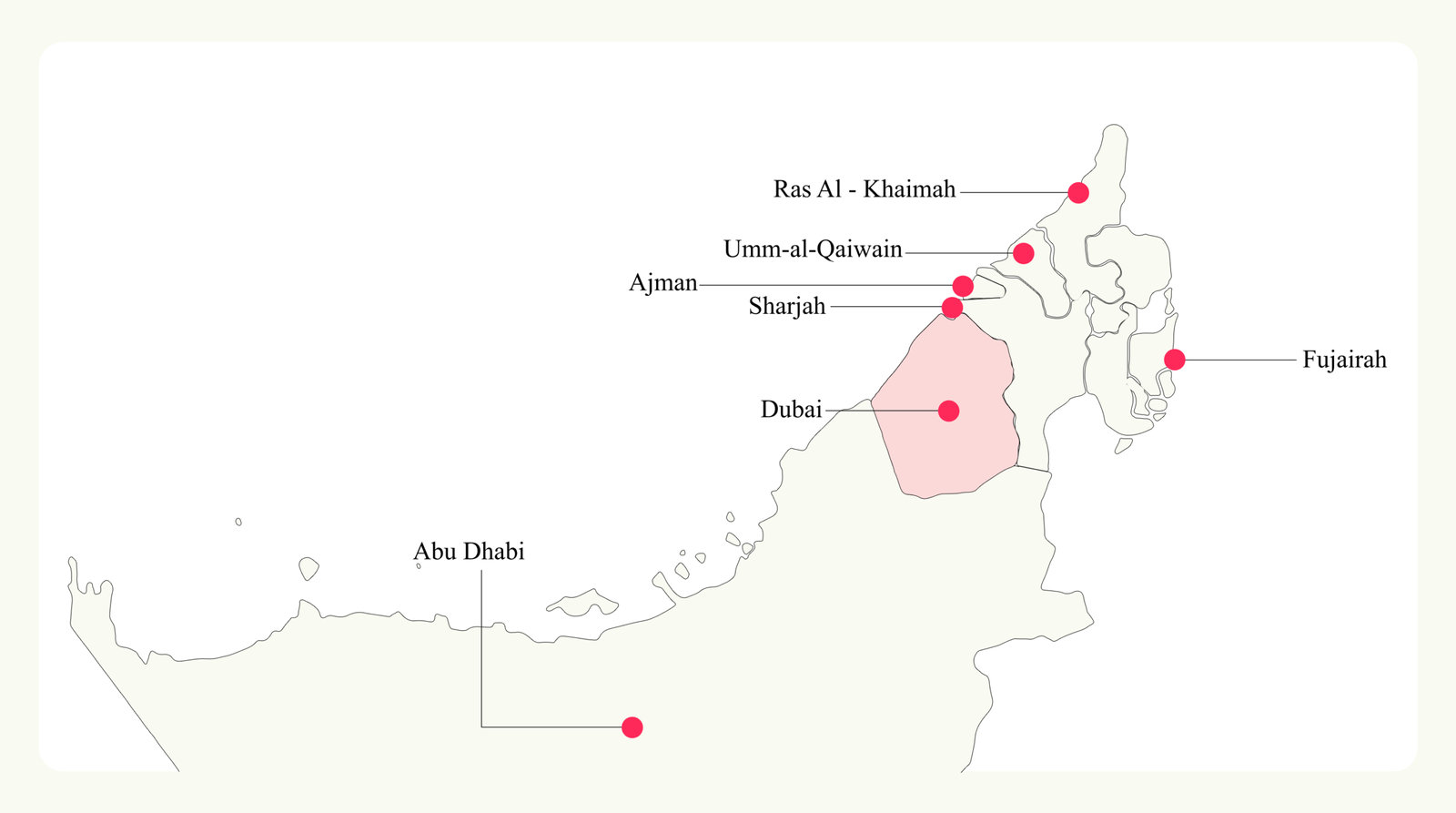
Coastal projects from Marina to Jumeirah Beach Residence taught us the specific challenges of salt air exposure and how to mitigate corrosion, wood deterioration, and finish degradation that intensify within 500 meters of shoreline. Inland Dubai and Abu Dhabi projects informed our approaches to extreme heat and UV protection where structures face full afternoon sun. Northern emirate projects in Ras Al Khaimah and Fujairah where slightly different climate conditions and building requirements prevail expanded our expertise. This geographic diversity means we bring relevant experience regardless of your property location.
Commercial projects at restaurants, hotels, and retail developments provided expertise in commercial carpentry expertise, high-traffic durability, stringent regulatory compliance, and accelerated timeline execution that residential work doesn’t require. These demanding applications refined our material selections, reinforced our fastening methods, and elevated our finish durability standards. The techniques and quality standards developed through commercial work now benefit every residential client, providing performance that exceeds typical home improvement expectations.
Recent Outdoor Carpentry Projects Across UAE
Our carpentry portfolio demonstrates the range, quality, and attention to detail we bring to every outdoor carpentry installation regardless of scale, location, or complexity.
Emirates Hills Villa – Elaborate Poolside Pergola and Deck Complex
This extensive project transformed an underutilized pool area into a resort-quality outdoor living space through integrated pergola, deck, and outdoor kitchen construction. The main pergola spans 8 meters by 6 meters with four-meter post heights, creating dramatic vertical presence while providing comprehensive shade over the entertaining area. Custom curved beam details, laser-cut arabesque patterns on side lattices, and integrated LED lighting systems elevated this beyond standard construction into architectural statement. The surrounding 85-square-meter teak deck replaced deteriorated stone pavers, providing warm surface that’s comfortable barefoot even during summer heat. The outdoor kitchen integrated seamlessly with storage under deck areas, appliance zones protected by pergola coverage, and service access that keeps preparation activities separate from entertaining spaces. Project completion required eleven weeks from contract to final walkthrough, encompassing foundation engineering that addressed challenging soil conditions, precise workshop fabrication of all pergola components, coordination with pool equipment service providers, and meticulous finishing throughout. The client specifically noted our ability to maintain their privacy and minimize disruption despite the scale of work occurring at their occupied residence.
Business Bay Apartment – Compact Balcony Transformation
This 22-square-meter balcony conversion demonstrates how thoughtful apartment carpentry maximizes limited space. The client wanted functional outdoor dining, comfortable lounging, and attractive appearance from interior living spaces—ambitious goals for the dimensions available. We designed and built composite decking that handles the high-rise heat reflection while staying cooler underfoot than the original tiles. Custom-built corner benches with storage underneath provide seating for six dinner guests or casual lounging while concealing less-attractive items like plant saucers and outdoor cushions during off-season. A wall-mounted folding table attaches to the building facade, expanding for dining then folding nearly flush when not needed. Privacy screens along the side railings integrate planters at their base, supporting climbing jasmine that provides natural screening, fragrance, and visual softness. The entire project completed in just over two weeks including required approvals from building management. Space constraints eliminated workshop pre-fabrication advantages, requiring field construction using techniques and tools adapted for the access limitations. Despite these challenges, finish quality and functional success exceeded the client’s expectations based on their previous contractor disappointments.
Arabian Ranches Villa – Comprehensive Outdoor Kitchen and Dining Pavilion
This project created a fully equipped outdoor entertainment center featuring commercial-grade kitchen facilities under a protective pavilion roof. The kitchen cabinetry uses marine-grade plywood construction with solid iroko door fronts, accommodating built-in grill, side burners, refrigerator, sink with hot water, extensive storage, and granite countertops. The pavilion covering this 4-meter by 5-meter kitchen extends additional 4 meters to create covered dining space with ceiling fans and retractable screens that provide insect protection without blocking breezes. Structural complexity required engineering stamps for the permit approval, with steel-reinforced beam systems concealed within wooden trim elements. The roofing system uses standing-seam metal over proper waterproof membranes, with thermal barriers that prevent radiating heat from affecting comfort below despite the roof’s exposure to direct afternoon sun. Electrical systems include dedicated circuits for appliances, switched lighting on dimmers, and weatherproof outlets at convenient locations. Plumbing required coordination with the villa’s existing systems, running water supply and drainage lines under hardscaped areas to connect kitchen facilities. The seven-week construction period included two weeks of preparatory work getting permits, coordinating utility connections, and fabricating all cabinetry before any field work began. Client feedback emphasized both the functional success—they now host outdoor dinners weekly through most of the year—and aesthetic integration that makes the addition look original to the property.
Jumeirah Beach Residence – Beachfront Restaurant Deck Renovation
Replacing failed decking at an established beachfront restaurant presented unique challenges from the coastal environment, ongoing business operations, and health department requirements. The original softwood deck had deteriorated severely after just four years despite regular maintenance, with boards warping, fasteners corroding, and substructure showing rot from constant salt air and occasional seawater splash during high winds. We proposed and installed Accoya decking for its superior dimensional stability and 50-year warranty, accepting the premium cost because frequent replacement closures would cost the restaurant far more than the material upgrade. The 140-square-meter project required phased installation over four weeks, working in sections that allowed the restaurant to maintain 70% seating capacity throughout. Night work handled the critical junction areas between completed sections and areas under construction, minimizing customer experience impact. The aluminum substructure replaced deteriorating treated lumber, providing corrosion resistance appropriate for the severe coastal exposure. All fasteners switched to 316-grade marine stainless steel rather than the 304-grade originals that had corroded. The finished deck has now performed flawlessly for three years with essentially zero maintenance beyond periodic cleaning, validating the material and method decisions that seemed expensive initially but prove economical long-term.
Sharjah Family Compound – Multi-Structure Garden Carpentry
This large residential property required multiple outdoor structures creating distinct functional zones across extensive grounds. We designed and built an octagonal gazebo as a family gathering pavilion, a linear pergola creating shaded walkway between house and garage, a standalone children’s playhouse with attached sandbox and shade structures, and decorative privacy screens separating service areas from entertainment spaces. Material consistency across all structures used iroko throughout, with stain colors coordinated to complement the property’s earth-tone architecture. The gazebo features built-in bench seating around its perimeter, a decorative cupola topping the tiered roof, and electrical systems for fans and lighting. The 15-meter pergola walkway includes climbing plant support systems and integrated landscape lighting that illuminates the path after dark. The playhouse construction required special attention to safety and durability given the intended young users, with rounded edges, non-toxic finishes, and robust construction that handles energetic play. The three-month project timeline allowed for sequential construction that never overwhelmed the property with multiple work crews, with our team completing each structure before moving to the next. The client particularly valued our ability to work with their landscape architect, coordinating our construction timing with planting schedules and ensuring our foundations didn’t conflict with irrigation systems or root zones.
Dubai Marina Penthouse – Contemporary Pergola with Integrated Technology
This ultra-modern pergola installation demonstrates how traditional outdoor carpentry integrates with smart home technology and contemporary design aesthetics. The 6-meter by 4-meter structure uses Accoya lumber for dimensional stability, with precision-milled profiles creating the clean lines contemporary architecture demands. The pergola incorporates motorized louvered roof sections controlled via smartphone app or home automation system, allowing occupants to adjust shade coverage throughout the day or close completely during occasional rain. Integrated LED lighting systems provide both ambient illumination around the perimeter and focused task lighting over the dining zone, all dimmable and color-temperature adjustable through the same control system. Concealed speakers integrate into the structure providing outdoor audio, with weather-resistant components and clean installation that hides all wiring within the posts and beams. The finish uses custom-mixed stain creating the specific warm grey tone matching the penthouse’s interior palette and exterior window frames. Installation presented access challenges typical of high-rise construction—all materials and tools lifted via service elevator, work hours restricted to prevent noise complaints, and protection systems for surrounding finished surfaces. Despite these complications, the four-week installation progressed smoothly, delivering a showpiece outdoor space that’s been featured in regional design publications.
Al Ain Family Villa – Traditional Arabic Garden Pavilion
This project embraced traditional Arabic architectural elements in outdoor carpentry, creating structures that honor regional heritage while providing contemporary comfort. The main pavilion uses traditional post-and-beam construction with hand-carved decorative capitals atop columns, curved arch details between posts, and arabesque pattern screens providing privacy without blocking breezes. The roof structure incorporates the slight dome profile characteristic of regional architecture, executed in wood framing rather than traditional masonry. Interior built-in seating follows traditional majlis configuration with raised platform area and cushion systems allowing floor-level or elevated seating options. Natural materials throughout—untreated teak developing silver-grey patina, rope accents, and brass hardware—create authentic aesthetic while meeting contemporary durability standards. The project required research into historical construction methods and consultation with the client’s family regarding appropriate design elements and cultural significance. Our craftsmen executed hand-carved details and decorative elements showing the skill levels that separated this from ordinary construction. The six-week installation balanced respecting traditional methods with incorporating hidden modern elements like structural steel reinforcement and code-compliant foundations. Client feedback emphasized both the aesthetic success in creating authentic-feeling space and the functional comfort that makes it their preferred family gathering location.
Abu Dhabi Restaurant – Extensive Outdoor Dining Deck with Kitchen
This commercial project transformed an underutilized side yard into a sixty-seat outdoor dining area with full commercial kitchen support. The 200-square-meter deck structure required engineered foundations supporting substantial live loads from dense restaurant seating plus staff circulation. We used steel beam primary structure with wooden decking and trim elements, balancing the structural requirements with aesthetic goals. The outdoor kitchen section houses commercial grills, refrigeration, prep surfaces, and plating areas, all within wooden cabinetry built to commercial durability standards using waterproof substrates and steel-reinforced frameworks. Overhead pergola structures provide shade over dining zones while remaining open above kitchen areas to prevent heat accumulation. Integrated misting systems along pergola perimeters improve comfort during extreme heat periods, with drainage systems preventing water accumulation on deck surfaces. The project navigated complex permitting including municipality approvals, civil defense requirements for commercial kitchen installations, and health department inspections. Construction timing coordinated with the restaurant’s seasonal closure, with our seven-week window requiring efficient sequencing of trades and materials. The finished space increased restaurant revenue capacity substantially while creating the differentiated outdoor dining experience that draws customers in competitive markets.
RAK Resort – Poolside Cabana Cluster
This resort project delivered eight freestanding cabanas around a large pool complex, each providing private shade and lounging space for guests. Individual cabanas measure 3 meters square with peaked roofs and open front elevations facing the pool. We constructed these using teak framing and decking, with weather-resistant fabric panels on three sides providing privacy and wind protection. Each cabana includes built-in day beds with storage underneath for pool towels and personal items, side tables with integrated cup holders, and hook systems for hanging bags or clothing. The construction complexity came from foundation systems in the pool deck area requiring coordination with existing pool equipment, drainage systems, and irrigation. We detailed removable base sections allowing access to underground utilities without demolishing cabanas. The finish system uses premium marine varnish withstanding the extreme UV exposure and frequent water splash typical of pool environments. Fabricating eight identical structures allowed efficient workshop production with jigs and templates ensuring consistency, though field installation still required four weeks given the coordination needs and site constraints. Resort management particularly appreciated our ability to work around guest activities, restricting noisy work to early mornings and completing visible activity by pool opening time. The cabanas have performed excellently through two years of intensive resort use with minimal maintenance needs.
Meadows Villa – Garden Furniture Set with Planters
This comprehensive furniture package created coordinated outdoor furnishing throughout the property’s garden areas. We designed and built a 2.5-meter teak dining table with matching benches accommodating eight diners, four lounge chairs with side tables for the pool area, and a coffee table group for a covered patio. Integrated planters at strategic locations used matching teak construction, sized to accommodate the specific plants the landscape designer specified. All pieces share consistent design language with tapered legs, through-tenon joinery details, and natural teak finish. The construction process involved grain-matching tabletop boards for visual consistency, hand-shaping all edges and corners to the ergonomic profiles that feel good to touch, and executing traditional joinery that provides strength while showcasing woodworking skill. Cushion systems for lounge furniture use marine-grade foam resistant to moisture and mildew, with Sunbrella fabric covers selected by the client from our sample collection. The furniture finishing used multiple coats of teak oil bringing out rich honey tones, followed by spar varnish providing UV protection. The client particularly valued the custom sizing that fit furniture perfectly to their available spaces rather than compromising on generic dimensions, and the aesthetic consistency that creates cohesive design throughout different garden zones.
Outdoor Carpentry Questions – Expert Answers
Teak stands as the gold standard for UAE outdoor carpentry, and our three decades of experience across thousands of projects confirms this assessment conclusively. The wood’s natural oil content repels moisture while resisting fungal growth and insect damage—critical properties when dealing with humidity fluctuations between 20% and 90% seasonally. Teak’s dimensional stability means boards maintain their shape through temperature extremes from 15°C winter nights to 52°C summer afternoons, avoiding the warping and cracking that destroys lesser species within a single season. The natural silica content provides inherent UV protection, allowing teak to age gracefully into distinguished silver-grey patina rather than deteriorating the way softwoods do. We source Grade A plantation teak with tight grain patterns indicating slow growth and superior density—these premium boards cost approximately 30% more than Grade B alternatives but deliver measurably better long-term performance. Properly installed and minimally maintained teak structures we built in the 1990s still look exceptional, while competitors’ recent work using inferior materials already shows substantial deterioration.
Iroko provides comparable durability at different price points, particularly suitable for larger projects where teak costs become prohibitive. This African hardwood contains natural oils resisting both rot and insect damage, with interlocked grain structure providing exceptional strength for structural applications. Color stability exceeds most hardwoods—important when clients want consistent appearance across large deck areas without the frequent refinishing lighter woods require. We’ve used iroko extensively in coastal locations from Dubai Marina to JBR where salt air accelerates wood degradation, with structures showing minimal deterioration after fifteen-plus years. The cost savings versus teak typically runs 25-35% depending on current market conditions and specific grades selected, making iroko attractive for budget-conscious clients unwilling to compromise on quality and longevity.
Accoya represents modern engineered solutions where sustainably sourced softwood undergoes acetylation—a non-toxic process modifying wood at the molecular level to create exceptional dimensional stability, decay resistance, and insect resistance. The treatment produces warranties extending 50 years for above-ground applications, substantially exceeding what natural hardwoods offer. Accoya costs more than iroko but less than premium teak, while delivering superior dimensional stability beneficial for applications where consistent gap spacing matters or where extreme stability is required. The environmental credentials appeal to sustainably-minded clients—the base wood comes from FSC-certified forests while the treatment process uses minimal energy and produces no toxic byproducts. We recommend Accoya particularly for coastal applications, commercial high-traffic installations, and situations where minimal maintenance is priority.
Project timelines vary substantially based on complexity, size, required approvals, and current workshop capacity, but we can provide realistic expectations for common project types. Simple deck installations covering 30-40 square meters at single-family properties typically require three to four weeks from contract signing through final completion. This includes one week for detailed measurements, final design confirmation, and material ordering; one week for workshop preparation and component fabrication; and one to two weeks for field installation and finishing. More complex deck projects with multiple levels, integrated stairs, or elaborate railing systems extend to five or six weeks given the additional engineering, fabrication complexity, and field assembly time required.
Pergola installations range from two weeks for basic rectangular structures up to six weeks for elaborate designs with substantial size, integrated lighting systems, or decorative elements requiring custom fabrication. The timeline includes foundation work which requires concrete curing time before post installation can proceed—we wait minimum 72 hours for footings to achieve adequate strength, longer during cooler winter months when cure rates slow. Workshop fabrication of beams, decorative elements, and any custom components typically consumes one to two weeks depending on complexity. Field assembly for basic pergolas might complete in three to four days, while complex structures with intricate joinery or integrated systems require one to two weeks of careful installation.
Outdoor kitchen projects demand longer timelines because they involve coordinating multiple trades beyond carpentry. Our typical outdoor kitchen with full appliance integration, plumbing, electrical, and gas requires seven to nine weeks total. This breaks down to approximately two weeks for permitting and engineering drawings required by Dubai Municipality; two weeks for cabinet fabrication in our workshop; three to four weeks for field installation including concrete work, trade coordination, cabinet installation, and appliance integration; and one week for inspections and final finishing. The coordination complexity makes rushing impossible without compromising quality or creating scheduling conflicts between trades.
Large-scale projects combining multiple structure types—perhaps pergola plus deck plus outdoor kitchen plus custom furniture—may require three to four months from initial design through final completion. These complex installations benefit from phased approaches where we complete one element before starting the next, avoiding the chaos of multiple concurrent work areas. The extended timeline also allows seasonal considerations—we prefer scheduling finishing work during moderate temperature periods when application conditions optimize results, and avoid critical outdoor phases during peak summer heat or rare extended rainy periods.
Maintenance requirements depend heavily on wood species selection and your aesthetic preferences regarding natural aging versus maintained original appearance. Teak structures require essentially zero maintenance if you’re comfortable with natural weathering to silver-grey patina—a distinguished look many clients prefer. This natural aging doesn’t indicate deterioration; it’s purely surface color change while the wood beneath remains completely sound. If you prefer maintaining golden-brown tones, annual oiling becomes necessary, typically scheduled during moderate winter months when application conditions are optimal. The process involves cleaning surfaces with appropriate wood cleaners removing any accumulated dirt or mildew, allowing complete drying, then applying penetrating teak oil that replenishes natural oils and restores rich color. This maintenance takes one person approximately one day per 50 square meters of surface area, and can be handled as DIY project or through our maintenance service contracts.
Iroko and Accoya structures similarly require minimal maintenance beyond periodic cleaning. Annual washing with mild soap solution and pressure washing at low pressure settings (maximum 1,500 PSI to avoid damaging wood fibers) removes accumulated dirt, pollen, and any organic growth. These woods weather to attractive grey tones naturally, or can be maintained with annual stain and sealer applications if you prefer consistent color. The refinishing process requires surface cleaning, light sanding if the previous finish shows wear, and reapplication of appropriate exterior stain and protective topcoat. Professional refinishing for typical residential deck runs approximately AED 15-25 per square meter including materials and labor.
Structural inspections should happen annually, checking that all fasteners remain tight, connections show no signs of stress or movement, and wood shows no cracks or splitting requiring attention. We provide this inspection as complimentary service for our clients—it takes our team about an hour for typical residential projects and allows us to identify any minor issues before they become problems. Fasteners occasionally require tightening during the first year as wood seasons and adjusts to local moisture conditions, after which they typically remain stable indefinitely. We provide clients with appropriate driver bits and specific torque guidance if they want to handle this themselves, or include it in annual maintenance visits.
Finish longevity varies based on exposure intensity and product quality. Structures receiving full afternoon sun exposure may need refinishing every two to three years to maintain optimal appearance and protection, while shaded locations can extend to four to five years between refinishing cycles. We use professional-grade marine spar varnishes with maximum UV inhibitor concentrations, which substantially outlast retail products. Our finishing systems typically show minimal degradation for three to four years before reapplication becomes advisable, compared to twelve to eighteen months for standard exterior finishes.
Navigating approval processes represents significant value we provide because the regulatory landscape varies substantially based on property location and project type. Dubai Municipality requires building permits for most substantial outdoor structures—specifically pergolas over 15 square meters, elevated decks over 600mm height, structures attaching to existing buildings, and anything involving electrical or plumbing work. The permit application requires engineered drawings stamped by licensed structural engineers, site plans showing structure locations relative to property boundaries, and detailed specifications of materials and construction methods. We handle this entire process including preparing required documentation, coordinating with our engineering partners for necessary stamps, and managing submission and follow-up with municipality offices.
The typical Dubai Municipality permitting timeline runs three to four weeks from complete application submission to approval issuance, though complications or requests for additional information can extend this. We submit applications early in project timelines, conducting preparatory work like material ordering and workshop fabrication during the approval period so field installation can begin immediately upon permit receipt. Our experience with the process means we prepare applications correctly the first time, avoiding the revision cycles and delays that plague less experienced contractors. We’ve established working relationships with municipality inspectors who know our work quality and construction standards, generally smoothing the inspection process when final approvals are required.
Abu Dhabi’s Urban Planning Council and other emirate-specific agencies have their own requirements and processes, which we’re thoroughly familiar with having completed projects throughout the UAE. Some emirates and specific developments have substantially simpler processes than Dubai Municipality, while others impose additional layers of review. Gated communities, compounds, and developments with homeowner associations add another approval layer beyond municipal requirements. HOAs typically require architectural review committee submissions showing project designs, material specifications, and impact on community aesthetics. Some associations have restrictive covenants limiting structure sizes, heights, or visible locations—we review these early in the design process ensuring proposals comply before significant design investment occurs.
Our role includes managing these various approval processes simultaneously when multiple layers exist. We prepare documentation appropriate for each reviewing body, coordinate submission timing so approvals arrive when needed for construction scheduling, and handle any questions or revision requests reviewers present. Most clients appreciate this comprehensive management because navigating bureaucratic processes while trying to coordinate contractors creates frustration and consumes substantial time. We simply integrate it into our project management approach, keeping you informed about progress and any issues requiring your input or decision-making.
Outdoor carpentry costs vary enormously based on project scope, material selections, complexity, and site conditions, making general estimates somewhat misleading. That said, clients benefit from realistic expectations about investment levels for different project types using quality materials and professional construction standards we maintain.
Basic deck installations start around AED 350-450 per square meter for ground-level construction using quality composite materials with standard railings and straightforward layouts. This increases to AED 500-700 per square meter for premium hardwood like teak or Accoya, or when elevated deck structures require substantial subframing and support systems. Complex multi-level decks with stairs, elaborate railing systems, or integrated lighting push costs to AED 800-1,200 per square meter given the additional engineering, material, and labor intensity. These figures include complete installation from foundation work through final finishing, but exclude any site preparation beyond minor clearing—extensive excavation, retaining walls, or major grading add costs that vary based on specific conditions.
Pergola projects range from AED 15,000 for basic 3-meter by 3-meter structures using standard designs and materials, up to AED 60,000-80,000 for elaborate large-scale installations incorporating custom designs, premium materials, integrated lighting and electrical systems, and decorative elements. A typical mid-range pergola around 4 meters by 4 meters using quality iroko or Accoya with modest decorative details generally runs AED 25,000-35,000 complete. Size affects costs non-linearly because structural requirements increase disproportionately as spans increase—doubling pergola dimensions might triple costs due to the heavier posts, beams, and foundations required for structural integrity.
Outdoor kitchen costs start around AED 40,000 for basic L-shaped configurations with essential appliances (grill, refrigerator, sink) and straightforward cabinet construction, extending to AED 100,000-150,000 for comprehensive U-shaped layouts with premium appliances, extensive storage, stone countertops, integrated dining bars, and elaborate finishing. These figures include carpentry, appliances, plumbing, electrical, and gas work—essentially turnkey installations ready for use. The appliance package alone represents AED 15,000-40,000 depending on quality and features selected, with built-in commercial-grade grills starting around AED 8,000 and reaching AED 20,000-plus for premium brands with extensive features.
Custom furniture pricing depends heavily on specific pieces and materials. A basic teak dining table for six might start around AED 12,000, while elaborate tables with extensions, intricate joinery, or substantial size reach AED 25,000-35,000. Lounge chairs range from AED 3,500-6,000 each for quality construction with cushions. Complete furniture packages for outdoor spaces—dining set, lounge furniture, side tables, perhaps storage pieces—typically total AED 40,000-80,000 for cohesive collections using premium materials and custom construction.
Gazebo and pavilion costs start around AED 35,000 for basic 3-meter octagonal gazebos with simple roof systems, increasing to AED 80,000-120,000 for larger structures with complete weatherproof roofing, integrated features like built-in seating, electrical systems, and fine finishing details. These projects involve the most complex carpentry and structural engineering, explaining the premium pricing versus simpler structures.
Well-executed outdoor carpentry delivers strong returns on investment through both tangible property value increases and intangible lifestyle benefits that make properties substantially more enjoyable to own. Market data from Dubai real estate agents we’ve worked with indicates that quality outdoor improvements typically return 60-80% of their cost in immediate property value increase, with premium installations in desirable locations sometimes achieving dollar-for-dollar return or better. This compares favorably to many indoor renovations where returns often run 50-60% of costs.
The value calculation extends beyond pure financial return to include lifestyle enhancement that’s harder to quantify but equally important. Outdoor carpentry effectively increases your usable living space—a well-designed deck and pergola combination might add 40-50 square meters of comfortable outdoor living area that gets used eight to nine months of the year in UAE climate. When you consider that Dubai properties sell for AED 2,000-4,000 per square meter in mid-range developments and AED 5,000-10,000+ in premium locations, adding functional outdoor space for AED 500-800 per square meter represents substantial value even before considering the quality-of-life improvements.
Properties with exceptional outdoor spaces consistently differentiate themselves in competitive markets. When potential buyers or tenants view multiple similar properties, the one offering resort-quality outdoor entertaining space, beautiful deck areas, or comprehensive outdoor kitchen facilities stands out dramatically. This differentiation translates to faster sales, higher offers, and premium rental rates. We’ve had several clients report that outdoor improvements we completed became the feature that sold their properties, with buyers specifically noting the outdoor spaces as decisive factors.
The return on investment improves with property value—the same AED 45,000 pergola and deck project represents smaller percentage of total value at an Emirates Hills villa versus a Springs townhome, but the absolute value increase may be similar or even higher for the villa given its market segment. Luxury property buyers expect and pay premiums for exceptional outdoor spaces, while mid-range property buyers often compromise on these features given budget constraints. Quality outdoor carpentry allows you to meet or exceed expectations at any price point.
Rental properties particularly benefit from outdoor improvements because they directly impact desirable rental rates and tenant retention. Properties with resort-quality outdoor spaces command 10-20% rent premiums over identical units lacking these features, while also attracting longer-term tenants who renew leases rather than moving. The reduced vacancy and turnover costs plus premium rents typically deliver payback on outdoor improvements within three to four years for rental properties.
Planning for long-term maintenance and eventual component replacement represents responsible ownership, and our systematic documentation approach ensures future work proceeds smoothly even decades after original installation. We maintain comprehensive project records including material specifications, supplier information, stain and finish product details, and construction drawings. When you need replacement boards for deck expansion eight years after original installation, we can source identical material from the same suppliers, matching species, grade, and even similar grain patterns. This eliminates the mismatched repairs that occur when you’re forced to work with contractors unfamiliar with original construction.
The modular construction methods we employ specifically facilitate repairs and replacements. Deck boards install as individual elements with accessible fasteners, allowing single board replacement when damage occurs rather than requiring extensive deconstruction. Pergola components use discrete connections between posts, beams, and decorative elements—if a beam sustains damage, we can replace it without dismantling the entire structure. This serviceability comes from deliberate design decisions prioritizing long-term maintainability over slight installation time savings that complicated construction might provide.
Material durability with proper species selection and quality construction typically means replacement needs remain minimal for decades. The teak deck we installed at a Jumeirah villa in 1992 still uses 98% of its original boards—just three boards have required replacement over 33 years, and those due to specific physical damage (heavy furniture dropped, not material failure). Properly constructed structures using appropriate materials essentially become permanent property features requiring occasional maintenance but not systematic replacement. This contrasts sharply with inferior installations where wholesale replacement becomes necessary within ten to fifteen years.
For the rare situations where substantial replacement becomes necessary—perhaps storm damage, or a client wanting design changes after many years—we approach them as partial reconstruction projects. Our records allow accurate assessment of what needs replacement versus what can be retained. We salvage and reuse any components remaining in good condition, reducing both costs and waste. New components integrate with original work seamlessly because we’re following the same construction standards and have access to matching materials. The result looks cohesive rather than obviously patched.
We also offer proactive replacement services for clients wanting to stay ahead of wear. If a deck is approaching 20 years old and showing generalized weathering despite being structurally sound, we can replace just the walking surfaces and visible elements while retaining the substructure that remains perfectly adequate. This partial replacement costs substantially less than complete reconstruction while delivering the aesthetic refresh that makes spaces feel new again.
Engineering for UAE environmental conditions requires understanding the specific challenges this climate presents and implementing solutions proven through decades of field testing. Temperature extremes create thermal expansion and contraction cycles that stress joints and can cause warping if construction doesn’t accommodate movement. We calculate expansion coefficients specific to each wood species, determining appropriate gap spacing between boards and using fastening methods that allow controlled movement without creating safety hazards or allowing components to buckle.
Humidity variations from bone-dry desert conditions to 90% coastal saturation during summer nights cause wood to absorb and release moisture despite being categorized as exterior applications. Species selection critically impacts performance—teak and iroko have natural oils that moderate moisture absorption, maintaining dimensional stability through humidity cycles. Installation moisture content matters enormously; we verify lumber arrives at 12-15% moisture using calibrated meters, rejecting material outside this range. Wood installed too dry will swell and potentially buckle when it absorbs ambient moisture. Wood installed too wet will shrink excessively, creating gaps that exceed design intentions and may compromise structural connections.
UV radiation intensity in the Arabian Gulf degrades wood cellular structure faster than temperate climates, causing surface checking, color fading, and eventual fiber breakdown if protection is inadequate. Our multi-stage finishing system addresses UV protection through several mechanisms: stain products containing UV absorbers that prevent radiation from reaching wood fibers; topcoat varnishes with additional UV inhibitors providing second-layer protection; and pigmentation levels that block light penetration while allowing wood grain to remain visible. We use marine-grade spar varnishes specifically formulated for maximum UV resistance, not general-purpose exterior finishes that fail prematurely under UAE sun exposure.
Wind loads during shamal storms can reach 120 kilometers per hour, creating forces that inadequately engineered structures cannot withstand. Our pergola and gazebo designs incorporate wind load analysis using UAE building code requirements, determining post sizes, foundation depths, and connection methods that provide appropriate resistance. We use through-bolted connections reinforced with structural adhesives at critical joints, rather than relying solely on fasteners that can loosen over time. Foundation depths go 800mm minimum for substantial structures, reaching stable soil and providing the mass needed to resist uplift forces that can literally lift inadequately anchored structures from their footings.
Sand infiltration affects outdoor carpentry through abrasive action and accumulation in crevices that retain moisture. We design drainage into all horizontal surfaces, ensuring water (and suspended sand) flows away rather than pooling. Gap spacing between boards sized to prevent sand accumulation while allowing drainage. Connection details avoid creating pockets where sand collects and holds moisture against wood surfaces. Regular maintenance includes periodic cleaning that removes accumulated sand before it causes problems.
The outdoor carpentry market in UAE includes everyone from individual handymen working from pickup trucks to established carpentry shops, but the expertise levels and quality standards vary enormously. Our differentiation starts with climate-specific knowledge accumulated over 35 years operating exclusively in UAE conditions. We’re not importing techniques from Europe or North America and hoping they work here—we’ve tested materials, documented failures, refined methods, and developed construction approaches specifically proven for Arabian Gulf environments through thousands of completed projects.
Workshop capabilities separate us from most competitors who essentially function as installation crews. Our 4,000 square meter facility enables precision fabrication under controlled conditions using professional equipment calibrated for repeatability. When we’re building your pergola, all posts are identical height within one millimeter, all beam notches cut consistently using jigs, all decorative elements replicated exactly from templates. This workshop precision creates structures that look and function at levels field-cut construction cannot match regardless of craftsman skill. The controlled environment for finishing work produces the smooth, consistent, professional appearance that separates exceptional work from adequate results.
Engineering integration ensures structural integrity rather than hoping experience-based construction proves adequate. Complex or large-scale projects receive formal structural analysis from licensed engineers, with calculations determining beam sizes, connection methods, and foundation requirements that meet or exceed UAE building code requirements. This engineering approach prevents the failures that occur when contractors guess at sizing or copy details from projects built elsewhere. The documentation also facilitates permitting processes because we’re providing the technical information reviewers require rather than expecting them to accept construction based on vague assurances about adequacy.
Material quality represents another consistent differentiator. We source Grade A hardwoods from certified sustainable suppliers, marine-grade fasteners rather than standard hardware store alternatives, and premium finishing products specifically formulated for extreme UV exposure and moisture cycling. These materials cost 20-30% more than standard grades, but the performance difference becomes dramatic over five to ten years. We’ve documented side-by-side comparisons of premium materials versus adequate materials—the superior performance and longevity justify the modest initial cost difference many times over.
Project management comprehensiveness means we handle permitting, trade coordination, site protection, and progress communication systematically rather than expecting clients to manage these aspects. You receive realistic timelines based on actual work requirements, transparent pricing explaining what you’re receiving for your investment, and regular updates keeping you informed without overwhelming you with details. Problems get communicated immediately with proposed solutions rather than hidden until they become crises. This professional approach eliminates the surprises and conflicts that plague projects with less organized contractors.
Matching existing outdoor carpentry presents unique challenges requiring both technical skill and available resources that most contractors lack. Our comprehensive project documentation from thousands of previous installations means we often have original specifications for Karnak-built structures requiring additions—we can reference material species, finish products, connection methods, and supplier information ensuring new work integrates seamlessly. For structures originally built by others, we conduct thorough analysis determining wood species, original finish systems, and construction methods so our additions match aesthetically and structurally.
Material matching starts with species identification which determines everything else. We take samples to verify exact species when visual inspection leaves uncertainty—teak versus iroko can look similar after years of weathering, but their different characteristics affect how additions integrate and perform. Once species is confirmed, we source matching material from our established supplier relationships, selecting boards with similar grain patterns, color tones, and characteristics to existing work. Premium suppliers maintain inventory of various grades allowing us to match virtually any quality level.
Finish matching requires understanding original products used and current wood conditions. Aged teak that’s weathered to silver-grey doesn’t match freshly oiled teak, so additions either get weathering acceleration using specific products, or the entire structure receives finish refresh creating uniform appearance. When matching stained finishes, we test various product combinations on sample boards until achieving color and sheen matching original work. This testing process might consume several days but prevents the obvious mismatches that occur when contractors simply guess at finishing products.
Structural integration follows original construction methods when those methods were sound, or improves upon them when additions provide opportunity to upgrade connections or reinforcement. Deck extensions tie into existing framing using appropriate blocking and joist connections that transfer loads properly without creating stress points. Pergola additions integrate using the same joinery methods and connection details as original construction. The goal is making additions indistinguishable from original work both visually and structurally.
Sometimes matching creates opportunities for comprehensive upgrades. If you’re adding ten square meters to a fifteen-year-old deck, we might recommend refinishing the entire structure after addition completion, creating uniform appearance while refreshing protection on aged sections. If structural assessment reveals original work has deficiencies, we can reinforce it during addition construction, improving overall safety and performance. These integrated improvements deliver better long-term value than simply bolting additions onto existing work without addressing underlying issues.
Commercial outdoor carpentry demands capabilities beyond typical residential work due to higher durability standards, accelerated timelines, regulatory complexity, and performance expectations that reflect business operational needs. We’ve completed substantial commercial projects across restaurants, hotels, retail developments, and office buildings throughout UAE, developing expertise in the specific requirements commercial applications demand.
Durability standards for commercial work exceed residential because traffic intensity, continuous exposure, and client expectations require performance levels residential applications never face. A restaurant deck might experience 500-1,000 person-hours of foot traffic weekly versus perhaps 20-30 for residential decks. This intensity requires materials selection favoring maximum durability—we typically specify Accoya or premium teak exclusively for commercial applications, using fastening methods that handle elevated loads and constructing substructures with reduced joist spacing providing the rigidity commercial spaces require. Finish systems use industrial-grade products formulated for maximum traffic resistance and UV durability.
Timeline compression challenges commercial projects because businesses cannot sustain extended construction disruptions without revenue impact. We’ve developed efficient methodologies minimizing operational impact—working during closed hours when necessary, completing work in phases that maintain partial operational capacity, and coordinating with multiple trades simultaneously when projects involve comprehensive fit-out work. A residential outdoor kitchen might receive comfortable eight-week timeline, while identical commercial installation might need completion within four weeks to meet business opening deadlines. We have the team capacity and management systems to deliver on aggressive timelines without quality compromise.
Regulatory requirements intensify for commercial work, with Dubai Municipality, Civil Defense, and health department approvals all intersecting for projects like restaurant outdoor kitchens. We navigate these approval processes efficiently through established relationships with reviewing bodies and comprehensive understanding of commercial construction requirements. Our documentation arrives complete with engineering stamps, specification details, and code compliance demonstrations that streamline approval processes rather than triggering revision cycles.
Design collaboration with architects and designers represents another commercial distinction. Residential clients might have aesthetic preferences and functional requirements, but commercial projects usually involve design professionals whose visions we’re executing. We work from architectural drawings, maintain specified finishes and details, and coordinate timing with overall project schedules including other trades. This collaborative approach requires flexibility and communication skills beyond pure carpentry execution—understanding design intent, proposing constructibility improvements when details present challenges, and delivering results matching design visions.
Budget structures differ substantially between commercial and residential work. Residential quotes are usually fixed-price contracts based on defined scope. Commercial projects often use time-and-materials arrangements during design development phases, transitioning to fixed-price for installation once scope solidifies. Commercial clients need detailed cost breakdowns allocating expenses between various budget categories, progress billing aligned with project milestones, and documentation meeting accounting department requirements. We provide the financial documentation and reporting that commercial projects require.
Longevity depends heavily on material selection, construction quality, environmental exposure, and maintenance consistency—variables creating wide performance ranges. With appropriate choices across these factors, outdoor carpentry structures can provide decades of service that justifies viewing them as permanent property features rather than periodic replacements.
Premium hardwood structures built to our standards typically last 30-50+ years with routine maintenance in UAE conditions. The teak deck and pergola we installed at a Jumeirah property in 1989 remains fully functional and attractive 37 years later, requiring only periodic cleaning and two refinishing cycles during that span. The wood itself shows no signs of structural deterioration, rot, or insect damage—it will likely provide another 20-30 years of service before replacement becomes necessary for aesthetic rather than structural reasons. This exceptional longevity comes from species selection (Grade A teak), proper installation (adequate drainage, appropriate fastening, correct moisture content at installation), quality finishing (marine-grade products with UV protection), and routine maintenance (annual cleaning, refinishing every 5-7 years).
Accoya’s 50-year warranty for above-ground applications represents the manufacturer’s confidence in material performance based on extensive testing and field experience in harsh climates. Our Accoya installations now approaching ten years show essentially zero deterioration—the dimensional stability remains remarkable, surfaces show no checking or splitting, and color retention exceeds natural hardwoods receiving similar exposure. The proprietary acetylation process creates durability that will likely extend beyond the already generous warranty period.
Composite materials typically last 25-35 years before fading, surface degradation, or structural wear necessitates replacement. Quality composites resist moisture and insect damage completely, but UV exposure gradually degrades the polymer binders causing surface erosion and color fading. We’ve observed first-generation composite decks from early 2000s now showing substantial wear after 20-plus years, while improved modern formulations promise better longevity. Composite material costs less initially than premium hardwoods but requires replacement on shorter cycles, making life-cycle costs comparable when analyzed over 50-year timeframes.
Structural components generally outlast surface elements when properly engineered and constructed. The posts and beams forming your pergola’s structure might provide 60-80 years of service if using rot-resistant heartwood and quality construction, even if decorative elements or finish boards require replacement after 30-40 years. Gazebo roof structures similarly outlast finish roofing materials—the wood framing might serve indefinitely while roofing membranes and shingles need replacement every 20-25 years. This longevity differential allows strategic renewal where you’re replacing visible elements that refresh appearance while retaining underlying structure that remains sound.
Environmental exposure dramatically affects longevity. Full southern sun exposure with no shade reduces expected lifespan by 30-40% versus similar structures in partial shade due to accelerated UV degradation and thermal cycling intensity. Coastal properties within 500 meters of seawater face harsher conditions from salt air exposure, potentially reducing lifespan 20-30% versus inland locations unless construction specifically addresses these challenges through material selection and protection measures. Structures receiving regular maintenance last 40-50% longer than neglected equivalents—the difference between refinishing every 5-7 years versus never applying protective coatings compounds dramatically over decades.
Our warranty structure reflects confidence in materials and workmanship while clearly defining coverage terms avoiding the vague promises that create disputes when issues arise. Structural components carry five-year warranties against defects in workmanship—if joints fail, connections loosen, or installations prove inadequate, we return to correct issues at no cost. This structural warranty covers the framework, load-bearing elements, and critical connections that ensure safety and long-term stability.
Surface and finish work warranties extend two years, covering delamination, excessive fading, or application failures. Material warranties vary by species—teak carries 15-year warranty against rot and decay, Accoya comes with manufacturer’s 50-year above-ground warranty. These manufacturer warranties transfer to property owners and remain valid even if ownership changes during the coverage period.
Fasteners and hardware carry manufacturer warranties typically ranging from 10 years for quality stainless steel to lifetime for premium marine-grade components. We use predominantly 316-grade stainless steel fasteners in coastal applications, with manufacturers standing behind their corrosion resistance indefinitely under normal use. These hardware warranties matter because fastener failure represents one of the most common problems plaguing outdoor carpentry—our specification of premium hardware eliminates this concern.
Warranty claims require reasonable notification when problems emerge. We don’t expect you to notice minor issues immediately, but problems should be reported within reasonable timeframes after discovery—typically 30 days. This allows us to assess situations, determine causes, and implement corrections while conditions remain stable. Delayed notification sometimes allows minor issues to compound into major problems, complicating resolution and potentially voiding warranty coverage if we determine that timely correction would have prevented escalation.
Warranty exclusions include damage from accidents, misuse, neglect, alterations by others, or force majeure events like storms beyond design parameters. If a pergola designed for 120 kph winds sustains damage during a 150 kph storm, that’s beyond our structural warranties. If deck boards get damaged when extremely heavy objects are dragged across surfaces gouging wood, that’s not workmanship failure. If structures never receive the recommended maintenance and consequently deteriorate prematurely, warranties won’t cover that neglect-related damage. These exclusions protect us from responsibility for situations outside our control while ensuring we stand fully behind our actual work quality.
Outdoor Carpentry Coverage Throughout UAE
Our outdoor carpentry services extend across all seven emirates with consistent expertise and quality standards. Since 1988, we’ve completed projects from Fujairah’s coastal properties to Al Ain’s inland developments, accumulating location-specific knowledge about environmental conditions, regulatory requirements, and logistical considerations that vary throughout the region. This geographic breadth means we understand microclimate variations affecting material performance, navigate different municipality approval processes efficiently, and maintain the supplier relationships enabling material sourcing for projects anywhere in UAE.
Dubai: We serve all Dubai communities from established neighborhoods like Jumeirah, Umm Suqeim, and Arabian Ranches to newer developments at Dubai Marina carpentry, JBR, Downtown Dubai, Business Bay, Dubai Hills, and Bluewaters Island. Our Dubai project concentration exceeds 60% of total work, reflecting both the emirate’s size and our early establishment here when we first opened in 1988. We’ve completed substantial projects at Palm Jumeirah, The Springs, The Meadows, Emirates Hills, Dubai Silicon Oasis, Mirdif, Al Barsha, and virtually every other Dubai community. This extensive Dubai experience means we’re intimately familiar with community-specific regulations, common architectural styles, and particular environmental challenges areas like coastal zones versus inland developments present.
Abu Dhabi: Our Abu Dhabi portfolio spans residential communities from Al Raha Beach and Yas Island to Saadiyat and Al Reef, commercial projects downtown and in business districts, and hospitality installations at resorts. We’ve navigated Urban Planning Council requirements for numerous projects, understanding their specific documentation needs and approval processes. The slightly different building codes and design review emphasis on architectural heritage and quality mean our Abu Dhabi projects often incorporate more traditional design elements while meeting contemporary performance standards.
Sharjah: Sharjah projects benefit from our understanding of the emirate’s architectural character and regulatory environment which sometimes differs substantially from Dubai approaches. We’ve completed residential work throughout communities from Al Majaz and Al Khan to Al Furjan and University City, along with commercial installations at retail developments. Sharjah’s stricter architectural guidelines and approval processes require documentation we prepare routinely, ensuring smooth permitting.
Ajman, RAK, Fujairah, UAQ: Our northern emirate experience extends from Ajman’s coastal developments to RAK’s resort properties, Fujairah’s unique East Coast environment, and Umm Al Quwain’s quieter residential areas. These locations often present different environmental challenges—Fujairah’s higher rainfall and distinct microclimate affects material selection, while RAK’s resort emphasis means projects often involve commercial-grade durability requirements despite residential settings. We schedule northern emirate projects efficiently, typically batching multiple projects in similar regions to optimize travel time while maintaining the service responsiveness clients expect.
Start Your Outdoor Carpentry Project
Transform your outdoor spaces with carpentry that’s engineered for UAE conditions, crafted with premium materials, and backed by 35 years of proven expertise. Whether you’re envisioning a resort-quality poolside retreat, an elaborate outdoor entertainment complex, or intimate deck space connecting you with your garden, we bring the technical knowledge and construction excellence that turns concepts into realities that exceed expectations and withstand decades of use.
IF YOU HAVE ANY QUESTION? WE ARE GLAD TO
CONSULT YOU AS SOON AS POSSIBLE
Get Started
Immediate assistance from our team regarding your project details.
Form Submitted!
Thank you for contacting us. Our team will get back to you within 24 to 48 hours regarding your query.
Contact us on WhatsApp for Quick Response