Transform Your Outdoor Space with Premium Pergolas in Dubai
Create Comfortable Outdoor Living All Year
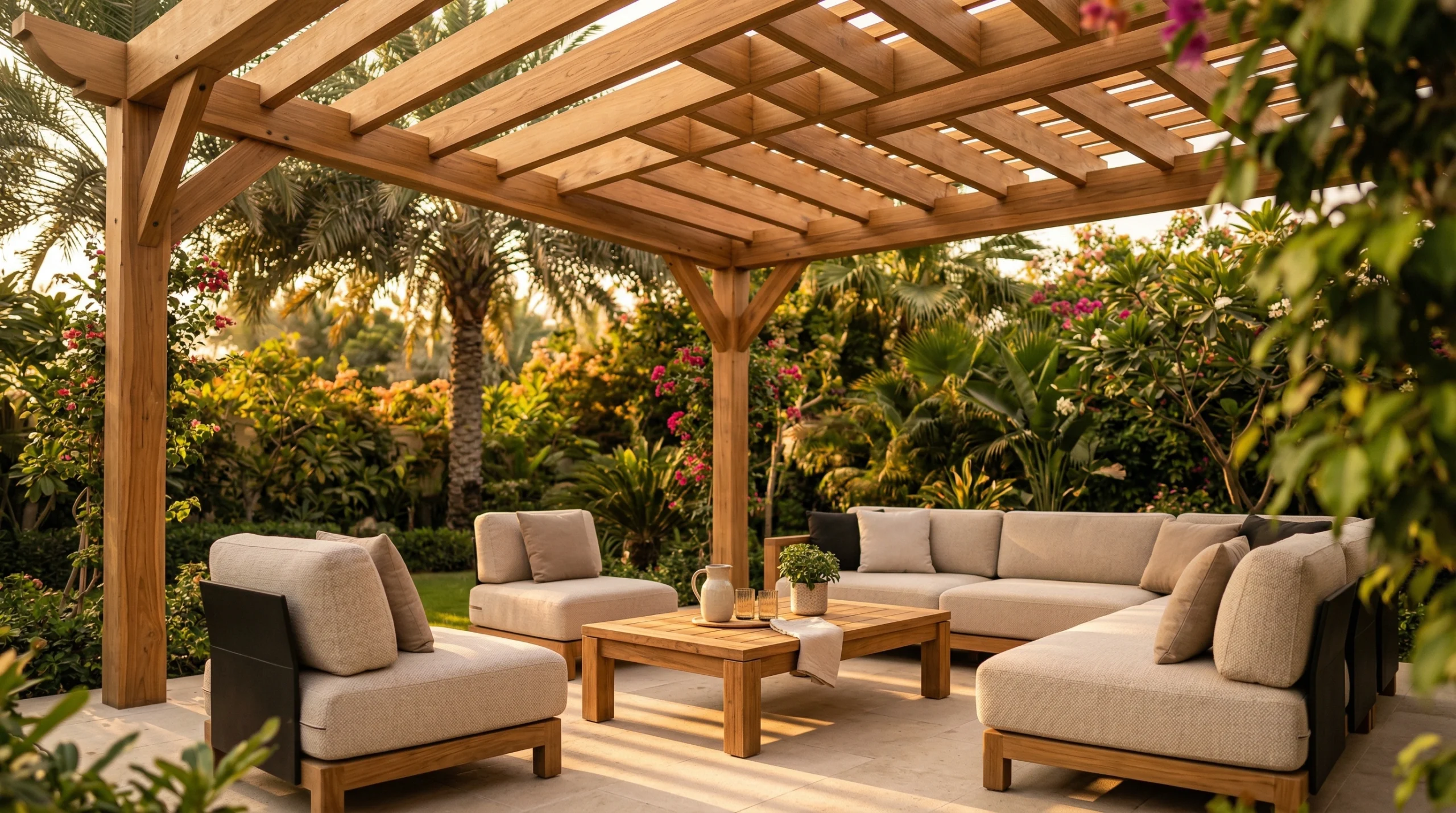
A professionally designed pergola Dubai solution transforms any outdoor space into a comfortable and stylish extension of your property. Whether you want a shaded garden retreat, an elegant poolside lounge, or an inviting outdoor dining area, a custom pergola adds beauty, functionality, and long-term value. At Karnak Carpentry, we design and build premium pergolas that allow you to enjoy outdoor living throughout every season.
Dubai’s climate demands outdoor structures that provide reliable shade while maintaining excellent airflow. Our experienced team creates bespoke pergolas that reduce direct sunlight, improve comfort, and enhance your property’s architectural appeal. Every project reflects your preferences, complements your landscape, and delivers exceptional durability.
As trusted pergola contractors in Dubai, we work closely with homeowners, villa owners, developers, restaurants, hotels, and commercial property managers to deliver outdoor solutions that combine luxury with practical performance. From compact residential patios to large hospitality venues, every pergola receives the same attention to detail and craftsmanship.
Custom Pergolas Designed for UAE Weather
The UAE’s extreme heat, strong UV exposure, humidity, and occasional sandstorms require outdoor structures that can withstand demanding conditions. As a leading pergola manufacturer Dubai clients trust, Karnak Carpentry builds every pergola using premium materials that perform exceptionally in the local climate.
Our custom pergola design Dubai services begin with a detailed consultation to understand your property’s layout, architectural style, and functional requirements. We then recommend materials that offer maximum durability and minimal maintenance. Whether you choose natural timber, aluminum, or a premium WPC pergola Dubai solution, every installation delivers long-lasting performance and visual appeal.
Many clients prefer WPC pergola Dubai systems because they combine the natural appearance of wood with outstanding resistance to moisture, insects, fading, and warping. Others choose elegant hardwood pergolas for their timeless beauty or modern aluminum systems for sleek contemporary aesthetics.
For luxury outdoor living, we also install automated pergola in Dubai solutions that feature motorized louvered roofs, integrated lighting, and weather-responsive controls. These intelligent systems allow you to adjust sunlight and ventilation with the touch of a button, creating the perfect outdoor environment at any time of day.
As one of the most experienced pergola manufacturers in Dubai, we ensure every structure meets strict quality standards while maintaining attractive finishes that enhance villas, gardens, terraces, rooftops, restaurants, and commercial developments across the UAE.
Residential and Commercial Pergola Solutions
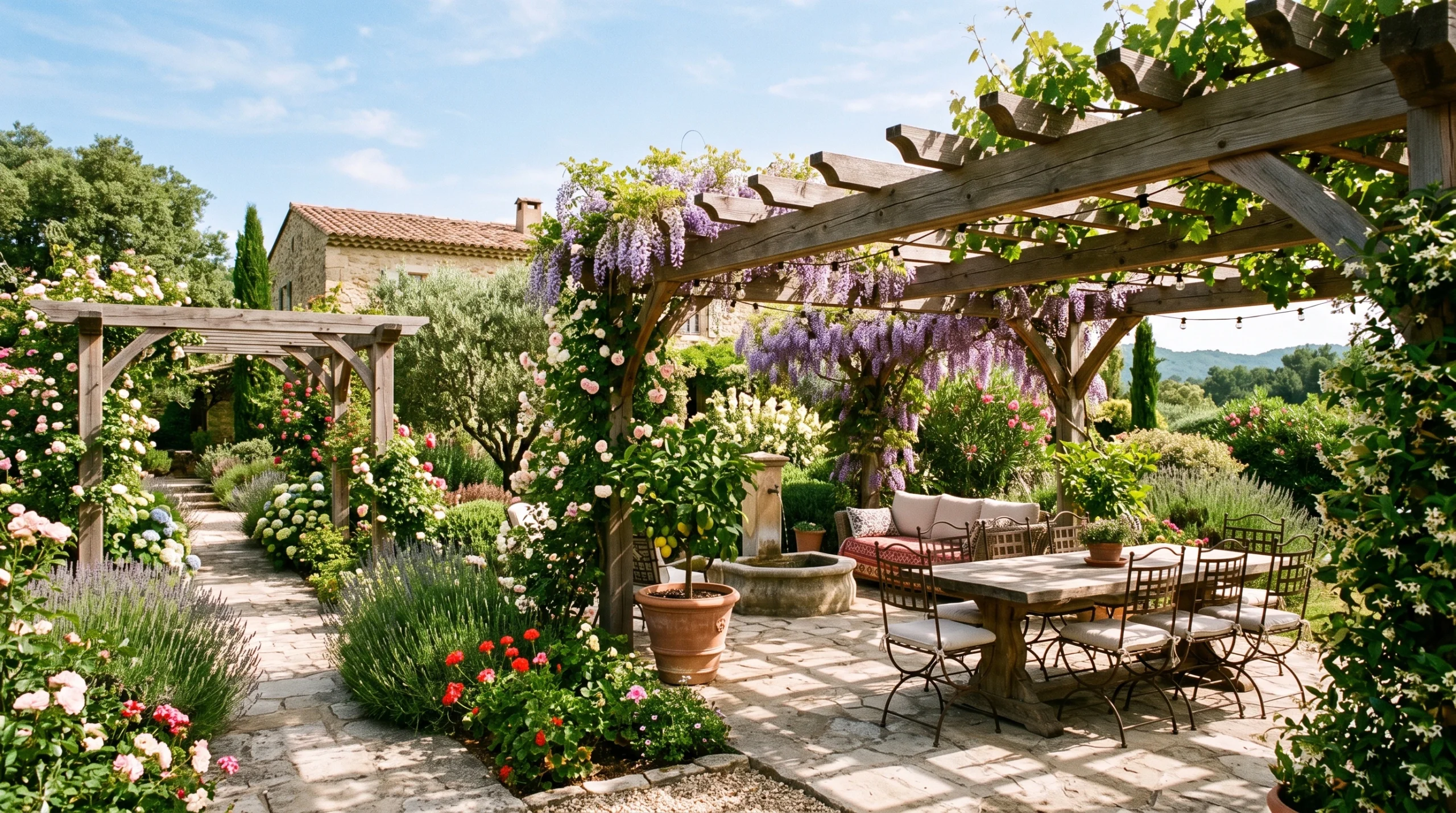
Karnak Carpentry delivers tailored pergola solutions for both residential and commercial properties. Every project begins with careful planning and ends with professional installation that reflects our commitment to superior craftsmanship.
For residential properties, our custom pergolas create elegant outdoor spaces for entertaining, relaxing, family gatherings, and poolside living. Villa owners frequently choose our pergola design Dubai services to increase outdoor usability while improving property value and curb appeal.
Commercial clients rely on our expertise to create welcoming outdoor environments that attract customers and maximize seating capacity. Restaurants, cafés, hotels, resorts, schools, retail developments, and office buildings all benefit from professionally designed pergolas that combine style with functionality.
As experienced pergola contractors in Dubai, we manage every stage of the project, including site inspection, custom design, manufacturing, installation, and final quality checks. Our team focuses on precision, efficient project delivery, and lasting performance to ensure complete customer satisfaction.
If you are searching for the best pergola design company Dubai property owners recommend, Karnak Carpentry offers complete turnkey solutions backed by more than 35 years of carpentry expertise. We provide transparent guidance on pergola price Dubai, helping you choose the ideal design, material, and features that fit your budget without compromising quality. Every pergola we build reflects exceptional craftsmanship, premium materials, and a commitment to creating outdoor spaces that remain beautiful for years to come.
Why Choose Karnak Carpentry for Pergola Dubai Projects?
Choosing the right company makes a significant difference in the appearance, durability, and long-term performance of your outdoor structure. Karnak Carpentry combines decades of carpentry expertise with modern manufacturing techniques to deliver premium pergola Dubai solutions that exceed customer expectations. We focus on quality, precision, and customer satisfaction from the initial consultation to the final installation.
Over 35 Years of Carpentry Excellence
For more than 35 years, Karnak Carpentry has delivered custom carpentry and joinery solutions across the UAE. Our extensive experience allows us to design and build outdoor structures that complement every architectural style while performing exceptionally in Dubai’s challenging climate.
Our skilled craftsmen understand how different materials react to heat, humidity, and constant sun exposure. We use this knowledge to recommend the most suitable solution for every client, whether they require a luxury villa pergola, a commercial outdoor seating area, or a modern rooftop installation.
As trusted pergola contractors in Dubai, we have completed projects for homeowners, developers, hotels, restaurants, retail spaces, and commercial properties. Every project reflects our dedication to precision, safety, and long-lasting quality.
Premium Materials and Superior Craftsmanship
The quality of a pergola depends on the materials and workmanship behind it. As an experienced pergola manufacturer Dubai clients rely on, we source premium materials that provide exceptional strength, durability, and visual appeal.
We offer a wide selection of materials, including premium hardwood, engineered timber, powder-coated aluminum, and WPC pergola Dubai systems. Each option offers unique advantages, allowing clients to choose a solution that matches their style, maintenance preferences, and budget.
Every component undergoes careful fabrication before installation. Our craftsmen pay close attention to structural integrity, precise measurements, clean finishes, and seamless detailing. This commitment to quality allows us to stand among the leading pergola manufacturers in Dubai.
Whether you select a classic wooden pergola, a contemporary aluminum structure, or an elegant automated pergola in Dubai, you receive a product built to perform for years while maintaining its appearance.
Professional Design, Manufacturing, and Installation
A successful pergola project requires more than quality materials. It requires careful planning, expert engineering, and flawless execution. Karnak Carpentry manages every stage of your project under one roof to ensure consistent quality and smooth project delivery.
Our pergola design Dubai process begins with a detailed site inspection and consultation. We evaluate your outdoor space, discuss your design preferences, and recommend practical solutions that maximize both functionality and aesthetics.
After finalizing the design, our manufacturing team fabricates every component with precision using advanced woodworking and fabrication equipment. We maintain strict quality standards throughout production to ensure every pergola fits perfectly during installation.
Our professional installers complete every project efficiently while maintaining a clean and safe work environment. Whether you require a garden pergola, poolside structure, rooftop installation, or an automated pergola in Dubai with motorized louvers, our experienced team delivers outstanding results from start to finish.
Fast Project Delivery Across All Emirates
We understand that every project follows a schedule. Our streamlined design, manufacturing, and installation process allows us to complete projects efficiently without compromising quality.
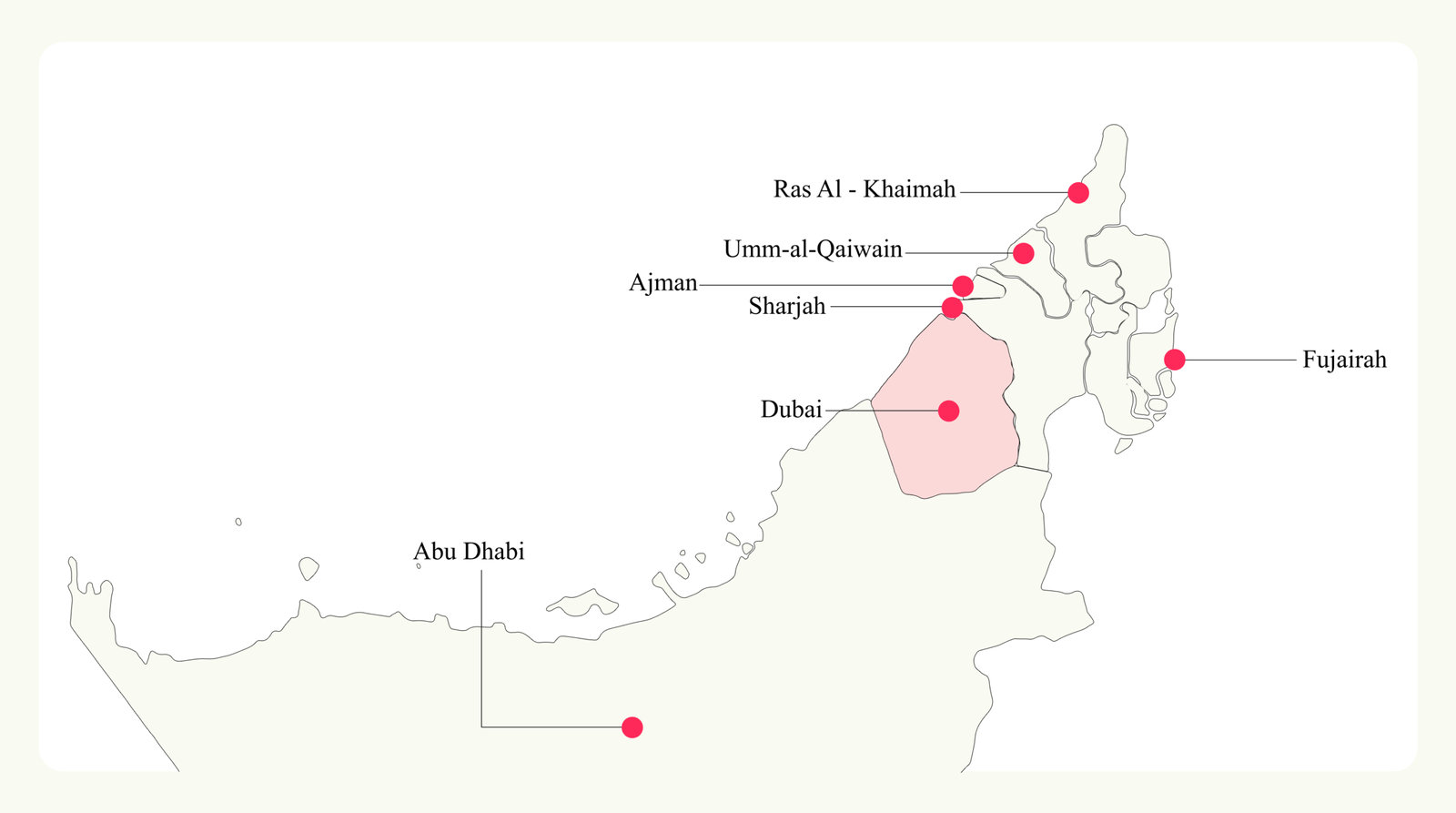
Karnak Carpentry proudly serves clients throughout Dubai, Abu Dhabi, Sharjah, Ajman, Ras Al Khaimah, Fujairah, and Umm Al Quwain. Our experienced project managers coordinate every stage of production to ensure timely completion and professional installation.
As dependable pergola contractors in Dubai, we provide clear communication, transparent project timelines, and regular progress updates. We also offer competitive guidance on pergola price Dubai so clients can make informed decisions that align with their investment goals.
Our commitment to quality craftsmanship, responsive customer service, and reliable delivery has earned us a reputation as the best pergola design company Dubai property owners trust for premium outdoor living solutions.
Our Pergola Design Dubai Services
Karnak Carpentry offers complete pergola design Dubai services for residential and commercial properties across the UAE. Every pergola we create reflects your property’s architecture, complements your outdoor lifestyle, and withstands the demanding UAE climate. From traditional timber structures to innovative automated systems, our team designs and manufactures custom solutions that combine elegance, durability, and functionality.
As one of the leading pergola manufacturers in Dubai, we tailor every project to your specific requirements instead of relying on standard designs. Whether you need a compact garden pergola, a luxury poolside retreat, a rooftop entertainment area, or a large commercial outdoor seating structure, our specialists deliver a solution that enhances your property’s value and outdoor experience. We also provide expert recommendations on materials, finishes, automation options, and pergola price Dubai to help you select the ideal structure for your budget and long-term needs.
Wooden Pergolas
Wooden pergolas offer timeless elegance and natural warmth that enhance any outdoor space. Our craftsmen design and build custom wooden pergolas that complement villas, gardens, courtyards, and luxury residential properties throughout the UAE. We use premium hardwood and high-quality treated timber to ensure exceptional strength, stability, and long-term performance in Dubai’s climate.
Every wooden pergola reflects your preferred architectural style, whether you want a modern minimalist design or a classic outdoor feature. As experienced pergola contractors in Dubai, we customize the size, finish, roof style, and decorative elements to create a structure that perfectly matches your property. If you want a natural outdoor living space with lasting beauty, our pergola design Dubai service delivers outstanding results.
WPC Pergolas
A WPC pergola Dubai solution combines the elegant appearance of natural wood with the durability of advanced composite materials. Wood Plastic Composite resists moisture, fading, termites, cracking, and warping, making it one of the most practical choices for outdoor structures in the UAE.
Many homeowners and commercial property owners choose WPC because it requires minimal maintenance while maintaining its appearance for years. You can enjoy the warmth of wood without regular painting, staining, or sealing.
As a trusted pergola manufacturer Dubai clients recommend, we manufacture custom WPC pergolas in various colors, textures, and styles to complement modern villas, hotels, restaurants, cafés, and commercial developments. Among all pergola manufacturers in Dubai, Karnak Carpentry focuses on delivering premium WPC solutions that combine aesthetics with exceptional durability.
Aluminium Pergolas
Aluminium pergolas provide a sleek, contemporary appearance while delivering excellent structural strength. Their lightweight construction, corrosion resistance, and low maintenance requirements make them ideal for residential and commercial outdoor spaces across Dubai.
Our custom aluminium pergolas suit modern villas, rooftop terraces, luxury apartments, office buildings, restaurants, and hospitality venues. Powder-coated finishes protect the structure from UV exposure and harsh weather while maintaining a clean, elegant appearance for years.
As experienced pergola contractors in Dubai, we design aluminium pergolas in various configurations, colors, and roof styles to match your property’s architecture. Our pergola design Dubai specialists ensure every installation combines modern aesthetics with outstanding performance.
Automated Pergolas
An automated pergola in Dubai offers the perfect combination of luxury, technology, and outdoor comfort. Motorized louvered roofs allow you to control sunlight, ventilation, and shade with the touch of a button. You can easily adapt your outdoor space to changing weather conditions throughout the day.
Our automated systems include advanced features such as remote controls, weather sensors, integrated LED lighting, rain protection, and smart home compatibility. These innovative pergolas create comfortable outdoor environments for entertaining, dining, relaxing, and commercial hospitality spaces.
As a leading pergola manufacturer Dubai property owners trust, we design and install fully customized automated pergolas that blend seamlessly with modern architecture while delivering maximum convenience and long-lasting reliability.
Freestanding Pergolas
Freestanding pergolas create flexible outdoor living spaces independent of existing buildings. They work perfectly in gardens, pool areas, landscaped lawns, courtyards, and large outdoor entertainment spaces where you want a dedicated shaded area.
Our design team customizes every freestanding pergola according to your property’s dimensions, landscaping, and intended use. Whether you plan to create an outdoor lounge, dining area, barbecue space, or garden retreat, our pergola design Dubai experts deliver a solution that enhances both functionality and visual appeal.
As one of the trusted pergola manufacturers in Dubai, we ensure every freestanding structure offers excellent stability, premium finishes, and outstanding durability.
Attached Pergolas
Attached pergolas connect directly to your home or commercial building, creating a seamless transition between indoor and outdoor living areas. They extend usable space while improving comfort, shade, and architectural appeal.
These pergolas work exceptionally well over patios, balconies, terraces, outdoor kitchens, cafés, and restaurant seating areas. Our team carefully designs every structure to integrate perfectly with your property’s existing architecture and façade.
As professional pergola contractors in Dubai, we ensure every attached pergola provides excellent structural support, weather resistance, and long-term performance. We also help clients compare pergola price Dubai options based on size, materials, and additional features.
Rooftop and Terrace Pergolas
Unused rooftops and terraces offer enormous potential for luxury outdoor living. Karnak Carpentry transforms these spaces into stylish entertainment areas, private lounges, dining spaces, and relaxing retreats through custom pergola design Dubai services.
Our rooftop pergolas maximize available space while providing shade, privacy, and protection from direct sunlight. We carefully evaluate structural requirements before designing each installation to ensure complete safety and long-lasting performance.
Whether you prefer a wooden pergola, a WPC pergola Dubai installation, or an elegant automated pergola in Dubai, our team delivers a customized solution that enhances your property’s value and outdoor experience.
Poolside and Garden Pergolas
A beautifully designed pergola adds elegance, comfort, and functionality to pool areas and landscaped gardens. These structures create shaded spaces where families and guests can relax, entertain, or enjoy outdoor dining while remaining protected from intense sunlight.
Our custom poolside and garden pergolas include premium finishes, integrated lighting, decorative ceiling options, privacy screens, climbing plant supports, and stylish seating arrangements. Every design reflects your lifestyle while complementing your property’s landscape architecture.
Recognized by many clients as the best pergola design company Dubai has to offer, Karnak Carpentry delivers outdoor structures that combine exceptional craftsmanship, premium materials, and innovative design. From classic timber structures to luxury automated solutions, we create pergolas that enhance every outdoor environment while providing outstanding value and competitive pergola price Dubai options.
WPC Pergola Dubai – The Low-Maintenance Outdoor Solution
A WPC pergola Dubai solution offers the perfect balance between natural aesthetics and modern performance. Wood Plastic Composite combines recycled wood fibers with durable polymers to create a material that withstands demanding outdoor conditions while maintaining the elegant appearance of natural timber. As an experienced pergola manufacturer Dubai property owners trust, Karnak Carpentry designs custom WPC pergolas that require minimal maintenance and deliver exceptional durability.
Benefits of WPC Pergolas
WPC pergolas provide numerous advantages for residential and commercial properties. They resist termites, rot, mold, moisture, and fading without requiring regular painting or staining. Their stable construction minimizes cracking, splitting, and warping, allowing the pergola to maintain its appearance for many years.
As leading pergola manufacturers in Dubai, we manufacture WPC pergolas in various colors, textures, and finishes to complement modern villas, hotels, restaurants, offices, and landscaped gardens. These pergolas provide excellent shade while creating stylish outdoor living spaces that increase property value.
Why WPC Performs Better in UAE Conditions
Dubai’s harsh climate demands materials that tolerate intense sunlight, humidity, and high temperatures. A WPC pergola Dubai installation performs exceptionally well because the material remains stable under constant UV exposure and changing weather conditions.
Unlike untreated wood, WPC absorbs very little moisture and does not support insect activity. This combination significantly reduces maintenance costs while extending the pergola’s lifespan. Our pergola design Dubai specialists carefully engineer every WPC structure to provide reliable performance throughout the year.
Ideal Applications
WPC pergolas suit a wide variety of outdoor environments. They enhance villa gardens, swimming pool areas, rooftop terraces, outdoor kitchens, cafés, restaurants, resorts, commercial courtyards, and landscaped public spaces. Their clean appearance and long-lasting durability make them one of the most popular choices among clients looking for premium outdoor solutions from trusted pergola contractors in Dubai.
Automated Pergola in Dubai – Smart Outdoor Comfort
An automated pergola in Dubai transforms outdoor living through intelligent technology and luxurious comfort. These advanced systems allow you to control sunlight, airflow, and weather protection with effortless precision. Karnak Carpentry designs and installs custom automated pergolas that combine modern engineering with elegant architectural design.
Motorized Roof Systems
Motorized louvered roof systems provide complete flexibility throughout the day. You can open the louvers to enjoy natural sunlight and fresh air or close them to create instant shade and rain protection.
Our automated pergola in Dubai solutions operate smoothly through remote controls, wall switches, or smart home systems. Every installation delivers convenience while enhancing the appearance and functionality of your outdoor space.
Weather Sensors and Smart Controls
Advanced weather sensors automatically respond to changing environmental conditions. Rain sensors close the roof during unexpected showers, while wind sensors protect the structure during strong winds. Smart controls allow you to manage your pergola from a mobile device, creating a seamless outdoor experience.
As a reliable pergola manufacturer Dubai clients recommend, we integrate the latest automation technology into every system while maintaining outstanding reliability and long-term performance.
Luxury Outdoor Living Experience
Luxury outdoor spaces require more than shade. They require comfort, convenience, and elegant design. Our automated pergolas include integrated LED lighting, concealed drainage systems, ceiling fans, privacy screens, heating options, and premium finishes that elevate outdoor entertaining.
Whether you own a luxury villa, rooftop lounge, hotel terrace, or restaurant, our pergola design Dubai specialists create customized solutions that maximize comfort throughout every season.
Pergola Design Dubai – Fully Customized for Your Property
Every property deserves a pergola that reflects its unique character. Karnak Carpentry provides fully customized pergola design Dubai services that combine creativity, functionality, and structural excellence. Our experienced designers collaborate with every client to develop outdoor structures that perfectly match their lifestyle and architectural style.
Modern Pergola Designs
Modern pergolas feature clean lines, minimalist structures, and sophisticated finishes. Aluminium frames, slim profiles, integrated lighting, and contemporary roofing systems create elegant outdoor spaces for modern villas, apartments, and commercial developments.
Classic Wooden Styles
Traditional wooden pergolas remain a timeless favorite for homeowners who appreciate natural beauty. Rich timber textures, decorative beams, and handcrafted finishes create warm, inviting outdoor environments that complement gardens and luxury villas.
Contemporary Luxury Concepts
Luxury pergolas incorporate premium materials, automation, custom seating, decorative ceilings, privacy panels, and architectural lighting. As experienced pergola contractors in Dubai, we transform ordinary outdoor spaces into exclusive lifestyle destinations.
Color, Lighting, and Accessories
Customization extends beyond structure alone. Clients can select from various colors, wood finishes, decorative elements, integrated LED lighting, ceiling fans, retractable screens, planters, glass panels, and outdoor entertainment features. These finishing touches create a pergola that reflects your personal style while increasing functionality.
Pergola Applications
Our custom pergolas enhance residential, commercial, hospitality, and public properties throughout the UAE. As one of the trusted pergola manufacturers in Dubai, Karnak Carpentry designs solutions that suit every environment.
Villas
Luxury villa pergolas create elegant outdoor lounges, family entertainment areas, poolside retreats, and shaded gardens that increase both comfort and property value.
Apartments and Terraces
Apartment balconies and rooftop terraces become stylish outdoor living areas with compact custom pergolas that maximize usable space without overwhelming the surrounding architecture.
Restaurants and Cafés
Restaurants and cafés expand comfortable outdoor seating through professionally designed pergolas that attract guests while protecting them from direct sunlight.
Hotels and Resorts
Hotels and resorts create luxurious outdoor experiences with premium pergolas around swimming pools, restaurants, lounges, gardens, and event spaces.
Commercial Buildings
Office buildings, retail developments, shopping centers, and corporate campuses use pergolas to improve employee comfort, visitor experience, and architectural appeal.
Schools and Community Spaces
Educational institutions, parks, recreational facilities, and public gathering spaces benefit from shaded outdoor seating areas that encourage relaxation, learning, and community interaction.
Pergola Manufacturer Dubai – From Concept to Installation
As a full-service pergola manufacturer Dubai property owners trust, Karnak Carpentry manages every stage of your project with precision and professionalism.
Site Inspection
Our specialists conduct a detailed site assessment to evaluate available space, structural requirements, sunlight exposure, accessibility, and project objectives.
3D Design Consultation
We develop realistic 3D visualizations that allow clients to review layouts, dimensions, materials, colors, and design details before manufacturing begins.
Material Selection
Our experts help clients choose between premium hardwood, aluminium, and WPC pergola Dubai systems based on durability, aesthetics, maintenance, and budget.
Precision Manufacturing
Our experienced craftsmen manufacture every pergola using advanced equipment, strict quality standards, and premium materials to ensure exceptional structural performance.
Professional Installation
Our installation specialists complete every project efficiently while maintaining safety, cleanliness, and outstanding workmanship throughout the installation process.
Final Quality Inspection
Before project completion, we conduct comprehensive inspections to verify structural integrity, finish quality, operational performance, and complete customer satisfaction.
Why Our Pergolas Last Longer in UAE Weather
Every pergola we build reflects decades of carpentry expertise and careful material selection. We engineer every structure specifically for the UAE climate to ensure lasting beauty and dependable performance.
UV Resistance
Premium finishes and protective coatings shield every pergola from intense UV exposure, helping maintain color, strength, and appearance for years.
Moisture Protection
Our carefully selected materials resist humidity, moisture absorption, mold, and fungal growth, making them ideal for outdoor use throughout the UAE.
Heat Resistance
Every pergola design Dubai project considers thermal expansion, structural stability, and material performance under extreme temperatures to maintain long-term durability.
Premium Hardware and Finishes
We install corrosion-resistant fasteners, stainless steel hardware, premium coatings, and durable accessories that contribute to exceptional structural reliability and elegant finishes.
Pergola Price Dubai – What Affects the Cost?
Several factors influence pergola price Dubai. Understanding these elements helps you select a solution that matches both your vision and investment.
Size
Larger pergolas require additional materials, engineering, and installation time, increasing the overall project cost.
Material Choice
Natural timber, aluminium, and WPC pergola Dubai systems each offer different pricing levels based on durability, appearance, and maintenance requirements.
Roofing System
Fixed roofs, open-beam designs, retractable canopies, insulated panels, and motorized louvers affect project complexity and overall cost.
Automation Features
An automated pergola in Dubai with remote controls, weather sensors, smart integration, and motorized louvers requires additional technology and installation expertise.
Lighting and Accessories
Integrated lighting, ceiling fans, drainage systems, privacy screens, decorative panels, and outdoor entertainment features increase customization while enhancing comfort.
Installation Complexity
Project location, accessibility, structural preparation, foundation requirements, and utility integration also influence pergola price Dubai.
Why We Are Considered the Best Pergola Design Company Dubai
Karnak Carpentry combines decades of experience with premium craftsmanship to deliver exceptional outdoor structures for every client.
Custom Designs Instead of Standard Kits
Every pergola receives a unique design tailored to your property, lifestyle, and architectural preferences rather than relying on mass-produced solutions.
Experienced Installation Teams
Our highly trained installers complete every project with precision, efficiency, and strict quality standards, ensuring long-lasting structural performance.
Transparent Pricing
We provide detailed quotations with clear cost breakdowns, allowing clients to understand every aspect of their investment without hidden charges.
Excellent Customer Support
Our dedicated project managers maintain open communication throughout design, manufacturing, installation, and project completion to ensure a smooth customer experience.
Warranty and After-Sales Service
Our commitment continues after installation. We provide dependable after-sales support and warranty coverage that gives clients complete confidence in their investment. This dedication has helped establish Karnak Carpentry as the best pergola design company Dubai homeowners and businesses consistently recommend.
Areas We Serve Across the UAE
Karnak Carpentry proudly delivers premium pergola Dubai solutions and professional installation services across all seven Emirates. Our experienced teams complete residential and commercial projects with the same commitment to quality, craftsmanship, and timely delivery regardless of project size.
Dubai
We design and install custom pergolas for villas, apartments, restaurants, hotels, offices, and commercial developments throughout Dubai.
Abu Dhabi
Our specialists provide complete pergola design, manufacturing, and installation services for residential and commercial clients across Abu Dhabi.
Sharjah
Homeowners, developers, and businesses throughout Sharjah rely on our experienced pergola contractors in Dubai for premium outdoor living solutions.
Ajman
We deliver custom pergolas that combine elegant design, durable materials, and professional installation throughout Ajman.
Ras Al Khaimah
Our team creates high-quality pergolas for luxury villas, hospitality projects, commercial properties, and outdoor entertainment spaces across Ras Al Khaimah.
Fujairah
We manufacture and install weather-resistant pergolas that perform exceptionally well in Fujairah’s coastal environment while maintaining long-lasting beauty.
Umm Al Quwain
Clients throughout Umm Al Quwain benefit from our complete design, manufacturing, and installation services, supported by the craftsmanship and reliability that define Karnak Carpentry as one of the leading pergola manufacturers in Dubai.