Custom Dining Cabinets Dubai: Handcrafted Storage Solutions for UAE Homes
Transform your dining space with bespoke cabinets built for Dubai’s climate and your exact specifications. Since 1988, we’ve created over 2,400 custom dining storage solutions across the Emirates.
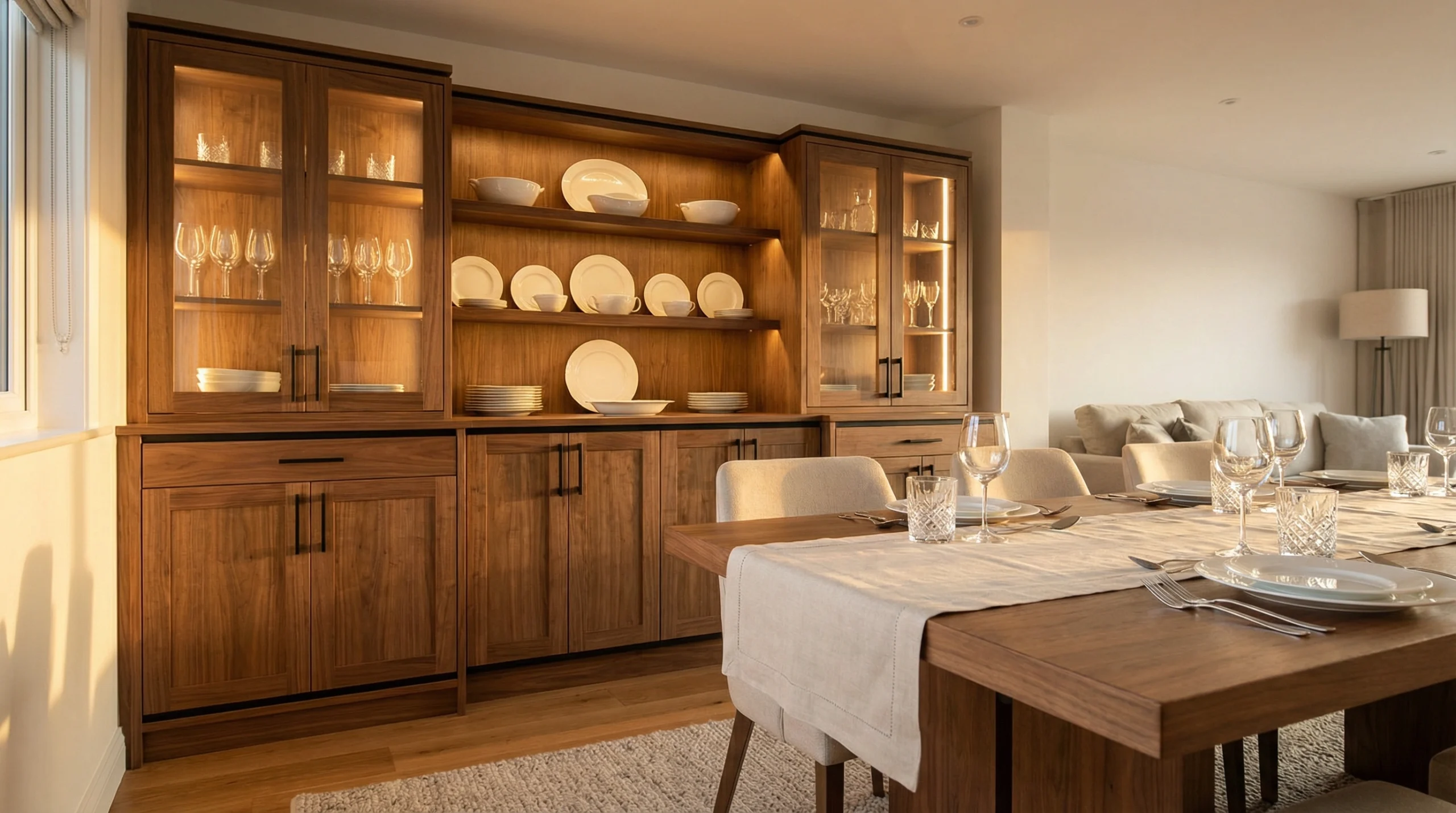
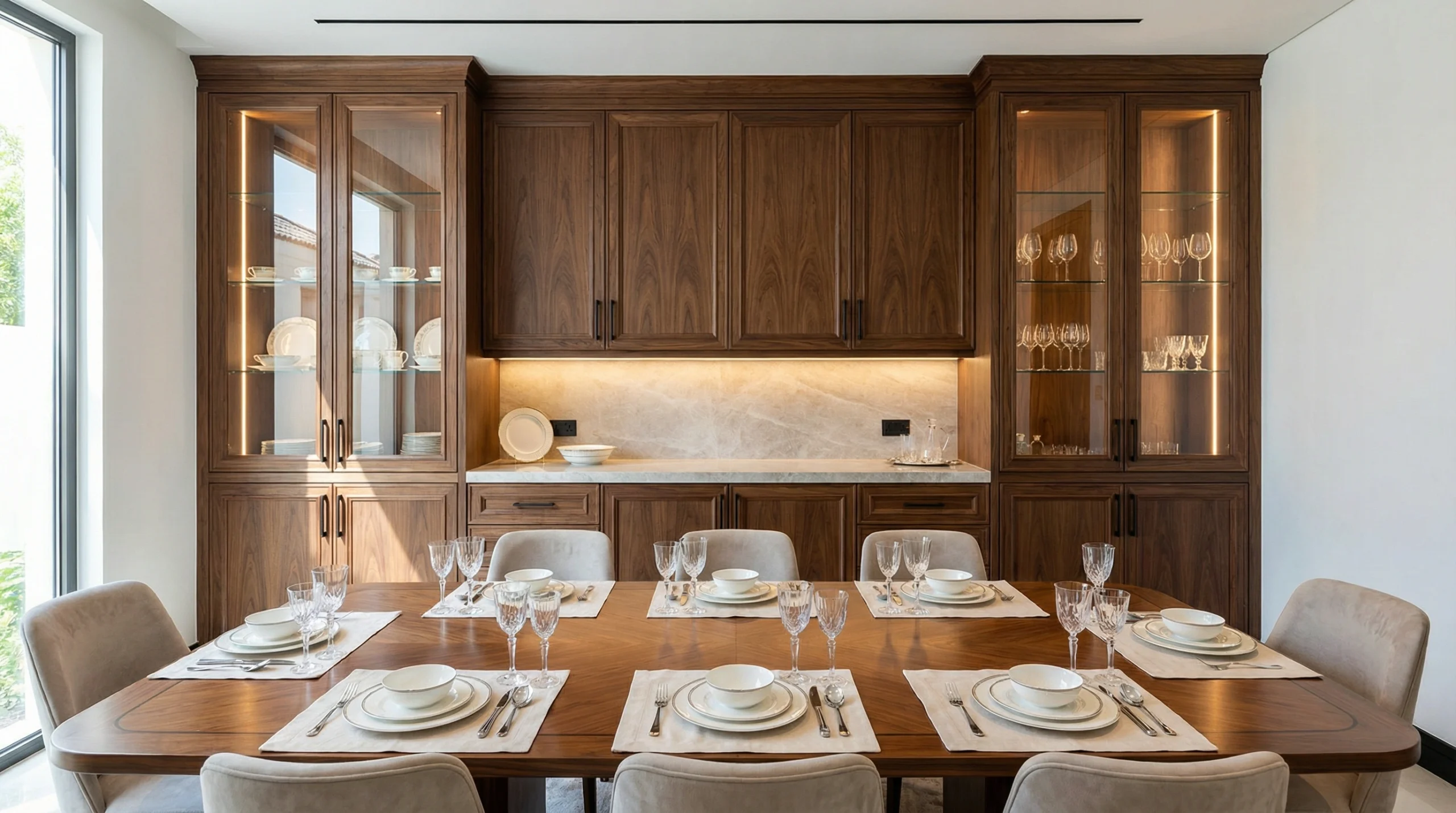
Your dining space deserves more than generic furniture. Dining cabinets Dubai homeowners commission from Karnak become focal points—handcrafted storage that holds your cherished pieces while elevating every meal and gathering. We build each cabinet to your exact dimensions, style preferences, and storage requirements, using materials proven to withstand UAE humidity and temperature fluctuations.
Dubai’s climate demands specialized finishing techniques and material selection that off-the-shelf imports simply don’t provide. Coastal moisture causes standard cabinets to warp within eighteen months. Temperature swings between air-conditioned interiors and outdoor heat create expansion issues that crack joints and misalign doors. We’ve spent thirty-five years solving these specific challenges.
Since 1988, Karnak has completed over 10,000 carpentry projects throughout the UAE. Our workshop in Dubai produces dining cabinets for villas in Emirates Hills, apartments in Dubai Marina, heritage homes in Jumeirah, and palaces in Abu Dhabi. Every piece carries our three-decade reputation.
Understanding Custom Dining Cabinet Solutions for UAE Properties
Dining cabinets serve multiple functions in UAE homes. They store everyday crockery and glassware, display treasured pieces passed through generations, organize serving items for regular entertaining, and define the visual character of your dining area. The right cabinet system transforms a functional necessity into an architectural feature.
Storage Requirements Analysis
Your dining cabinet needs depend on how you use the space. Families with young children require durable closed storage for daily dishes, while serious entertainers need extensive glassware organization and serving piece accessibility. Collectors of fine china or crystal want display sections with museum-quality lighting and security. Heritage families preserving heirloom pieces need climate-controlled compartments that prevent tarnish and deterioration.
We begin every project by documenting your complete inventory. How many place settings do you store? What’s your largest serving platter dimension? Do you collect specific items—tea sets, crystal decanters, traditional coffee service? Which pieces display and which hide away? This inventory determines drawer depths, shelf spacing, cabinet heights, and door configurations.
UAE properties present unique spatial constraints. Villas often feature dedicated formal dining rooms with generous wall space, allowing floor-to-ceiling cabinet systems with integrated buffet sections. Apartments typically offer more modest dining areas where space-efficient designs maximize storage within limited footprints. Older Jumeirah properties have architectural details—arched doorways, decorative moldings, specific ceiling heights—that custom cabinets must complement rather than fight against.
Climate-Adapted Material Selection
Dubai’s coastal humidity averages sixty-five percent during summer months, creating constant moisture stress on wood furniture. Standard European oak cabinetry, beautiful in London showrooms, develops joint separation and veneer bubbling within two years of Dubai installation. We select species and engineer construction methods specifically for Emirates conditions.
Solid hardwoods perform differently in UAE environments. American walnut, properly kiln-dried to eight percent moisture content and sealed with marine-grade finishes, remains stable through humidity fluctuations. Teak’s natural oil content resists moisture penetration, making it ideal for coastal properties in JBR or Palm Jumeirah. Quarter-sawn white oak, with its medullary ray figure, provides both visual interest and dimensional stability that flat-sawn boards cannot match.
Engineered materials offer advantages for specific applications. Marine-grade plywood cores, constructed with waterproof adhesives and cross-banded veneers, eliminate the expansion problems solid wood sometimes presents. High-density MDF, sealed completely during fabrication and finished with catalyzed conversion varnish, creates perfectly smooth painted surfaces that remain flat through seasonal changes. We combine materials strategically—solid hardwood face frames and doors with engineered panel construction—delivering aesthetic beauty and structural permanence.
Finishes make the critical difference. Our workshop applies six to eight finish coats over two weeks, with hand-sanding between each application. Catalyzed conversion varnish penetrates wood fibers and cures to a moisture-impermeable film that protects against humidity damage. Rubbed oil finishes on walnut and teak enhance grain patterns while building protective depth. Pre-catalyzed lacquers on painted surfaces create glass-smooth results that resist kitchen moisture and cleaning chemical exposure.
Functional Design Components
Well-designed dining cabinets balance display, concealed storage, and serving functionality. Glass-front upper sections showcase collections while keeping items dust-free. Solid lower cabinets hide everyday items and less attractive necessities. Integrated buffet tops at thirty-six inches provide serving surfaces during gatherings without requiring separate furniture pieces.
Interior organization determines daily usability. Adjustable shelves accommodate items ranging from espresso cups to large platters. Silverware drawers with anti-tarnish lining protect valuable flatware collections. Plate racks with felt-lined dividers prevent chips and scratches while keeping each piece accessible. Wine storage sections, if included, position bottles at optimal angles with climate consideration for UAE temperatures.
Lighting transforms display cabinets from functional storage into showcases. LED strip systems installed along top cabinet interiors wash light downward across displayed items. Puck lights positioned above glass shelves create dramatic highlighting effects. Touch-activated controls built into cabinet frames eliminate visible switches. We wire all systems with transformers rated for UAE electrical specifications and configure lighting temperatures—warm 2700K for traditional displays, neutral 3500K for contemporary crystal.
Hardware selection impacts both aesthetics and longevity. Soft-close European hinges, rated for fifty thousand cycles, prevent door slamming that damages both cabinets and displayed items. Full-extension drawer slides rated for seventy-five pounds allow complete access to rear storage areas. Handles and pulls in brushed nickel, aged bronze, or polished chrome complement your overall design direction while providing comfortable daily operation.
Dining Cabinet Styles for Dubai Interiors
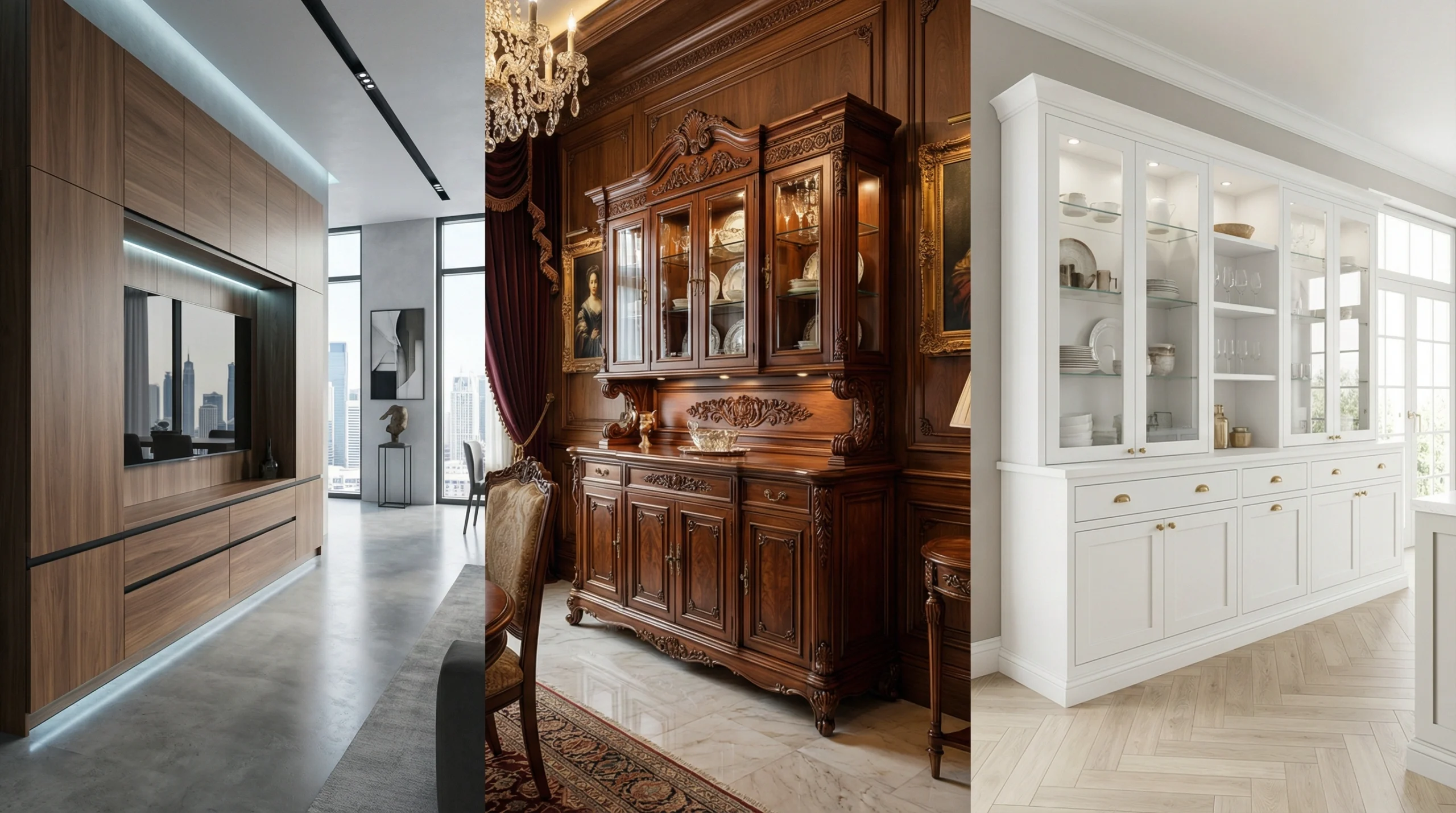
UAE homes reflect diverse design sensibilities—contemporary minimalism, traditional Arabic influences, European classical elegance, transitional blends. Your dining cabinets should harmonize with your property’s architectural character while expressing your personal aesthetic.
Contemporary Minimalist Cabinets
Contemporary dining cabinets emphasize clean lines, handleless door systems, and material honesty. Horizontal grain-matched walnut veneers create visual continuity across multiple cabinet sections. Integrated toe kicks eliminate traditional base moldings for floor-to-ceiling simplicity. Push-to-open mechanisms replace visible hardware entirely.
These designs work particularly well in Business Bay and DIFC apartments where modern architecture dominates. Floor-to-ceiling units in matte lacquer finishes—deep charcoal, warm taupe, crisp white—provide elegant backdrops for displayed collections. Glass sections use frameless tempered panels with polished edges, secured with minimal metal clips that nearly disappear. Internal LED lighting creates ambient glow rather than spotlight drama.
Contemporary doesn’t mean cold. We incorporate warmth through material selection and subtle details. Book-matched walnut veneer panels create butterfly patterns that add organic interest. Open shelving sections in contrasting materials—blackened steel, back-painted glass, natural oak—break up solid cabinet runs. Integrated wine storage with acrylic fronts becomes sculptural elements rather than hidden functions.
Traditional and Classical Designs
Traditional dining cabinets draw from European furniture-making heritage—raised panel doors, decorative moldings, furniture-style bases and crown treatments. These pieces suit Jumeirah villas, Arabian Ranches estates, and properties with classical architectural details. We craft these cabinets with the same joinery techniques used for three centuries, adapted with modern materials and finishes for UAE durability.
Raised panel doors begin as solid hardwood rails and stiles, joined with mortise-and-tenon construction, with shaped center panels captured in decorative profiles. Applied moldings add dimensional interest to otherwise flat surfaces. Furniture feet—turned bun feet, carved bracket feet, tapered legs—lift cabinets off floors with architectural grace. Crown moldings tie upper cabinets to ceiling lines and add visual weight to commanding pieces.
Glass doors in traditional cabinets receive special treatment. Mullion patterns—geometric grids, Gothic arches, fretwork designs—divide glass into smaller panes that feel more residential than commercial. We use true divided lights where possible, with individual glass pieces set into wooden frameworks, rather than applied grids over single panes. Seeded or beveled glass adds vintage character appropriate to heritage properties.
Transitional Flexibility
Most UAE clients gravitate toward transitional designs that blend contemporary simplicity with traditional warmth. Shaker-style door construction—flat panels with simple frames—works in virtually any setting. These cabinets avoid ornate details while maintaining enough character to feel substantial and crafted.
Transitional cabinets mix materials and finishes strategically. Lower cabinets in painted finishes—soft greys, warm creams, classic navy—pair with natural wood upper sections in walnut or oak. Glass uppers maintain traditional proportions but use minimal mullion patterns or frameless construction. Hardware selections favor transitional styles—cup pulls in aged brass, simple knobs in polished nickel, slim bar handles in matte black.
These designs adapt easily to changing tastes. Paint colors refresh without replacing entire cabinet systems. Hardware swaps update appearance without reconstruction. The fundamental proportions and quality joinery remain relevant through evolving design trends, protecting your investment for decades.
Custom Dining Storage Solutions We Create
Every dining space presents different requirements. We design and build complete solutions tailored to how you actually use your dining area, combining multiple storage types into cohesive systems.
Full-Wall Built-In Systems
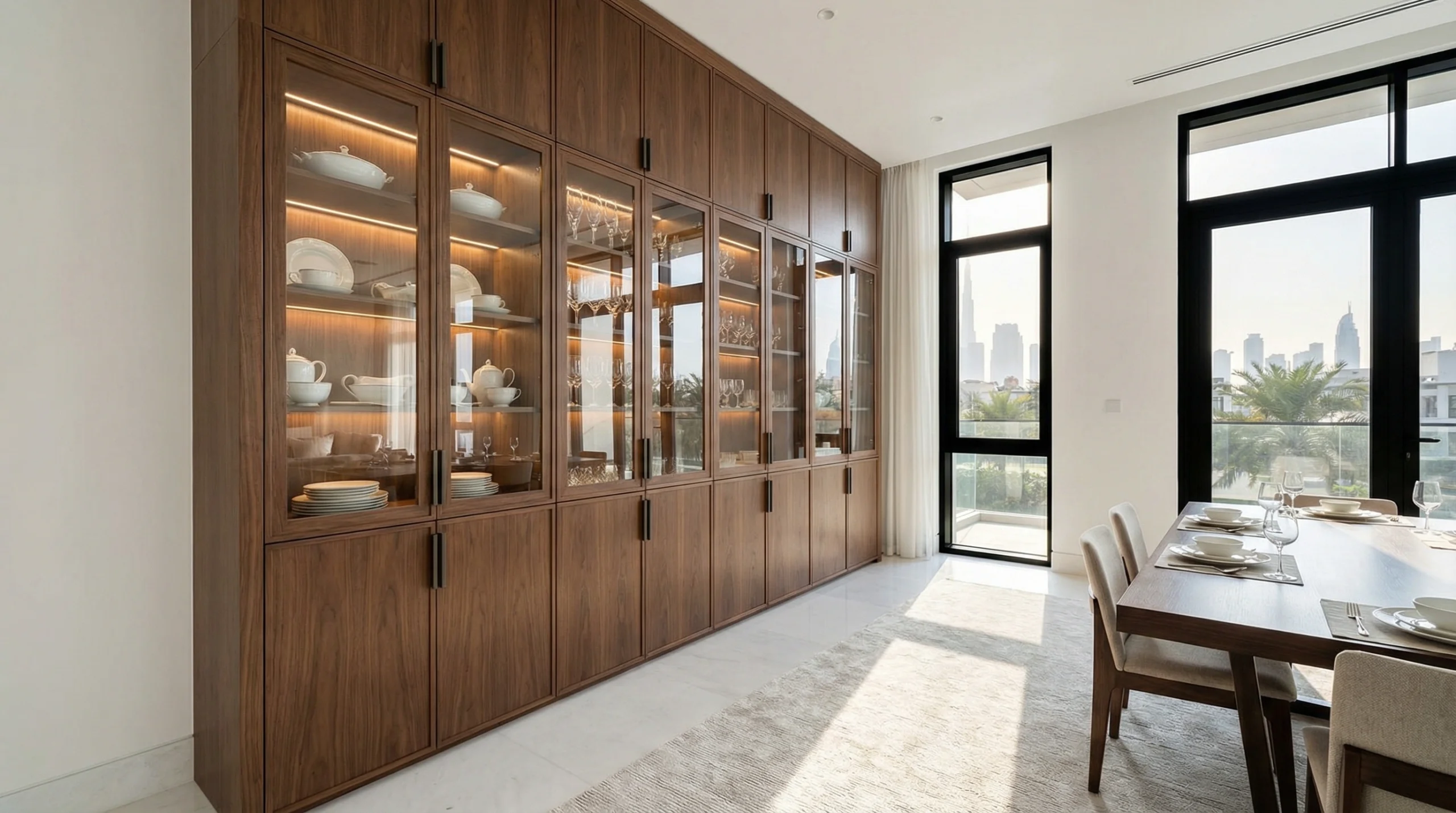
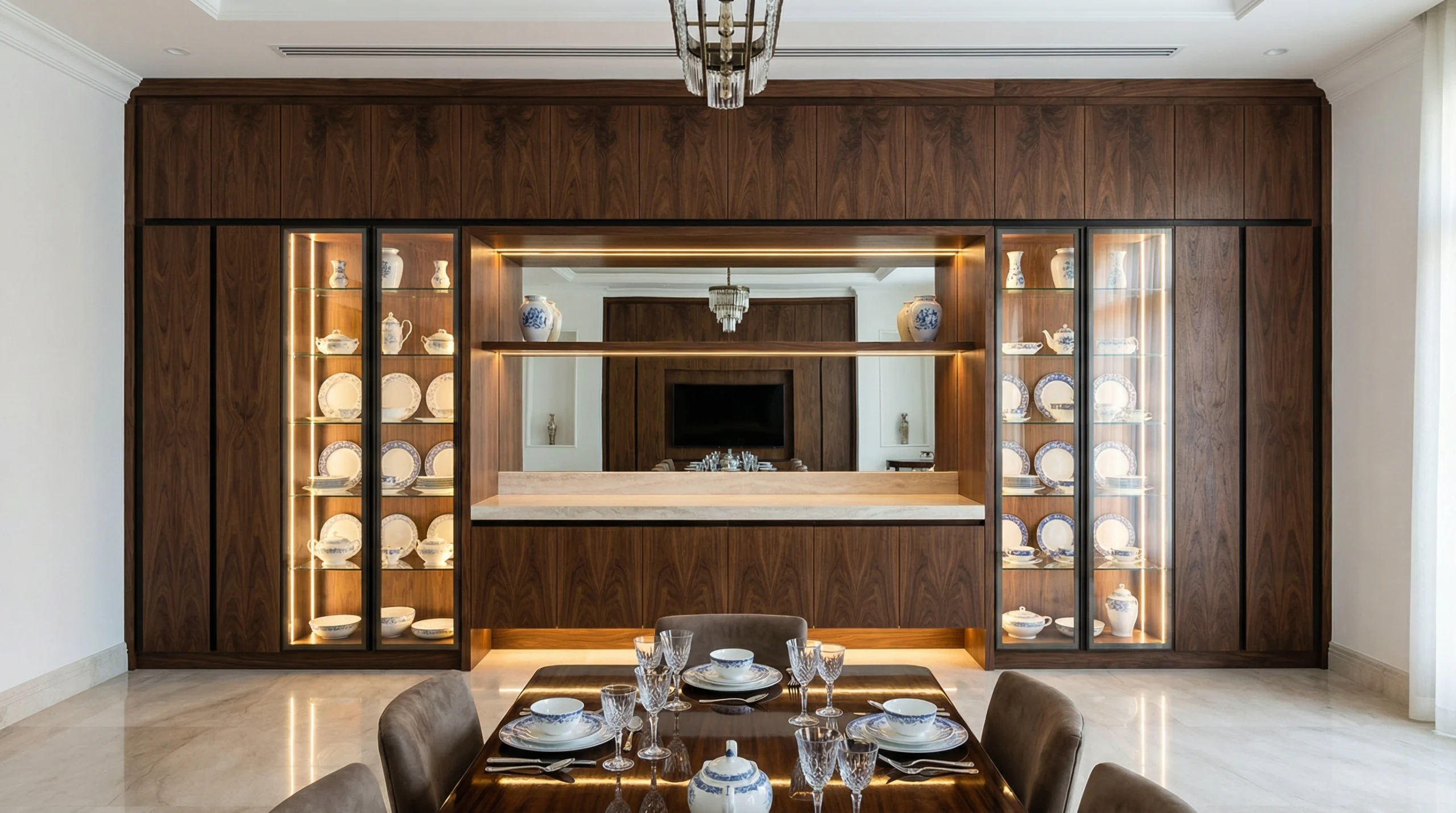
Floor-to-ceiling installations transform entire dining room walls into comprehensive storage. These systems typically span eight to twelve feet, utilizing vertical space from floor to crown molding. Lower sections at thirty-six inches provide buffet serving surfaces. Upper cabinets extend to ceiling, maximizing storage capacity while creating architectural presence.
We design these systems in three distinct zones. Base cabinets, typically twenty-four inches deep, store large serving pieces, table linens, and everyday items. The middle zone, at comfortable standing height, features the most accessible storage—daily dishes, glassware, frequently used serving pieces. Upper cabinets, requiring step stools for access, hold seasonal items, special occasion pieces, and collections displayed rather than used regularly.
Integration with room architecture matters tremendously. We scribe cabinets to existing crown moldings, match baseboard profiles, work around HVAC vents and electrical outlets, and coordinate with window and door casings. The result appears built with the house, not added later. In new construction or major renovations, we coordinate with your architect and builder, ensuring structural blocking exists for secure mounting and electrical rough-in accommodates lighting plans.
Freestanding Buffets and Sideboards
Freestanding pieces offer flexibility for rental properties or clients preferring furniture-style solutions. These cabinets range from five to eight feet wide and stand independently, moving with you through multiple residences. We build them to furniture-quality standards—solid hardwood construction, hand-applied finishes, adjustable feet for uneven floors.
Buffet design balances storage capacity with serving surface area. Base cabinets typically measure eighteen to twenty-four inches deep and thirty-six inches tall, creating comfortable serving height. Interior configurations vary based on your needs—deep drawers for table linens, cabinet sections for serving platters, wine racks, silverware organization. Top surfaces in marble, granite, or solid hardwood provide durable work areas that withstand hot serving dishes and moisture from beverages.
Hutch tops transform buffets into complete systems. These upper sections add display storage without requiring wall mounting. Glass doors showcase collections while keeping items protected. Open shelving sections display art pieces or plants. Integrated lighting illuminates displayed items. The combined buffet-and-hutch provides substantial storage in footprints smaller than built-in systems require.
China Cabinets and Display Units
Dedicated display cabinets showcase collections—fine china, crystal, decorative pieces, family heirlooms. These units prioritize visibility and presentation over concealed storage. We design them with glass on three or four sides, creating views from multiple angles. Mirrored backs amplify light and create depth, making collections appear more substantial.
Interior design requires careful planning. Glass shelves with polished edges allow light to pass through, illuminating items on all levels. Adjustable shelf standards accommodate pieces of varying heights. Plate grooves keep vertical displays stable. Specialized sections—cup hooks, stemware racks, horizontal bottle storage—organize specific collection types. Premium versions include felt-lined shelves that prevent scratching and locking doors for valuable pieces.
Lighting makes display cabinets exceptional. We install LED systems with multiple control zones, allowing you to illuminate specific shelves or collections. Warm color temperatures enhance traditional china patterns and wooden pieces. Neutral temperatures showcase contemporary glass and crystal. Dimming controls adjust intensity for different times of day or occasions.
Corner Solutions and Space Maximization
Dining room corners often become dead space, too awkward for tables or chairs yet too visible to ignore. Custom corner cabinets transform these areas into functional storage. Diagonal front panels create accessible interiors. Lazy Susan systems bring deep corner contents forward. Bi-fold doors eliminate door-swing clearance requirements in tight spaces.
Corner units work particularly well in smaller Dubai apartments where every square meter matters. A well-designed corner cabinet provides storage equivalent to three linear feet of wall space while occupying only two feet along each wall. We coordinate corner units with adjacent straight cabinetry, ensuring consistent door styles, finishes, and hardware create unified appearances.
L-shaped and U-shaped configurations maximize storage in dedicated dining rooms. These layouts surround dining tables with storage access, particularly useful for serious entertainers who need extensive organization. We design them with varying cabinet depths—twenty-four inches where space permits, fifteen inches in tighter areas—maintaining visual consistency while adapting to room geometry.
Integrated Beverage and Service Centers
Serious entertainers benefit from dedicated beverage preparation areas integrated into dining cabinetry. These sections include wine storage, glassware organization, small appliance housing, and sometimes sink installations with plumbing connections. We design them to function as self-contained service stations during gatherings.
Wine storage sections accommodate specific bottle dimensions and quantities. Horizontal racks keep corks moist for proper aging. Diamond-pattern storage showcases bottles as decorative elements. Climate-controlled sections—essentially small wine refrigerators built into cabinetry—maintain optimal temperatures for UAE conditions where ambient room temperatures stress wine collections. Glass-front sections display bottles while protecting from light damage.
Glassware organization requires height accommodation. Stemware racks suspend wine glasses upside down, protecting delicate bowls and saving shelf space. Adjustable shelving adapts to varying glass heights—champagne flutes, wine stems, highball glasses, whiskey tumblers. Dividers prevent glasses from contacting each other during retrieval. Specialty sections organize decanters, pitchers, and serving vessels.
Small appliance garages hide coffee makers, espresso machines, or electric kettles while maintaining accessibility. We build these sections with electrical outlets inside, eliminating visible cords. Appliance lifts raise heavy machines from base cabinets to counter height, eliminating awkward lifting. Breadbox-style tambour doors slide open and close smoothly, disappearing completely when open.
The Karnak Process for Custom Dining Cabinets
Creating exceptional dining cabinets requires systematic processes refined over thirty-five years. Each project follows proven steps that ensure your vision becomes reality while avoiding the problems that plague rushed or inexperienced work.
Step 1: Initial Consultation and Needs Assessment
We begin with comprehensive conversation about how you use your dining space. Do you entertain weekly or host occasional large gatherings? What do you need to store—everyday dishes, fine china collections, extensive glassware, serving pieces? Are family heirlooms part of your requirements? What frustrates you about current storage? These questions guide every subsequent decision.
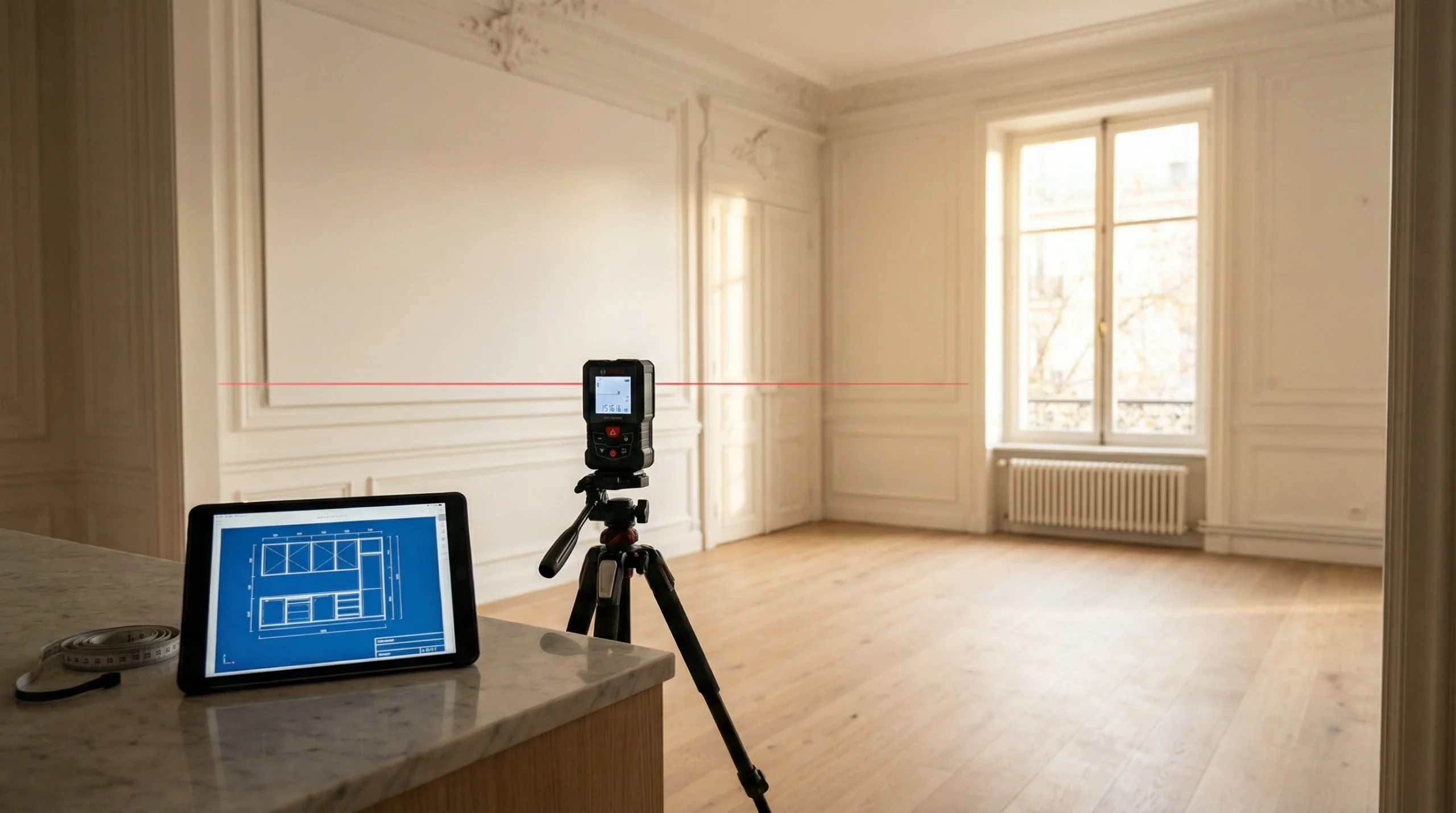
Space documentation comes next. We visit your property for precise measurements, photograph existing conditions, note architectural features that influence design, and identify structural considerations—load-bearing walls, electrical locations, HVAC vents, window and door swings. UAE construction varies significantly between older Jumeirah villas, modern apartment towers, and recently built suburban developments. Understanding your specific building type prevents design problems.
Style exploration establishes aesthetic direction. We show portfolio examples spanning contemporary minimalism through traditional elegance, discussing what appeals and what doesn’t. We review finish samples, hardware options, glass types, and lighting approaches. This conversation reveals your design vocabulary—the specific elements that combine into your perfect cabinet solution. Many clients find photographs helpful but struggle articulating preferences verbally. We guide this process with experience from thousands of similar conversations.
Step 2: Design Development and 3D Visualization
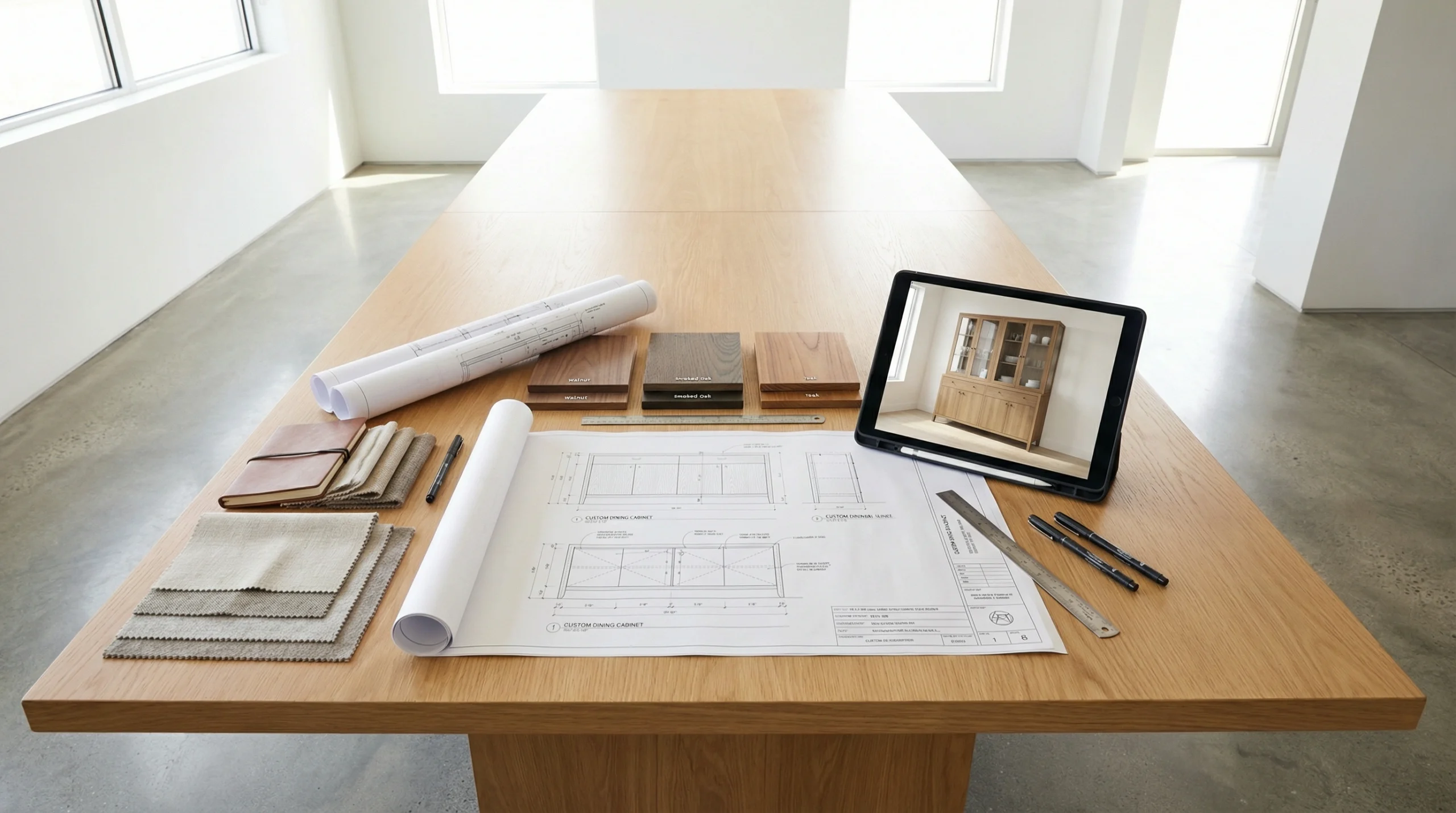
Our design team creates detailed cabinet plans incorporating your specifications and our UAE-specific expertise. Initial drawings show overall cabinet configuration, door styles, finish selections, and hardware locations. We review these together, refining proportions, adjusting storage allocations, and fine-tuning aesthetic elements.
Three-dimensional renderings bring drawings to life. These computer-generated images show exactly how finished cabinets will appear in your space, complete with materials, finishes, lighting effects, and even displayed items. Clients find 3D visualization invaluable for confirming design direction before fabrication begins. Changes on computer cost nothing. Changes during construction cost thousands.
We iterate designs until you’re completely satisfied. Some clients know exactly what they want from the first presentation. Others prefer exploring multiple directions, seeing how different door styles, finish combinations, or configuration alternatives compare. We accommodate both approaches without rushing decisions. Your cabinets will serve you for decades—getting design right matters more than quick project completion.
Material specifications finalize during this phase. We source specific wood species, order custom glass, select precise hardware finishes, and specify lighting components. Our residential carpentry services purchasing relationships with UAE suppliers and international importers ensure material availability and competitive pricing. We show you actual material samples, not just catalog photographs, so you understand exactly what you’re approving.
Step 3: Detailed Shop Drawings and Engineering
Approved designs become construction-ready shop drawings. These technical documents specify every dimension, joinery detail, hardware location, and finish application. Our workshop craftsmen build directly from shop drawings without interpretation or guesswork. Precision at this stage ensures precision in finished work.
Engineering analysis confirms structural integrity. Floor-to-ceiling cabinets weighing hundreds of pounds require proper wall anchoring. We specify attachment methods appropriate to your wall construction—concrete blocks require different hardware than steel-framed gypsum walls. Load calculations ensure shelves support intended weights without sagging. Glass specifications meet safety requirements while achieving desired aesthetics.
Dubai Municipality compliance verification happens during this stage for commercial projects. Restaurant dining areas, hotel private dining rooms, and corporate executive dining facilities require building department approvals. We handle submission documentation, coordinate inspections, and ensure our work meets all applicable building codes and safety regulations.
Step 4: Precision Workshop Fabrication
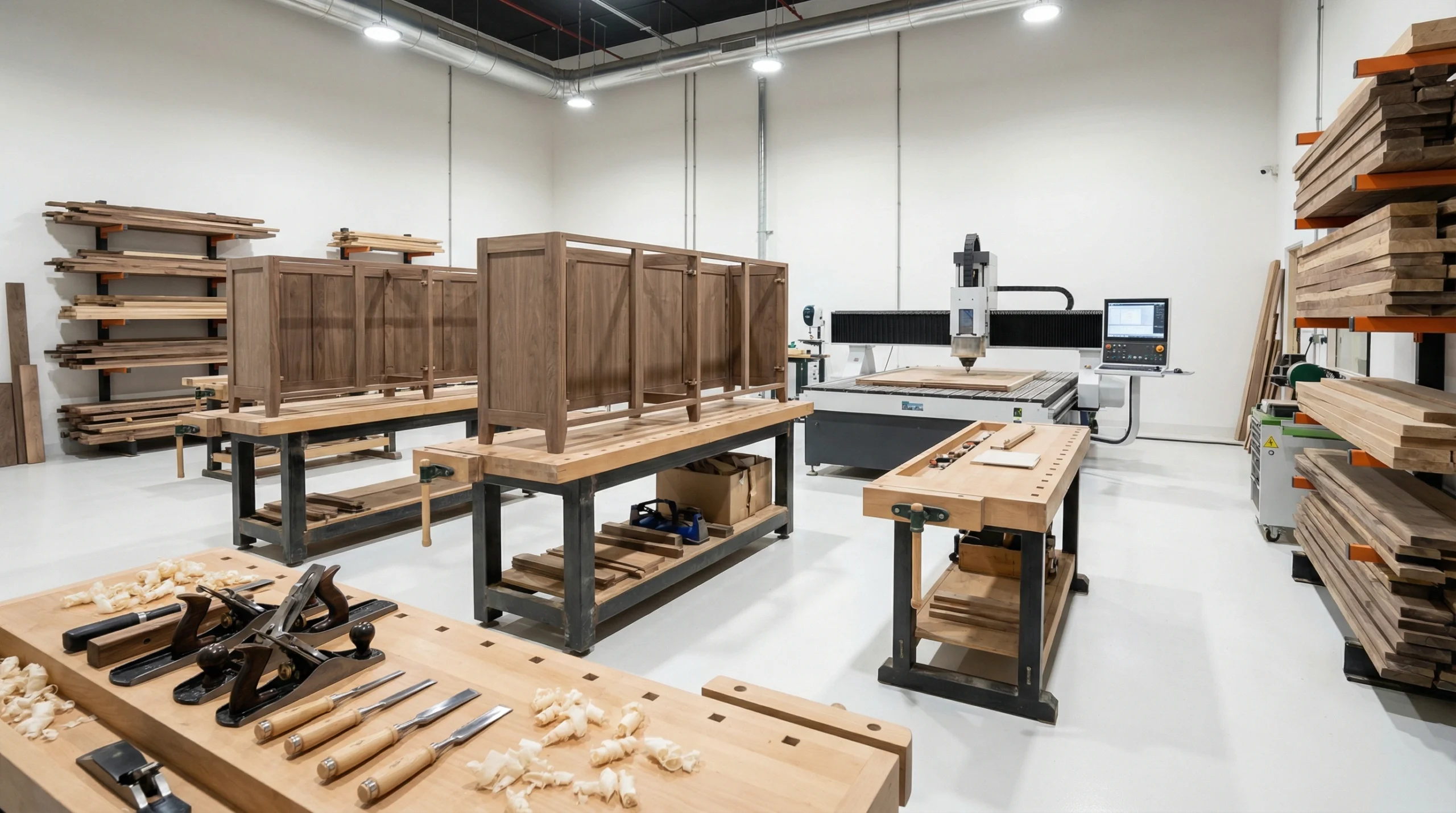
All cabinetry construction happens in our climate-controlled Dubai workshop. This controlled environment eliminates the dust, weather delays, and quality compromises of on-site building. Our craftsmen work with professional equipment—cabinet saws, CNC routers, edge banders, wide belt sanders—delivering consistency impossible with portable tools.
Solid wood components require careful preparation. We joint boards perfectly flat, plane them to precise thickness, and allow them to acclimate to shop conditions before cutting final dimensions. Face frames receive traditional mortise-and-tenon joinery, glued and clamped square. Door construction follows time-tested techniques—cope-and-stick joinery for raised panels, mortise-and-tenon for Shaker frames, precise miters for contemporary slab doors.
Cabinet boxes utilize both traditional and modern methods. We cut dados for shelf supports, rabbet joints for back panel installation, and drill precisely located holes for European hinge mounting. Drawer boxes receive dovetail joinery in premium projects or robust dowel construction for painted work. Each completed component receives detailed inspection before moving to finishing.
Finishing requires patience and proper technique. We sand progressively through increasingly fine grits, removing all machine marks and achieving perfectly smooth surfaces. Stain applications, when specified, happen in controlled conditions with careful color matching. Finish coats build gradually—seal coats, sanding between coats, final topcoats. Catalyzed conversion varnish cures for forty-eight hours before final assembly. This process takes two weeks minimum. Rushing finishing causes problems that appear months later.
Step 5: Professional Installation
Installation teams transport completed cabinet sections to your property, protecting finished surfaces during transit. We schedule installations to minimize disruption—evenings and weekends for occupied residences, coordinated timing for renovations involving multiple trades. Most dining cabinet installations complete in one to three days depending on project scope.
Preparation ensures successful installation. We verify wall conditions match our field measurements, confirm electrical outlets function where lighting connects, and check floor levelness that affects cabinet alignment. Significant discrepancies get resolved before cabinet placement begins. We bring shims, fillers, and scribing materials to accommodate normal construction variations.
Cabinet installation proceeds systematically. Base cabinets install first, leveled precisely and secured to wall studs or blocking. Upper cabinets hang on mounting rails, aligned perfectly with each other and positioned at specified heights above base units. We scribe end panels to walls, ensuring tight fits despite walls rarely being perfectly straight or plumb. All connections—cabinet-to-cabinet, cabinet-to-wall—receive proper fasteners rated for expected loads.
Final adjustments perfect operation. We adjust every door and drawer until they close smoothly with proper reveals. Hardware installations check against drawings for correct placement. Lighting systems test completely—all zones functioning, dimmers operating properly, no flickering or dead spots. We touch up any minor finish issues from transportation or installation. The project doesn’t complete until everything operates perfectly.
Step 6: Final Inspection and Client Orientation
We conduct detailed final inspection with you, demonstrating all cabinet features, explaining care instructions, and confirming complete satisfaction. This walkthrough covers soft-close door operation, adjustable shelf positioning, lighting controls, specialty storage features, and cleaning recommendations. We address any concerns immediately.
Care instruction documentation provides ongoing guidance. Different materials require different maintenance approaches. Solid wood benefits from periodic conditioning with recommended products. Painted surfaces need gentle cleaning without abrasive chemicals. Glass shelves require streak-free cleaners. Hardware sometimes needs adjustment after settlement. We explain everything you need to know for long-term enjoyment.
Warranty coverage begins upon final approval. Our comprehensive warranty covers materials, craftsmanship, and hardware function. Structural components carry lifetime warranties against defects. Finishes warrant against peeling, cracking, or delamination. Hardware warrants for full function. We stand behind our work with confidence earned from thirty-five years of satisfied clients throughout the UAE.
Step 7: Post-Installation Support
Relationship doesn’t end at installation completion. We remain available for questions, minor adjustments, or future modifications. Clients frequently return years later for additional projects—bedroom wardrobes, home office built-ins, kitchen renovations. Many of our current projects come from families we first served decades ago.
Seasonal maintenance visits, available upon request, keep cabinets performing optimally. UAE climate creates gradual changes even in well-built cabinetry. Hinge adjustments accommodate slight settling. Hardware tightening addresses loosening from temperature cycling. Finish touch-ups address minor wear from daily use. These preventive services extend cabinet life indefinitely.
Modification capabilities provide flexibility for changing needs. Collections grow, requiring additional shelving or display space. Family situations change, shifting storage priorities. Design preferences evolve with renovation cycles. We maintain records of your original project, making future modifications seamless. Adding sections, reconfiguring interiors, or refreshing finishes happens without rebuilding entire systems.
Why UAE Homeowners Choose Karnak for Dining Cabinets
Selecting a carpenter for dining cabinetry represents significant investment and trust. You’re commissioning custom pieces that shape your home’s character and serve daily needs for decades. Understanding why clients choose us helps explain what sets exceptional work apart from merely adequate construction.
Three Decades of UAE-Specific Expertise
Since 1988, we’ve completed over 10,000 carpentry projects throughout the Emirates. This experience spans every property type, architectural style, and client need imaginable. We’ve built dining cabinets for single-bedroom apartments in Dubai Silicon Oasis and palace dining halls in Abu Dhabi. Each project taught lessons that inform current work.
UAE climate expertise cannot be purchased from instruction manuals. We know which wood species survive coastal humidity and which fail within two years. We’ve tested finish systems under Emirates conditions for decades, learning which products perform and which manufacturers overpromise. We understand thermal expansion coefficients for materials used in temperature-controlled interiors with outdoor temperatures reaching fifty degrees Celsius. This knowledge prevents problems competitors discover only after failures.
Cultural understanding shapes our design approach. We’ve created dining storage for Emirati families maintaining traditional majlis hospitality, requiring specific organization for Arabic coffee service and date presentation. We’ve built cabinets for international executives needing Western formal dining capabilities. We’ve served South Asian families with extended household dining requirements and European clients wanting familiar continental aesthetics. This diversity makes us fluent in multiple design vocabularies.
Regulatory knowledge streamlines project execution. We navigate Dubai Municipality approvals for commercial dining installations, understanding precisely which documentation inspectors require. We know Abu Dhabi building code requirements that differ from other emirates. We coordinate with building management companies in JBR, Business Bay, and Downtown Dubai towers, handling their specific approval processes and access requirements. Projects proceed smoothly because we’ve solved these administrative challenges thousands of times.
Complete In-House Control From Design Through Installation
We control every project aspect internally, eliminating coordination problems and quality inconsistencies that plague subcontracted work. Our design team, workshop craftsmen, and installation crews work for Karnak directly. Communication flows naturally between these groups, ensuring design intent translates accurately through fabrication into final installation.
Design integration prevents the disconnect between beautiful renderings and buildable reality. Our designers understand workshop capabilities and limitations, creating plans our craftsmen can execute flawlessly. They specify joinery techniques our equipment handles efficiently, select materials our suppliers stock reliably, and dimension components within our machinery capacities. This coordination eliminates the revisions, delays, and compromises that occur when designers unfamiliar with production capabilities create unbuildable specifications.
Workshop expertise shows in finished quality. Our craftsmen average fifteen years of experience, many trained in European furniture-making traditions before joining our team. They understand wood behavior, execute precise joinery, and take pride in details that separate exceptional work from adequate construction. Door reveals maintain consistent gaps measured in millimeters. Grain patterns align across adjacent components. Finish applications achieve glass-smooth results without orange peel or dust inclusion.
Installation professionalism protects both our work and your property. Teams arrive promptly at scheduled times with all necessary equipment and materials. They protect floors, walls, and furniture from damage during installation. They clean thoroughly upon completion, removing all packaging materials and installation debris. They treat your home with respect earned through understanding that their behavior reflects our company reputation.
Material Quality Without Compromise
We source materials based on performance requirements, not cost minimization. Dining cabinets serve your family for decades—using inferior materials to save a few hundred dirhams makes no sense when the difference appears as warping doors or failed finishes within years. Our commercial carpentry expertise with high-use applications taught us that quality materials cost less long-term than cheap alternatives requiring premature replacement.
Hardwood selection emphasizes quarter-sawn cuts for dimensional stability and visual character. These premium cuts cost more than flat-sawn alternatives, but medullary ray figure in white oak and consistent grain patterns in walnut justify the expense. We purchase from suppliers who kiln-dry properly to eight percent moisture content and allow adequate stabilization time. Wood delivered at twelve percent moisture will shrink after installation, creating gaps at joints and loose door fits.
Hardware sourcing favors European manufacturers whose products meet our quality standards. Blum soft-close hinges, rated for fifty thousand cycles, justify their cost through decades of reliable operation. Grass drawer slides extend fully, allowing complete drawer access, and close smoothly with soft-close mechanisms that prevent slamming. Häfele specialty hardware—plate racks, stemware holders, pull-out organizers—transforms storage from basic shelving into thoughtfully designed systems.
Finish products receive equal attention. Sherwin-Williams and Benjamin Moore catalyzed conversion varnishes provide moisture resistance and durability that lesser finishes cannot match. Rubio Monocoat oil systems penetrate wood fibers and cure to water-resistant films while maintaining natural appearance. These premium finishes cost more per gallon but apply more efficiently, cure harder, and last far longer than economy alternatives that save money initially while costing more through shortened service life.
Glass specifications meet safety and aesthetic requirements simultaneously. Tempered glass provides impact resistance required in residential settings, particularly homes with children. Beveled edges add elegant detail while eliminating sharp corners. Low-iron glass eliminates the green tint that standard glass exhibits, particularly noticeable in thicker panels used for shelving. We specify appropriate glass for each application rather than using cheapest options that compromise appearance or safety.
Design Sophistication Grounded in Practicality
Beautiful cabinets that don’t function well serve no one. We balance aesthetic goals with practical storage requirements, ensuring finished cabinets look spectacular while organizing your possessions efficiently. This balance requires understanding both design principles and how people actually use dining storage daily.
Proportional relationships receive careful attention. Cabinet heights, door widths, and drawer depths follow classical proportions that feel inherently correct even when viewers cannot articulate why. Golden ratio relationships appear in door dimensions and cabinet section divisions. Visual weight distribution ensures large expanses of cabinetry feel balanced rather than heavy or overwhelming. These principles, combined with proper scale for room dimensions, create harmonious installations that improve rather than dominate spaces.
Functional organization stems from observing how clients use storage. Frequently accessed items position at comfortable standing height, eliminating unnecessary bending or reaching. Heavy items store in lower cabinets where lifting happens at more ergonomic angles. Display items position at eye level where they’re appreciated rather than stored above sightlines. Serving pieces locate near dining table positions where they’re deployed during meals. These practical considerations transform abstract cabinet designs into systems that simplify daily routines.
Lighting design enhances both function and atmosphere. Task lighting illuminates work surfaces during meal preparation and serving. Display lighting showcases collections without creating glare or hot spots that damage illuminated items. Ambient lighting contributions from cabinet sources layer with room lighting for sophisticated total lighting schemes. Control systems—dimmers, switches, sometimes smart home integration—provide flexibility for different occasions and times of day.
Detail execution separates good work from exceptional craftsmanship. Door and drawer reveals maintain precise consistency, measured in single millimeters. Grain patterns flow naturally across adjacent components. Hardware aligns perfectly. Finish applications achieve consistent sheen without variation. These details create subliminal quality impressions that viewers sense without necessarily identifying specific elements. The overall effect communicates care, expertise, and commitment to excellence.
Transparent Process and Communication
Project anxiety usually stems from uncertainty—not knowing what’s happening, when it’s happening, or how decisions made now affect outcomes later. We eliminate this uncertainty through comprehensive communication from initial contact through final installation and beyond.
Timeline expectations establish at project beginning and update regularly. We explain how long design development requires, when shop drawings finalize for approval, how long fabrication takes, and when installation schedules. We communicate delays immediately when unavoidable circumstances arise—material shipment problems, unexpected site conditions discovered during installation, weather affecting installation scheduling. Surprises damage trust. We prevent them through proactive communication.
Budget transparency prevents the dreaded scope creep that plagues home improvement projects. Initial proposals detail all included components, materials, finishes, and services. We explain what adds cost—premium hardware upgrades, specialized glass types, complex door styles, integrated lighting systems. Clients make informed decisions understanding exactly how choices affect investment levels. Changes during projects receive prompt pricing and approval before proceeding. Final invoices match approved budgets without surprise additions.
Decision-making guidance helps clients navigate choices without feeling overwhelmed. Cabinet projects involve dozens of selections—wood species, finish colors, hardware styles, glass types, organizational accessories, lighting options. We explain implications of each choice, recommend based on your priorities and our experience, and provide samples for concrete evaluation. Some clients want minimal decisions, trusting our expertise. Others enjoy detailed involvement. We adapt to preferred decision-making styles.
Progress updates maintain connection throughout fabrication and installation. Clients receive photographs of major milestones—completed shop drawings, cabinet construction underway, finishing in progress, installation beginning. These updates build confidence that work proceeds properly and maintain excitement about approaching project completion. Questions receive prompt responses, usually within hours during business hours. Accessibility matters when you’re trusting someone with significant investment.
Proven Track Record Throughout UAE
Our portfolio spans the Emirates comprehensively. We maintain active project work in all seven emirates simultaneously, with concentration matching population distribution—heaviest in Dubai and Abu Dhabi, substantial in Sharjah, regular projects in northern emirates. This geographic diversity demonstrates capability across different building types, construction qualities, client expectations, and logistical challenges.
Residential projects represent roughly sixty percent of our work. We’ve completed dining cabinets in Emirates Hills palaces, Arabian Ranches villas, Jumeirah heritage homes, Dubai Marina apartments, Business Bay towers, Palm Jumeirah mansions, and virtually every other Dubai residential community. Abu Dhabi work spans Al Reem Island apartments through Saadiyat Island villas to Al Ain estate properties. Sharjah, Ajman, and northern emirates projects serve growing expatriate and local populations seeking quality custom carpentry.
Commercial installations demonstrate capability at larger scales. Restaurant dining areas require durable construction that withstands heavy daily use while maintaining aesthetic appeal. Hotel private dining rooms demand sophistication appropriate to five-star hospitality standards. Corporate executive dining facilities balance professional appearance with practical service requirements. These projects taught lessons about material durability and finish performance that improve residential work quality.
Heritage property experience sets us apart. Older Jumeirah villas, traditional Bastakiya homes, and heritage properties throughout the Emirates present unique challenges—incorporating modern convenience into period architecture without compromising historical character. We’ve restored original woodwork, matched historical door styles, and created custom pieces that respect architectural heritage while providing contemporary functionality. This experience makes us uniquely qualified for properties where historical sensitivity matters.
Client retention demonstrates satisfaction levels. Approximately forty percent of our annual projects come from previous clients returning for additional work or referring family and friends. Many relationships span decades—dining cabinets in 1995 followed by kitchen renovation in 2003, bedroom wardrobes in 2011, home office in 2018, and another property’s complete millwork package in 2024. This loyalty reflects consistent quality delivery and relationship integrity sustained across decades.
Recent Dining Cabinet Projects Across UAE
Portfolio diversity demonstrates our capability across different styles, scales, budgets, and property types. These recent completions show the breadth of solutions we create for UAE clients.
Emirates Hills Villa – Contemporary Full-Wall System
Expansive sixteen-foot wall system in book-matched American walnut with integrated buffet and floor-to-ceiling display sections. Client needed storage for extensive Wedgwood collection plus practical everyday organization. Solution combined glass-front upper cabinets with museum-quality LED lighting, solid lower sections with custom plate racks and silverware organization, and center buffet area with granite top and beverage center including wine refrigerator. Installation required coordinating with villa’s smart home lighting system. Completed in eight weeks including design through installation. 42 square meters total cabinetry.
Jumeirah Heritage Home – Traditional Arabic Design
Restored 1970s villa required dining storage respecting original architectural character while providing modern functionality. Created traditional carved wooden buffet in solid teak with Arabic geometric patterns incorporated into door panels and crown molding. Glass-front hutch top featured intricate fretwork mullion patterns echoing existing home details. Hand-rubbed oil finish enhanced teak grain while providing humidity protection. Installation preserved original floor tiles and coordinated with heritage tile work. Six-week timeline. Client specifically requested our heritage property expertise.
Palm Jumeirah Apartment – Space-Efficient L-Shape
Compact dining area in two-bedroom apartment needed maximum storage in limited space. Designed L-shaped configuration utilizing adjacent walls with corner cabinet linking both runs. Contemporary white lacquer finish brightened space while glass-front uppers prevented visual heaviness. Integrated shallow wine storage accommodated thirty bottles without depth sacrificing living area space. Custom dimensions fit precisely into apartment’s unique geometry. Four-week completion. Installation required coordination with building management for weekend access.
Downtown Dubai Tower – Minimalist Floating Design
Ultra-contemporary approach for client wanting statement piece without traditional cabinet appearance. Created wall-mounted horizontal unit appearing to float, crafted from horizontal-grain walnut with completely concealed mounting system. Push-to-open doors eliminated visible hardware. Internal LED strips activated via proximity sensors. Minimalist design concealed substantial storage—three separate compartments with adjustable shelving and soft-close mechanisms. Engineering analysis ensured secure mounting to tower’s steel-framed walls. Five-week timeline including structural engineering coordination.
Arabian Ranches Villa – Transitional Shaker Style
Growing family needed durable, timeless storage accommodating both daily use and entertaining. Designed transitional Shaker-style cabinets in painted grey lower sections with white oak upper display cabinets. Practical features included deep drawer storage for table linens, dedicated serving platter organization, and kid-proof lower cabinets for everyday dishes. Glass uppers with minimal mullions showcased client’s collection of serving pieces inherited from grandmother. Standard six-week completion. Finish quality exceeded client expectations, leading to subsequent bedroom furniture commission.
Business Bay Apartment – Compact Corner Solution
Studio apartment’s dining nook required storage without overwhelming limited space. Created custom corner cabinet with diagonal front accessing otherwise dead corner space. Combination of open shelving for display and closed storage for practical items. Mirror-backed open sections amplified natural light and created spaciousness illusion. Contemporary grey-stained oak matched apartment’s existing finishes. Entire project from consultation through installation completed in three weeks for client moving from abroad. Precise measurements ensured perfect fit despite building’s inconsistent wall angles.
Abu Dhabi Villa – Formal Dining Suite
Traditional formal dining room in Al Reem Island villa required complete storage solution matching European classical aesthetic. Created matching buffet, china cabinet, and corner curio cabinets in cherry wood with traditional raised panel doors and furniture-style bases. China cabinet featured curved glass sides and mirrored back with four adjustable glass shelves. Buffet included felt-lined silverware drawers and wine rack section. Crown moldings and dentil details matched room’s existing architectural trim. Hand-applied finish with multiple glaze layers achieved depth and richness. Ten-week timeline for complete suite. Client requested slight design modifications based on 3D renderings, easily accommodated before fabrication.
Sharjah Villa – Contemporary Display Wall
Modern villa’s great room required dining storage visible from multiple areas, demanding design sophistication from all viewing angles. Created symmetrical wall composition with center buffet flanked by matching glass-front display towers extending to ceiling. Blackened steel framework around glass sections provided contemporary edge while highlighting displayed crystal collection. Lower buffet section in matte grey lacquer grounded the composition. Integrated toe-kick lighting washed floor with ambient glow. Eight-week completion. Design won architectural digest feature in UAE design magazine.
Dubai Silicon Oasis Apartment – Budget-Conscious Quality
Young couple’s first home needed quality dining storage within modest budget. Designed efficient straight-run cabinet configuration maximizing storage while minimizing material waste. Engineered wood construction with hardwood face frames and doors provided durability without solid hardwood cost. Contemporary white painted finish created clean appearance. Glass upper section with LED lighting showcased wedding gift china. Practical lower cabinets organized everyday essentials. Proved quality custom cabinetry achievable at accessible investment levels. Four-week timeline. Couple returned two years later for nursery built-ins.
Mirdif Villa – Multi-Functional Dining Storage
Large family needed dining storage accommodating both formal entertaining and daily chaos with three children. Created robust system with dedicated zones—formal china in locked glass cabinets, everyday dishes in easily accessible lower cabinets, children’s plastic ware in lowest drawers they could reach independently. Buffet section included appliance garage hiding coffee maker and toaster. Homework supply storage in side cabinet kept school materials organized near dining table doubling as homework space. Durable catalyzed finish withstands heavy family use. Seven-week completion. Design balanced sophistication with practical family life realities.
JBR Apartment – Coastal Environment Specification
Beach-front apartment’s extreme humidity exposure required specialized material and finish selection. Used teak construction with marine-grade plywood core, both naturally resistant to moisture. Multiple seal coats before final finishing prevented moisture penetration. Stainless steel hardware resisted corrosion from salt air. Tempered glass shelves avoided humidity-related warping. Despite challenging environment, cabinets maintain perfect condition through two years with minimal maintenance. Installation required building access coordination and furniture protection during construction. Five-week timeline. Client specifically sought us after neighbor’s standard cabinets failed within eighteen months from humidity damage.
Dining Cabinet Questions - Expert Answers
Custom dining cabinets deliver value through precise dimensional fit, material quality, design personalization, and longevity that mass-produced furniture cannot match. Ready-made pieces come in standard sizes that rarely fit your exact space perfectly, creating gaps or requiring compromise in placement. Custom cabinets build to your exact room dimensions, utilizing every available centimeter efficiently while maintaining proper proportions that feel intentional rather than awkwardly fitted.
Material quality differs substantially. Furniture retailers source globally based primarily on cost, using materials that meet appearance requirements at manufacturing but may not survive UAE climate long-term. We select materials specifically for Emirates conditions—wood species that resist humidity, engineered cores that won't warp, finishes that protect against moisture and temperature fluctuations. This climate-appropriate specification means your custom cabinets maintain appearance and function for decades while imported furniture often deteriorates within years.
Design personalization addresses your specific storage needs rather than forcing you to adapt to generic configurations. You determine shelf spacing for your actual dish sizes, drawer depths for your table linens, display heights for your collections. Hardware positions where you find it comfortable, lighting illuminates how you need it, organizational features solve your specific storage challenges. This customization transforms storage from something you tolerate into systems that genuinely simplify daily life.
Long-term value favors custom work decisively. Quality custom cabinets serve you for thirty-plus years without replacement, while furniture typically requires replacing every seven to twelve years as finishes deteriorate, joints loosen, or styles change. Over three decades, you'll purchase and dispose of three or four furniture sets, spending more money total while dealing with replacement hassles multiple times. Custom cabinets built right once become permanent home features that move from maintenance budget to "never think about it" category.
Typical timeline from first consultation through completed installation spans six to ten weeks, varying based on project complexity, material availability, and schedule coordination. We break this timeline into distinct phases with approximate durations you can plan around.
Initial consultation and site visit happen within three to five business days of your contact. We schedule appointments at your convenience, typically requiring one to two hours for comprehensive discussion, space documentation, and preliminary design direction establishment. Following this meeting, our design team spends one week creating initial concepts, material selections, and budget proposals for your review.
Design refinement and approval adds one to two weeks depending on decision-making pace. Some clients approve initial designs immediately. Others prefer exploring multiple directions, seeing alternative door styles, comparing finish options, or adjusting configurations. We accommodate both approaches without rushing decisions that affect long-term satisfaction. Once you approve final design, we prepare detailed shop drawings requiring final sign-off before fabrication begins. This technical documentation process takes three to five days.
Workshop fabrication requires four to five weeks minimum for quality work. Rushing this phase compromises results. Solid wood requires proper preparation time. Finish applications need adequate curing between coats. Complex joinery demands careful execution. We provide progress photographs during fabrication so you see work advancing properly. Custom glass, specialty hardware, or imported materials sometimes extend timelines by one to two weeks if suppliers face delays.
Installation scheduling happens once cabinets near completion. Most dining cabinet installations complete in one to three days depending on system complexity. We coordinate timing with your schedule, accommodating preferences for evening or weekend installation to minimize disruption for occupied homes. Post-installation final inspection and orientation add one visit, typically completed same day or following day.
Urgent timelines occasionally accommodate faster completion. If you're moving into a new property with specific deadline pressure or coordinating with other renovation trades on tight schedules, communicate these requirements early. We sometimes expedite fabrication or adjust shop priorities to meet genuine deadline needs, though quality never compromises for speed.
Investment levels vary based on size, materials, design complexity, and feature selections. Providing specific pricing without understanding your requirements risks either understating actual costs or overestimating unnecessarily. However, general ranges help you budget appropriately.
Basic custom dining cabinets for typical Dubai apartments—approximately three to four linear meters of cabinet run with straightforward design, engineered materials, painted finishes, and standard hardware—typically begin around AED 15,000 to AED 22,000 including design, fabrication, and installation. These projects deliver genuine custom quality at accessible investment levels, dramatically exceeding ready-made furniture quality while maintaining budget consciousness.
Mid-range installations for villa dining rooms—six to eight linear meters with solid hardwood construction, natural wood finishes, glass-front display sections, integrated lighting, and quality European hardware—generally range AED 35,000 to AED 65,000. This category represents our most common project scope, balancing comprehensive features with reasonable investment for substantial property improvements.
Premium projects for luxury properties—extensive full-wall systems, exotic wood species, complex architectural details, specialty glass, museum-quality lighting systems, and integrated technology features—range AED 75,000 to AED 150,000+. These installations become defining architectural features, often coordinating with comprehensive interior design programs and representing appropriate investment levels for high-value properties.
Several factors significantly influence costs within these ranges. Material selection matters tremendously—solid walnut costs substantially more than oak, exotic species exceed domestic hardwoods, specialty glass upgrades add expense. Design complexity affects fabrication time—intricate door styles, curved components, or detailed moldings require more workshop hours than straightforward construction. Hardware selections range from serviceable quality at modest cost to premium European brands at three to five times higher prices. Lighting systems vary from basic LED strips to sophisticated multi-zone theatrical installations.
Project scope includes more than just cabinet boxes. Our comprehensive pricing covers design services, detailed shop drawings, all materials, complete workshop fabrication, professional finishing, delivery, installation, and cleanup. We don't add surprise charges for "extras" that should obviously be included. Transparent pricing lets you make informed decisions without worrying about hidden costs appearing later.
Payment structures accommodate different preferences. Typical arrangement involves thirty-three percent deposit securing materials and initiating fabrication, thirty-three percent at mid-project milestone when cabinetry nears completion, and final thirty-four percent upon installation completion and your approval. We don't require full payment upfront, and we don't withhold completed work pending final payment disputes. Fair dealing builds long-term relationships worth far more than maximizing single-transaction profit.
UAE climate presents specific challenges requiring specialized material selection, construction techniques, and finishing processes. Our three decades of Emirates experience taught us exactly how to build cabinetry that survives—even thrives—in conditions that destroy improperly constructed work within two years.
Material selection begins with understanding moisture behavior. Wood naturally absorbs and releases moisture as surrounding humidity changes, expanding when wet and contracting when dry. UAE properties create extreme conditions—sixty-five percent humidity outdoors, thirty-five percent in air-conditioned interiors, with rapid transitions between these extremes. Wood species react differently to these fluctuations. Quarter-sawn cuts, exposing edge grain rather than face grain, expand and contract substantially less than flat-sawn boards. We specify quarter-sawn material for face frames, door stiles and rails, and any components where movement causes problems.
Engineered materials offer stability advantages for specific applications. Marine-grade plywood, constructed with waterproof adhesives and cross-banded veneer layers, virtually eliminates the expansion and contraction problems solid wood sometimes presents. We use it for cabinet carcasses where dimensional stability matters more than visible grain character. High-density MDF, properly sealed during fabrication and finished completely, creates stable substrates for painted work. However, MDF requires complete moisture sealing—unsealed edges absorb humidity like sponges, causing swelling and finish failure.
Construction techniques accommodate inevitable wood movement. We assemble solid wood door panels "floating" within frame grooves rather than gluing them rigid. This allows panels to expand and contract with humidity changes without cracking or popping joints. Face frames attach to cabinet boxes with methods allowing slight movement rather than creating rigid connections that stress as materials shift. Drawer construction accounts for seasonal expansion—clearances accommodate worst-case expanded dimensions so drawers never stick even during peak humidity months.
Finishing provides critical moisture protection. Our process applies seal coats that penetrate wood fibers before building film finishes on surfaces. This seals wood completely, preventing moisture infiltration from interior cabinet spaces where air circulation is minimal. We apply finish to all surfaces—visible fronts, interior faces, top and bottom edges—creating complete moisture barriers. Many cabinet makers finish only visible surfaces, leaving unfinished interiors vulnerable to humidity absorption that causes warping even when finished surfaces appear fine.
Catalyzed conversion varnish, our preferred topcoat for natural wood, cures through chemical reaction creating moisture-impermeable film. Unlike evaporative finishes that never fully harden, catalyzed finishes cure completely within forty-eight hours, forming protective barriers that humidity cannot penetrate. We build six to eight finish coats with hand-sanding between applications, creating substantial protective thickness that survives decades of UAE exposure.
Climate-controlled fabrication ensures proper moisture content before construction. Our workshop maintains consistent temperature and humidity year-round. Materials acclimate to these conditions before cutting, allowing wood to reach equilibrium moisture content—approximately eight percent—appropriate for UAE air-conditioned interiors. Building cabinets from wood at incorrect moisture content guarantees problems later when materials adjust to actual installation environment.
Installation considerations prevent moisture problems from developing. We never install cabinets directly against exterior walls without vapor barriers, as these walls transmit moisture from outdoors. Base cabinets elevate slightly above floors using proper toe-kick construction, ensuring air circulation underneath prevents moisture accumulation. Upper cabinets mount with adequate air space behind, allowing circulation that prevents moisture from being trapped between cabinet backs and walls.
We handle both complete new installations and modifications to existing cabinetry, though feasibility and cost-effectiveness of modifications depend on current cabinet quality and your desired changes. Understanding what's possible helps you make informed decisions about refurbishing versus replacing.
Refacing represents the most common modification approach. If your current cabinet boxes are structurally sound with properly functioning frames, but doors, drawer fronts, and visible surfaces look dated or damaged, refacing delivers dramatic transformation at roughly forty to sixty percent of new cabinet cost. We remove existing doors and drawer fronts, apply new veneer to visible cabinet surfaces, and fabricate new doors and drawer fronts in your selected style and finish. Hardware updates, new crown molding, and upgraded organizational features complete the transformation. Results appear completely new while reusing existing structural components that still function properly.
Structural modifications work when you need layout changes or functionality improvements without complete replacement. We can add cabinet sections extending existing runs, modify interior configurations for different storage needs, incorporate new organizational features like pull-out shelves or wine racks, or adjust shelf spacing and drawer depths. These modifications require careful matching of materials and finishes to existing work, which we handle through precise color matching and finish replication processes.
Some modifications aren't cost-effective. If existing cabinets used poor-quality materials now warping or deteriorating, or if construction methods won't support modifications you need, replacement makes better sense. We'll honestly assess whether modifications serve your goals and budget or whether starting fresh delivers better value. Our recommendation prioritizes your interests, not maximizing project scope.
Integration of old and new cabinetry sometimes provides optimal solutions. You might keep well-functioning base cabinets while replacing upper display sections with upgraded glass-front designs and improved lighting. Or maintain existing built-in sections while adding new freestanding buffet pieces that complement without requiring structural modification. These hybrid approaches often deliver desired improvements at moderate investment.
Antique or heritage cabinet restoration requires specialized skills we've developed through decades of heritage property work. Vintage pieces often feature joinery and construction no longer practiced, requiring traditional restoration techniques. We repair failed joints using historically appropriate methods, recreate missing components matching original profiles and proportions, strip and refinish surfaces preserving patina where desirable, and update hardware sensitively. These restorations often cost more than new cabinet construction but preserve irreplaceable pieces carrying family or historical significance.
Modern dining cabinets incorporate sophisticated organizational systems far beyond simple shelves, transforming storage from basic containment into thoughtfully designed systems that simplify daily routines and protect valuable possessions.
Plate storage systems position dishes vertically or on edge rather than stacked horizontally, preventing chips from plate-on-plate contact while making each piece individually accessible. Felt-lined channels accommodate various plate diameters. Spring-loaded dividers adjust spacing for different size ranges. Pull-out plate racks bring stored dishes forward for easy selection without reaching into deep cabinets. These systems dramatically improve both organization and dish longevity.
Silverware organization extends beyond simple trays. Custom-fitted drawer inserts accommodate your exact flatware collection, with dedicated slots sized for each piece type—dinner knives, salad forks, soup spoons, serving pieces. Anti-tarnish lining protects valuable silver from oxidation without requiring regular polishing. Removable inserts facilitate table setting—carry the entire organized tray to dining table rather than making multiple trips for individual pieces.
Glassware storage protects while maximizing space efficiency. Stemware racks suspend wine glasses upside-down beneath shelves, utilizing otherwise wasted overhead space while protecting delicate bowls from chips. Adjustable shelf systems with specialized clips secure varying glass heights properly. Dividers prevent glasses from contacting during storage. Pull-down racks bring upper cabinet glassware to accessible heights without requiring step stools or risking breakage from overhead reaching.
Serving piece organization uses specialized configurations. Deep drawers with adjustable dividers accommodate large platters stored flat rather than precariously standing on edge. Vertical dividers in tall cabinets organize trays and cutting boards by width. Pull-out shelves in lower cabinets bring heavy serving bowls forward for easier lifting. These purpose-designed solutions end the frustration of digging through stacked serving pieces to reach the specific platter you need.
Table linen storage prevents the wrinkles and musty odors that develop in standard drawer storage. Deep drawers with cedar lining repel insects while adding pleasant scent. Shallow wide drawers accommodate full tablecloth spread, eliminating fold creases. Dividers organize by occasion or season. Some clients request dedicated gift-wrap storage in dining cabinet systems, using deep drawers for wrapping paper rolls and shallow compartments for ribbons, tags, and supplies.
Beverage organization systems integrate wine racks, glassware storage, and sometimes small appliance housing. Diamond-pattern wine displays showcase bottles decoratively. Horizontal wine storage maintains proper cork moisture for aging collections. Pull-out wine racks bring bottles forward for label reading. Glass-front refrigerated sections maintain optimal wine temperatures in UAE climate where ambient room temperatures stress wine collections. Bar tool organization—cocktail shakers, strainers, jiggers, bottle openers—keeps entertaining supplies accessible.
Technology integration increasingly features in modern dining storage. Charging stations for mobile devices eliminate visible countertop clutter. Integrated speakers for ambient music during dining. Touch-activated lighting controls. USB outlets for serving area appliance use. Smart home system integration allowing voice control of cabinet lighting. These features blend seamlessly into traditional cabinetry design while providing contemporary convenience.
Child-safety features matter for families. Soft-close mechanisms prevent finger pinching. Rounded interior corners eliminate sharp edges. Lower cabinet locks restrict access to valuable or fragile items. Adjustable shelving allows configuration changes as children grow and family needs evolve. Durable finishes withstand inevitable childhood impacts and spills without permanent damage.
Dubai apartment and tower projects present unique challenges—building management approval processes, access restrictions, noise limitations, elevator reservations, and timing constraints. We've completed thousands of apartment installations throughout Business Bay, Downtown Dubai, Dubai Marina, JBR, and other tower communities, developing systematic approaches that navigate these requirements smoothly.
Building management coordination begins before project start. We contact management offices explaining project scope, duration, and requirements. We submit any required documentation—insurance certificates, contractor registration, detailed work plans, waste disposal arrangements. Most buildings require approval before allowing contractors access. We handle this paperwork completely, eliminating hassles for you while ensuring compliance with building policies.
Access logistics require advance planning. Service elevator reservations book weeks ahead during busy renovation seasons. We reserve necessary time blocks when project scheduling confirms. Loading dock access, parking permits for work vehicles, and key/access card arrangements all coordinate through management. Weekend or evening work, often preferred for occupied apartments, requires special approval we obtain in advance.
Noise restrictions vary by building but typically limit loud construction activities to specific hours—usually nine AM to six PM weekdays, sometimes restricted weekends entirely. Cabinet installation rarely involves extremely loud operations, but we verify permitted hours before scheduling and commit to respecting quiet hour policies. Neighbors appreciate considerate contractors who minimize disruptions.
Workspace protection prevents damage to common areas. We use floor protection along pathways from service elevators to your apartment. Door frame padding prevents scratches during cabinet section maneuvering through tight corridors. Wall corner protection shields vulnerable areas. Elevator interiors receive full covering during material transport. These precautions prevent damage that could delay project completion or create liability issues.
Material delivery coordination prevents security denials or loading dock conflicts. We schedule deliveries coordinating with building management, ensuring security knows to expect our vehicles. Materials transport directly to your apartment when possible or stage in designated areas if building requires. Completed installations happening in single days minimize the storage concerns multi-day projects sometimes create.
Waste removal follows building protocols. Some management companies require using specific disposal services or designated collection areas. We comply with all waste handling requirements, removing all packaging materials, sawdust, and installation debris immediately. Final cleanup leaves your apartment and building areas we traversed in pristine condition.
Insurance requirements vary by building. Most require general liability coverage, some specify minimum amounts or demand additional insured endorsements naming building management. Our comprehensive insurance satisfies even strict building requirements. We provide insurance certificates directly to management companies when requested, handled through our office without requiring your involvement.
Repeat projects in specific buildings streamline the entire process. After completing multiple installations in Marina Quays or Burj Khalifa Residences, we know management staffs, understand their specific requirements, and have standing approvals for contractor access. This familiarity accelerates timelines and eliminates approval delays for clients in buildings where we've established working relationships.
Comprehensive warranty coverage protects your investment and reflects our confidence in workmanship and material quality. We stand behind our work with warranties exceeding industry standards because three decades of experience taught us our construction methods and materials deliver lasting performance.
Structural cabinet components carry lifetime warranties against defects in materials or workmanship. This covers cabinet boxes, face frames, door frames and panels, drawer boxes, and all joinery. If structural failure occurs from defective materials or faulty construction—joints separating, panels warping, frames racking—we repair or replace affected components at no cost regardless of how long after installation problems appear. This warranty transfers to subsequent homeowners if you sell your property, adding value buyers recognize.
Finish warranties cover five years against peeling, cracking, bubbling, or delamination under normal use conditions. This duration reflects realistic expectations for finish performance in UAE climate. Properly applied catalyzed conversion varnish should maintain integrity for decades, but five-year coverage provides security while acknowledging that extreme conditions or unusual circumstances might affect finishes. Finish warranties don't cover damage from impacts, chemicals, or neglected maintenance, but do guarantee against failure from application defects or material inadequacy.
Hardware warranties vary by manufacturer but typically range from five to ten years for European quality hardware we specify. Blum hinges warranty soft-close function for component lifetime. Grass drawer slides guarantee smooth operation and weight capacity ratings. We handle all hardware warranty claims directly with manufacturers, eliminating frustration of dealing with multiple companies for different components. If hardware fails within warranty, we obtain replacements and install them promptly.
Installation workmanship warranties last two years, covering any problems arising from installation errors. This includes cabinet mounting security, alignment issues, door and drawer adjustment problems, or trim and molding installation defects. Practically speaking, installation problems reveal themselves within weeks if not immediately. Two-year coverage provides abundant security while focusing warranty emphasis on longer-term structural and material performance.
Warranty exclusions clarify what coverage doesn't include. Normal wear and tear from daily use—minor finish scratches, hardware loosening from repeated operation, shelf wear from loaded items—represents expected aging rather than defects. Damage from misuse—slamming doors, excessive weight exceeding design specifications, exposure to water from plumbing failures—isn't manufacturing defect. Environmental damage from circumstances beyond normal Dubai residential conditions—flooding, fire, extreme neglect—exceeds warranty coverage. These exclusions are industry standard and reasonable.
Claims process prioritizes quick response and fair resolution. Contact us describing the problem, preferably with photographs showing the issue clearly. We typically schedule inspection visits within three to five business days. Our technician assesses whether the problem falls under warranty coverage and, if so, schedules appropriate repairs. Most warranty repairs complete within two weeks of initial contact. We don't create bureaucratic obstacles to valid warranty claims—satisfied clients provide referrals worth far more than avoiding legitimate warranty obligations.
Preventive maintenance, while not required for warranty validity, extends cabinet life significantly. Annual inspection and adjustment service, available at modest cost, keeps everything functioning optimally. We tighten hardware that loosens slightly from thermal cycling, adjust doors and drawers after minor settling, touch up small finish issues before they enlarge, and lubricate moving components. This preventive approach prevents small issues from becoming larger problems while maintaining warranty coverage.
Absolutely—accommodating unique collections and specialized storage requirements represents exactly what custom cabinetry does best. We've designed storage solutions for virtually every collectible type and specialized need imaginable over thirty-five years serving UAE clients.
Fine china and porcelain collections need specific accommodation. Adjustable shelving spaces pieces of varying heights properly. Felt-lined shelves prevent scratching delicate bases. Plate grooves display vertical pieces securely. Glass shelves and doors allow viewing from multiple angles while protecting from dust and handling. Museum-quality LED lighting showcases details and patterns without heat damage. Locking mechanisms secure valuable collections. We calculate shelf load capacities ensuring displayed items are supported safely regardless of quantity or weight.
Crystal and glassware collections require specialized storage. Stemware racks suspend glasses safely, protecting delicate bowls and saving considerable space. Adjustable shelf systems accommodate everything from cordial glasses through oversized brandy snifters. Decanter storage provides stable positioning for valuable pieces. Lighting specifically designed for glass creates brilliant effects highlighting cuts and patterns. Sections dedicated to specific glass types—wine stems, cocktail glasses, water goblets—organize extensive collections logically.
Silver and metalware collections demand anti-tarnish protection. Drawer lining with silver cloth eliminates tarnish without chemical treatments or constant polishing. Divided sections separate pieces preventing scratches from contact. Humidity-controlled compartments in extreme cases prevent oxidation in UAE coastal environments. Locking drawers secure valuable collections. Custom-fitted dividers accommodate specific piece shapes and sizes, from flatware through elaborate serving pieces.
Tea service collections, particularly valuable antique or culturally significant sets, receive thoughtful accommodation. Dedicated shelving spaces complete services together. Felt-lined surfaces protect delicate bases. Proper spacing prevents pieces contacting each other. Display lighting showcases sets beautifully. Some clients request specialized sections for different tea services—English service for formal occasions, Arabic coffee service for traditional hospitality, casual everyday sets—organizing by use pattern rather than combining everything generically.
Wine collections require specific storage conditions and organization. Horizontal bottle positioning keeps corks properly moist. Individual bottle slots prevent contact and label damage. Display sections showcase special bottles. Some clients request climate-controlled compartments maintaining optimal temperatures in UAE heat. Organization by region, vintage, or varietal helps serious collectors track inventory. Pull-out racks bring bottles forward for label examination without removing from storage.
Book collections sometimes integrate into dining cabinets, particularly in properties where dining and library functions overlap. Adjustable shelving accommodates varying book heights. Specialized sections for oversized volumes, art books, or rare editions protect valuable pieces. Glass doors prevent dust accumulation while displaying collection. Some clients request cookbook-specific sections in dining storage, keeping frequently referenced volumes accessible near eating areas.
Serving piece collections exceeding normal household quantities—clients who entertain extensively or collect specific serveware types—need expanded storage capacity. Deep drawers accommodate stacked platters sized from small appetizer plates through massive holiday turkey platters. Vertical dividers organize trays and cutting boards preventing damage from leaning stacks. Pull-out shelves bring heavy serving bowls forward. Specialized sections for specialty items—cheese boards, seafood platters, cake stands—organize by function.
Sentimental or heirloom pieces receiving special accommodation demonstrate our understanding that dining storage isn't purely functional. Client had grandmother's complete Limoges service requiring pride-of-place display but also practical protection. We created glass-front cabinet section with adjustable LED lighting showcasing the collection beautifully while keeping everything accessible for special occasion use. Another client inherited brass samovar collection needing anti-tarnish storage plus display accommodation. Solution combined closed storage maintaining optimal conditions with single showcase position rotating different pieces periodically.
Unusual collections require creative problem-solving. One client collected antique coffee grinders, needing display accommodation plus proper weight support. Another collected decorative boxes from travels worldwide, requiring adjustable shelving accommodating varying sizes while allowing boxes to open without removing from shelves. We've designed storage for snow globe collections, antique bottle collections, decorative plate collections—whatever items hold meaning for you receives thoughtful accommodation reflecting its significance and requirements.
Quality custom dining cabinets typically enhance property value and marketability, though exact impact depends on multiple factors including overall property value, market conditions, and how well cabinet design aligns with target buyer preferences.
Tangible value increase varies by property segment. In mid-range properties, excellent dining storage might add AED 20,000 to AED 40,000 to sale price—buyers recognize quality and understand replacement cost if cabinets didn't exist. In luxury properties where built-in custom millwork represents expected standard rather than added value, impact focuses more on differentiation from comparable properties than direct value addition. Buyers considering similar villas notice and appreciate superior cabinetry quality, potentially influencing purchase decisions even if reflected differently in negotiations.
Marketability impact often exceeds direct value addition. Properties photograph beautifully with custom dining cabinets, creating strong first impressions in online listings. Professional staging benefits from built-in storage that displays elegantly without requiring furniture rental. Buyers touring properties notice quality construction details and finish excellence that separate well-crafted homes from average builds. These psychological impacts influence buyer perception and willingness to pay asking prices.
Design choices affect value impact. Timeless transitional or traditional designs appeal broadly to potential buyers. Highly personalized or unusual styles might appeal strongly to specific buyers while limiting overall market. Neutral finishes—natural woods, soft greys, classic whites—work for virtually any buyer. Bold colors or distinctive finish treatments attract those matching specific tastes while potentially deterring others. We guide design decisions balancing personal preferences with eventual resale considerations when clients raise this concern.
Storage capacity additions always add value. UAE properties often feature inadequate built-in storage, forcing residents to fill spaces with freestanding furniture that blocks windows, interrupts flow, and looks cluttered. Custom dining cabinets eliminating this furniture requirement creates spaciousness buyers value highly. Additional storage capacity beyond normal expectations—extensive wine storage, specialized organizational features, generous buffet space—attracts buyers who entertain or maintain substantial household items.
Quality perception separates value-adding installations from neutral or negative impacts. Exceptional craftsmanship, premium materials, and sophisticated design execution signal overall property quality. Buyers assume homes with superior cabinetry likely feature quality throughout. Conversely, poor-quality cabinets raise concerns about other property aspects. This halo effect means dining cabinets influence perceived value beyond their specific function.
Maintenance condition matters significantly at sale time. Well-maintained cabinets from 1995 can still impress buyers in 2024 if finishes remain pristine and operation stays smooth. Neglected or damaged recent installations detract from value. Our durable construction and finishes maintain appearance through decades of normal use, protecting your resale value long-term.
Documentation adds value through buyer confidence. Original design drawings, material specifications, warranty information, and care instructions transfer to new owners, demonstrating quality and providing maintenance guidance. We provide complete documentation at project completion, typically stored in kitchen or utility closets for easy access during eventual property sale.
Neighborhood standards influence value perception. In communities where custom millwork represents norm—Emirates Hills, Palm Jumeirah, high-end villa developments—quality dining cabinets meet baseline expectations. Absence would detract from value, but presence alone doesn't add premium. In communities where built-ins are rare, custom cabinetry provides differentiation commanding premium pricing. Understanding these market dynamics helps frame realistic value expectations.
Personal value consideration sometimes outweighs pure resale calculation. If custom dining cabinets deliver substantial daily benefit and enjoyment over fifteen years residence, that personal value justifies investment regardless of exact resale price impact. Many homeowners focus excessively on resale considerations for homes they'll occupy for years or decades. Living comfortably and enjoying your space matters more than maximizing future sale price at expense of current lifestyle quality.
Understanding distinctions between true custom cabinetry, semi-custom offerings, and ready-made furniture helps clarify value differences and set appropriate expectations for each category.
True custom cabinetry builds to your exact specifications without design limitations. We fabricate every component in our workshop specifically for your project. Door dimensions can be any measurement accommodating your design and proportions—not restricted to standard sizes in two-inch increments. Cabinet depths vary based on space availability and needs—not limited to standard depths. Heights utilize complete ceiling height without forced gaps or fillers. This dimensional freedom maximizes space utilization while achieving proportions that look intentionally designed rather than approximately fitted.
Material selection offers complete choice in custom work. We source specific wood species you prefer, match exact finish colors from samples you provide, use specialized glass types meeting your aesthetic goals, and specify hardware brands and styles you select. Semi-custom programs offer material choices from predetermined options—usually three to six wood species, eight to twelve finish colors, limited hardware collections. Ready-made furniture dictates materials completely without choice.
Design flexibility defines custom work. Need integrated wine storage positioned at specific height? We design exactly that. Want plate racks accommodating your specific oversized platters? Built precisely for those dimensions. Require specialized lighting systems matching whole-home automation? Designed and integrated seamlessly. Semi-custom allows selecting from available options—pull-out shelves available in three sizes, wine racks holding standard bottle counts, lighting in fixed configurations. Ready-made furniture offers zero modification capability.
Construction quality varies dramatically across categories. Our workshop builds cabinet boxes with dovetail drawer construction, mortise-and-tenon face frame joinery, and multi-coat catalyzed finishes applied over two-week schedules. Semi-custom typically uses dowel or pocket-screw construction, adequate for function but less robust long-term. Ready-made furniture employs staples, mechanical fasteners, and speed-friendly assembly methods prioritizing manufacturing efficiency over longevity. These construction differences profoundly affect how cabinets perform through decades of daily use.
Finish quality separates categories obviously. Hand-applied conversion varnish builds in multiple coats with sanding between each application creates glass-smooth results protecting wood completely. Semi-custom finishes generally use catalyzed products but apply in production spraying without hand-sanding between coats, yielding adequate but less refined results. Ready-made furniture finishes prioritize speed and cost—minimal preparation, single or double coat applications, finishes formulated for fast drying rather than maximum durability. These finish quality differences become apparent within months as UV exposure, humidity, and daily use affect surfaces.
Installation approach reflects overall quality differences. We install custom work with precise fitting, scribing to walls, securing to structure properly, and adjusting until everything operates perfectly. Semi-custom installers work quickly, using fillers and trim to accommodate imperfect fits between standard-size cabinets and actual room dimensions. Ready-made furniture receives minimal assembly—pieces position approximately where they fit without custom integration.
Lead time requirements differ significantly. Custom work requires six to ten weeks from design approval through installation—time spent designing specifically for you and fabricating without shortcuts. Semi-custom typically ships in four to six weeks from order—faster because manufacturing uses predetermined sizes and standard processes. Ready-made furniture ships within days or weeks since pieces exist in inventory awaiting purchase. Speed advantages of non-custom options trade against compromises in fit, quality, and personalization.
Price differences reflect value delivered. Our custom dining cabinets typically cost roughly double what comparable semi-custom cabinets would, while delivering far more than double the longevity and satisfaction. Ready-made furniture costs perhaps one-third custom pricing initially but requires replacing within seven to twelve years while custom work serves thirty-plus years, making custom actually less expensive long-term. Investment analysis should consider total cost over expected ownership duration rather than comparing only initial purchase prices.
Value proposition varies by situation. Rental properties or temporary residences might suit semi-custom or quality ready-made solutions since investment recovery from custom work is unlikely. Permanent family homes or luxury properties justify custom investment delivering decades of service and adding substantial property value. Your specific circumstances, budget reality, and priorities determine optimal solution for your situation.
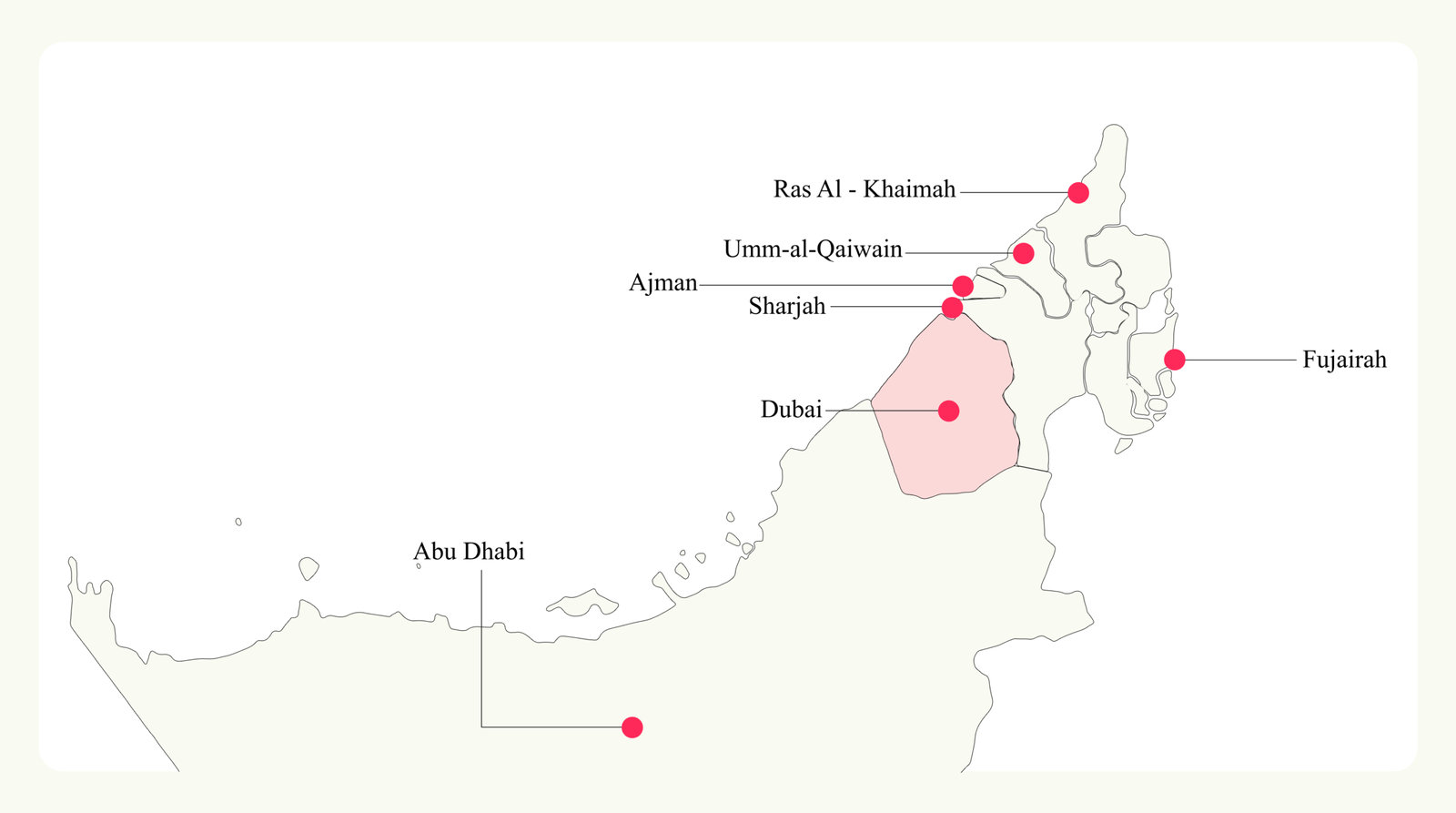
Dressing Table Coverage Throughout UAE
Our dressing table design and installation services extend across all seven emirates with the same quality standards and craftsmanship expertise we’ve maintained since 1988. We complete projects in Dubai, Abu Dhabi, Sharjah, Ajman, Ras Al Khaimah, Fujairah, and Umm Al Quwain regularly, understanding local building requirements and architectural characteristics specific to different developments throughout the Emirates.
Dubai: We complete dressing table projects across Business Bay, DIFC, Dubai Marina, JBR, Downtown Dubai, Palm Jumeirah, Arabian Ranches, Emirates Hills, The Springs, The Meadows, Jumeirah, Jumeirah Beach Residence, Mirdif, Dubai Silicon Oasis, Dubai Sports City, Motor City, Jumeirah Village Circle, Jumeirah Village Triangle, Damac Hills, Dubai Hills Estate, Town Square, Studio City, Discovery Gardens, International City, Deira, Bur Dubai, and all other communities. Our Dubai experience spans 35+ years working across every major development from historic neighborhoods to newest towers, giving us unmatched familiarity with building standards, management requirements, and architectural characteristics throughout the emirate.
Abu Dhabi: Regular projects throughout the capital including Corniche area, Al Raha Beach, Yas Island, Saadiyat Island, Al Reef, Khalifa City, Mohammed Bin Zayed City, Masdar City, and other Abu Dhabi communities. We coordinate with Abu Dhabi building authorities and understand specific requirements different from Dubai standards.
Sharjah, Ajman, RAK, Fujairah, UAQ: We serve residential properties throughout northern emirates including Al Khan, Al Majaz, Muwaileh in Sharjah; Al Nuaimiya and Ajman Downtown; Al Hamra Village and Mina Al Arab in Ras Al Khaimah; coastal communities in Fujairah; and developing residential areas in Umm Al Quwain. Our teams travel throughout UAE regularly and plan efficient service scheduling coordinating multiple client visits in same areas.
Start Your Custom Dressing Table Project
Your perfect dressing table begins with conversation. We’ll examine your space, understand your requirements and aesthetic preferences, and develop design solutions specifically suited to your bedroom and lifestyle. Initial consultation is complimentary with no obligation—we invest time understanding your project before discussing whether we’re the right partner for your vision. Contact us today to schedule your free consultation and begin creating a dressing table you’ll genuinely love using every day for decades.
IF YOU HAVE ANY QUESTION? WE ARE GLAD TO
CONSULT YOU AS SOON AS POSSIBLE
Get Started
Immediate assistance from our team regarding your project details.
Form Submitted!
Thank you for contacting us. Our team will get back to you within 24 to 48 hours regarding your query.
Contact us on WhatsApp for Quick Response