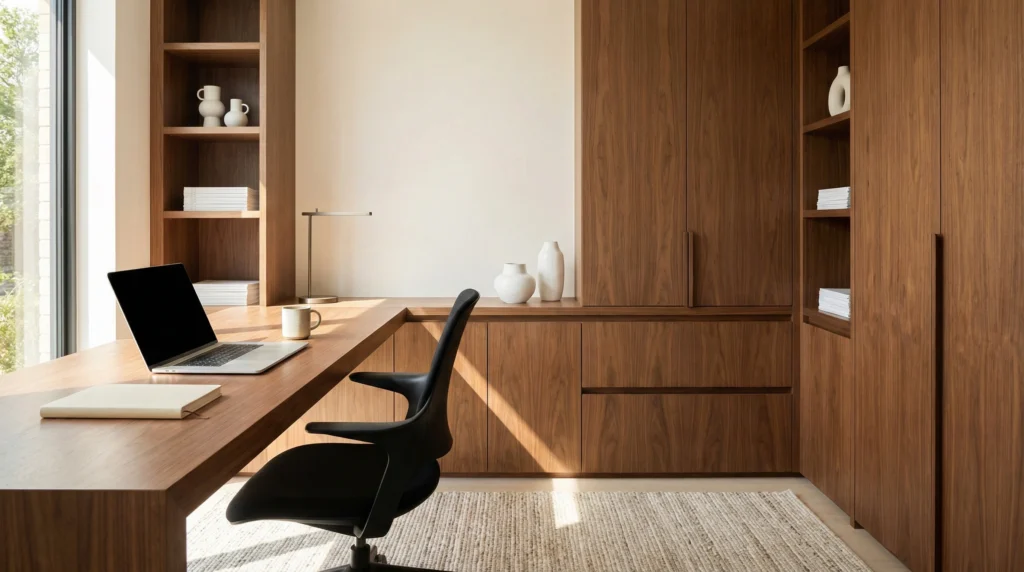
Office
Elevate your workspace with expert commercial carpentry. From custom-built ergonomic workstations to sleek boardroom features, we design and install high-quality office interiors that blend professional aesthetics with everyday functionality.
Retail Shops
First impressions are everything in retail. Our commercial carpentry team specializes in bespoke shelving, high-end display units, and unique storefront fixtures designed to showcase your products and enhance the customer shopping experience.
Restaurants and Cafes
Create an inviting atmosphere for your guests with custom-crafted woodwork. We provide durable commercial carpentry solutions, including booth seating, custom bars, and decorative timber accents that stand up to the rigors of a busy hospitality environment.
Partitions and Panels
Optimize your layout with precision-engineered partitions and wall panels. Our commercial carpentry services provide versatile room dividers and acoustic paneling that offer both privacy and structural beauty to any commercial floor plan.
Custom Home Office Carpentry Dubai: Bespoke Workspaces That Elevate Your Productivity
Since remote work reshaped how Dubai professionals approach their careers, your home office has become far more than a spare room with a desk. It's your daily headquarters, your creative sanctuary, and increasingly, the space where your most important work happens.
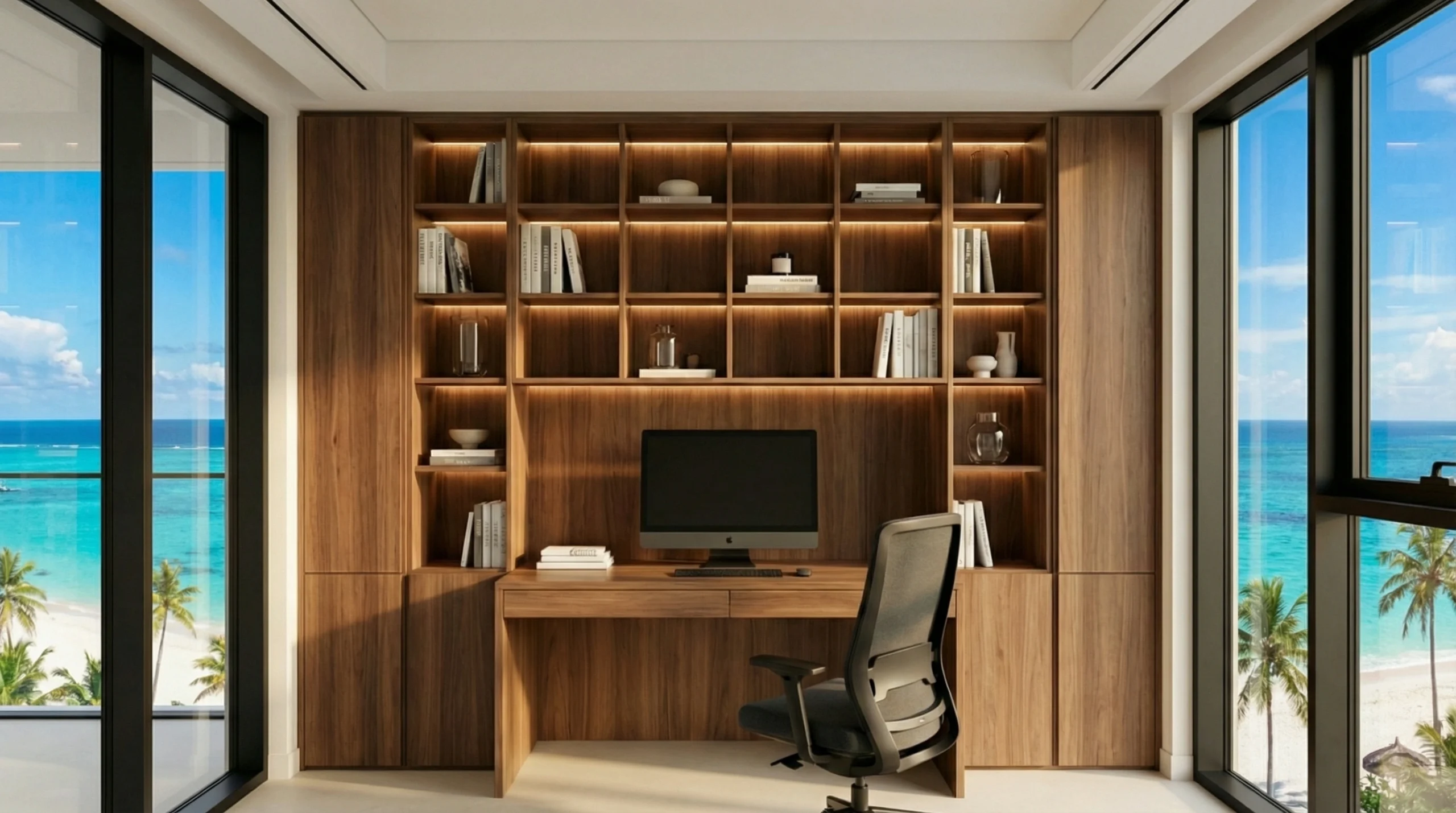
Karnak Carpentry has been designing and building home office carpentry in Dubai since 1988, long before “working from home” entered the daily vocabulary of UAE professionals. We’ve transformed over 2,400 residential spaces across all seven emirates into functional, beautiful workspaces that address the specific challenges of our climate, architectural styles, and the way people actually work in their homes.
The shift to hybrid and remote work models has created unprecedented demand for thoughtfully designed home offices, but it’s also exposed a critical gap in the market. Most furniture retailers offer generic desks that don’t fit Dubai’s varied apartment layouts or villa configurations. Home office carpentry dubai Standard solutions ignore cable management needs, provide inadequate storage for the modern professional’s equipment, and fail completely when confronted with our humidity levels and temperature fluctuations. Your home deserves better than mass-produced compromises.
After completing home office projects in Downtown Dubai penthouses, Arabian Ranches villas, Business Bay apartments, and everywhere between, we’ve developed an approach that balances aesthetic sophistication with practical functionality. Our custom home office carpentry doesn’t just look exceptional in your space—it actively improves how you work, stores everything you need within arm’s reach, and withstands the demands of daily professional use in UAE conditions for decades.
Understanding Modern Home Office Requirements in Dubai
The home office has evolved dramatically from the simple desk-and-chair setup that sufficed a generation ago. Today’s professionals require integrated technology infrastructure, proper ergonomic support, video conferencing backgrounds that reflect well in virtual meetings, and storage systems that keep expanding collections of equipment, documents, and materials organized without cluttering precious Dubai living space.
We’ve analyzed workspace patterns across hundreds of home office projects, from financial consultants running full operations from Palm Jumeirah villas to creative directors maintaining studios in Dubai Marina towers. The consistent finding: generic furniture fails because it treats the home office as a single-purpose room, when reality demands flexibility. Your workspace might host client video calls at 9 AM, transform into a creative brainstorming environment by noon, accommodate your teenager’s online tutoring session at 4 PM, and serve as your personal sanctuary for focused deep work after dinner.
Space Optimization for Dubai Properties
Dubai apartments and villas present unique spatial challenges that require custom carpentry solutions rather than off-the-shelf furniture. Many apartments feature columns that interrupt wall runs, creating awkward corners that standard desks can’t address. Villa studies often have beautiful proportions but lack the electrical infrastructure for modern technology needs. Older properties in Jumeirah or Umm Suqeim have high ceilings that beg for floor-to-ceiling storage solutions impossible with freestanding furniture.
Our approach starts with comprehensive spatial analysis. We measure not just dimensions but sight lines—what you see when seated at your desk matters enormously for focus and wellbeing. We evaluate natural light patterns throughout the day, understanding that harsh afternoon sun through east-facing windows requires different design solutions than soft northern light. We identify dead zones where circulation patterns make furniture placement impractical, then design built-in solutions that reclaim this space productively.
The most successful projects address vertical space systematically. In a typical Dubai apartment with 2.8-meter ceilings, we’re designing storage that utilizes the full height while maintaining visual proportion. This might mean floating upper cabinets that stop 40 centimeters from the ceiling to avoid a claustrophobic feel, or floor-to-ceiling units in a darker finish that recede visually while maximizing storage capacity. For villas with 3.5 to 4-meter ceilings, we often create a library wall effect with integrated ladders or position storage in strategic zones that complement rather than overwhelm the room’s proportions.
Technology Integration Beyond Basic Cable Management
Every home office we design in 2025 requires sophisticated technology infrastructure, but the specific needs vary wildly between professions and working styles. A financial analyst running multiple monitors requires different solutions than an architect using large-format displays and a drawing tablet. Video content creators need equipment storage, camera mounting options, and lighting solutions that traditional office furniture never contemplated.
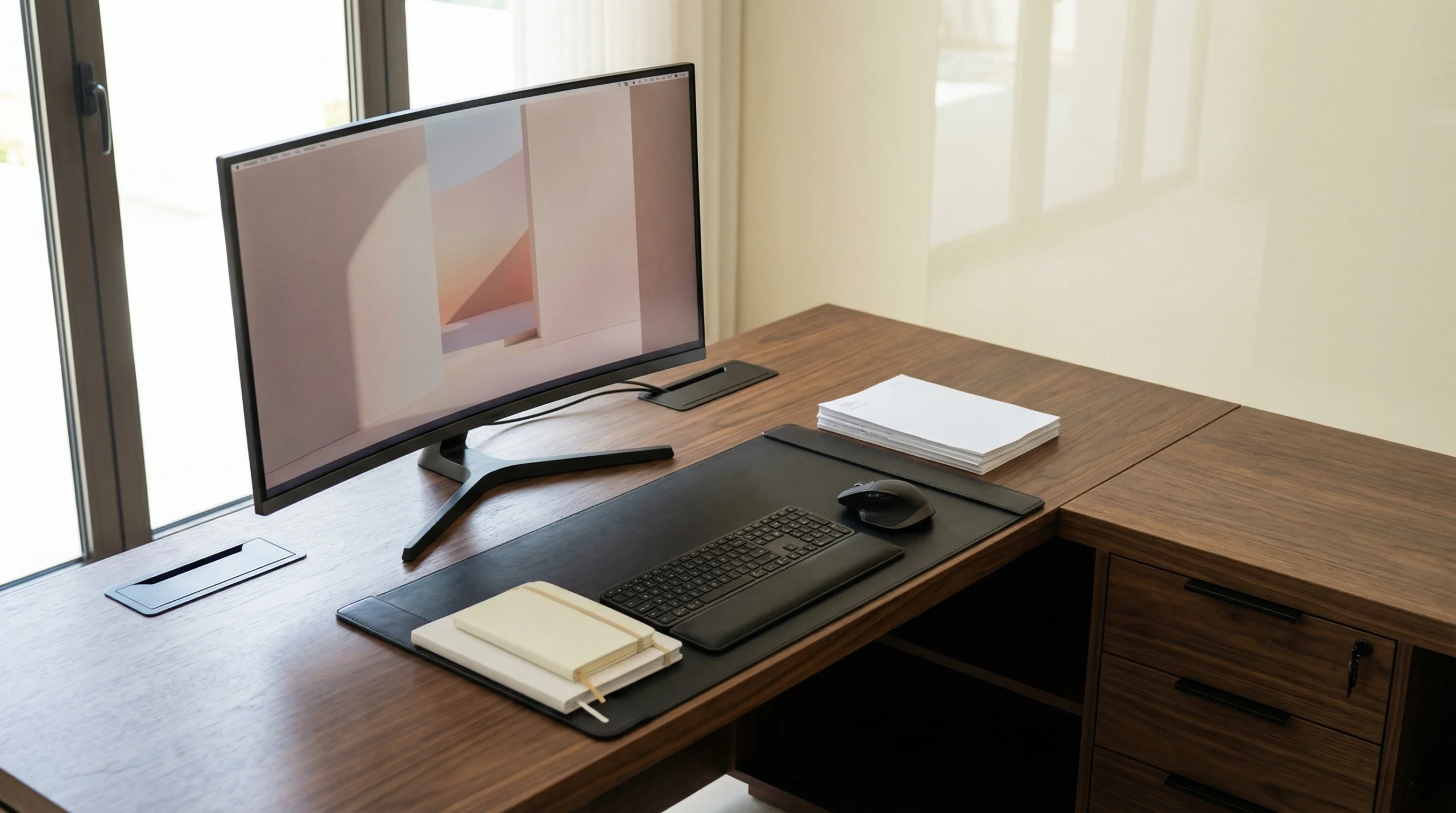
We’ve developed comprehensive technology integration systems refined across hundreds of installations. This includes dedicated cable management channels routed through desk structures and wall units, keeping power cables, data connections, and charging cables completely hidden from view. We position power outlets and USB charging ports at desktop level where they’re accessible without crawling under furniture, using pop-up units in desk surfaces or integrated outlet strips in monitor stands and shelving.
For professionals conducting frequent video calls, we design backgrounds intentionally. This might involve a carefully composed shelving wall displaying your professional library and curated objects that convey expertise without distraction. Or a wood-paneled backdrop with subtle texture that photographs beautifully in camera but doesn’t compete for attention. We position the desk and built-in elements to optimize natural light on your face while avoiding window glare behind you—a detail that dramatically improves your professional presence in virtual meetings.
Acoustic Considerations in Shared Homes
Dubai homes increasingly serve multiple purposes simultaneously. Your home office exists in a property where children attend online classes, partners take their own work calls, household staff manage daily operations, and family life unfolds. Sound management becomes critical for productivity and professionalism, yet it’s rarely addressed in conventional furniture solutions.
Our acoustic approach integrates sound-dampening materials within the carpentry itself. We use acoustic backing on wall-mounted cabinets and panels, creating barriers that reduce sound transmission to adjacent rooms. For homes where the office shares walls with bedrooms or living areas, we’ve designed double-wall cabinet systems with insulation between layers. The visual result remains sleek and sophisticated, but the functional benefit proves invaluable when you’re navigating a sensitive client call while your family goes about their day.
Soft-close drawer systems and cabinet doors eliminate the jarring sounds of furniture operation that can disrupt video calls or break concentration during deep work. We select materials and construction techniques that minimize resonance—solid wood elements with proper joinery rather than hollow particle board that amplifies every sound. In open-plan villas where the office area flows into other living spaces, we’ve created semi-transparent room dividers using vertical wood slats or bookshelf walls that define the workspace acoustically and visually without completely closing it off.
Comprehensive Home Office Carpentry Solutions
Our home office carpentry encompasses every element required to create a complete, functional workspace tailored to your professional needs and spatial constraints. Rather than forcing you to coordinate separate purchases from multiple vendors, we design and fabricate integrated systems where every component works together aesthetically and functionally.
Custom Desk Systems and Work Surfaces
The desk forms the foundation of any productive workspace, and we’ve moved far beyond the simple rectangular slab most people envision. Our custom desk systems respond to how you actually work, the equipment you use daily, the space you have available, and the aesthetic that motivates you to do your best work. A tax consultant reviewing documents and spreadsheets requires different surface area and organization than a graphic designer working primarily on a tablet and dual monitors.
For compact Dubai apartments, we design corner desks that maximize usable workspace while minimizing floor footprint. These aren’t the cheap laminate corner units from office supply stores—we’re creating substantial work surfaces with multiple functional zones: primary work area, monitor platform, equipment station, and landing zone for items in process. The corner configuration captures space that’s often wasted and transforms it into the most productive part of your office. We integrate power access at multiple points so you never struggle with cable reach, and include pathways within the desk structure for pristine cable routing.
In larger villas where space permits, we often design L-shaped or U-shaped configurations that create dedicated zones for different work modes. Your primary desk handles computer-based work with ergonomic monitor positioning and keyboard placement. The perpendicular return serves as a meeting area for in-person client discussions or a crafting surface for hands-on project work. The continuous surface area means you can spread out multiple projects simultaneously without the constant shuffling that smaller desks force upon you. Every transition point receives attention—we radius internal corners for comfort and safety, ensure consistent height across surfaces, and maintain seamless material flow that makes the entire configuration feel like one cohesive element.
Home office carpentry Dubai
Height matters enormously for ergonomic comfort and long-term health, yet standard desks ignore the reality that people range from 150 to 195 centimeters tall. We design desks at the proper height for your body—typically 72 to 76 centimeters for most adults, but we’ve built surfaces as low as 68 centimeters for petite clients and as high as 80 centimeters for very tall professionals. For families where multiple people use the same space, we’ve created desks with mechanical or electric height adjustment systems integrated into the custom carpentry, maintaining the aesthetic sophistication while adding functional flexibility.
Standing desk capability has become increasingly requested as health awareness grows among Dubai professionals. We integrate electric lift mechanisms into custom wood structures, creating sit-stand workstations that look nothing like the generic office furniture versions. The mechanical components remain completely hidden within the desk structure, with simple controls positioned discretely within reach. We design the cabinetry and storage elements to account for the height range, ensuring that frequently accessed items remain accessible whether you’re sitting or standing.
Integrated Storage Architecture
Effective home office storage requires understanding not just how much you need to store, but how you access and use different categories of items throughout your workday. We’ve developed storage architecture that creates homes for everything from daily-use items requiring instant access to archived materials you reference occasionally to equipment that stays tucked away until needed.
Lower cabinet systems form the foundation of most storage plans, providing substantial capacity within easy reach while maintaining a clean desktop. We design drawer configurations based on actual contents rather than arbitrary layouts. A shallow drawer with adjustable dividers keeps pens, cables, and small items organized. Medium-depth drawers accommodate documents, notebooks, and tablets. Deep file drawers with full-extension slides hold hanging files or equipment. Every drawer includes soft-close mechanisms that prevent the slam that disrupts concentration and extends hardware life.
Many professionals accumulate specialized equipment—cameras, microphones, lighting, cables, chargers, external drives, tablets, backup devices. We create dedicated equipment stations within the storage architecture: a lockable cabinet with charging infrastructure for valuable electronics, a drawer with custom foam inserts protecting camera gear, a pull-out shelf housing a scanner or printer that disappears when not in use. This approach keeps expensive equipment safe and organized while maintaining the clean aesthetic that makes the space pleasant to work in daily.
Upper storage systems extend capacity vertically without crowding the desk area. We design these cabinets with strategic door configurations—solid doors hiding storage that need not be visible, glass doors displaying professional libraries or curated objects, or open shelving for items you access frequently or want to showcase. The proportions and positioning matter enormously: cabinets mounted too low create a tunnel effect that feels oppressive, while units positioned too high prove inaccessible and waste potential. We typically position the bottom of upper cabinets 45 to 55 centimeters above the desk surface, creating useful space for monitors or task lighting while maintaining comfortable visual openness.
Display and Library Systems
Your home office often serves as the primary location for professional libraries, credentials, awards, and objects that communicate your expertise and interests. Generic bookcases arranged against walls create visual clutter and fail to integrate with the room’s architecture. Our approach treats display and storage as an architectural element that enhances the space while serving practical purposes.
Floor-to-ceiling bookshelf walls transform an ordinary room into a space with gravitas and character. We design these systems with varied shelf depths to accommodate different materials—shallow shelves for paperbacks and binders, deeper sections for art books or equipment, and strategic open compartments breaking up the visual mass. Integrated lighting brings the collection to life and provides ambient illumination that makes the space feel warm and inviting beyond task lighting alone.
The challenge with extensive shelving involves maintaining visual order despite the chaotic nature of most book collections. We create rhythm through consistent shelf spacing in certain zones, varied heights in others. We include closed storage compartments at strategic points, providing visual rest and hiding less attractive necessities. For collections heavy in similar-looking volumes, we’ve incorporated backs in contrasting colors or materials that add subtle interest. The goal remains creating a display that feels collected and personal rather than sterile and showroom-like.
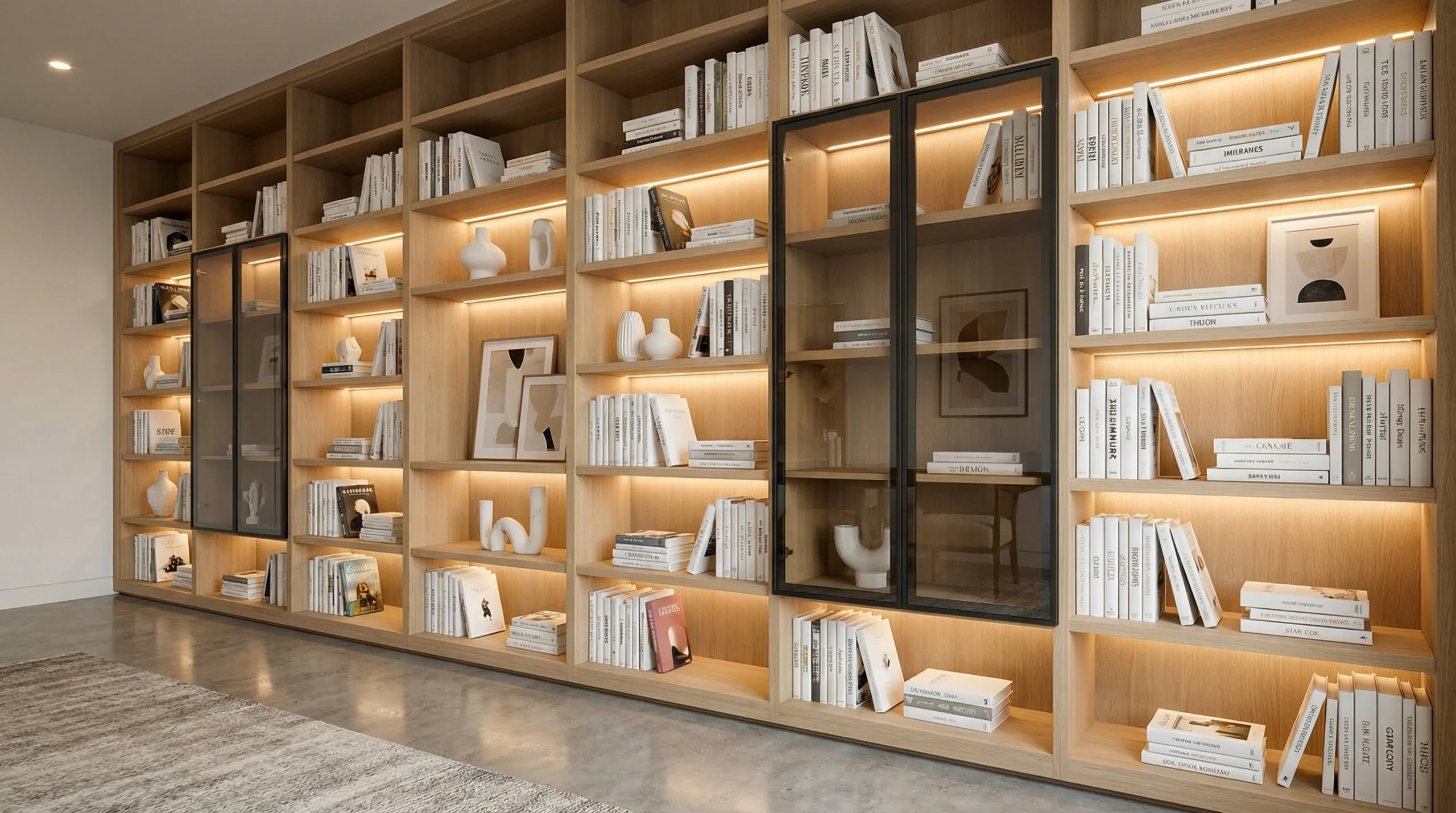
Credential displays require particular attention to proportion and positioning. home office carpentry Dubai We create dedicated shadow boxes or display niches for framed degrees, certifications, and awards elements that establish professional credibility but can appear boastful if over-emphasized. The ideal placement puts these items visible to video call cameras and in-person visitors without dominating the space. We’ve designed solutions ranging from a simple wall-mounted ledge system to elaborate illuminated display cases, always scaled appropriately to the collection and the professional context.
Workspace Enclosures and Privacy Solutions
Open-plan living has become standard in modern Dubai villas, creating beautiful flowing spaces that also present challenges for focused work and video call privacy. We’ve developed partial enclosure systems that define office zones within larger rooms without the commitment and expense of traditional walls and doors.
Sliding panel systems create on-demand privacy using vertical wood slats, frosted glass, or fabric panels that traverse on ceiling-mounted tracks. When you need to concentrate or take a confidential call, you close the panels, creating a defined room. When you want to maintain connection with the rest of the home, panels slide away completely. The track systems we specify handle daily operation reliably, moving smoothly and quietly without the jerking and binding that plague cheap installations.
For permanent but visually permeable divisions, we design bookshelf walls or slatted screens that separate the office area while maintaining sight lines and light flow. These elements become architectural features that enhance the space aesthetically while serving the functional purpose of definition. A two-sided bookshelf accessible from both office and living areas creates separation while providing storage for both zones. Vertical slat screens in beautiful wood filter views and sound without the solid barrier of a wall.
Some projects require actual enclosed rooms where none exist. We’ve converted villa balconies, underutilized maid’s rooms, portions of master bedrooms, and garage corners into proper home offices through careful planning and execution. This involves not just carpentry but coordination with AC extension, electrical infrastructure, lighting design, and sometimes window installation. Our experience managing these complex renovations across Dubai ensures the finished space integrates seamlessly with your home’s existing architecture and systems.
Specialized Workspace Solutions
Certain professions require workspace configurations beyond the standard desk and storage model. We’ve designed and fabricated specialized solutions for creatives, technical professionals, and others whose work demands particular equipment, materials, or processes.
Architects and designers need space for large-format drawings, multiple screen configurations, physical model building, and material sample libraries. We create drafting surfaces that integrate with digital workstations, providing the best of traditional and contemporary workflows. Large flat files with shallow drawers preserve drawings and prints. Vertical slot storage keeps foam core and poster boards organized without consuming floor space. Sample libraries with labeled compartments organize the hundreds of material options these professionals accumulate.
Artists and crafters require storage for supplies, tools, and works in progress that extends well beyond typical office needs. We design cabinet systems with specialized compartments for brushes, paints, adhesives, and small tools. We create drying racks for wet work and flat storage for canvas or paper. We include work surfaces that can withstand paint, glue, and cutting without concern for damage. The challenge involves creating systems organized enough to find what you need when inspiration strikes while accommodating the beautiful chaos that creative work generates.
Video content creators and podcasters need equipment storage, backdrops, lighting solutions, and cable management far exceeding typical office requirements. We’ve designed studios-within-offices that include equipment cabinets with charging infrastructure, adjustable shelving for cameras and lenses, mounting systems for lights and microphones, and carefully composed backgrounds that look professional on camera. Sound-dampening materials integrate into panels and cabinets, reducing echo and improving recording quality.
The Karnak Home Office Development Process
Creating a home office that truly serves your needs requires more than showing up with pre-cut components and installing them. Our process acknowledges that every professional works differently, every Dubai home presents unique constraints and opportunities, and the best solutions emerge through collaborative exploration rather than one-size-fits-all templates.
Initial Consultation and Needs Assessment
We begin every project with a conversation that goes substantially beyond “Where do you want your desk?” Our initial consultation explores how you actually work, what you’re trying to accomplish in your home office, and what frustrations you’re experiencing with your current setup. We discuss your typical workday—when you’re at your desk, what tasks you perform, what equipment you use, who else in your household might use the space.
We want to understand your work style and preferences. Some professionals thrive in minimalist environments with every item put away and surfaces clear. Others think better surrounded by reference materials, current projects, and visual inspiration. Some people work in long focused sessions requiring extensive surface area for spreading out materials. Others move between tasks frequently, needing dedicated stations for different activities. Neither approach is superior, but the carpentry solutions differ substantially.
The consultation includes discussing aesthetics and how the office relates to your home’s overall design language. We review images of spaces you find appealing, discuss wood species and finishes you’re drawn to, and explore whether the office should match adjacent rooms or establish its own character. For Dubai villas where the office might have architectural details like columns or archways, we discuss whether to emphasize or minimize these elements. In modern apartments with clean contemporary architecture, we explore how the carpentry can enhance this aesthetic while adding warmth.
Budget conversations happen early and honestly. We discuss the scope you’re envisioning and provide realistic range expectations based on similar projects. Custom carpentry represents an investment, and we respect that you need to understand costs before committing to detailed design development. We can adjust project scope to align with budget—perhaps starting with the primary desk and storage system with plans to add the library wall later, or designing the full system but fabricating in phases.
Site Survey and Spatial Analysis
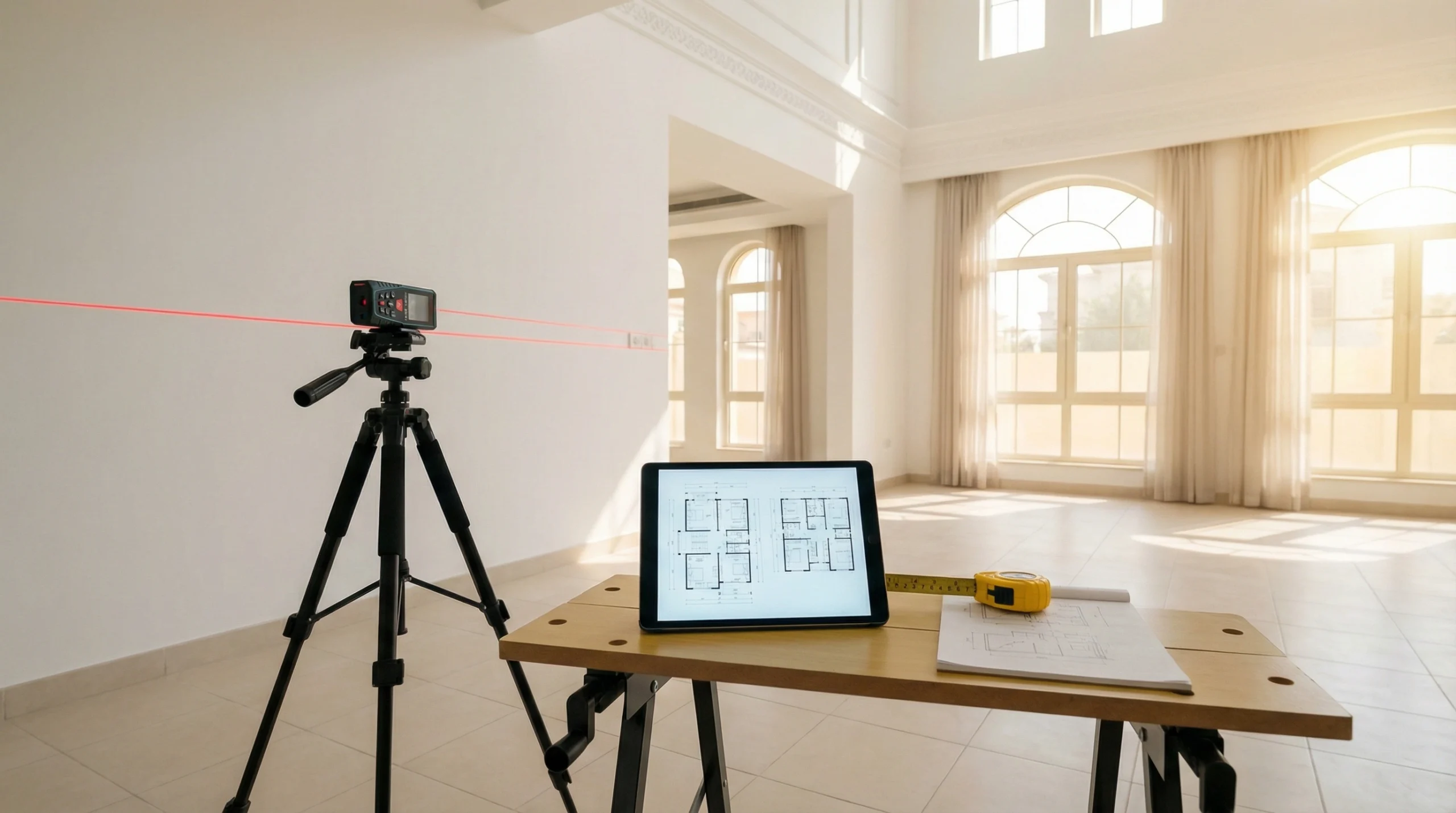
Following the initial consultation, we conduct a detailed site survey at your Dubai property, taking comprehensive measurements and documenting conditions that influence design decisions. This goes well beyond recording room dimensions—we’re evaluating everything that affects how the carpentry will fit, function, and integrate with your home.
We measure floor-to-ceiling heights at multiple points, as variations occur in even new construction. We document column locations, electrical boxes, AC vents, existing lighting, windows, doors, and how they swing. We check walls for plumb and square, noting where out-of-true conditions might require adjustment. We photograph the space extensively from multiple angles, creating reference material for the design phase and documentation of existing conditions.
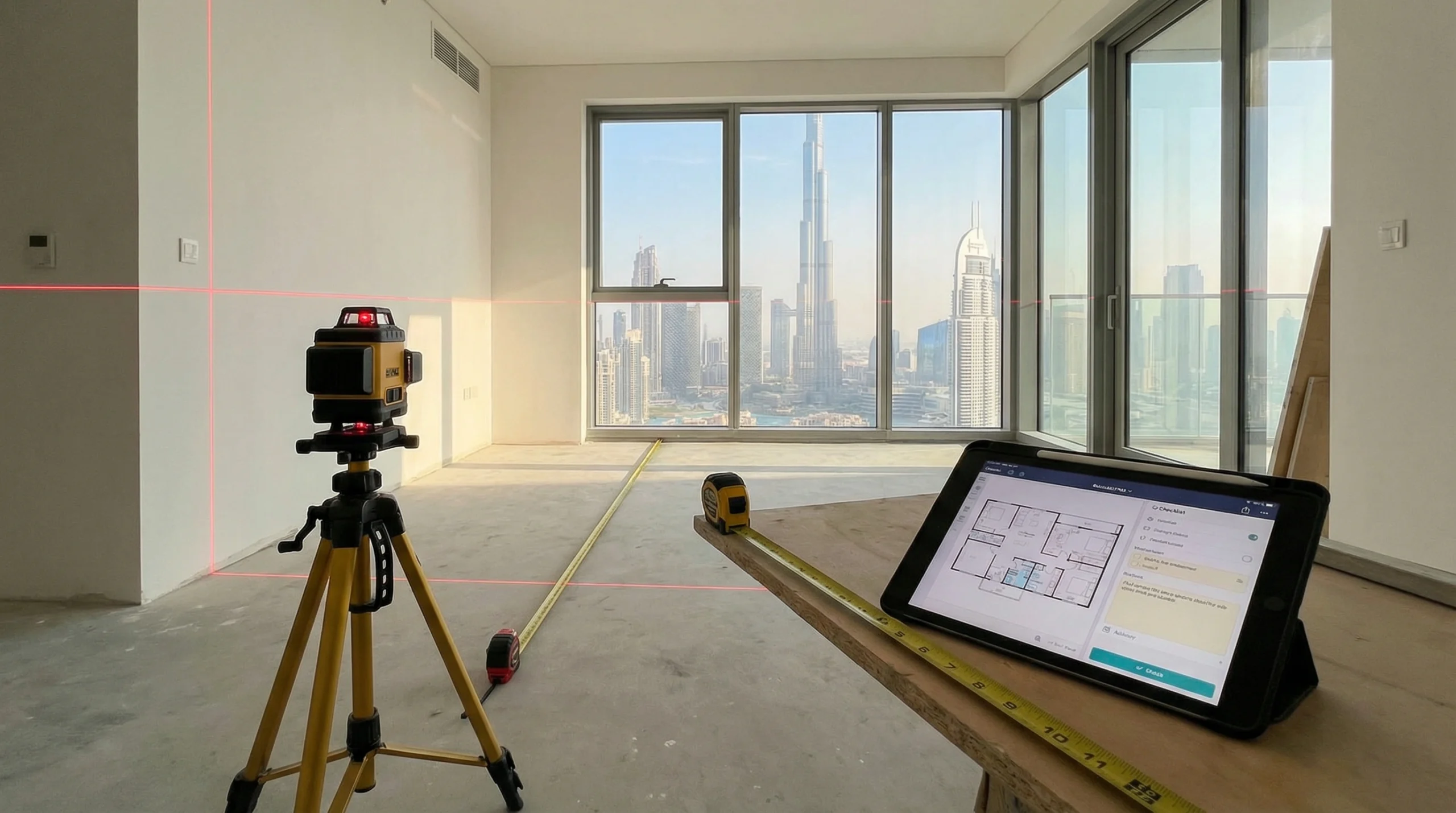
Environmental conditions receive particular attention. We note the direction windows face and assess how sun moves through the space across the day—critical information for desk positioning and glare management. We observe AC vent locations and airflow patterns, ensuring our carpentry doesn’t block cooling or create dead zones. In older Dubai properties, we assess humidity evidence and ventilation, as these factors influence material selection and finishing approaches.
We discuss logistics that affect installation: elevator access and dimensions, stairwell clearances, whether large pieces can be brought in through windows, parking for work vehicles. In many Dubai high-rises, we coordinate with building management regarding service elevator access, working hour restrictions, and construction deposit requirements. Understanding these constraints upfront prevents surprises that delay projects or require expensive redesigns.
Design Development and Visualization
Armed with detailed measurements and deep understanding of your needs, we develop comprehensive design proposals that translate our conversations into specific carpentry solutions. For straightforward projects, this might involve detailed drawings and material specifications. For complex installations, we create 3D renderings that let you visualize exactly how the finished office will look in your space.
The first design presentation typically includes multiple options exploring different approaches to your requirements. Perhaps we show a corner desk configuration alongside an L-shaped alternative. Maybe we present both floor-to-ceiling storage and a lower cabinet approach with wall-mounted shelving above. We’re not trying to confuse you with choices but rather demonstrate that multiple valid solutions exist and help you understand the tradeoffs each involves.
We refine the design iteratively based on your feedback. You might love the storage capacity of option A but prefer the desk configuration from option B. We combine these elements and adjust proportions. You might decide you need more closed storage and less open shelving than initially discussed. We redesign accordingly and show you the results. This collaborative refinement continues until you’re completely confident the design will deliver the workspace you’re envisioning.
Material and finish selections happen during design development. We provide samples of the wood species and finishes we recommend, letting you see and feel the actual materials. We discuss how different woods behave in Dubai’s climate—some species handle humidity fluctuations better than others. We explain finish options from natural oils that showcase wood grain to painted surfaces in custom colors. We consider how the materials relate to your home’s existing finishes, whether to match or complement.
Workshop Fabrication
Once design receives your approval, fabrication begins in our Dubai workshop where we’ve been crafting custom carpentry since 1988. Unlike companies that outsource production or import pre-made components, we control every aspect of construction in-house, ensuring the quality and precision that complex home office installations demand.
We start with material selection and preparation, choosing specific boards based on grain patterns, color consistency, and structural suitability. We acclimate materials to Dubai conditions before fabrication begins, allowing wood to adjust to local humidity levels and minimize later movement. We mill components to precise dimensions, with tolerances measured in tenths of millimeters—the precision that ensures drawers glide smoothly and doors align perfectly even years after installation.
Traditional joinery techniques provide strength that will outlast the building itself. Drawers receive dovetail joints that hold tight through decades of daily use rather than stapled boxes that fail within years. Cabinet frames use mortise-and-tenon construction that creates rigid structures resistant to racking and twisting. We reinforce large desk surfaces with engineered substrates and proper framework that prevents sagging even when loaded with heavy equipment.
Finishing work happens in controlled workshop conditions impossible to replicate on-site. We apply stains and topcoats in dedicated finishing rooms with proper ventilation and climate control, building up multiple thin layers rather than single thick coats. We sand between finish coats to create glass-smooth surfaces free of dust inclusions or orange peel texture. We allow proper curing time before installation, ensuring finishes have fully hardened and won’t show marks from handling.
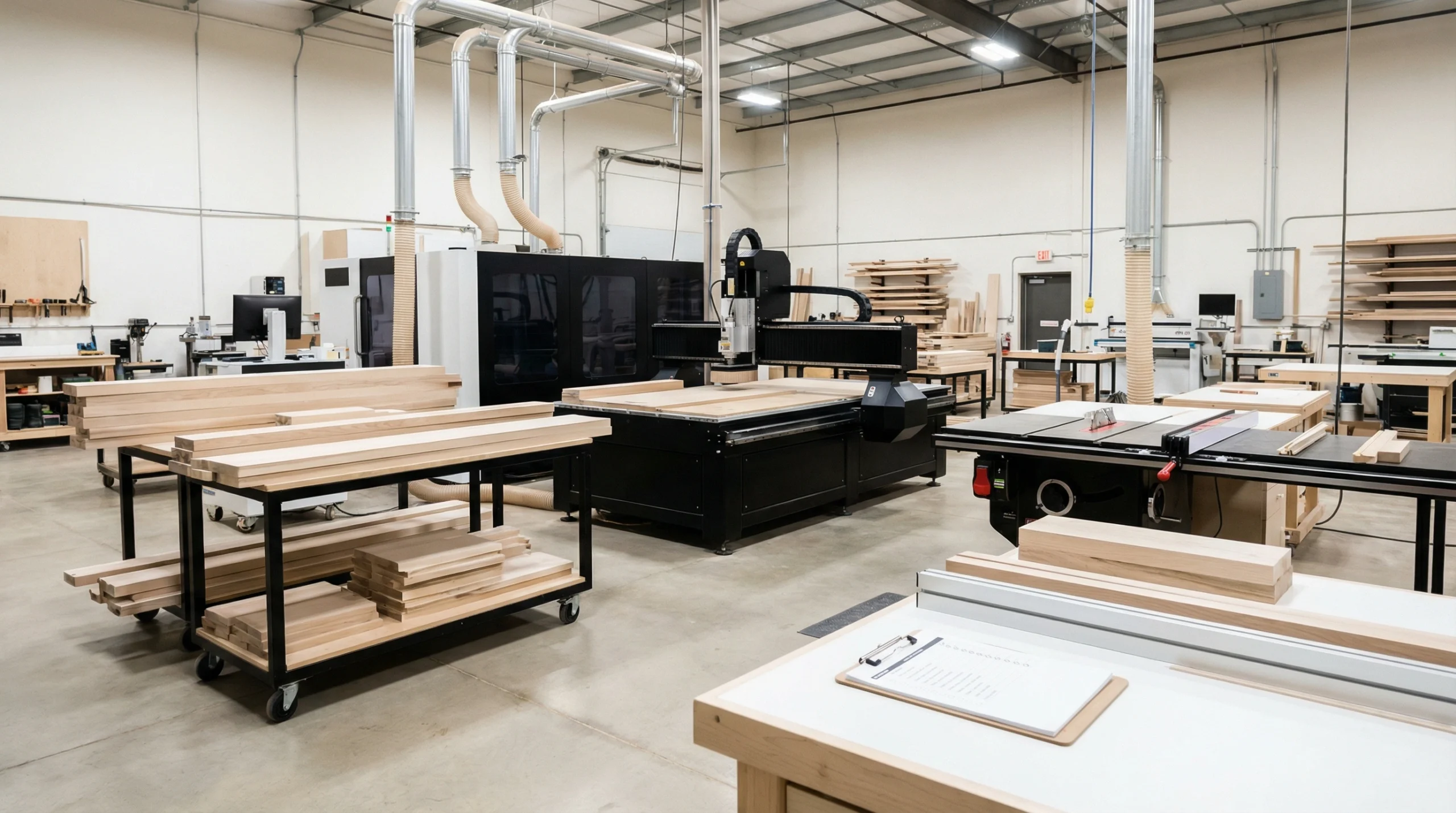
Quality control checkpoints throughout fabrication catch any issues before components reach your home. We verify dimensions against design specifications, test drawer operation and door alignment, inspect finish quality under bright light, and confirm all hardware functions smoothly. We pre-assemble complex sections in the workshop, ensuring everything fits correctly before disassembly and transport to site.
Professional Installation
Installation transforms the crafted components from individual pieces into a cohesive office system integrated with your home’s architecture. Our installation teams bring decades of combined experience handling delicate finishes, achieving perfect level and alignment, and working within occupied Dubai residences with minimal disruption to your daily life.
We coordinate installation timing around your schedule and building requirements. Many Dubai high-rises restrict construction work to specific hours or days. We work with building management to secure necessary approvals and access. We protect your property extensively—covering floors with heavy-duty materials, masking AC vents against dust, and protecting walls and doorways along transport paths.
The installation sequence follows careful planning that accounts for access constraints and assembly logic. We bring in lower cabinets and position them precisely, shimming as necessary to achieve perfect level despite floor irregularities. We secure them to walls with appropriate fasteners for your specific wall construction—concrete requires different approaches than gypsum board or block. We install upper cabinets with laser-guided precision, ensuring alignment with lower units and maintaining consistent reveals.
Desk installation requires particular precision for proper ergonomics and aesthetics. We position surfaces at the exact height specified during design, verify level across the entire surface, and secure them against movement. We route cables through integrated management systems, connecting power and data infrastructure. We test all moving components—drawers, doors, keyboard trays, monitor arms—ensuring smooth operation and making any final adjustments.
Final Refinement and Handover
Installation completion triggers our final refinement process where we address every detail until the office achieves absolute perfection. We inspect all surfaces under bright light, touching up any marks from transport or installation. We verify all drawer and door adjustments, ensuring consistent reveals and smooth operation. We clean thoroughly, removing any workshop dust or installation debris.
We conduct a comprehensive walkthrough with you, demonstrating all features and functions. We show you how hardware operates, explain any adjustment mechanisms, point out drawer organizers and specialty storage features. We review care and maintenance requirements specific to your materials and finishes. We answer any questions about using the space effectively or future customization possibilities.
We provide detailed documentation including design drawings, material specifications, finish information, and hardware details. This documentation proves valuable for insurance purposes, future renovations, or if you ever need to modify the carpentry. We include supplier information for any specialty components should replacement ever become necessary.
Our installation team leaves your home in immaculate condition, removing all protective materials and leaving only your beautiful new workspace. We schedule a follow-up contact for several weeks after installation, checking that everything continues functioning perfectly as you settle into daily use of the space.
Why UAE Professionals Choose Karnak for Home Office Carpentry
The decision to invest in custom home office carpentry represents a significant commitment of budget and trust. Generic furniture might cost less initially, but it rarely delivers the functionality, durability, or aesthetic impact that justifies occupying valuable square meters in your Dubai property. Our clients choose Karnak because they recognize that their workspace directly influences their productivity, their professional image, and their daily satisfaction.
Three Decades of UAE-Specific Expertise
Since 1988, we’ve completed over 2,400 home office projects across Dubai, Abu Dhabi, Sharjah, and the other emirates. This experience isn’t abstract—it translates into knowing which materials and construction techniques succeed in UAE conditions and which fail. We’ve solved the warping issues that plague poorly engineered desks in coastal Dubai apartments. We’ve navigated municipality approval processes for home office additions in countless communities. We understand which wood species and finishes maintain their beauty through our climate extremes and which deteriorate within years.
Our institutional knowledge extends to UAE property types and their unique characteristics. Emirates Hills villas have different spatial opportunities than Downtown Dubai apartments. The Springs townhouses require different approaches than Palm Jumeirah penthouses. We’ve worked in virtually every major Dubai community and most Abu Dhabi developments, understanding building-specific constraints like elevator dimensions, construction rules, and architectural details that influence carpentry design.
We maintain relationships with specialized suppliers who provide materials difficult or impossible to source through conventional channels. When a project requires a specific wood species, unusual hardware, or custom components, our network delivers. We stock items that work reliably in UAE conditions based on decades of testing—the drawer slides that don’t bind after two summers, the finishes that resist heat and humidity, the edge banding adhesives that stay adhered year after year.
Integrated Approach Eliminating Coordination Headaches
Many homeowners attempting home office projects find themselves coordinating between multiple contractors—a carpenter for cabinets, an electrician for outlets, a painter for walls, an AC technician for vent adjustments. Each specialist schedules independently, points fingers when problems arise, and leaves you managing a project that balloons beyond expectations in timeline and budget.
Karnak provides comprehensive project management for the entire office installation. We coordinate the electrician extending outlets to your desk location. We handle the AC adjustments if ductwork needs modification. We manage any painting or preparation work required before carpentry installation. You work with a single point of contact throughout the project, and we take responsibility for delivering a completed space rather than just our portion of the work.
This integrated approach proves particularly valuable for complex projects involving structural modifications. Converting a bedroom into a proper office might require wall removal, door installation, window replacement, or other construction beyond pure carpentry. We manage these elements through our network of qualified specialists, ensuring everything coordinates properly and maintaining quality control across all aspects.
Materials and Construction Built for Longevity
The difference between furniture that serves you well for years versus disappointing you within months often comes down to material quality and construction technique—factors invisible in showroom visits but obvious in daily use. We build home offices using proven materials and time-tested joinery that ensure your investment delivers value across decades.
We source solid woods and engineered products from suppliers meeting our quality standards, rejecting materials based solely on price. For visible surfaces, we use solid wood or high-quality veneers rather than printed laminate. For structural components, we specify plywood or MDF grades appropriate for the application rather than the cheapest available option. For hardware, we install brands like Blum, Hettich, and Grass that function smoothly through hundreds of thousands of cycles rather than cheap alternatives that bind or break.
We discuss logistics that affect installation: elevator access and dimensions, stairwell clearances, whether large pieces can be brought in through windows, parking for work vehicles. In many Dubai high-rises, we coordinate with building management regarding service elevator access, working hour restrictions, and construction deposit requirements. Understanding these constraints upfront prevents surprises that delay projects or require expensive redesigns.
Design Development and Visualization
Armed with detailed measurements and deep understanding of your needs, we develop comprehensive design proposals that translate our conversations into specific carpentry solutions. For straightforward projects, this might involve detailed drawings and material specifications. For complex installations, we create 3D renderings that let you visualize exactly how the finished office will look in your space.
The first design presentation typically includes multiple options exploring different approaches to your requirements. Perhaps we show a corner desk configuration alongside an L-shaped alternative. Maybe we present both floor-to-ceiling storage and a lower cabinet approach with wall-mounted shelving above. We’re not trying to confuse you with choices but rather demonstrate that multiple valid solutions exist and help you understand the tradeoffs each involves.
We refine the design iteratively based on your feedback. You might love the storage capacity of option A but prefer the desk configuration from option B. We combine these elements and adjust proportions. You might decide you need more closed storage and less open shelving than initially discussed. We redesign accordingly and show you the results. This collaborative refinement continues until you’re completely confident the design will deliver the workspace you’re envisioning.
Material and finish selections happen during design development. We provide samples of the wood species and finishes we recommend, letting you see and feel the actual materials. We discuss how different woods behave in Dubai’s climate—some species handle humidity fluctuations better than others. We explain finish options from natural oils that showcase wood grain to painted surfaces in custom colors. We consider how the materials relate to your home’s existing finishes, whether to match or complement.
Workshop Fabrication
Once design receives your approval, fabrication begins in our Dubai workshop where we’ve been crafting custom carpentry since 1988. Unlike companies that outsource production or import pre-made components, we control every aspect of construction in-house, ensuring the quality and precision that complex home office installations demand.
We start with material selection and preparation, choosing specific boards based on grain patterns, color consistency, and structural suitability. We acclimate materials to Dubai conditions before fabrication begins, allowing wood to adjust to local humidity levels and minimize later movement. We mill components to precise dimensions, with tolerances measured in tenths of millimeters—the precision that ensures drawers glide smoothly and doors align perfectly even years after installation.
Traditional joinery techniques provide strength that will outlast the building itself. Drawers receive dovetail joints that hold tight through decades of daily use rather than stapled boxes that fail within years. Cabinet frames use mortise-and-tenon construction that creates rigid structures resistant to racking and twisting. We reinforce large desk surfaces with engineered substrates and proper framework that prevents sagging even when loaded with heavy equipment.
Finishing work happens in controlled workshop conditions impossible to replicate on-site. We apply stains and topcoats in dedicated finishing rooms with proper ventilation and climate control, building up multiple thin layers rather than single thick coats. We sand between finish coats to create glass-smooth surfaces free of dust inclusions or orange peel texture. We allow proper curing time before installation, ensuring finishes have fully hardened and won’t show marks from handling.
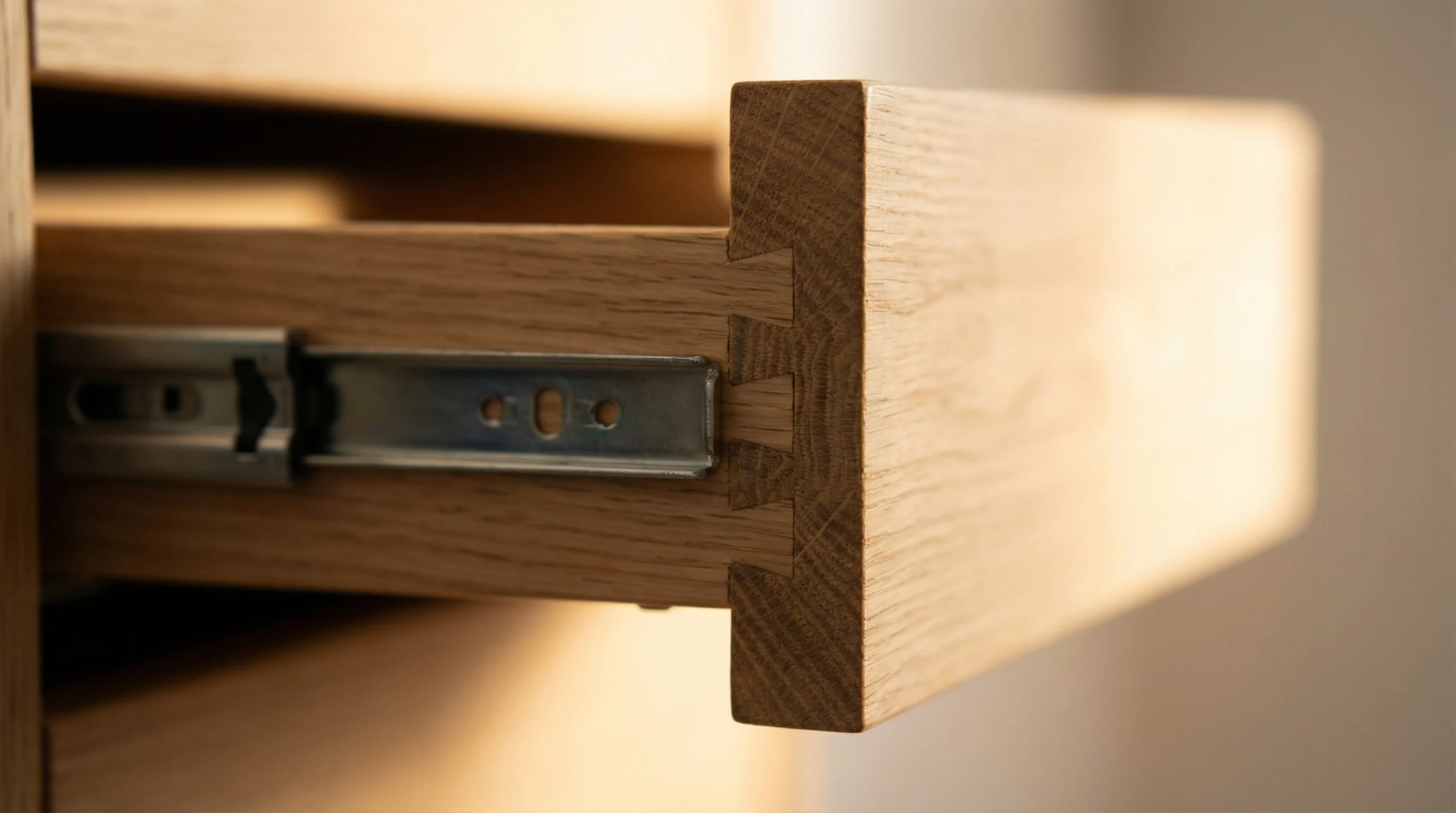
Our construction techniques prioritize longevity over speed or cost reduction. Drawers receive solid dovetail joints that grow tighter over time rather than dowel or staple construction that loosens. Cabinet frames use mortise-and-tenon or robust dowel joinery creating structures that maintain alignment indefinitely. Large surfaces receive proper substrate engineering and framework preventing sag even under substantial equipment loads.
Finishes receive particular attention as they protect wood while determining the aesthetic impact. We apply multiple thin finish coats rather than single thick layers, building depth and durability. We sand between coats for glass-smooth surfaces free of dust inclusions. We allow proper curing before installation rather than rushing partially-cured finishes into service. The result looks beautiful initially and maintains that appearance through years of daily use.
Design Expertise Creating Workspace That Functions Beautifully
A common mistake in home office planning involves prioritizing aesthetics over function or vice versa, when exceptional spaces require both working in harmony. Beautiful cabinetry that fails to accommodate your actual equipment proves frustrating daily. Perfectly functional storage that clashes with your home’s aesthetic diminishes the space’s appeal and your satisfaction working there.
Our design process balances these concerns from the earliest concepts. We analyze your workflow and storage requirements just as rigorously as we consider proportion and visual impact. We design storage that holds everything you need with items positioned for logical access while creating compositions with pleasing rhythm and visual balance. We select materials and finishes that complement your home’s architecture while meeting the practical demands of daily office use.
We bring specialized knowledge about ergonomics, technology integration, and workspace psychology that influences design decisions. We position desks at heights appropriate for your body and working style. We orient workstations to optimize natural light while avoiding glare. We create storage that keeps frequently-used items within easy reach while tucking away occasional-use equipment. We compose spaces with visual focal points and quiet zones, activity areas and contemplation corners.
Transparent Processes and Reliable Timelines
Home improvement projects earn poor reputations through blown budgets, missed deadlines, and surprises nobody wanted. We’ve built our business on the opposite approach—clear expectations set upfront, comprehensive proposals leaving nothing assumed, and project management that delivers on commitments.
Our proposals detail exactly what you’re receiving and what you’re paying. We itemize major components and specify materials, finishes, and hardware. We outline what’s included in installation and what might require additional cost if we encounter unexpected conditions. We establish payment milestones tied to project phases rather than demanding large upfront deposits.
Timeline estimates reflect realistic fabrication and installation schedules, not best-case scenarios that evaporate when normal complications arise. We commit to completion dates we can meet, accounting for material lead times, workshop capacity, and typical installation challenges. We communicate proactively if anything threatens the schedule, proposing solutions rather than making excuses.
We maintain project communication throughout the process rather than going silent after deposit collection. You receive updates as fabrication progresses. We coordinate installation scheduling well in advance. We respond promptly to questions or concerns. We treat your project with the attention and respect your investment deserves.
Warranty Protection and Ongoing Support
Custom carpentry should provide decades of reliable service, but we back that expectation with comprehensive warranty coverage providing peace of mind. We warranty our carpentry work against material and construction defects for two years from installation—coverage addressing the quality of materials, joinery integrity, finish application, and hardware function.
Hardware warranties extend longer, as manufacturers like Blum provide lifetime guarantees on their products. Should a drawer slide or door hinge fail due to manufacturing defect, we coordinate replacement with the manufacturer and handle installation. This combined coverage ensures your office receives protection from both our construction work and the components we specify.
Beyond warranty periods, we remain available for maintenance support and future modifications. Need to add a shelf years after installation? We can fabricate matching components from our detailed project documentation. Want to reconfigure storage as your needs evolve? We can advise on possibilities and execute modifications. Your carpentry becomes a long-term asset we help you maintain and adapt rather than a transaction that ends at installation.
Portfolio Demonstrating Diverse Excellence
Our home office portfolio spans the full spectrum of Dubai properties and professional requirements. We’ve created executive offices in Palm Jumeirah villas with imported exotic woods and museum-quality finishes. We’ve designed efficient compact workspaces in studio apartments maximizing every centimeter. We’ve built creative studios for artists, technical workshops for engineers, and everything between.
This breadth demonstrates our capability to deliver exceptional results regardless of project scale or style preferences. Whether you envision traditional sophistication, contemporary minimalism, industrial edge, or transitional warmth, we’ve executed successful projects that can inform your space. We’re equally comfortable creating spaces for executives requiring formal professional environments and creatives preferring more expressive personal atmospheres.
Recent Home Office Projects Across UAE
Our portfolio includes hundreds of completed home offices, each solving unique challenges while delivering beautiful, functional results. These representative projects demonstrate our range and approach.
Dubai Marina Apartment Transformation – 2400 Tower
A financial consultant needed a professional workspace within a 180-square-meter two-bedroom apartment where the second bedroom had become a cluttered storage room. We created an executive office with a custom L-shaped desk providing separate zones for computer work and client meetings, floor-to-ceiling storage maximizing vertical space, and integrated lighting creating professional video call backgrounds. The project included AC extension, electrical upgrades for the technology infrastructure, and acoustic treatments ensuring privacy during sensitive client calls despite sharing walls with the master bedroom. Completed in four weeks from consultation to final installation, the transformation enabled our client to work effectively from home while maintaining the professional standards his practice demands.
Professional Installation
Installation transforms the crafted components from individual pieces into a cohesive office system integrated with your home’s architecture. Our installation teams bring decades of combined experience handling delicate finishes, achieving perfect level and alignment, and working within occupied Dubai residences with minimal disruption to your daily life.
We coordinate installation timing around your schedule and building requirements. Many Dubai high-rises restrict construction work to specific hours or days. We work with building management to secure necessary approvals and access. We protect your property extensively—covering floors with heavy-duty materials, masking AC vents against dust, and protecting walls and doorways along transport paths.
The installation sequence follows careful planning that accounts for access constraints and assembly logic. We bring in lower cabinets and position them precisely, shimming as necessary to achieve perfect level despite floor irregularities. We secure them to walls with appropriate fasteners for your specific wall construction—concrete requires different approaches than gypsum board or block. We install upper cabinets with laser-guided precision, ensuring alignment with lower units and maintaining consistent reveals.
Desk installation requires particular precision for proper ergonomics and aesthetics. We position surfaces at the exact height specified during design, verify level across the entire surface, and secure them against movement. We route cables through integrated management systems, connecting power and data infrastructure. We test all moving components—drawers, doors, keyboard trays, monitor arms—ensuring smooth operation and making any final adjustments.
Final Refinement and Handover
Installation completion triggers our final refinement process where we address every detail until the office achieves absolute perfection. We inspect all surfaces under bright light, touching up any marks from transport or installation. We verify all drawer and door adjustments, ensuring consistent reveals and smooth operation. We clean thoroughly, removing any workshop dust or installation debris.
We conduct a comprehensive walkthrough with you, demonstrating all features and functions. We show you how hardware operates, explain any adjustment mechanisms, point out drawer organizers and specialty storage features. We review care and maintenance requirements specific to your materials and finishes. We answer any questions about using the space effectively or future customization possibilities.
We provide detailed documentation including design drawings, material specifications, finish information, and hardware details. This documentation proves valuable for insurance purposes, future renovations, or if you ever need to modify the carpentry. We include supplier information for any specialty components should replacement ever become necessary.
Our installation team leaves your home in immaculate condition, removing all protective materials and leaving only your beautiful new workspace. We schedule a follow-up contact for several weeks after installation, checking that everything continues functioning perfectly as you settle into daily use of the space.
Why UAE Professionals Choose Karnak for Home Office Carpentry
The decision to invest in custom home office carpentry represents a significant commitment of budget and trust. Generic furniture might cost less initially, but it rarely delivers the functionality, durability, or aesthetic impact that justifies occupying valuable square meters in your Dubai property. Our clients choose Karnak because they recognize that their workspace directly influences their productivity, their professional image, and their daily satisfaction.
Three Decades of UAE-Specific Expertise
Since 1988, we’ve completed over 2,400 home office projects across Dubai, Abu Dhabi, Sharjah, and the other emirates. This experience isn’t abstract—it translates into knowing which materials and construction techniques succeed in UAE conditions and which fail. We’ve solved the warping issues that plague poorly engineered desks in coastal Dubai apartments. We’ve navigated municipality approval processes for home office additions in countless communities. We understand which wood species and finishes maintain their beauty through our climate extremes and which deteriorate within years.
Our institutional knowledge extends to UAE property types and their unique characteristics. Emirates Hills villas have different spatial opportunities than Downtown Dubai apartments. The Springs townhouses require different approaches than Palm Jumeirah penthouses. We’ve worked in virtually every major Dubai community and most Abu Dhabi developments, understanding building-specific constraints like elevator dimensions, construction rules, and architectural details that influence carpentry design.
We maintain relationships with specialized suppliers who provide materials difficult or impossible to source through conventional channels. When a project requires a specific wood species, unusual hardware, or custom components, our network delivers. We stock items that work reliably in UAE conditions based on decades of testing—the drawer slides that don’t bind after two summers, the finishes that resist heat and humidity, the edge banding adhesives that stay adhered year after year.
Integrated Approach Eliminating Coordination Headaches
Many homeowners attempting home office projects find themselves coordinating between multiple contractors—a carpenter for cabinets, an electrician for outlets, a painter for walls, an AC technician for vent adjustments. Each specialist schedules independently, points fingers when problems arise, and leaves you managing a project that balloons beyond expectations in timeline and budget.
Karnak provides comprehensive project management for the entire office installation. We coordinate the electrician extending outlets to your desk location. We handle the AC adjustments if ductwork needs modification. We manage any painting or preparation work required before carpentry installation. You work with a single point of contact throughout the project, and we take responsibility for delivering a completed space rather than just our portion of the work.
This integrated approach proves particularly valuable for complex projects involving structural modifications. Converting a bedroom into a proper office might require wall removal, door installation, window replacement, or other construction beyond pure carpentry. We manage these elements through our network of qualified specialists, ensuring everything coordinates properly and maintaining quality control across all aspects.
Materials and Construction Built for Longevity
The difference between furniture that serves you well for years versus disappointing you within months often comes down to material quality and construction technique—factors invisible in showroom visits but obvious in daily use. We build home offices using proven materials and time-tested joinery that ensure your investment delivers value across decades.
We source solid woods and engineered products from suppliers meeting our quality standards, rejecting materials based solely on price. For visible surfaces, we use solid wood or high-quality veneers rather than printed laminate. For structural components, we specify plywood or MDF grades appropriate for the application rather than the cheapest available option. For hardware, we install brands like Blum, Hettich, and Grass that function smoothly through hundreds of thousands of cycles rather than cheap alternatives that bind or break.
We discuss logistics that affect installation: elevator access and dimensions, stairwell clearances, whether large pieces can be brought in through windows, parking for work vehicles. In many Dubai high-rises, we coordinate with building management regarding service elevator access, working hour restrictions, and construction deposit requirements. Understanding these constraints upfront prevents surprises that delay projects or require expensive redesigns.
Design Development and Visualization
Armed with detailed measurements and deep understanding of your needs, we develop comprehensive design proposals that translate our conversations into specific carpentry solutions. For straightforward projects, this might involve detailed drawings and material specifications. For complex installations, we create 3D renderings that let you visualize exactly how the finished office will look in your space.
The first design presentation typically includes multiple options exploring different approaches to your requirements. Perhaps we show a corner desk configuration alongside an L-shaped alternative. Maybe we present both floor-to-ceiling storage and a lower cabinet approach with wall-mounted shelving above. We’re not trying to confuse you with choices but rather demonstrate that multiple valid solutions exist and help you understand the tradeoffs each involves.
We refine the design iteratively based on your feedback. You might love the storage capacity of option A but prefer the desk configuration from option B. We combine these elements and adjust proportions. You might decide you need more closed storage and less open shelving than initially discussed. We redesign accordingly and show you the results. This collaborative refinement continues until you’re completely confident the design will deliver the workspace you’re envisioning.
Material and finish selections happen during design development. We provide samples of the wood species and finishes we recommend, letting you see and feel the actual materials. We discuss how different woods behave in Dubai’s climate—some species handle humidity fluctuations better than others. We explain finish options from natural oils that showcase wood grain to painted surfaces in custom colors. We consider how the materials relate to your home’s existing finishes, whether to match or complement.
Workshop Fabrication
Once design receives your approval, fabrication begins in our Dubai workshop where we’ve been crafting custom carpentry since 1988. Unlike companies that outsource production or import pre-made components, we control every aspect of construction in-house, ensuring the quality and precision that complex home office installations demand.
We start with material selection and preparation, choosing specific boards based on grain patterns, color consistency, and structural suitability. We acclimate materials to Dubai conditions before fabrication begins, allowing wood to adjust to local humidity levels and minimize later movement. We mill components to precise dimensions, with tolerances measured in tenths of millimeters—the precision that ensures drawers glide smoothly and doors align perfectly even years after installation.
Traditional joinery techniques provide strength that will outlast the building itself. Drawers receive dovetail joints that hold tight through decades of daily use rather than stapled boxes that fail within years. Cabinet frames use mortise-and-tenon construction that creates rigid structures resistant to racking and twisting. We reinforce large desk surfaces with engineered substrates and proper framework that prevents sagging even when loaded with heavy equipment.
Finishing work happens in controlled workshop conditions impossible to replicate on-site. We apply stains and topcoats in dedicated finishing rooms with proper ventilation and climate control, building up multiple thin layers rather than single thick coats. We sand between finish coats to create glass-smooth surfaces free of dust inclusions or orange peel texture. We allow proper curing time before installation, ensuring finishes have fully hardened and won’t show marks from handling.
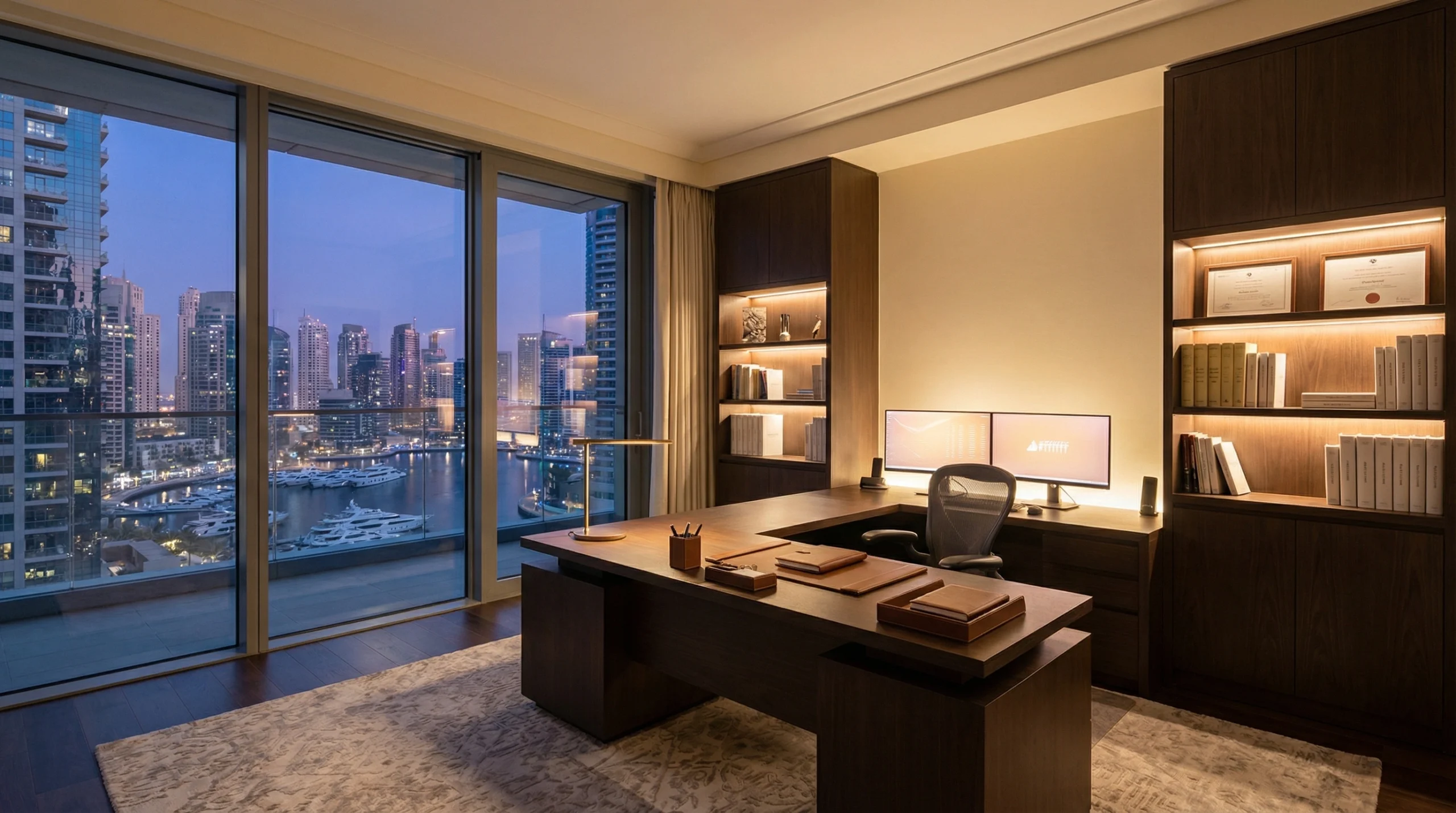
Arabian Ranches Villa Study – Type 13
A growing family required a shared workspace accommodating two adults working from home plus homework areas for three children. The villa’s designated study measured just 3.2 by 3.8 meters—too small for individual desks using conventional furniture. We designed a comprehensive built-in system with dual workstations along one wall providing desk space for both parents, a window seat with storage beneath creating a homework nook, and a complete wall of cabinets and shelving organizing office supplies, school materials, and family files. The solution delivered five distinct work zones within the compact room, with each family member having dedicated space and storage. The 12-meter run of continuous carpentry transformed an undersized room into the home’s activity hub.
Emirates Hills Villa Executive Office – Sector E
An entrepreneur transitioning his business operations from a traditional office to home required a workspace matching the professionalism of a corporate environment. We converted a villa’s guest bedroom into a complete executive suite with custom mahogany paneling creating traditional aesthetic impact, a partner’s desk providing 4.2 meters of continuous work surface for spreading out documents and plans, barrister bookcases displaying legal references and business libraries, and a built-in bar cabinet for client entertainment. The project included soundproofing for confidential calls, specialized lighting creating even illumination without glare, and integrated presentation technology. The result looks and functions like a CEO’s corner office but exists within his home, eliminating commute time while maintaining professional standards.
Downtown Dubai Apartment Compact Solution – Boulevard Heights
A content creator in a one-bedroom apartment needed workspace for video production in just 2.4 meters of wall space—the only area not already serving bedroom, living, or dining functions. We designed a Murphy desk system with a fold-down work surface that deploys for work sessions and tucks away when not in use, wall-mounted storage compartments holding cameras, lenses, lighting, and sound equipment in organized access, and a carefully composed backdrop wall featuring vertical wood slats in alternating widths creating visual interest without distraction. The installation provides a complete production studio that appears and disappears on demand, allowing the apartment to function for both daily living and professional content creation without sacrificing either purpose.
The Springs Villa Dual-Purpose Space – Springs 10
A pharmaceutical executive needed both a home office and a guest bedroom in the same villa room. We created a sophisticated space serving both purposes through thoughtful design: a substantial desk with integrated credenza providing professional workspace, a custom Murphy bed with surrounding cabinetry that folds down for guests but disappears completely when not in use, and built-in wardrobes with hanging space and drawers for visiting family storage. The carpentry maintains consistent walnut finishes and contemporary styling across all elements, creating visual cohesion whether the room serves office or bedroom functions. The project delivered the requested flexibility without the compromise and clutter typical of dual-purpose spaces.
DIFC Apartment Home Library Office – Gate Building
A legal professional with extensive professional libraries required serious book storage combined with workspace in a 170-square-meter apartment where every room already served a purpose. We designed a library wall system in the living room creating defined office space within the open plan: floor-to-ceiling shelving spanning 4.8 meters holding over 800 books, a built-in desk with leather surface integrated seamlessly into the shelving composition, and specialized LED lighting illuminating the collection while providing task lighting for work. The installation reads as an architectural feature enhancing the living room rather than an office intruding upon it, demonstrating how thoughtful design integrates workspace into homes without traditional dedicated rooms.
Palm Jumeirah Villa Creative Studio – Frond M
An interior designer required workspace supporting both digital design work and physical material sampling and specification. We transformed a villa’s fifth bedroom into a comprehensive creative studio with an L-shaped desk accommodating dual monitors and a large-format display tablet, extensive storage organizing fabric samples, finish materials, hardware libraries, and design books, a full-height sample wall with slanted display panels showing material options to clients, and a meeting table for client presentations fabricated from book-matched walnut slabs. The space serves as both daily workspace and client showroom, with every element designed for both functionality and aesthetic impact. The project required seven weeks from consultation to completion given the complexity and custom components.
Business Bay Tower Home Office – Executive Tower B
A startup founder needed to accommodate team members working from his apartment several days weekly. We created a compact conference room/office hybrid in the designated office room with a custom conference table seating six with integrated power and data access, a media wall with large display for presentations and video conferences, surrounding storage cabinets holding office supplies and equipment for the team, and acoustic treatments ensuring video calls and discussions don’t disturb the adjacent living areas. The solution transformed a standard second bedroom into a functional satellite office supporting the startup’s hybrid work model while maintaining the apartment’s residential character.
Home Office Carpentry Questions – Expert Answers
Home office carpentry investment varies significantly based on room size, design complexity, materials selected, and the scope of features required. For a basic office in a compact apartment bedroom—perhaps 2.5 to 3.5 meters of wall space with a simple desk and storage system—you’re typically looking at AED 18,000 to 32,000. This provides quality custom work with solid materials and proper construction, but without extensive features or exotic woods.
Mid-range projects representing the majority of our work run AED 35,000 to 65,000. This budget accommodates offices in standard villa rooms or larger apartment spaces, comprehensive storage solutions including both lower cabinets and upper systems, quality wood species like walnut or oak, sophisticated finishes, and features like integrated lighting, specialized equipment storage, or built-in seating areas. Most professionals find this range delivers the functionality and aesthetics they’re seeking without excessive expenditure.
High-end installations for larger villa studies or offices requiring exceptional materials, extensive millwork, or complex features range from AED 70,000 to 150,000 and beyond. These projects might include exotic wood species, intricate architectural details, motorized components, extensive technology integration, or simply very large spaces requiring substantial material and fabrication investment. Executive home offices in premium villas where every detail must be perfect fall into this category.
Several factors influence where your project lands within these ranges. Room size obviously affects material requirements and fabrication time—a 5-meter wall of storage costs more than a 3-meter wall. Material selection matters substantially—walnut costs more than oak, which costs more than painted finishes. Design complexity increases fabrication time—simple rectangles take less time than curved elements or intricate details. Features like electrical integration, specialized hardware, or custom finishes add to overall investment.
The smartest approach involves sharing your budget range during initial consultation. We can design solutions delivering maximum value within your constraints, perhaps starting with essential elements and planning future additions, or adjusting material selections while maintaining quality standards. Custom carpentry represents significant investment, but one that serves you daily for decades—perspective worth maintaining when evaluating cost.
Project timelines depend primarily on design complexity, fabrication requirements, and our current workshop schedule. The fastest projects—straightforward desk and storage systems in standard rooms without complications—can complete in three to four weeks from initial consultation to final installation. This assumes quick design approval and no delays in material procurement or scheduling.
Typical projects requiring more comprehensive design development, moderate complexity, or coordination with other trades run five to eight weeks. The first week or two involves consultation, site survey, and design development. Once you approve the design and we receive deposit, fabrication begins. Most office projects require two to three weeks in our workshop depending on size and complexity. Installation typically takes two to five days depending on the scope, though we might spread this across multiple visits for very large projects or to minimize disruption to occupied homes.
Complex installations involving significant millwork, exotic materials requiring special ordering, or projects coordinating with other renovation work can extend to ten to fourteen weeks. Large villa home offices with floor-to-ceiling libraries, custom architectural details, and extensive technology integration require more design time, longer fabrication periods, and more involved installation processes. Projects requiring structural modifications, electrical system upgrades, or AC ductwork adjustments need time for these trades to complete their work before we install carpentry.
Our workshop schedule influences timing, particularly during peak periods from September through December when many clients undertake home improvements coinciding with the school year. During these months, we might have three to four weeks of fabrication work scheduled before we can begin your project, extending overall timeline. Summer months typically offer more immediate availability if timeline is critical.
We provide realistic timeline estimates during the proposal phase rather than promising best-case scenarios that disappoint when normal complications arise. We communicate proactively if anything threatens the schedule, proposing solutions rather than leaving you uncertain. Most clients find the timeline reasonable given that they’re receiving custom-fabricated solutions rather than off-the-shelf furniture, and that the result will serve them well for many years.
Matching existing carpentry represents one of our core capabilities, whether you’re adding office furniture to coordinate with your kitchen cabinetry, bedroom wardrobes, or other built-ins. We start by carefully examining the existing work, documenting wood species, finish color and sheen, door styles, hardware, and construction details. We photograph extensively and may take small samples if necessary to match finishes precisely.
For common wood species and standard finishes, matching proves straightforward. If your existing carpentry uses walnut with clear satin polyurethane, we can source matching walnut and apply identical finishing. If it’s painted white cabinetry, we’ll match the specific white shade and sheen level. We create finish samples for your approval before fabricating the entire project, ensuring you’re satisfied with the match.
Matching becomes more challenging when existing carpentry uses unusual wood species, custom stains, or aged finishes that have developed patina over time. We discuss these challenges honestly during the design phase. Sometimes we can match closely enough that new work blends seamlessly. Sometimes we recommend subtle design variations that make the new carpentry complementary rather than attempting perfect match—perhaps using similar wood in a different configuration, or matching the style language while accepting slightly different coloring.
The architectural context matters when deciding whether to match or complement. In an open-plan villa where office and kitchen are visible together, matching creates visual flow and consistency. In an apartment where the office occupies a separate room visitors rarely see, you might prefer the office to have its own character rather than matching bedroom furniture. We guide you through these decisions based on your specific situation.
Hardware matching receives similar attention. If your existing cabinetry uses specific pulls or hinges you love, we can often source identical or very similar options. If the original hardware is no longer available, we find the closest current alternatives. For projects where hardware consistency matters enormously, we might suggest replacing hardware throughout the home with a new consistent selection—an upgrade that refreshes existing carpentry while creating perfect coordination with new work.
Dubai’s climate presents specific challenges for wood furniture that don’t exist in temperate regions—high humidity during summer months, dramatic temperature swings between air-conditioned interiors and outdoor conditions, and intense UV exposure in rooms with significant glass. Wood selection significantly affects how your office carpentry performs across years and decades.
Walnut remains our most popular choice for home offices, and for good reason. It offers beautiful rich brown coloring with attractive grain patterns, machines and finishes beautifully, demonstrates excellent stability in humidity fluctuations, and develops an appealing patina over time. American black walnut handles Dubai conditions reliably. European walnut offers slightly lighter coloring and different grain character that some clients prefer. The main limitation is cost—walnut ranks among the more expensive species, affecting project budgets for large installations.
Oak provides another excellent option with proven Dubai performance. It offers prominent grain patterns creating visual interest, comes in both white and red varieties with different color characteristics, costs less than walnut while maintaining quality, and demonstrates very good dimensional stability. We typically recommend white oak for contemporary designs and red oak for traditional aesthetics. The open grain requires proper filling during finishing to achieve smooth surfaces, a process we handle expertly but one that affects the final appearance.
Maple works well for painted finishes given its tight, even grain that takes paint beautifully without showing underlying wood patterns. It offers excellent hardness and resistance to denting, provides very uniform coloring when natural finish is desired, and costs moderately compared to walnut. The main consideration involves its responsiveness to humidity—maple moves more than walnut or oak, requiring expert construction techniques to accommodate this movement without problems.
Mahogany suits traditional or transitional office designs with its classic appearance and excellent working properties. It demonstrates outstanding stability in varying humidity, stains and finishes to rich deep colors, and carries associations with quality furniture that some clients value. Contemporary mahogany from sustainable sources performs well in Dubai, though it costs more than oak while less than walnut.
For budget-conscious projects maintaining quality, we often recommend using premium veneer over engineered substrates rather than solid wood throughout. Modern engineered materials like high-quality plywood or MDF prove very stable in humidity, cost significantly less than solid wood, and when covered with real wood veneer present appearance indistinguishable from solid construction. We use solid wood for critical structural elements, drawer components, and face frames, achieving both performance and aesthetics while managing costs.
We steer clients away from certain species despite their popularity in other markets. Pine, poplar, and other softwoods lack the density and stability for quality furniture in our climate. Exotic species sourced from questionable suppliers may perform unpredictably. Reclaimed wood presents challenges ensuring proper drying and stability. We focus on proven species from reliable suppliers, ensuring your investment delivers the decades of service you deserve.
Effective cable management separates professional custom carpentry from consumer furniture, and it’s an area where our experience shows dramatically. Every home office today involves substantial technology—computers, monitors, printers, chargers, routers, external drives, phones, tablets, and often specialized equipment depending on profession. Without proper planning, the cable chaos creates visual disaster and functional frustration.
We design integrated cable management systems into the desk structure itself, creating hidden pathways from power sources to the desktop. This typically involves channels routed through the desk framework or panels, allowing cables to travel from wall outlets to your work surface completely out of sight. We include access panels or removable sections letting you add or change cables without major disassembly. The result looks clean and professional rather than the tangled mess under most desks.
Desktop cable access receives careful planning. We can integrate pop-up power units that sit flush with the desk surface when not in use but provide outlets and USB charging when needed. We position cable grommets at optimal locations for monitor power, computer connections, and charging cables. For desks against walls, we might include a continuous slot along the back edge letting cables drop down without individual holes that never quite align with your equipment.
Behind-desk cable management continues the system, typically involving a raceway or trough mounted to the back of the desk surface or the wall behind it. This collects and routes cables vertically to floor level where they connect to power strips and surge protectors hidden in purpose-built compartments within the cabinetry. We ensure adequate space and ventilation so power strips don’t overheat in enclosed cabinets.
For wall-mounted monitors, we plan cable routing through wall-mounted cabinets or behind panels, maintaining the clean aesthetic while ensuring cables remain accessible for future changes. For multiple monitor setups, we create dedicated cable management zones so you can adjust monitor positions and heights without cable length constraints or visible cable runs.
Charging stations for phones, tablets, watches, and other devices integrate into drawer systems or dedicated cabinet compartments. We include appropriate outlets and USB ports in these locations, with cable management keeping charging cables organized and out of sight when not actively in use. Many clients appreciate dedicated charging drawers where devices charge overnight out of sight rather than cluttering the desktop.
We discuss your specific technology during design development, understanding what equipment you use daily, what might change in future, and where you need access and flexibility. This allows us to design cable management accommodating current requirements while providing expansion capacity for future technology additions without compromising the clean aesthetic that makes your office pleasant to work in daily.
We coordinate all electrical requirements for your home office project, though the actual electrical installation happens through qualified electricians rather than our carpentry team. This integrated approach ensures your office has proper power infrastructure positioned exactly where the carpentry design requires it, without you managing coordination between separate contractors.
During the design phase, we develop a comprehensive electrical plan documenting every outlet, light fixture, switch, and data connection your office requires. This includes desktop power access, wall outlets for equipment, dedicated circuits for high-power devices if needed, lighting circuits for overhead and task lighting, data connections for hardwired network access, and any other electrical infrastructure the project requires. We position these elements based on how the carpentry layout defines the room.
We engage qualified electricians from our network of trades we’ve worked with for years on projects across Dubai. These electricians understand how their work integrates with our carpentry installations, communicate effectively about timing and coordination, and deliver quality work meeting Dubai Municipality requirements. You’re not searching for electricians and hoping they’re competent—you’re getting professionals we trust and have successful project history with.
The electrician typically works before we install carpentry, running new circuits and installing boxes where our plan specifies. We coordinate timing so electrical rough-in completes before installation, but the electrician returns after carpentry installation to connect outlets, switches, and light fixtures. This sequencing ensures everything integrates cleanly without visible conduit runs or surface-mounted boxes that compromise aesthetics.
For apartments or villas where accessing walls requires coordination with building management or extensive patching and painting, we manage these requirements. For projects requiring electrical panel upgrades or circuit additions beyond simple outlet installation, we ensure this happens through properly qualified electricians with appropriate licensing. For work requiring DEWA or municipality approvals, we handle the coordination and documentation.
This comprehensive approach means you work with a single contact—our project manager—throughout the process rather than juggling conversations with multiple contractors. We take responsibility for ensuring the electrical work integrates properly with carpentry and meets your requirements. We include electrical coordination costs in project proposals so you have clear total investment understanding rather than learning about electrical bills after the fact.
Converting non-office spaces into functional workspaces represents a significant portion of our project portfolio, given Dubai properties often lack dedicated office rooms or families need to repurpose spaces as requirements evolve. We’ve transformed bedrooms, converted portions of master suites, enclosed balconies, repurposed storage rooms, carved offices from living areas, and utilized spaces throughout homes to create the workspaces clients need.
The most common conversion involves spare bedrooms transformed into dedicated offices. This typically proceeds straightforwardly since the room already has appropriate flooring, walls, electrical access, and AC coverage. Our work focuses on removing existing furniture, designing and installing custom carpentry optimized for office function rather than bedroom use, and potentially coordinating electrical additions, paint, or lighting upgrades. These conversions deliver professional office environments without the complications of structural modification.
Converting portions of master bedrooms or creating office alcoves within larger living spaces requires more thoughtful design to define the workspace without diminishing the primary room function. We might design a custom desk and storage system that occupies one wall while coordinating aesthetically with the room’s existing design. Or we create semi-private enclosures using bookshelf walls or sliding panels that define office space when you’re working but open to the larger room when you’re not. The challenge involves maintaining functionality for both purposes without visual conflict.
Balcony conversions create wonderful office spaces in apartments where dedicated rooms don’t exist, particularly in developments with large balconies that remain unused much of the year due to heat. These projects involve substantial coordination—enclosing the balcony with windows or doors if not already enclosed, extending AC ductwork to condition the space properly, adding electrical circuits and outlets, addressing any waterproofing concerns, and ensuring proper municipality approvals for the modification. Once the space is prepared, our carpentry creates custom office solutions optimized for these typically long, narrow rooms with abundant natural light.
Converting storage rooms, maid’s rooms, or laundry areas provides another option for creating dedicated office space. These projects usually require more extensive work—the spaces often lack proper flooring, appropriate lighting, sufficient electrical infrastructure, or adequate AC coverage. We coordinate the trades addressing these requirements: flooring installation, electrical upgrades, AC extension or modification, painting, and sometimes door replacement or repositioning. Our carpentry work then creates the office environment, but the project timeline and investment extend beyond pure carpentry given the supporting work required.
For any conversion project, we conduct thorough site assessment during initial consultation, identifying exactly what modifications the space requires beyond carpentry installation. We discuss municipality approval requirements if the conversion involves structural changes, balcony enclosures, or other modifications requiring permits. We provide comprehensive proposals covering all aspects of the transformation rather than just the carpentry portion, ensuring you understand the complete investment and timeline before committing.
Quality custom carpentry requires minimal maintenance compared to the ongoing fussing that cheap furniture demands, but some attention ensures your investment maintains its beauty and function across decades. Dubai’s climate presents specific considerations that don’t exist in temperate regions, making appropriate care particularly important.
Daily and weekly maintenance involves basic cleaning to prevent dust and grime accumulation. We recommend wiping surfaces with a slightly damp microfiber cloth to collect dust without scratching finishes. For stubborn marks or spills, use a cloth slightly dampened with water and mild soap, then dry the area immediately. Avoid household cleaners containing ammonia, alcohol, or abrasive ingredients that can damage finishes over time. Never use excessive water that might penetrate joints or seep into wood.
Dubai’s humidity fluctuations represent the primary environmental challenge for wood furniture. During humid summer months, wood absorbs moisture and expands slightly. In heavily air-conditioned winter months, wood releases moisture and contracts. Quality construction and appropriate finishes minimize movement effects, but maintaining relatively consistent humidity helps. We recommend running your home AC during summer months to control humidity even when you’re away for extended periods, preventing the humidity extremes that stress wood and can eventually cause finish checking or joint failure.
Sunlight exposure requires attention in offices with significant windows. Direct sun causes wood to fade and finishes to deteriorate faster than diffused light. We recommend solar shades or UV-filtering window films for offices with intense sun exposure, particularly on west and south-facing walls. This protects both your carpentry and any artwork, fabrics, or materials that suffer sun damage. Rearranging items on open shelving occasionally prevents distinct tan lines where objects block UV exposure.
Moving parts like drawers and doors benefit from periodic lubrication maintaining smooth operation. Once or twice yearly, apply a small amount of white lithium grease or beeswax to drawer slides, though modern soft-close slides often operate for years without requiring this. Door hinges rarely need lubrication, but a tiny drop of machine oil eliminates any squeaking if it develops. Avoid over-lubricating, as excess attracts dust and creates mess.
Wood finishes gradually wear in high-contact areas despite quality application. Desktop surfaces where your arms rest, drawer fronts you touch daily, and door edges you handle regularly may eventually show dulling or light scratching despite quality finishing. We can return years after installation to clean and refresh these surfaces, typically involving light cleaning, gentle abrasion to remove surface wear, and application of fresh finish coats. This restoration costs a fraction of replacement while making the carpentry look fresh again.
Hardware occasionally requires adjustment or replacement. Drawer slides may need realignment if drawers don’t close properly. Soft-close mechanisms may require adjustment if doors no longer close gently. Pulls and knobs may loosen and need retightening. These minor adjustments take minutes and maintain proper function. Should hardware fail despite quality brands, we coordinate replacement under warranty or source matching components if outside warranty periods.
Most importantly, address any issues promptly rather than letting small problems become major failures. If you notice a drawer sticking, a door not closing properly, or finish damage, contact us. Early intervention prevents minor issues from causing additional damage. We’d rather visit to tighten a screw than learn months later that the looseness caused larger problems requiring expensive repair.
Ergonomic design principles inform every aspect of our home office projects because we understand that your workspace directly affects your health, comfort, and productivity. Poor ergonomics cause fatigue, pain, and injury even if the furniture looks beautiful. We combine decades of experience with current ergonomic research to create workspaces supporting healthy working positions.
Desk height represents the most critical ergonomic dimension. For seated work, the proper height positions your forearms roughly parallel to the floor when your hands rest on the keyboard, with shoulders relaxed rather than hunched or strained upward. For most adults, this translates to desk heights between 72 and 76 centimeters, but individual requirements vary based on your height and whether you prefer chairs with thick cushioning or thinner seating.
During the design consultation, we assess your ergonomic requirements by discussing your height, working style, existing furniture issues, and any pain or discomfort you experience during work. If you’re petite, we might design a desk at 68 or 70 centimeters. If you’re tall, we might go to 78 or 80 centimeters. For shared workspaces where multiple family members use the desk, we discuss whether fixed or adjustable height makes more sense given how often different people use the space.
Monitor positioning affects neck strain and eye comfort enormously. We design desks and monitor support systems that position screens at appropriate height and distance. The top of your monitor should sit roughly at or slightly below eye level when you’re seated with good posture. The screen should be about an arm’s length away—close enough to see comfortably but distant enough to avoid eye strain. For multi-monitor setups, we discuss your primary screen and arrange monitors so you’re not constantly rotating your neck to extreme positions.
Standing desk capability addresses the health concerns associated with prolonged sitting. We can integrate electric height-adjustment mechanisms into custom desks, creating sit-stand workstations that maintain the sophisticated aesthetic of our work while providing health benefits. These systems allow smooth transition between sitting and standing positions throughout your workday, with memory settings returning the desk to your preferred heights at the touch of a button.
Keyboard and mouse positioning receives attention during design. We can create keyboard trays that position input devices at optimal height and angle if your desk surface sits too high for comfortable typing. We ensure adequate depth so your keyboard isn’t pushed so far back that you reach uncomfortably. We consider mouse space so you’re not bumping into monitors or desk edges during normal use.
Storage organization affects ergonomics beyond the obvious issues of desk height and monitor position. We design storage placing frequently-used items within easy reach—the zone you can access without standing or stretching uncomfortably. Less frequently accessed items can occupy higher shelves or lower drawers. Heavy items go in lower storage, preventing the need to lift from uncomfortable positions. These details seem minor individually but significantly affect daily comfort and efficiency.
Footwell space under desks must accommodate comfortable leg position without forcing you forward in your chair or crossing legs due to restricted space. We design sufficient depth and ensure no crossbars or supports restrict natural foot and leg positioning. For taller individuals or those who like to stretch legs forward while working, we provide extra depth.
We discuss your specific ergonomic concerns during consultation—perhaps you have back issues requiring particular attention to chair positioning, or neck problems making monitor height critical, or wrist concerns requiring keyboard tray integration. These individual requirements inform design decisions, ensuring your office supports your health rather than creating new problems.
Absolutely—in fact, some of our most satisfying projects involve creating storage solutions addressing the unique requirements of specific professions, creative pursuits, or collecting interests that generic furniture completely fails to accommodate. We’ve designed specialized storage for architects, artists, photographers, musicians, collectors, crafters, and professionals across dozens of fields.
Architects and designers need storage for large-format drawings, material samples, design books, and project files that exceeds standard office requirements. We create flat file drawers with dimensions accommodating A0 and A1 drawings, shallow enough to find specific items without excavating through piles. We design vertical storage slots for foam core, poster boards, and mounting materials. We build sample libraries with adjustable compartments organizing flooring samples, fabric swatches, finish chips, and hardware examples. These solutions keep valuable materials organized and accessible rather than stacked in closets or piled on floors.
Photographers require equipment storage protecting expensive cameras, lenses, lighting, and accessories while maintaining easy access for grab-and-go shooting. We design drawer systems with custom foam inserts cradling specific equipment pieces, preventing damage from items shifting or bumping. We create charging stations with appropriate electrical infrastructure for batteries and devices. We include display areas for showcasing portfolio prints or current project materials. The storage looks beautiful as furniture while providing the organization and protection professional equipment demands.
Artists working in various media need storage for supplies ranging from paint tubes to brushes to canvas to specialty tools, along with space for works in progress. We design wide shallow drawers organizing paints and supplies, vertical slots storing stretched canvases, dedicated areas for wet work, and flexible shelving accommodating evolving collections. The challenge involves creating organization while maintaining the accessibility and inspirational visibility that supports creative work—too much hidden storage can stifle creativity by making materials invisible.
Musicians storing instruments, sheet music, and accessories benefit from custom solutions protecting valuable items while displaying them attractively. We’ve created guitar display walls with proper support systems, storage for sheet music and scores keeping them flat and accessible, and compartments for cables, pedals, and accessories. For musicians working from home studios, we integrate equipment storage with acoustic treatments and cable management creating functional recording spaces within home offices.
Collectors of books, wine, art, memorabilia, or specialized interests often need more thoughtful storage than generic shelving provides. We design display systems showing collections to their best advantage while protecting them from damage, dust, or UV exposure. This might involve adjustable shelving accommodating varying item sizes, specialized supports for displayed objects, integrated lighting highlighting the collection, or glass doors protecting while maintaining visibility.
Crafters working in fields like scrapbooking, jewelry making, model building, or other hobbies accumulate vast collections of small items requiring serious organization. We create drawer divider systems with adjustable compartments keeping supplies sorted and accessible. We design worksurfaces able to withstand the particular demands of the craft. We include storage for works in progress, finished pieces, and the specialized tools each craft requires.
During the design consultation, we discuss exactly what you need to store, how you access and use these items, and what organizational approach serves your workflow best. We often ask to see current storage attempts, learning from what works and what frustrates you about existing solutions. This analysis informs custom designs solving your specific challenges rather than forcing you to adapt your work to generic furniture limitations.
Acoustic performance separates truly professional home offices from spaces that merely look the part. The difference between being able to take confidential client calls without family overhearing and having to retreat to your car for sensitive discussions dramatically affects home office utility. We integrate acoustic considerations into our carpentry designs using several approaches depending on your specific requirements.
For offices where sound privacy matters but you’re not conducting audio recording or video production, our standard approach involves incorporating sound-dampening materials within the cabinetry itself. We back wall-mounted cabinets and panels with acoustic insulation that reduces sound transmission through walls. These treatments won’t make the room completely soundproof but significantly reduce noise bleeding to adjacent spaces and vice versa. The acoustic backing remains invisible behind the finished carpentry, maintaining aesthetics while improving performance.
When offices share walls with bedrooms, living areas, or other spaces where sound control proves particularly important, we design double-wall cabinet systems with substantial insulation between layers. The outer cabinet shell presents the finished appearance while the inner layer, separated by insulation, creates an acoustic barrier. This approach works particularly well for one wall of a room where sound control matters most—perhaps the wall shared with your bedroom or children’s rooms.
For serious acoustic performance approaching recording studio quality, we coordinate with acoustic specialists who design comprehensive treatments we then fabricate and install. This might involve building walls-within-walls creating isolated rooms, installing acoustic ceiling treatments, incorporating specialized acoustic panels in strategic locations, and addressing all the gaps and penetrations that allow sound leakage. These solutions represent significant investment but deliver dramatic results for professionals conducting audio recording, podcast production, or virtual presentations where sound quality matters enormously.
Doors represent major sound leakage points in most rooms. We can install solid-core doors with acoustic seals replacing hollow-core doors that provide virtually no sound isolation. For maximum performance, we might design door assemblies with double doors creating an airlock effect, or position doors within acoustic vestibules that create sound transition zones.
Hard surfaces in offices create acoustic challenges even without sound privacy concerns—the echo and reverberation that make spaces feel noisy and fatiguing. Our cabinetry helps address this through adding surface area that breaks up sound reflections. We can incorporate fabric-wrapped acoustic panels into bookshelf designs, creating visual interest while improving room acoustics. For offices where acoustic quality matters for video calls or recording, we design wall treatments and ceiling elements specifically addressing reverberation.
HVAC systems often create background noise that proves distracting or interferes with recording and calls. While we don’t modify AC systems directly, we can design carpentry solutions reducing vent noise—perhaps enclosures around particularly loud vents, or repositioning vent covers to direct airflow differently. For critical applications, we coordinate with AC specialists who can address mechanical noise at the source.
The degree of acoustic treatment your office requires depends entirely on your situation. A financial consultant occasionally taking confidential calls from a home office in a quiet villa needs less sophisticated treatment than a podcaster recording daily in an apartment with thin walls. We assess your specific requirements during consultation and design appropriate solutions rather than over-engineering acoustic performance you don’t need or under-delivering and leaving you frustrated.
Working in occupied Dubai homes requires particular sensitivity to minimizing disruption to your daily life while delivering quality results efficiently. We’ve refined our approach across thousands of residential projects to accomplish professional installation without turning your home into a construction zone for weeks.
Planning begins with clear timeline communication. We provide specific scheduling—which days we’ll be on-site, approximately what time we’ll arrive and depart, what work happens each day. This allows you to plan around the installation, perhaps working from a café on days when we’ll be making noise, or arranging for children to be elsewhere during particularly disruptive periods. We confirm schedules several days in advance and communicate immediately if anything threatens our arrival time.
Protection protocols minimize installation impact on surrounding areas. We protect floors along transport paths with heavy-duty coverings preventing any damage from equipment dollies or material transport. We mask AC vents in the work area and adjacent spaces preventing dust from circulating through your home. We hang protective barriers at the office doorway containing dust to the work area. We protect walls and doorways along access routes preventing bumps or scrapes as we bring materials through your home.
Dust management employs multiple approaches since cutting and sanding generate significant dust even with the precautions we take. Major fabrication happens in our workshop rather than your home, but some trimming and fitting occurs on-site. We use tools with dust collection attachments capturing material at the source. We work with shop vacuums running continuously during dusty operations. We clean thoroughly at the end of each work day rather than leaving accumulated debris overnight.
Noise from installation proves unavoidable during certain operations but we minimize duration and timing. We schedule the noisiest work during midday hours rather than early morning or evening when it might disturb sleeping family members or neighbors. We inform you in advance when particularly loud operations will occur so you can plan accordingly. We use battery-powered tools rather than compressed air when possible, as they generate less noise.
For projects in apartments with building restrictions on construction hours, we coordinate our work schedule to comply with building rules—typically 9 AM to 6 PM on weekdays with no weekend work. We secure any required permissions from building management before starting work. We ensure our teams follow building requirements regarding service elevator use, parking, and access.
We maintain workspace cleanliness throughout installation rather than allowing progressive mess accumulation. At the end of each day, we sweep and vacuum the work area, remove debris and packing materials, and leave the space as tidy as possible given ongoing work. Upon completion, we conduct thorough final cleaning leaving your new office immaculate and ready for use immediately.
Bathroom and kitchen access matters during multi-day projects. We discuss these needs upfront—our teams appreciate knowing whether they can use facilities during the day or should plan accordingly. We’re respectful guests in your home, maintaining the standards you’d expect from professionals working in your personal space.
For very large or complex projects where installation might extend a week or more, we often break work into phases allowing you to maintain some home office functionality between installation periods. Perhaps we install the main desk system in phase one, you use it for several days or weeks, then we return to install storage systems. This approach extends the overall calendar but reduces continuous disruption.
We maintain open communication throughout installation. Our site supervisor is always reachable by phone if you have questions or concerns during the work. We check in regularly to ensure you’re satisfied with progress and address any issues immediately rather than discovering problems after we’ve departed.
Home Office Carpentry Coverage Throughout UAE
Our home office carpentry teams serve all seven emirates with the same expertise and quality standards that have defined our work since 1988. Whether your project is in Dubai’s coastal towers or a Ras Al Khaimah villa, you’re receiving the same comprehensive design process, workshop fabrication, and professional installation.
Dubai: We complete home office projects across Business Bay, DIFC, Dubai Marina, JBR, Downtown Dubai, Palm Jumeirah, Arabian Ranches, Emirates Hills, The Springs, The Meadows, Dubai Sports City, Jumeirah Village Circle, Jumeirah Village Triangle, Dubai Silicon Oasis, Discovery Gardens, International City, Mirdif, Deira, Bur Dubai, Al Barsha, Motor City, Damac Hills, Jumeirah, Umm Suqeim, and all other communities. Our workshop location in Dubai enables efficient service throughout the emirate with typical installation scheduling within days of your preferred date. We’ve worked in virtually every major development and understand the specific requirements of different building types from studio apartments requiring space-efficient solutions to sprawling villas accommodating dedicated office suites.
Abu Dhabi: Our Abu Dhabi projects span Saadiyat Island, Yas Island, Al Reem Island, Al Maryah Island, Khalifa City, Mohammed bin Zayed City, Al Reef, Raha Beach, Masdar City, and established communities throughout the capital emirate. We schedule Abu Dhabi installations around your availability, typically coordinating workshop fabrication to align with installation periods minimizing our travel time while maximizing your convenience. Our experience with Abu Dhabi properties ranges from Investment Authority towers to private villas in established neighborhoods, understanding the architectural variety and municipality requirements across the capital.
Sharjah, Ajman, RAK, Fujairah, UAQ: We serve all remaining emirates with the same comprehensive approach, coordinating logistics to deliver efficient service regardless of location. Our project portfolio includes work in Sharjah’s Muwaileh, Taawun, and waterfront areas, Ajman’s developing communities and older neighborhoods, Ras Al Khaimah’s residential developments and traditional areas, and projects throughout Fujairah and Umm Al Quwain. Installation scheduling for these emirates typically coordinates larger blocks of time given travel distances, but we maintain the same quality standards and comprehensive service approach that defines our work throughout the UAE.
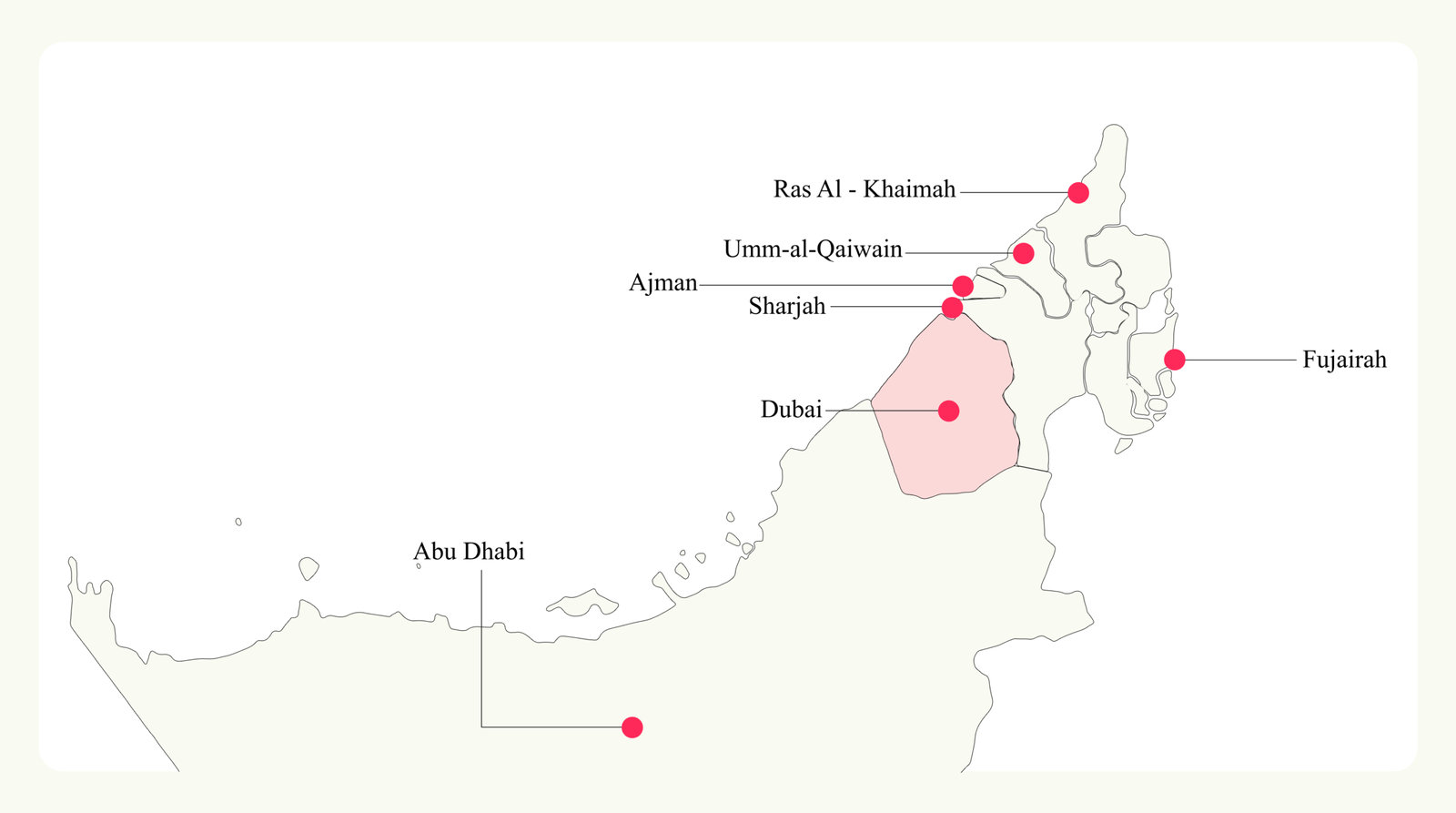
Start Your Home Office Transformation
The difference between enduring a makeshift workspace and enjoying a properly designed office that supports your productivity and reflects your professionalism comes down to taking the first step. We’d welcome the opportunity to discuss your requirements, assess your space, and develop solutions that transform how you work from home.
Whether you’re converting a spare bedroom into a dedicated office, carving workspace from an existing room, or building a comprehensive executive suite in your villa, our consultation explores possibilities specific to your situation. We listen carefully to understand not just what you think you want but what you’re actually trying to accomplish, then apply 35 years of experience creating solutions you might not have imagined possible.
IF YOU HAVE ANY QUESTION? WE ARE GLAD TO
CONSULT YOU AS SOON AS POSSIBLE
Get Started
Immediate assistance from our team regarding your project details.
Form Submitted!
Thank you for contacting us. Our team will get back to you within 24 to 48 hours regarding your query.
Contact us on WhatsApp for Quick Response