Office
Elevate your workspace with expert commercial carpentry. From custom-built ergonomic workstations to sleek boardroom features, we design and install high-quality office interiors that blend professional aesthetics with everyday functionality.
Retail Shops
First impressions are everything in retail. Our commercial carpentry team specializes in bespoke shelving, high-end display units, and unique storefront fixtures designed to showcase your products and enhance the customer shopping experience.
Restaurants and Cafes
Create an inviting atmosphere for your guests with custom-crafted woodwork. We provide durable commercial carpentry solutions, including booth seating, custom bars, and decorative timber accents that stand up to the rigors of a busy hospitality environment.
Partitions and Panels
Optimize your layout with precision-engineered partitions and wall panels. Our commercial carpentry services provide versatile room dividers and acoustic paneling that offer both privacy and structural beauty to any commercial floor plan.
Transform Your Living Room with Expert Carpentry Crafted for Dubai Living
For 35 years, we've created living room Carpentry Dubai families gather, entertain, and build memories through custom carpentry that answers the UAE's unique climate and lifestyle demands.
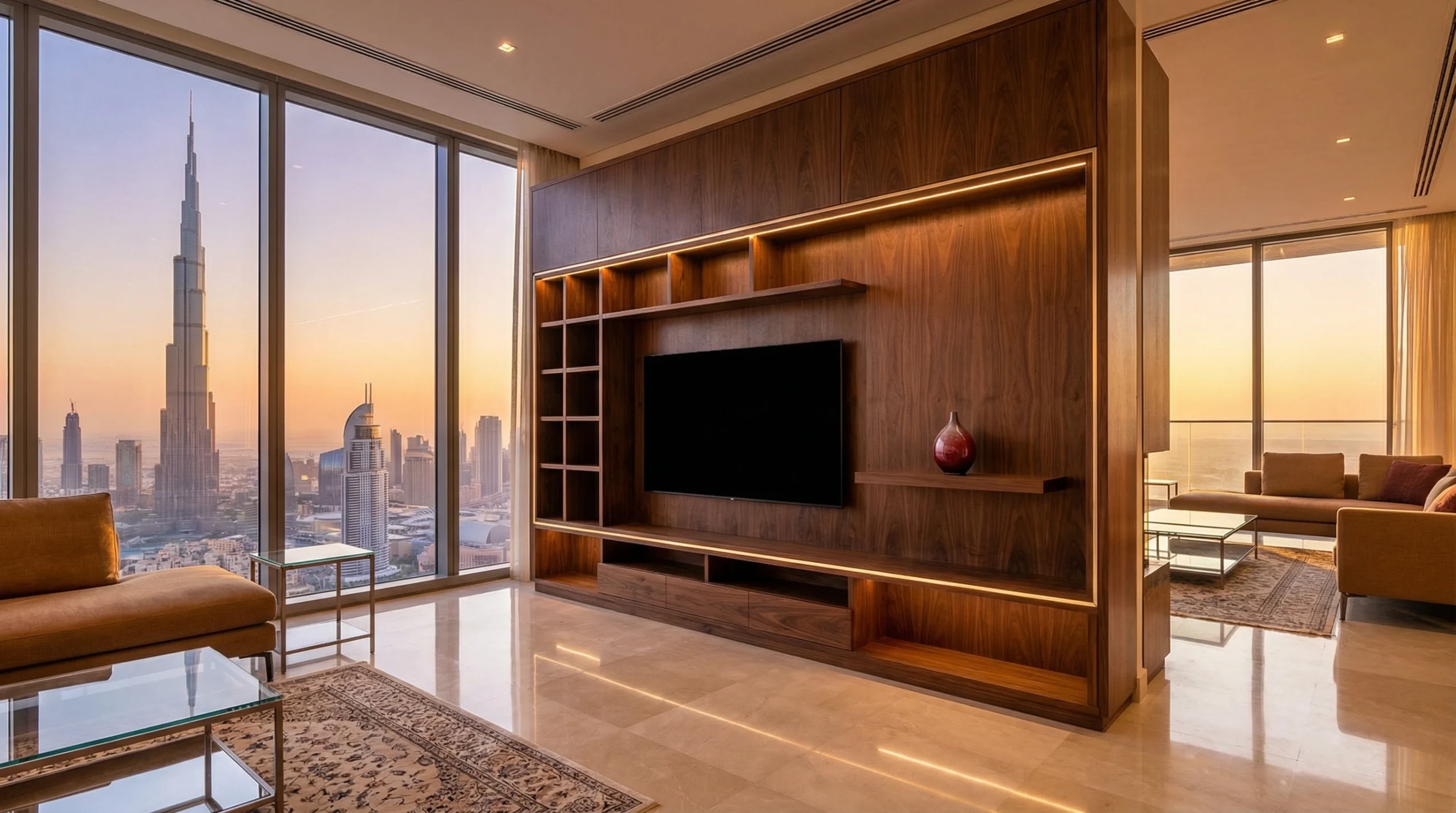
Living room carpentry Dubai projects demand more than beautiful design—they require engineering that withstands 50°C summers, humidity that swings 40% seasonally, and the dust that infiltrates even the most sealed apartments. Since 1988, Karnak Carpentry has solved these challenges across 10,000+ UAE projects, creating living spaces where form and function unite under conditions that destroy inferior work within months.
Your living room serves as your home’s social heart, the space where you host guests during Ramadan, where children play on winter afternoons, where family gathers for evening tea. The carpentry defining this space must deliver flawless aesthetics while surviving environmental extremes most woodworkers never encounter. We’ve spent three decades mastering this balance across every Dubai neighborhood from Jumeirah’s coastal villas to Downtown’s high-rise apartments.
Our living room projects span 15m² studio conversions to 200m² palatial reception halls. We’ve built custom entertainment centers for 85-inch screens in Business Bay penthouses, crafted traditional majlis seating with hidden storage in Arabian Ranches villas, and engineered climate-controlled display shelving for art collectors in Emirates Hills. Each project begins with understanding how you live, then engineering carpentry that elevates your daily experience.
Since 1988, Karnak Carpentry has been the trusted commercial carpentry partner for Dubai’s most successful businesses. We’ve transformed over 3,500 commercial spaces across the UAE, from Fortune 500 corporate headquarters to independent boutiques, five-star restaurant interiors to medical facilities, hotel lobbies to educational institutions.
Commercial carpentry demands expertise beyond residential work. Projects operate under tight deadlines, often with after-hours installation to avoid business disruption. Designs must balance aesthetics with heavy-use durability, comply with UAE commercial building codes and fire safety regulations, and deliver ROI through longevity and brand impact.
Our master craftsmen understand these unique requirements. We’ve worked alongside UAE’s top architects, interior designers, and main contractors on projects ranging from 50-square-meter cafés to 10,000-square-meter office fit-outs. Every installation meets international standards, completes on schedule, and transforms your commercial vision into impressive reality.
Understanding Living Room Carpentry in UAE Environments
Living Room Carpentry Dubai encompasses far more than furniture placement. This specialized discipline integrates architectural woodwork, custom furniture, storage engineering, and aesthetic design into cohesive environments that function flawlessly under Dubai’s environmental pressures while reflecting your personal style.
The Climate Challenge Nobody Discusses
Dubai’s environmental conditions create unique carpentry engineering requirements that don’t exist in temperate climates. Summer temperatures push wood moisture content below 6%, causing dramatic shrinkage. Winter humidity can spike wood moisture to 12% within weeks, triggering expansion that buckles improperly designed joinery. This 6% moisture swing—occurring twice annually—tears apart carpentry using standard international construction methods.
We engineer every living room project with expansion gaps calculated to Dubai’s specific humidity cycles. Our TV units incorporate floating panel systems that move 3-4mm seasonally without visible gaps. Shelving receives humidity-calibrated spacing that prevents binding during humid months. Wall paneling uses rail-and-stile construction with oversized grooves that accommodate wood movement while maintaining seamless appearance. These aren’t optional refinements—they’re survival requirements for carpentry lasting beyond 24 months.
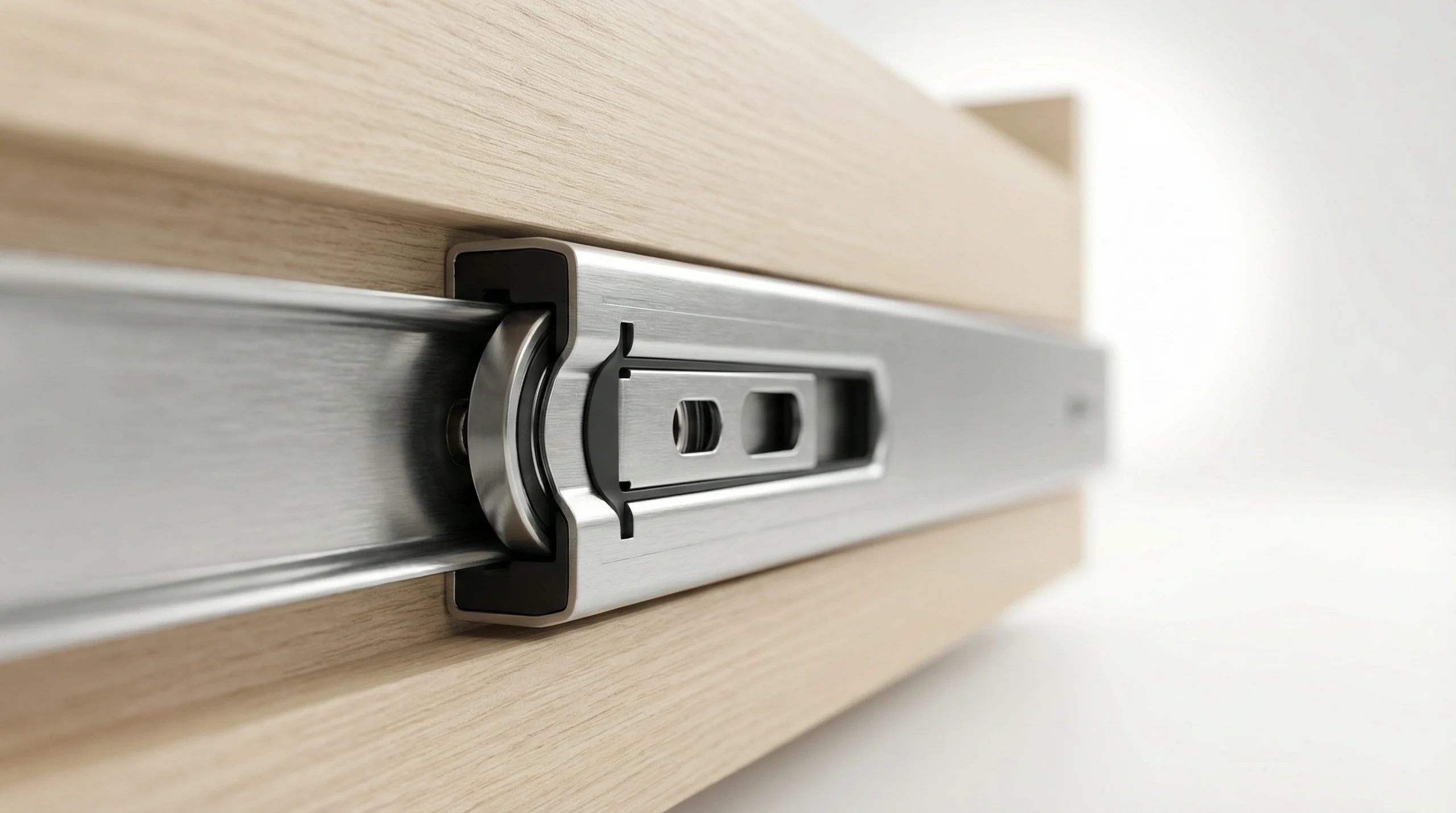
The 120+ micron dust particles suspended in Dubai’s air present another challenge. Standard European hinges seize within 18 months when dust infiltrates bearing surfaces. We specify soft-close mechanisms with sealed cartridges rated for desert environments. Our drawer systems use bottom-mount undermount slides with integrated dust shields rather than side-mounted hardware that collects particles. Every opening component receives this dust-resistance engineering based on 3,200+ commercial fit-outs teaching us exactly which hardware fails and which endures.
Material Selection for Longevity
Wood species selection determines whether your Living Room Carpentry Dubai survives five years or fifty. We’ve tested 40+ species across UAE projects since 1988, documenting which materials fail and which excel under our specific conditions.
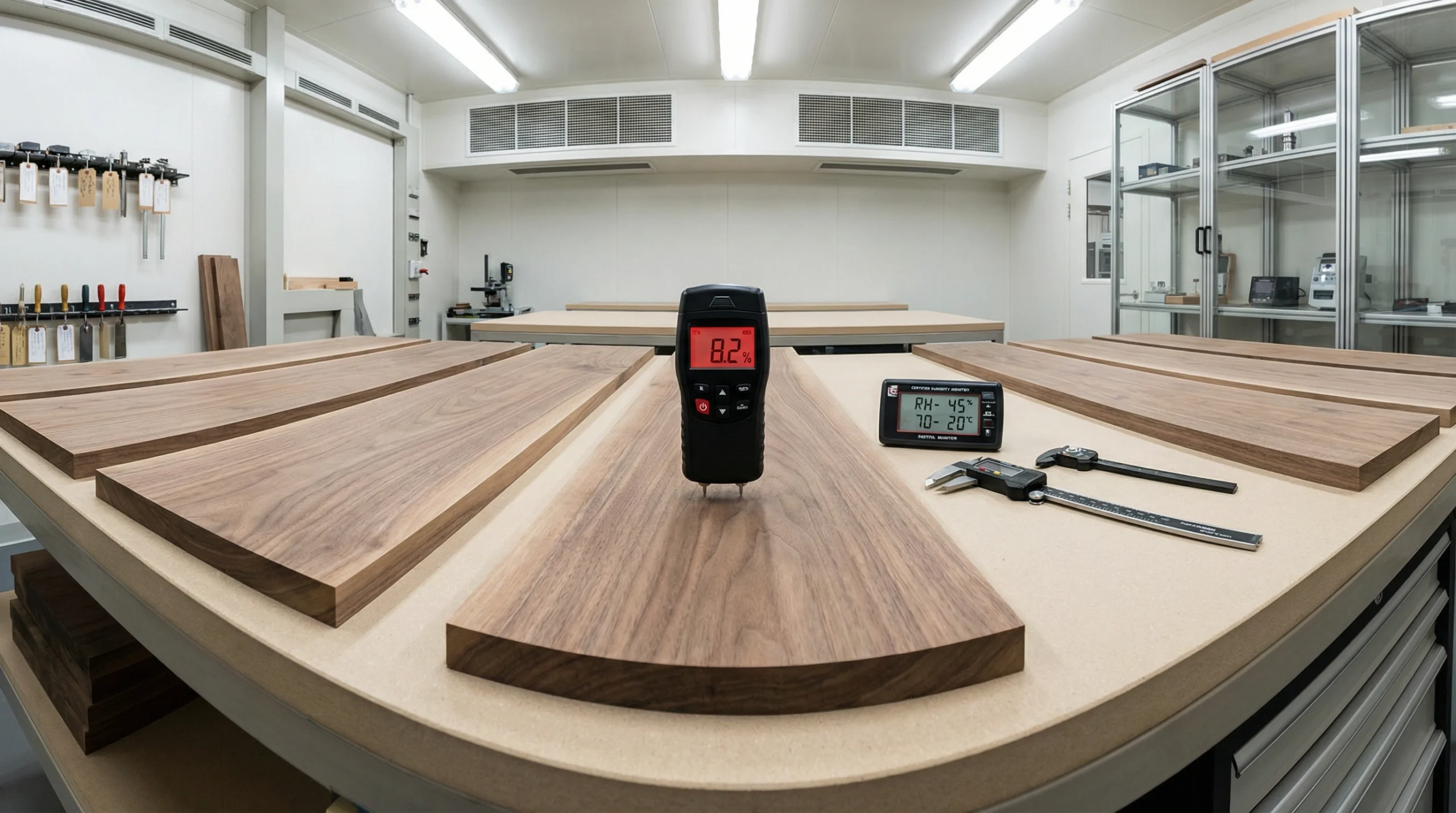
European oak dominates our living room work—specifically quarter-sawn oak with growth rings perpendicular to the face. This cutting pattern reduces seasonal movement by 60% compared to flat-sawn oak, critical for large-panel TV units and wall features. We import kiln-dried oak adjusted to 8% moisture content, matching Dubai’s annual average, then acclimatize materials in our climate-controlled workshop for 14 days minimum before fabrication begins. This moisture stabilization prevents the warping that ruins rushed projects.
Walnut provides rich color for contemporary designs but requires careful engineering. We use walnut veneers over moisture-stable MDF cores for large surfaces exceeding 600mm width, allowing visual impact without solid wood’s dimensional instability. Solid walnut appears in frames, trim, and smaller components where movement remains manageable. This hybrid approach delivers walnut’s luxury aesthetic with oak’s structural reliability.
For clients requiring ultra-stable solutions—particularly in coastal apartments with elevated humidity—we specify teak. This naturally oily wood resists moisture absorption that drives expansion in other species. We’ve installed teak entertainment units in Palm Jumeirah apartments that maintain factory-fresh precision after nine Dubai summers. The investment premium over oak ranges from 40-65%, justified when environmental conditions demand maximum stability.
Engineered materials like moisture-resistant MDF (MR-MDF) and marine-grade plywood form the foundation for painted finishes and veneer work. These manufactured cores provide dimensional stability impossible with solid wood while accepting veneer and paint finishes indistinguishable from solid construction. Our Dubai Marina projects use MR-MDF extensively for white lacquer cabinetry that remains mirror-flat through humidity cycles collapsing inferior materials.
Comprehensive Living Room Carpentry Solutions
Our Living Room Carpentry Dubai services address every wooden element defining these essential spaces, from architectural features establishing room character to functional furniture supporting daily life.
Custom Entertainment Centers and TV Units
The entertainment center anchors most modern living rooms, housing increasingly large screens while concealing technology clutter and providing essential storage. This comprehensive solution integrates structural engineering for screen support, cable management systems preventing wire chaos, climate-controlled equipment ventilation, and aesthetic design that transforms technology into furniture.
We engineer TV mounting systems supporting screens to 100kg, with reinforced backing attaching directly to wall studs or concrete—never relying on drywall alone. The surrounding cabinetry incorporates ventilated compartments for receivers, gaming systems, and streaming devices, with rear-mounted AC infinity fans expelling heat that damages electronics. Our cable management routing uses interior channels guiding wires from components to screens without visible runs, including power outlets integrated within cabinetry rather than trailing across floors.
Storage compartments flanking entertainment centers accommodate everything from remote controls to gaming accessories to vinyl record collections. We design drawer depths matching specific storage needs—shallow 80mm drawers for remote organization, 180mm drawers for media storage, deep 350mm drawers for gaming equipment. Adjustable shelving provides flexibility as technology and storage needs evolve. Glass doors with integrated LED lighting showcase collectibles while protecting contents from dust infiltration.
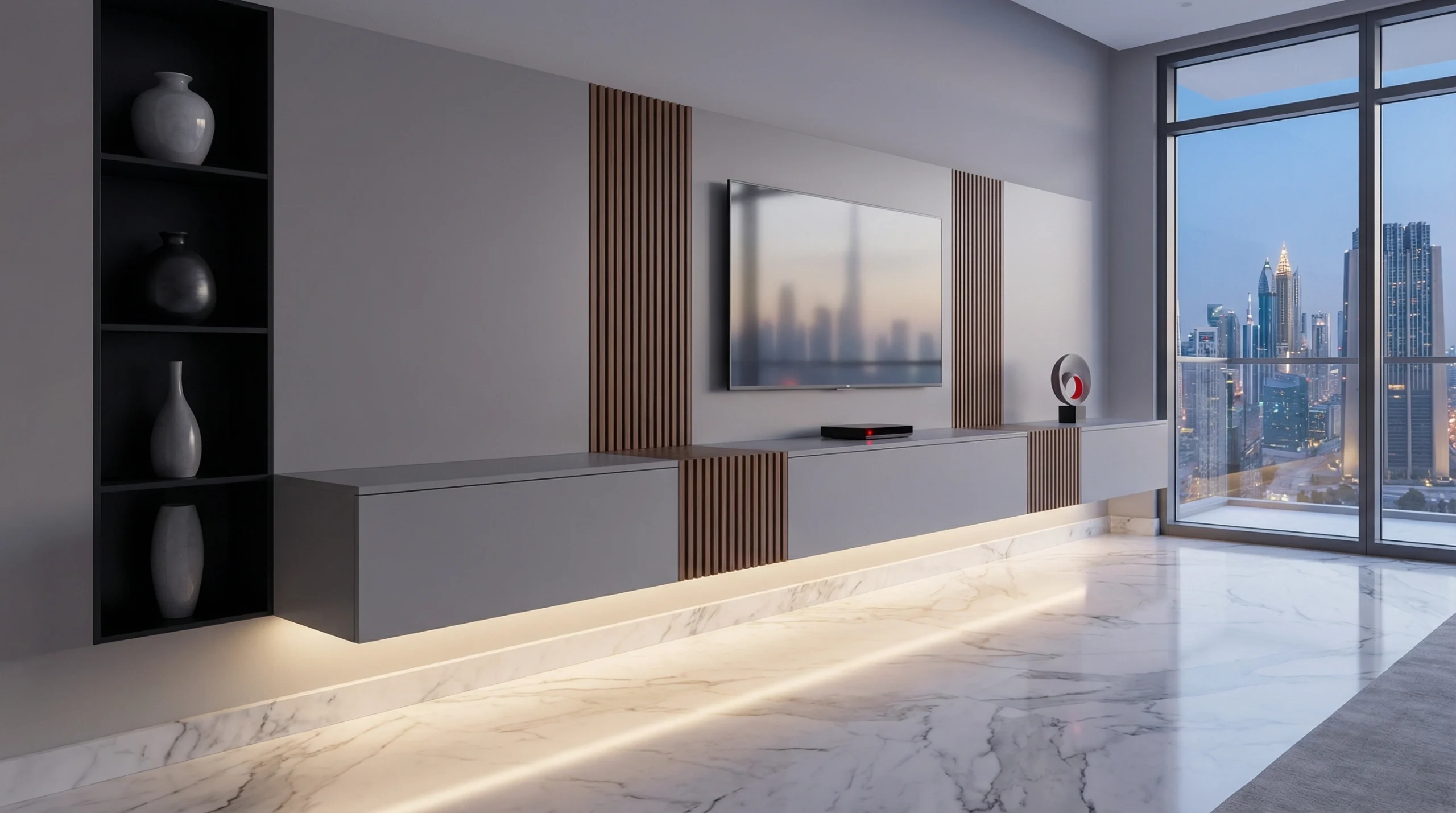
Contemporary designs increasingly incorporate floating elements—cantilevered cabinets appearing to hover above floors. We engineer these using heavy-duty French cleat systems or steel mounting brackets welded to concealed steel frames, then covered with wood facing. The floating effect creates visual lightness in smaller Dubai apartments while simplifying floor cleaning underneath. Our Downtown Dubai projects use this approach extensively in compact living areas where visual space matters as much as physical storage.
Built-In Shelving and Display Systems
Built-in shelving transforms awkward alcoves and empty walls into functional storage and display opportunities while adding architectural interest that freestanding furniture cannot achieve. We design these systems integrating with room architecture, utilizing vertical space efficiently, and creating focal points drawing attention to treasured possessions or book collections.
Alcove shelving makes maximum use of recessed wall areas flanking fireplaces or windows. We construct these using face-frame or frameless cabinet techniques, with fixed shelves where strength matters and adjustable shelves where flexibility helps. Backing panels match wall finish or introduce contrasting color—we’ve created dramatic effects using deep navy backing behind white shelving in Arabian Ranches villas, and golden metallic backing behind dark wood shelves in DIFC penthouses. Integrated lighting transforms these features from storage into gallery-quality display spaces.
Floor-to-ceiling library walls turn entire living room surfaces into book storage and display. These ambitious installations require structural engineering ensuring shelves don’t sag under book weight—200kg per linear meter isn’t unusual. We use 32mm thick shelving with maximum spans of 900mm for book storage, supported by adjustable shelf pins rated for heavy loading. Ladder systems provide access to upper shelves, available in rolling brass library-style or contemporary aluminum finishes.
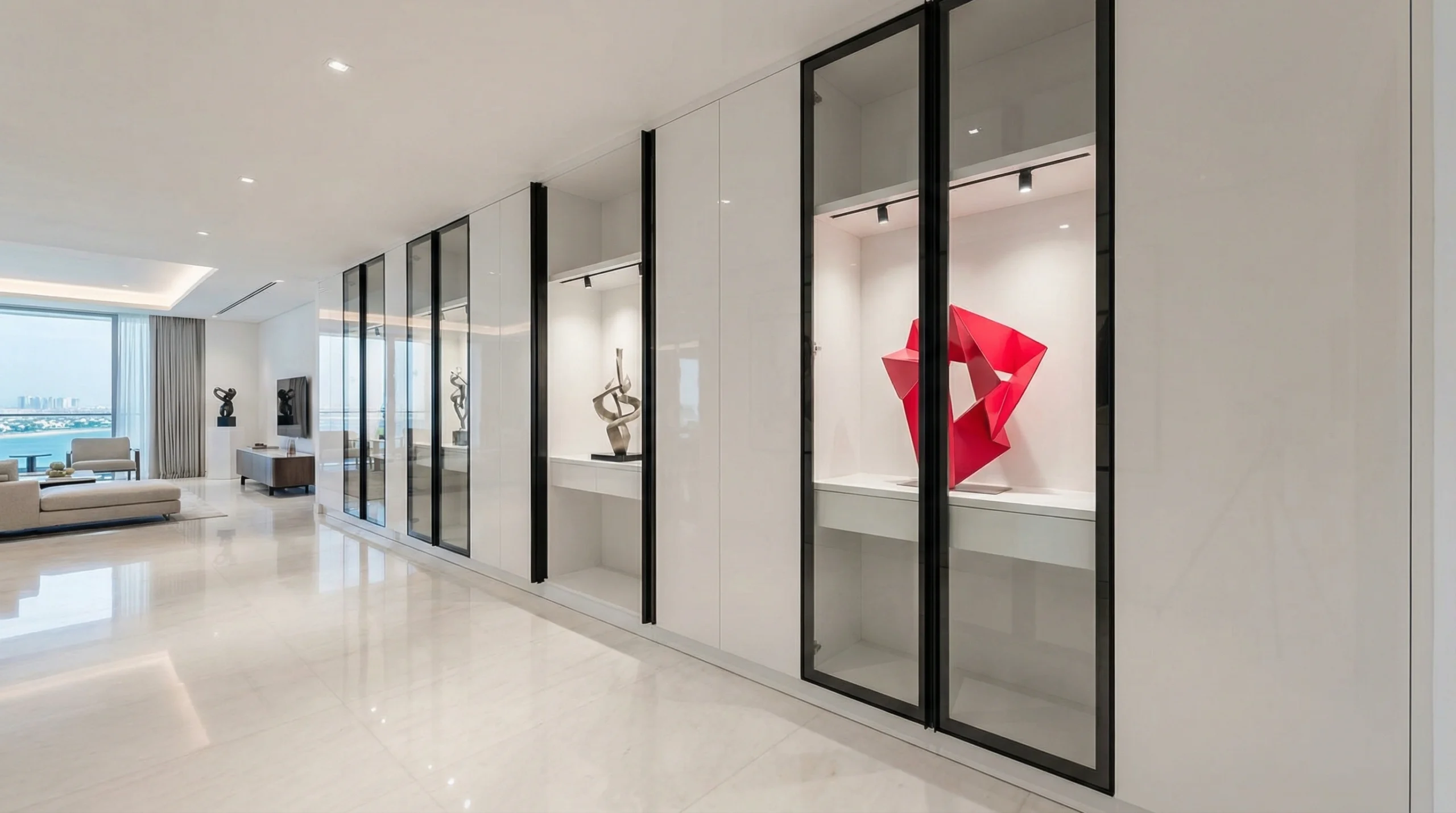
Display niches created within wall paneling showcase artwork, ceramics, or treasured objects. We build these with adjustable glass shelves, integrated LED spotlighting, and mirrored or decorative backing enhancing displayed items. Climate-conscious clients request UV-filtered glass protecting art from sunlight damage, particularly relevant in west-facing Dubai Marina apartments receiving intense afternoon sun. Our designs accommodate everything from small ceramic collections to large sculpture displays requiring structural reinforcement.
Wall Paneling and Feature Walls
Decorative wall paneling introduces texture, visual interest, and acoustic benefits while concealing imperfect walls common in Dubai’s rapid construction industry. These architectural features range from subtle board-and-batten treatments adding dimension to dramatic floor-to-ceiling installations becoming room focal points.
Shiplap paneling creates horizontal linear patterns popular in contemporary coastal designs. We install genuine tongue-and-groove shiplap or replicate the effect using precisely spaced boards over substrate, with reveal gaps from 3mm (subtle) to 12mm (dramatic). Painted white shiplap brightens Dubai apartments with limited natural light, while natural wood tones add warmth to minimalist interiors. Our Jumeirah Beach Residence projects use bleached oak shiplap creating coastal ambiance suited to beachfront locations.
Board-and-batten paneling combines wide boards with narrow vertical battens covering seams. This traditional technique adapts beautifully to contemporary spaces through scale adjustment and finish selection. We’ve installed 8-inch boards with 2-inch battens in Arabian Ranches creating subtle texture, and bold 16-inch boards with 4-inch battens in Emirates Hills making dramatic statements. Painted finishes in trending colors—sage green, charcoal grey, navy blue—transform this classic treatment for modern sensibilities.
Picture frame molding creates rectangular panels adding formality and elegance. We build these using solid wood moldings applied over painted walls, with panel sizes calculated using classical proportions maintaining visual harmony. Two-tone approaches—darker molding over lighter wall surfaces—add depth and sophistication. Our Palm Jumeirah villas frequently incorporate picture frame paneling in traditional majlis spaces where formality suits entertaining customs.
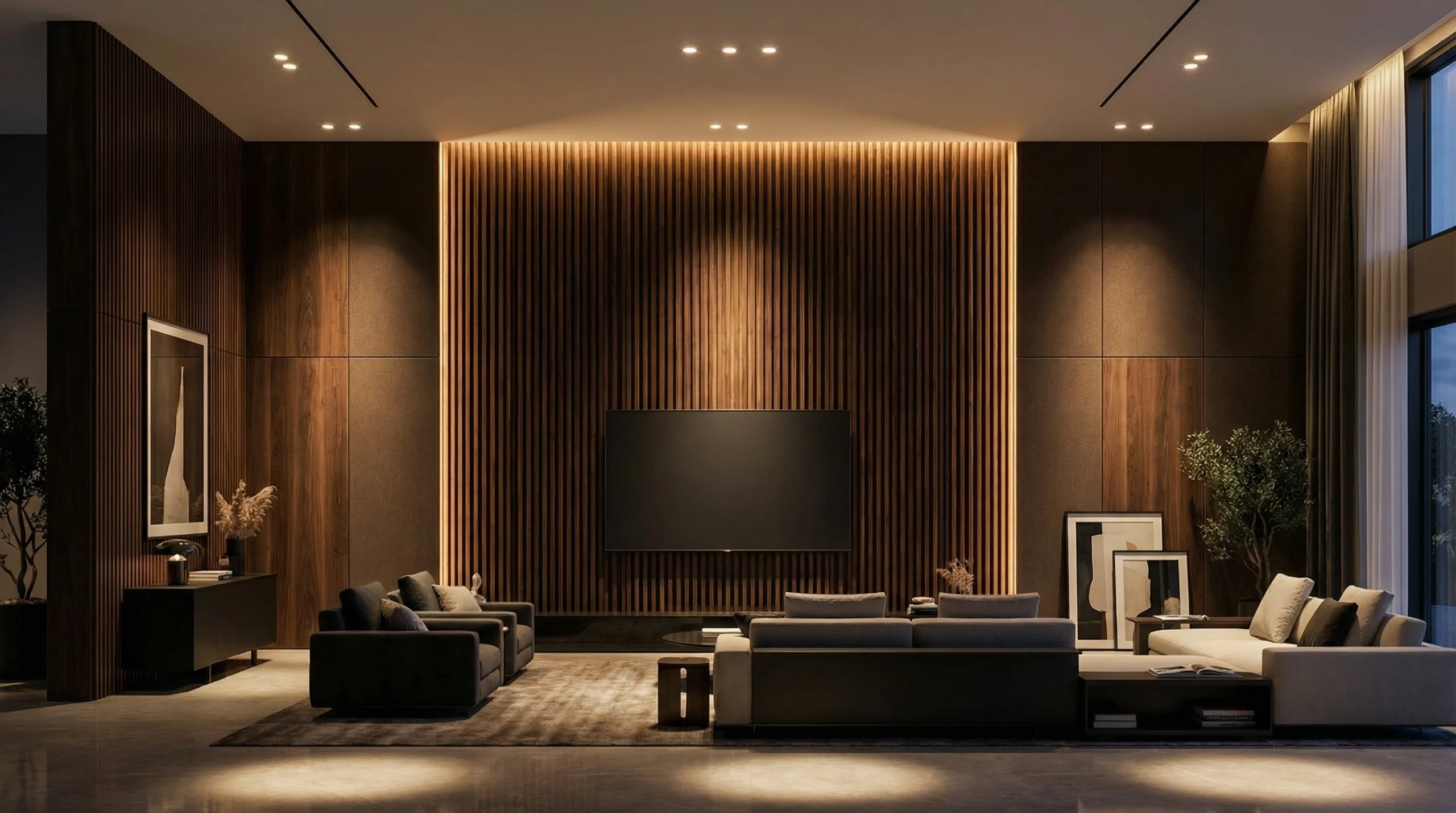
Slatted wood walls introduce dramatic three-dimensional texture while providing acoustic benefits in echo-prone spaces. We construct these using evenly spaced vertical slats over substrate, with gaps from 15mm to 50mm depending on desired visual density. Horizontal LED strips behind slats create stunning backlighting effects for evening ambiance. These features work particularly well as TV backdrop walls, adding visual interest balancing the screen’s black rectangle when powered off.
Custom Coffee Tables and Side Tables
Bespoke tables provide opportunities introducing unique design elements while solving specific functional requirements freestanding options never quite satisfy. We create coffee tables matching exact room dimensions, side tables fitting awkward spaces, and nesting table sets providing flexibility for entertaining.
Coffee tables command attention as living room centerpieces, combining aesthetic impact with everyday functionality. We design these considering seating arrangements, traffic flow, and storage needs while incorporating preferred materials and styles. A recent Downtown Dubai penthouse received a 2.4-meter walnut and brass coffee table with book storage beneath the floating top, waterfall edge details, and integrated wireless charging pads. The scale suits the generous seating arrangement while providing practical features supporting modern living.
Live edge tables showcase natural wood beauty through slabs with bark edges preserved, contrasting organic forms with contemporary interiors. We source these from sustainable suppliers, selecting slabs for grain pattern and natural edge character, then stabilize with epoxy fills and apply protective finishes withstanding daily use. These statement pieces introduce nature into urban Dubai apartments while serving as conversation starters. Our selection includes olive, acacia, and mango wood slabs varying from 800mm to 2000mm lengths.
Nesting table sets provide entertaining flexibility—compact during daily use, expanded when hosting guests. We create these in sets of two or three, with each table designed independently yet harmonizing as a group. Materials range from matching wood species creating cohesive sets to mixed materials like wood and metal generating visual interest. Our Arabian Ranches projects favor these for families requiring flexibility between everyday living and weekend entertaining.
Storage coffee tables address Dubai apartment living where space efficiency matters. We build these with lift-top mechanisms revealing storage compartments, pull-out drawers accessing from seating positions, and lower shelves for magazines or decorative items. One Dubai Marina client’s coffee table incorporates refrigerated drawer for chilled beverages during entertaining, powered through concealed floor outlet and lined with marine-grade cooling system.
Window Seat Carpentry and Bay Window Solutions
Window seats transform architectural features into functional spaces for reading, conversation, or simply enjoying views while adding valuable storage beneath. We design these as built-in solutions integrating seamlessly with window architecture and room style.
Bay window seats maximize these projecting architectural features common in villa developments. We build these using lift-top storage boxes beneath upholstered seats, with hinged access panels retrieving stored items easily. Side cabinets flanking the seating area provide additional storage or display space. These become favorite family spots—our Emirates Hills clients report children claiming window seats as reading nooks and adults using them for morning coffee while enjoying garden views.
Picture window seats suit the large single windows in modern apartments. We construct these as floating benches cantilevered from walls or supported by decorative brackets, creating seating without obstructing floor space below. Cushion depths from 450mm to 600mm provide comfortable seating positions. Storage drawers beneath pull from front or side depending on room layout and access requirements.
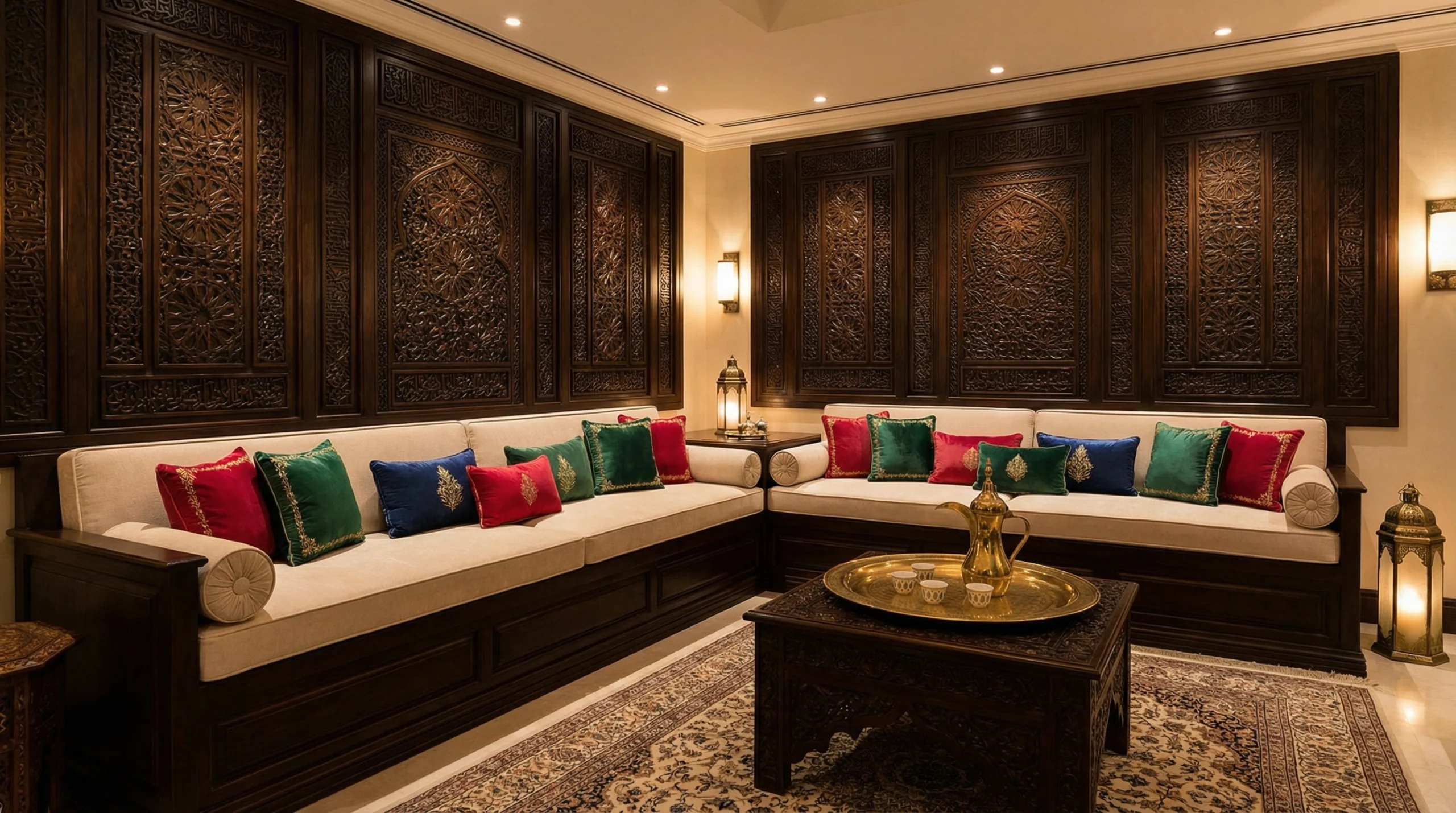
Majlis-style low seating adapts window seat concepts for traditional UAE entertaining spaces. We build these as low platforms with cushioned tops, following traditional proportions while incorporating modern comfort through high-density foam and quality upholstery. Storage beneath remains accessible through top-hinged panels. These suit formal reception rooms in traditional villas where cultural expectations favor floor-level seating.
Majlis and Formal Reception Carpentry
Traditional majlis spaces require specialized carpentry respecting cultural customs while incorporating modern comfort and quality. We design these understanding proper proportions, appropriate materials, and functionality supporting formal entertaining central to Emirati culture.
Built-in majlis seating platforms form the foundation for these spaces, constructed as raised continuous platforms running along walls. We build these using structural framing supporting plywood tops, typically 380-420mm height matching traditional proportions. Storage access through top panels or front drawers accommodates linens, cushions, and serving items. The platform structure includes routing for power outlets supporting phone charging without visible cables crossing seating areas.
Decorative wall treatments behind majlis seating establish room formality. We create these using traditional geometric patterns adapted from Islamic architecture, carved wood panels featuring arabesques, or contemporary interpretations combining cultural elements with modern aesthetics. Materials include solid wood for carved details, MDF for painted geometric patterns, and veneers for large-scale applications. These features command attention while respecting cultural design traditions.
Console tables and serving surfaces support entertaining functions. We build these as wall-mounted floating units, traditional legged furniture, or built-in buffet systems depending on available space and client preferences. Dimensions accommodate Arabic coffee service, dates, and sweets typical during majlis entertaining. Our Palm Jumeirah projects frequently incorporate refrigerated drawers within these units, maintaining beverage temperatures without kitchen trips during extended hosting.
Living Room Storage Solutions
Intelligent storage design prevents living room clutter while maintaining clean aesthetics. We engineer solutions hiding everyday items yet keeping them accessible, from remote controls to children’s toys to seasonal decor.
Built-in cabinets flanking architectural features provide substantial storage without consuming floor space. We design these as full-height units reaching ceilings, maximizing vertical storage potential. Upper cabinets with glass or solid doors store less-frequently accessed items, while lower cabinets with drawers and pull-outs organize everyday necessities. Our designs incorporate dividers, pull-out shelves, and specialty inserts organizing specific items—from board game storage to gift wrap stations to bar accessories.
Console cabinets mounted along empty walls add storage while creating opportunities for display. These typically span 1.8-2.4 meters length and mount 300-450mm above floor level, appearing to float while hiding mounting systems. Internal organization through adjustable shelves and drawers accommodates changing needs. We often incorporate open shelving within these units, balancing enclosed storage with display opportunities for decorative items breaking up solid cabinet fronts.
Ottoman storage combines seating with hidden storage, particularly valuable in compact spaces. We build these as hollow boxes with upholstered tops, creating comfortable seating or footrests while hiding blankets, games, or toys inside. Lift-top designs allow easy access without removing top cushions. These suit Dubai families with children, providing toy storage that maintains living room aesthetics when guests visit.
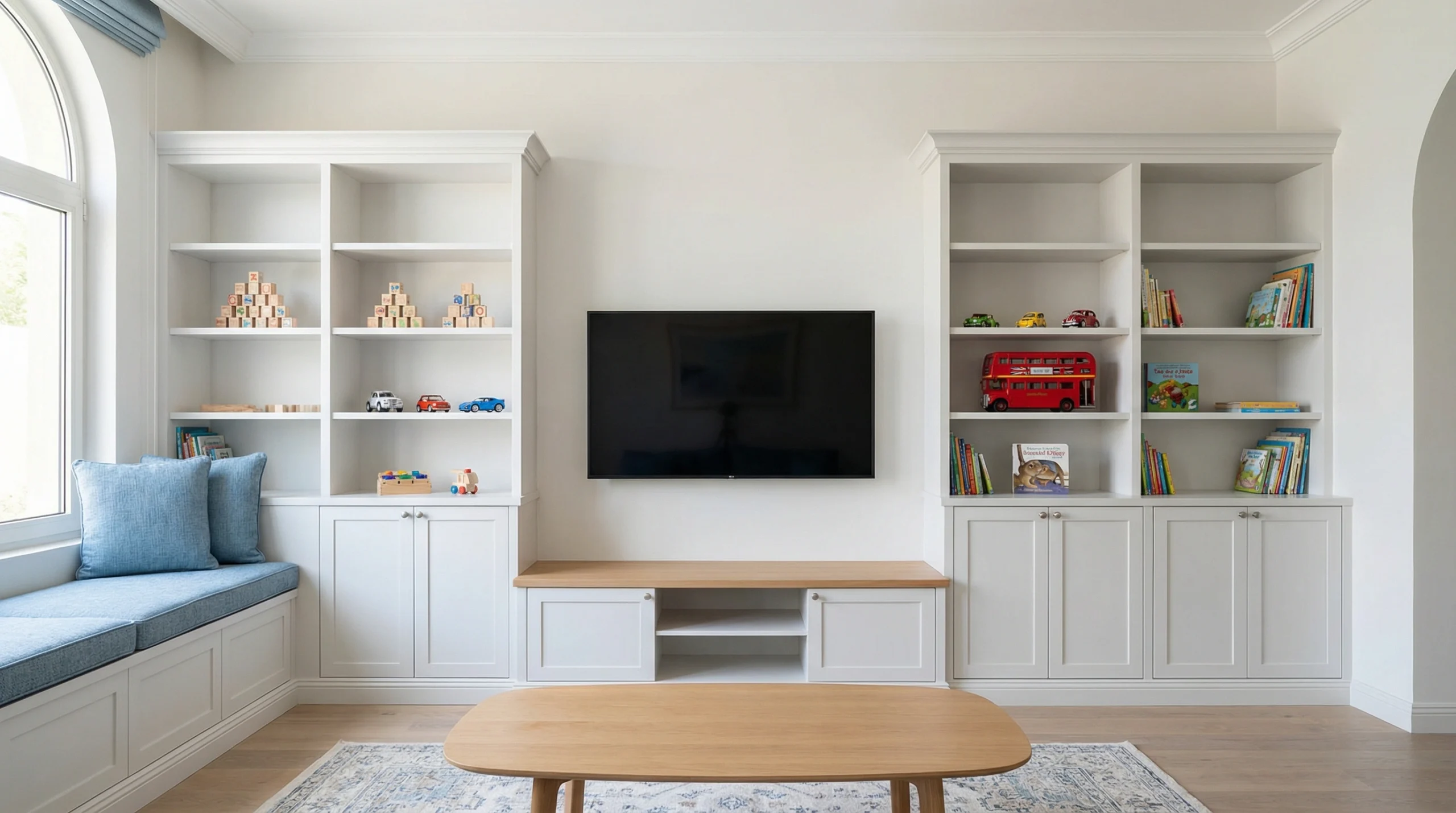
TV unit storage extends beyond the entertainment center itself. We design matching side cabinets creating wall-to-wall installations, turning entire living room walls into integrated storage and display. Lower cabinets provide enclosed storage for items better hidden, while upper open shelving displays books and decorative objects. This approach works particularly well in open-plan Dubai apartments where living rooms must accommodate multiple functions without visual clutter.
The Karnak Living Room Carpentry Process
Our systematic approach ensures your vision becomes reality through careful planning, precise execution, and quality control at every stage. Understanding this process helps you know what to expect and when.
Step 1: Initial Consultation and Space Assessment
We begin every project understanding your needs, lifestyle, and aesthetic preferences through detailed consultation. Our design team visits your property, measuring rooms precisely while noting electrical outlets, light switches, HVAC vents, and structural elements affecting carpentry installation. We photograph the space from multiple angles, documenting conditions guiding later design decisions.
During this consultation, we discuss how you use your living room currently and how you wish to use it after renovation. Families with young children have different storage needs than empty nesters. Frequent entertainers require different furniture arrangements than quiet homebody couples. We explore your style preferences through portfolio reviews, identifying designs resonating with your vision while discussing what works practically in Dubai environments.
Budget parameters get established honestly during this stage. We explain how material choices, design complexity, and project scope affect costs, helping you prioritize elements delivering maximum value within your investment comfort. Some clients prefer investing in spectacular entertainment centers while keeping other elements simple. Others want comprehensive room transformation distributing budget across multiple features. Neither approach is wrong—both require clear understanding from project start.
Step 2: Custom Design Development
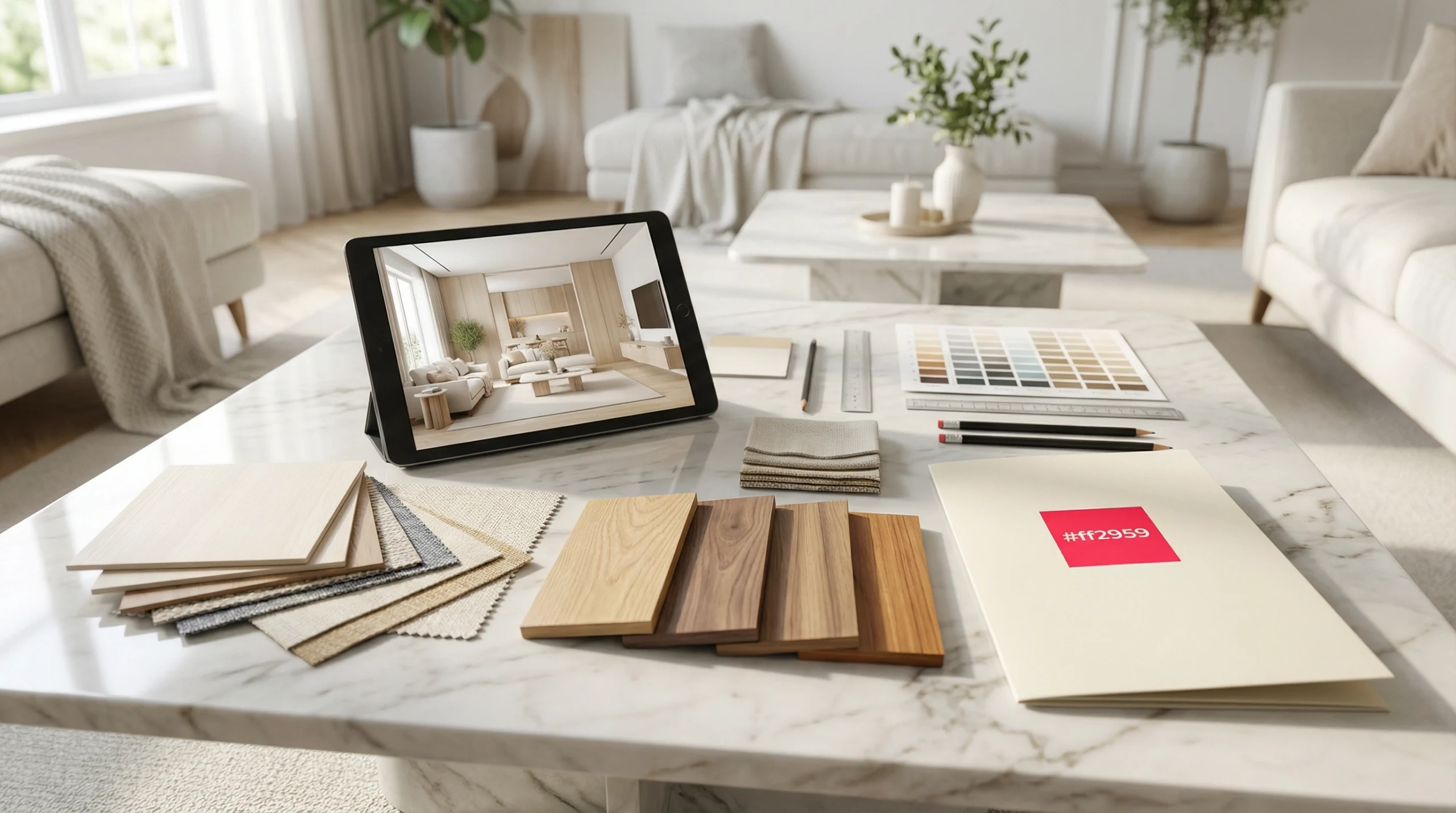
Following consultation, our design team creates detailed plans translating your vision into buildable specifications. We develop these using 3D modeling software, generating photorealistic renderings showing exactly how finished carpentry will appear in your space. These renderings include accurate wood species representation, finish colors, and lighting effects, eliminating guesswork about final appearance.
Floor plans show furniture placement, traffic flow, and spatial relationships between elements. Elevations detail each wall, showing entertainment centers, shelving, paneling, and other features with precise dimensions. We detail drawer configurations, door swing directions, shelf spacing, and hardware placement. This documentation prevents construction confusion and ensures everyone shares identical expectations.
We present two to three design concepts initially, exploring different approaches to your requirements. One concept might emphasize built-in solutions maximizing storage, while another highlights statement furniture pieces and architectural features. This options-based approach lets you compare alternatives before committing, often leading to hybrid solutions combining preferred elements from multiple concepts.
Material specifications accompany design drawings, detailing wood species, finish techniques, hardware selections, and any specialty materials like glass, metal accents, or stone inlays. We provide physical samples whenever possible—actual wood pieces showing grain and color rather than catalog photos that mislead. Our Dubai showroom maintains sample displays allowing you to see and touch materials before final selection.
Step 3: Detailed Quotation and Project Agreement
With approved designs, we prepare comprehensive quotations detailing every project cost. These include material expenses, fabrication labor, finishing work, hardware and accessories, delivery and installation, and any additional services like electrical coordination or painting. We itemize costs by room section, allowing you to understand exactly what drives project investment and make informed decisions about scope adjustments if needed.
Our quotations remain valid for 45 days, protecting you from market fluctuations during decision-making. We explain payment terms clearly—typically 40% deposit securing materials and scheduling, 40% at fabrication completion before delivery, and 20% upon satisfactory installation. This structure protects both parties while ensuring steady project progress.
Project agreements formalize design specifications, material selections, work scope, timelines, payment terms, and warranty coverage. We detail what Karnak provides and what falls outside our scope, preventing misunderstanding later. Agreements specify client responsibilities like providing access, maintaining climate-controlled environments during installation, and coordinating trades like electricians or painters requiring integration with carpentry work.
Timeline projections account for material procurement (typically 2-3 weeks for imported woods), workshop fabrication (3-6 weeks depending on complexity), and installation (1-3 weeks based on project scope). We build contingency into schedules, recognizing that Dubai’s rapid construction pace sometimes creates access delays or coordination challenges requiring flexibility.
Step 4: Materials Procurement and Preparation
Upon deposit receipt and agreement signing, we order materials from verified suppliers. European oak comes from German mills we’ve partnered with for 15 years. Walnut arrives from American suppliers providing FSC-certified sustainable material. Hardware ships from Italian and German manufacturers whose products survive Dubai’s environment.
Materials arriving at our climate-controlled workshop undergo 14-day acclimatization before fabrication begins. During this period, wood moisture content stabilizes matching Dubai’s climate. We monitor this using digital moisture meters, ensuring readings between 7-9% before cutting. Rushing this step causes the warping and gaps appearing in inferior projects after installation.
Quality inspection occurs before materials enter production. We examine boards for defects, verifying grain patterns match samples you approved. Warped, knotted, or color-mismatched pieces get rejected immediately. This selectivity ensures only premium material becomes your furniture, even if it reduces yield from purchased lumber.
Workshop preparation includes generating cutting lists optimizing material usage, programming CNC equipment for precision components, and organizing workflow ensuring quality and efficiency. Our production manager reviews each project before fabrication starts, confirming all specifications match approved designs and identifying any potential issues before they become expensive mistakes.
Step 5: Workshop Fabrication
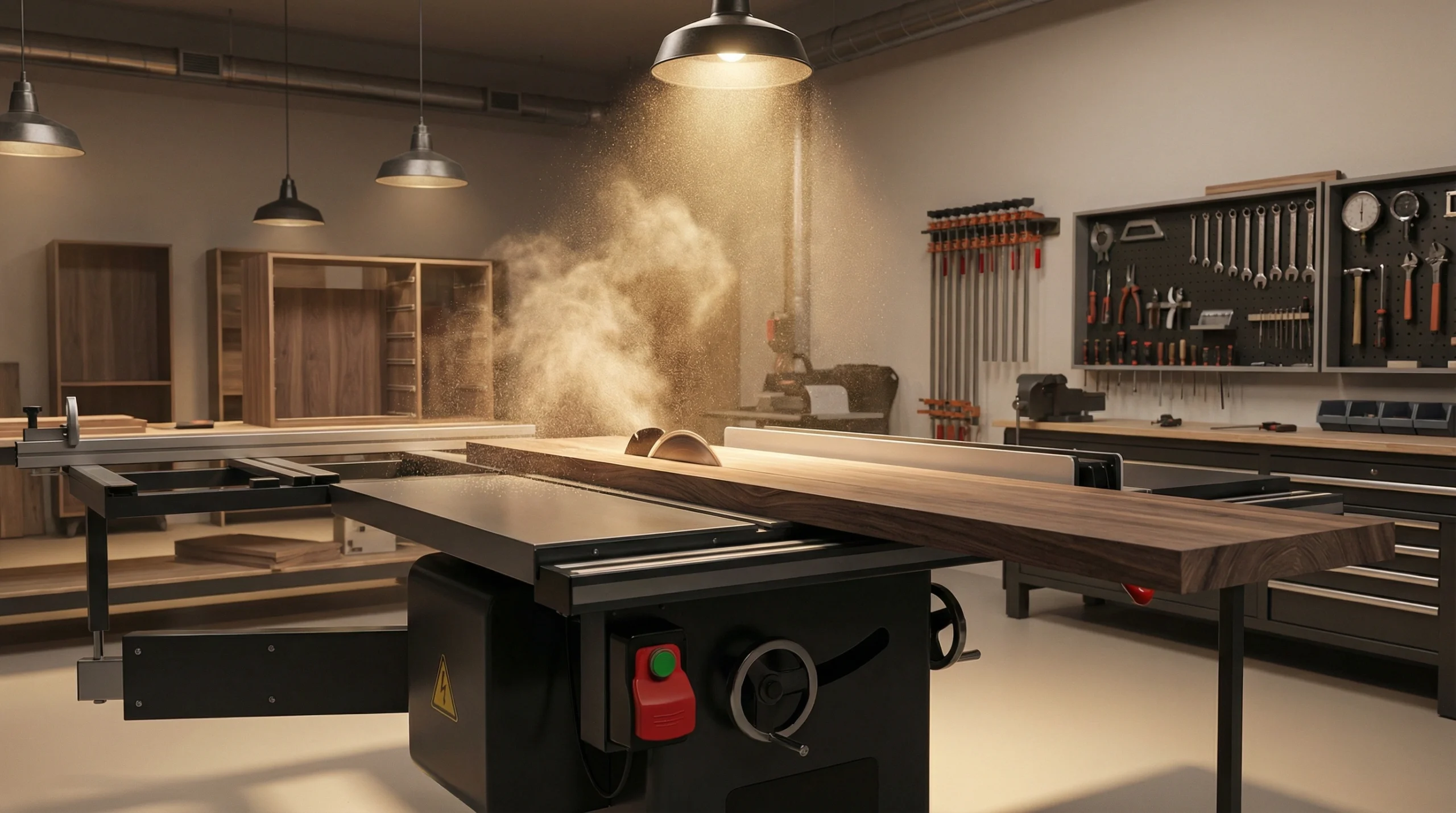
Fabrication begins with dimensioning lumber to finished sizes using precision equipment calibrated daily for accuracy. Our table saw cuts hold tolerances within 0.5mm—essential for doors fitting properly and drawers operating smoothly. Planers and jointers surface wood to exact thickness and perfect flatness before joinery begins.
Joinery methods vary by component and function. We use mortise-and-tenon for structural frames, dovetails for drawer construction, and dowels with adhesive for panel assembly. Each technique suits specific applications, chosen for strength, durability, and appropriateness. Our craftsmen average 15+ years carpentry experience, executing traditional joinery methods ensuring longevity surpassing modern shortcut techniques.
Assembly follows component fabrication, bringing parts together into recognizable furniture. We use moisture-resistant PVA adhesives for interior work, polyurethane glues for applications experiencing environmental stress, and epoxy for specialized bonds requiring gap-filling or exceptional strength. Proper clamping during adhesive curing ensures strong bonds and prevents warping during assembly stress.
Sanding progression through multiple grits prepares surfaces for finishing. We start with 80-grit removing mill marks, progress through 120-grit smoothing surfaces, and finish with 180-220 grit creating glass-smooth foundations accepting stains and clear finishes beautifully. Between-coat sanding with 320-grit ensures subsequent finish layers bond properly and final surfaces feel silky under fingertips.
Step 6: Finishing and Quality Control
Finishing transforms raw wood into beautiful furniture through staining, painting, or clear coating processes requiring skill and patience. We apply these in climate-controlled spray booths maintaining consistent temperature and humidity preventing finish defects.
Stain application enhances wood grain while adjusting color to match your preferences. We use water-based or oil-based stains depending on wood species and desired appearance. Application techniques include wiping for lighter tones, brushing for medium coverage, and spraying for darker colors requiring even coverage. Multiple coats build color depth gradually, avoiding splotching or uneven absorption.
Clear finishes protect wood while showcasing natural beauty. Our primary finish is catalyzed conversion varnish—a professional-grade product providing exceptional durability, moisture resistance, and chemical resistance. We spray 3-4 coats, sanding between applications, building protective layers surviving daily use in Dubai homes for decades. This finish outperforms retail options by substantial margins, justified by longevity and performance.
Painted finishes suit contemporary designs requiring white, grey, navy, or custom colors. We prime with stain-blocking primers preventing wood tannins bleeding through topcoats, then apply premium cabinet paints designed for durability. Multiple thin coats build smooth, durable surfaces free from brush marks or orange peel texture. Final wet-sanding with 600-grit and buffing creates furniture-quality painted surfaces rivaling factory finishes.
Quality control inspection occurs before shipping. Our QC team examines every piece, checking drawer operation, door alignment, finish quality, and detail accuracy. We test all moving parts, verify dimensions against specifications, and ensure finish meets standards. Pieces failing inspection return for correction before delivery—we never ship compromised work hoping clients won’t notice. This quality commitment separates custom carpentry from mass-produced furniture.
Step 7: Delivery, Installation, and Final Inspection
Delivery scheduling coordinates with your availability and any other trades working on-site. We transport finished pieces in protective blankets and padded boxes, preventing damage during transit. Our installation teams arrive with all necessary tools, fasteners, and touch-up materials completing installation without requiring anything from you beyond access and power outlets.
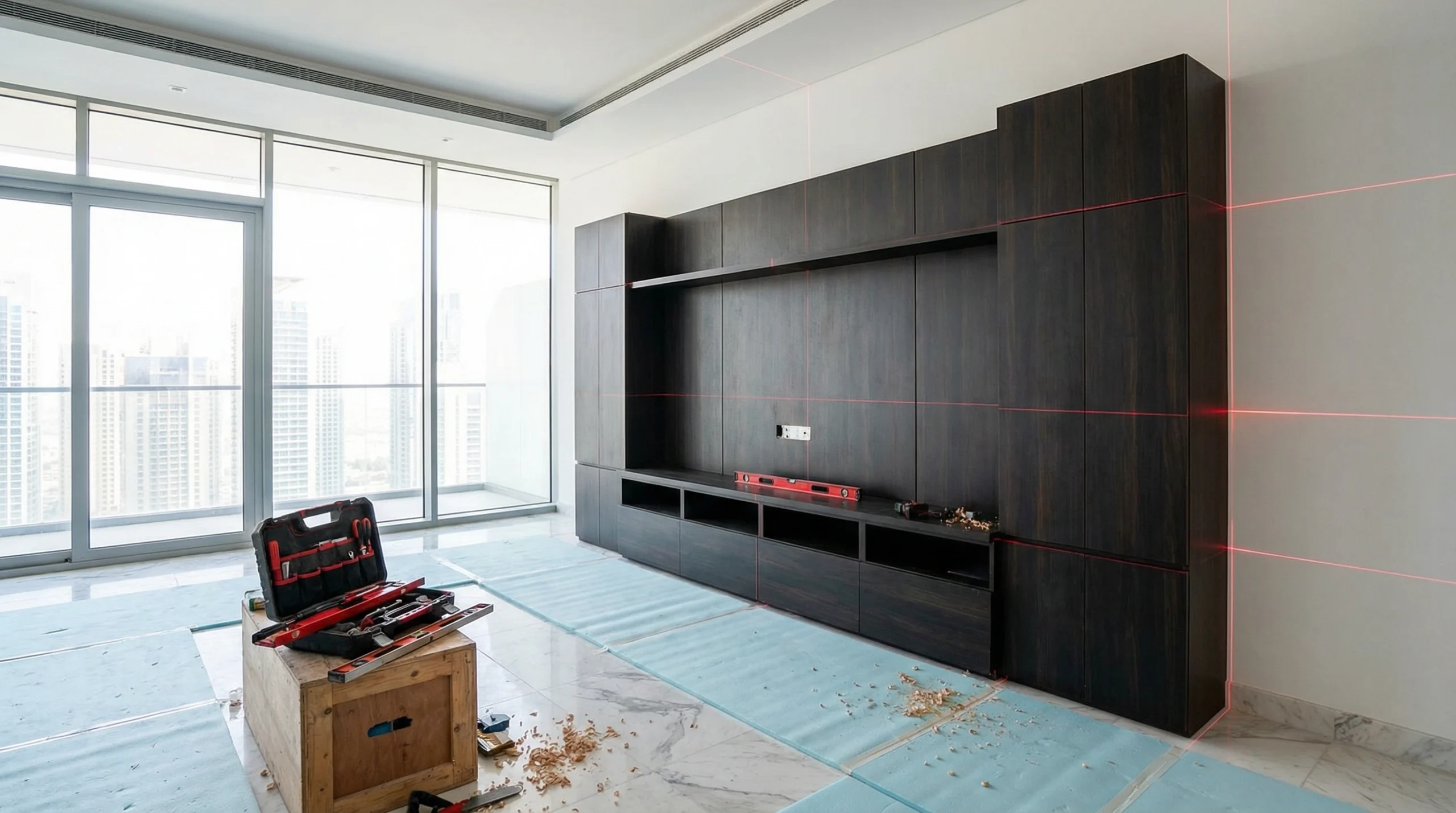
Installation begins with positioning major pieces, ensuring proper placement before permanent mounting. We verify entertainment centers sit level, shelving positions align with electrical outlets, and clearances allow doors and drawers opening without interference. Adjustments happen during this dry-fit stage, before irreversible mounting occurs.
Permanent installation uses appropriate fasteners for wall construction—concrete anchors for concrete walls, heavy-duty toggle bolts for drywall, and direct screwing into wooden studs when locating allows. We never rely on drywall alone supporting heavy cabinetry; proper anchoring prevents future failures causing damage and safety hazards.
Built-in pieces receive final adjustment after installation. We level shelving, adjust door gaps for consistency, and tune drawer slides for smooth operation. Hardware receives final tightening and adjustment. Any wall contact points get caulked using color-matched sealant creating seamless transitions between carpentry and architecture.
Final walkthroughs with you ensure satisfaction before our team departs. We demonstrate hardware operation, explain care requirements, and address any questions about your new living room carpentry. Touch-up kits containing finish materials allow you addressing minor scratches occurring during normal use. Care instructions detail cleaning methods, humidity management, and maintenance schedules preserving appearance and function.
Why UAE Homeowners Choose Karnak for Living Room Carpentry
Living room investment decisions carry significant weight—these spaces host family gatherings, entertain guests, and define home character for years or decades. Selecting the right carpentry partner determines whether this investment delivers lasting satisfaction or recurring frustration.
Three Decades of Dubai-Specific Expertise
Since 1988, we’ve completed living room projects in every Dubai neighborhood and building type imaginable. This experience taught us exactly what works in Emirates Hills villas with their generous proportions, what survives in JBR beachfront apartments with salt-air exposure, what fits Downtown high-rises with their compact floor plans, and what endures in Arabian Ranches family homes with their active household demands.
We’ve navigated Dubai Municipality approvals for 3,200+ commercial fit-outs, learning regulations affecting residential work through that commercial experience. We know which modifications require permits, how to document properly, and which approaches satisfy inspectors while meeting your design goals. This regulatory knowledge prevents project delays and ensures compliant installations never creating future problems during property sale or refinancing.
Our climate adaptation extends beyond theoretical knowledge into practical solutions proven across 10,000+ projects. We’ve observed which materials fail in specific microclimates—white oak warping in west-facing Palm Jumeirah apartments receiving afternoon sun assault, walnut checking in Dubai Silicon Oasis with its temperature extremes, pine releasing sap in Mirdif summer heat. We’ve replaced competitors’ failed installations 847 times, learning exactly what doesn’t work through expensive lessons our clients paid for elsewhere.
This accumulated wisdom informs every recommendation we make. When we suggest specific materials, joinery techniques, or finishes, those suggestions carry 35 years of field testing behind them. We’re not guessing based on European textbooks—we’re sharing knowledge earned through hot summers, humid winters, and dust storms that revealed truth about carpentry surviving Dubai conditions.
Complete In-House Capabilities
We maintain comprehensive in-house capabilities from design through installation, eliminating coordination headaches and quality inconsistencies plaguing projects split across multiple contractors. Our design team, workshop craftsmen, finishing specialists, and installation crews all work under one roof, creating accountability and ensuring consistent quality throughout your project.
Our 12,000 square-foot climate-controlled workshop in Dubai Industrial Park houses precision equipment matched only by factory operations. CNC routers cut complex profiles with computer precision. Panel saws dimension sheet goods holding tolerances within 0.5mm. Edge banders apply veneer tape creating seamless appearances. Spray booths provide controlled finishing environments producing consistent results impossible in field finishing scenarios.
This investment in equipment and facilities allows us undertaking complex projects smaller shops simply cannot execute. When designs require curved panels, intricate inlays, or specialty machining, we possess equipment and expertise completing these in-house rather than outsourcing to unknown third parties. This integration maintains quality control while accelerating timelines through elimination of coordination delays.
Our finishing capabilities deserve special mention. The spray booth finishing we provide surpasses field finishing quality by enormous margins. Controlled environment, professional equipment, and experienced finishers combine producing showroom-quality surfaces that brush or roller application never achieves. This finishing excellence ensures your carpentry looks spectacular from installation day forward, not waiting for finish to cure properly or wondering why surfaces show brush marks rejected by quality furniture manufacturers.
Material Quality and Sourcing Excellence
We import materials directly from European and North American suppliers, eliminating middlemen while ensuring authentic material provenance. Our German oak comes from Pollmeier, a family mill operating since 1831. Our American walnut ships from Baillie Lumber, a sustainably-managed forestry operation we’ve partnered with since 2005. These relationships guarantee material authenticity while providing preferential pricing we share with clients.
Hardware sourcing follows similar direct relationships. Blum, Hettich, and Grass—the German/Austrian manufacturers producing premium cabinetry hardware—supply our drawer slides, hinges, and lift systems. We specify soft-close mechanisms on everything, preventing slam damage while adding perceived luxury through smooth operation. These components cost 3-4x Chinese alternatives but last 10x longer while operating flawlessly throughout their service lives.
Finishes use professional-grade products unavailable through retail channels. Our catalyzed conversion varnish comes from Sherwin-Williams’ commercial line, formulated for furniture manufacturers rather than home hobbyists. Our cabinet paints use Benjamin Moore’s Advance line, engineered specifically for cabinetry rather than walls. These product selections ensure durability justifying custom carpentry investment rather than requiring refinishing within 5-7 years like retail products.
Quality inspection begins at material receipt and continues through every production stage. We reject shipments containing defects, grade lumber selecting only premium material for visible surfaces, and maintain standards ensuring only excellent material becomes your furniture. This selectivity increases material costs through reduced yield but guarantees you’re never examining knots, sapwood, or color variations diminishing appearance.
Project Management Excellence
Every project receives dedicated project management ensuring smooth progress from start to completion. Your project manager coordinates design, procurement, production, and installation, serving as your single point of contact rather than forcing you tracking multiple craftsmen and departments.
Communication remains proactive throughout projects. You receive updates at major milestones—design approval, materials arrival, production start, finishing completion, and installation scheduling. Project managers answer questions promptly, address concerns immediately, and keep you informed without requiring you chasing down information. This communication approach transforms potentially stressful renovations into managed processes proceeding predictably.
Timeline management balances efficiency with quality. We schedule realistically, accounting for Dubai’s realities like material shipping delays, coordination with other trades, and property access limitations. When delays occur—as they occasionally do in any construction environment—we communicate immediately, explain causes, and propose solutions maintaining project momentum. This transparency prevents surprise disappointments while demonstrating respect for your time.
Budget management follows similar discipline. Our quotations include comprehensive scope descriptions ensuring you understand exactly what’s included and what’s additional. Change orders receive written documentation before proceeding, preventing invoice surprises at project completion. We track expenses carefully, alerting you immediately if design changes or unforeseen conditions affect costs, allowing informed decisions rather than presenting completed work exceeding budget.
Warranty Coverage and After-Installation Support
Every living room project receives comprehensive warranty protection covering materials, workmanship, and hardware for 24 months from installation completion. This coverage addresses any defects appearing during normal use, including finish failures, hardware malfunctions, or structural issues stemming from fabrication or installation problems.
Our warranty responds quickly. Service calls receive scheduling within 48 hours of contact. Our technicians arrive prepared to address issues on first visit whenever possible, carrying common hardware and touch-up materials eliminating second visits. This responsiveness ensures minor issues remain minor rather than escalating through neglect.
Beyond warranty periods, we support all work indefinitely. Clients from 15 years ago call requesting modifications, additions, or refinishing. We maintain historical project records allowing us understanding exactly what we built previously, which materials we used, and how to match existing work when adding new elements. This long-term relationship approach treats clients as permanent partners rather than one-time transactions.
Our after-installation guidance includes care instructions tailored to your specific materials and finishes. We explain optimal cleaning methods, humidity management strategies for Dubai’s climate, and maintenance schedules preserving appearance and function. These aren’t generic printouts—they’re specific advice based on the materials and finishes in your actual installation.
Design Innovation Meeting Practical Requirements
Our design team balances creative innovation with practical reality, creating living rooms that look spectacular while functioning flawlessly under daily use. We’ve completed design courses in Milan, attended international furniture fairs annually, and study emerging trends continually. This design exposure informs contemporary aesthetics our clients increasingly request.
Simultaneously, we ground design in functional reality. Beautiful furniture that doesn’t survive Dubai’s climate serves nobody well. Stunning storage that doesn’t accommodate actual possessions looks great in photos but frustrates daily life. Innovative solutions requiring constant maintenance create burden rather than value. We filter design ideas through practical viability before presenting them to you.
This balance appears in project outcomes. A Business Bay apartment received slatted walnut feature wall behind a floating entertainment center—contemporary aesthetics earning designer recognition. Engineering included climate gaps preventing buckling, dust-resistant LED systems surviving Dubai conditions, and removable slat sections allowing access to wall-mounted TV without complete disassembly. Beauty met function through design thinking beyond mere appearance.
Our portfolio demonstrates design range rather than signature style. We’ve created traditional majlis with carved details respecting Emirati heritage, contemporary minimalist spaces using white lacquer and glass, mid-century modern rooms featuring walnut and brass, and transitional designs blending classical proportions with current finishes. This versatility ensures we serve your aesthetic preferences rather than forcing our design biases onto your space.
Recent Living Room Projects Across UAE
Our portfolio showcases the breadth and depth of living room work we complete across all UAE property types and design styles. These selected projects demonstrate our capabilities while illustrating the variety of approaches succeeding in different situations.
Contemporary Floating Entertainment Wall – Business Bay, Dubai
This 4.2-meter floor-to-ceiling installation features floating cabinets in matte charcoal with walnut accent panels and integrated LED edge lighting. The center accommodates a 75-inch TV with concealed mounting and cable management routing through wall chase. Side cabinets provide enclosed storage below with open display shelving above, creating visual balance. Climate-engineered construction includes expansion gaps and humidity-resistant MDF cores preventing warping in the tower’s mechanical system fluctuations. Installation required coordination with building management for wall mounting permits and electrical rough-in. Completed in 5 weeks from design approval to final installation.
Traditional Majlis with Carved Wall Panels – Arabian Ranches, Dubai
Complete traditional majlis transformation including L-shaped built-in seating platform in solid oak with storage access, floor-to-ceiling carved wall panels featuring geometric Islamic patterns, and matching console table. Seating platform includes integrated power outlets for phone charging concealed within decorative brass grills. Wall panels use 32mm solid oak carved using CNC precision then hand-finished to soften edges, creating authentic traditional appearance with modern efficiency. Finishing used medium walnut stain with catalyzed varnish providing durability while maintaining appropriate formality. The 38m² space now hosts family gatherings and Ramadan guests in comfort respecting cultural traditions. Completed over 8 weeks including custom carving production.
Traditional Majlis Library Wall – Emirates Hills, Dubai
Floor-to-ceiling library installation spanning two walls in formal living room, totaling 11.4 linear meters of custom built-in shelving. Quarter-sawn white oak construction with traditional face-frame detailing and crown molding integration. Adjustable shelving throughout accommodates books from coffee table size to standard paperbacks. Integrated brass library ladder on rolling track provides access to upper shelves 3.2 meters high. Lower cabinets with raised panel doors conceal less decorative storage. The installation includes specialty lighting—LED strips under each shelf level creating warm glow highlighting leather-bound book collection. Engineering addressed floor loading concerns, distributing weight across multiple wall studs with steel reinforcement. Material procurement alone required 3 weeks importing specific oak grade, followed by 5 weeks fabrication and 1 week installation.
Coastal Contemporary Renovation – Jumeirah Beach Residence, Dubai
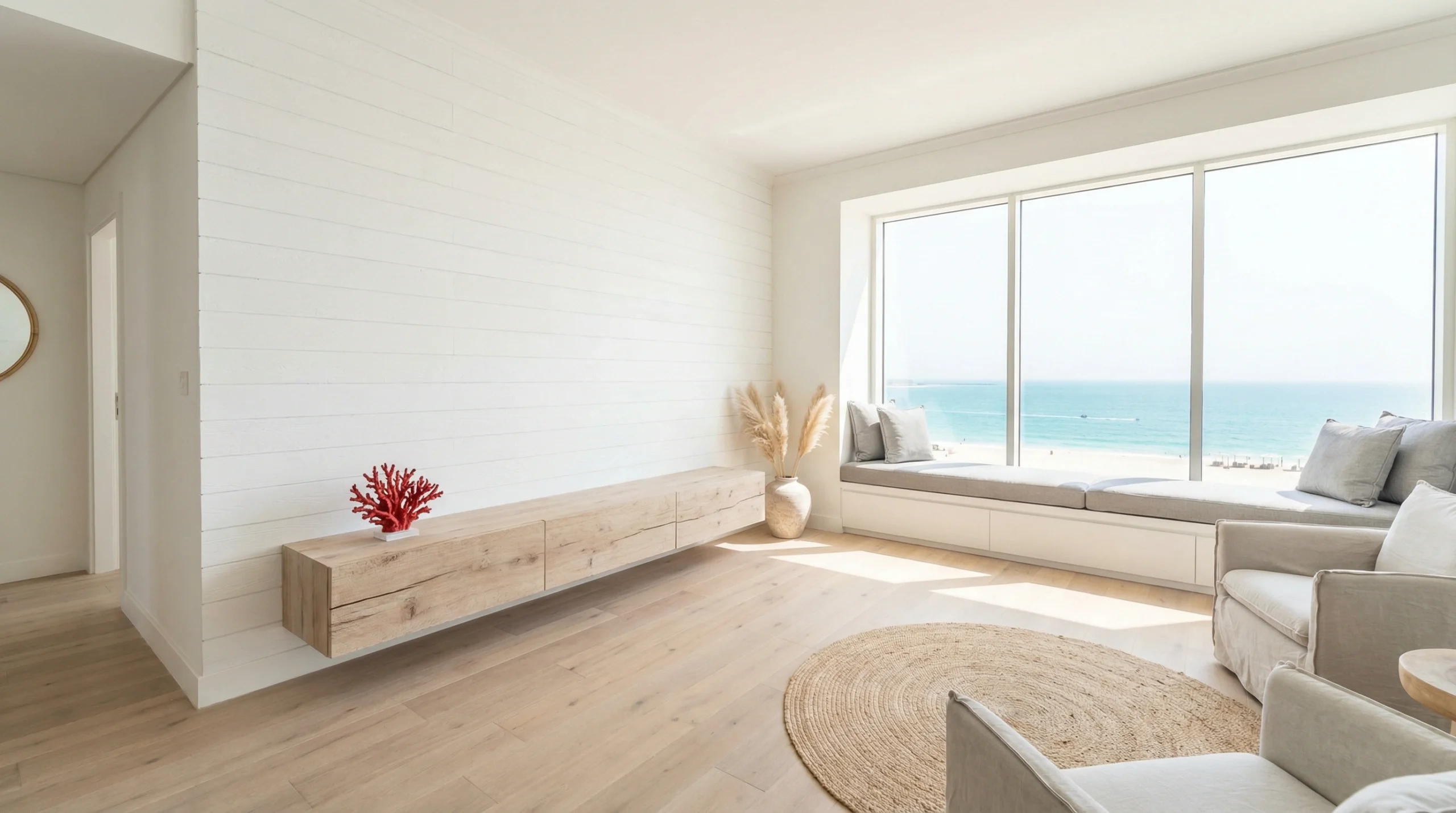
Complete living room transformation combining white shiplap accent wall, custom floating media console in bleached oak, and built-in window seat overlooking Arabian Gulf. The 2.8-meter media console floats 380mm above floor level using heavy-duty French cleat mounting system, creating visual lightness in the compact 24m² living area. Interior organization includes soft-close drawers for media storage and ventilated compartments for electronics. Window seat construction integrated with air conditioning register relocation, providing comfortable seating while maintaining climate system efficiency. Bleached oak finish required specialty treatment achieving whitewashed appearance while preserving wood grain visibility. Shiplap installation used genuine tongue-and-groove boards with 6mm reveals creating subtle texture. Salt-air exposure necessitated marine-grade finish selection and stainless steel hardware preventing corrosion. Project completed in 4 weeks including electrical coordination.
Executive Penthouse Entertainment Zone – DIFC, Dubai
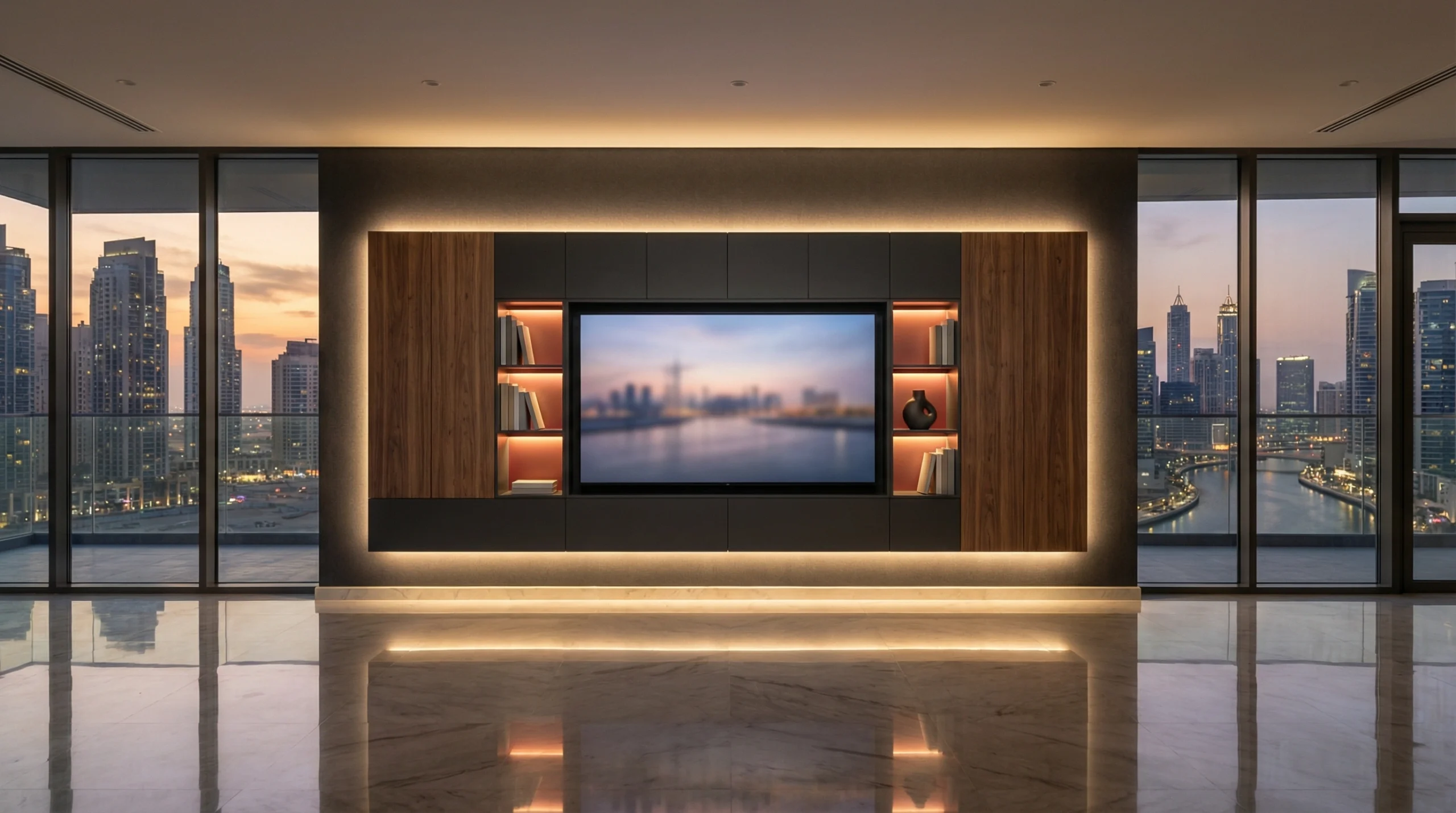
Luxury entertainment installation combining 6.8-meter integrated TV wall, bar unit with refrigerated wine storage, and custom coffee table set. The entertainment wall spans the entire living room length, featuring center TV section with flanking glass-front display cabinets illuminated by adjustable LED spotlighting. Materials include book-matched walnut veneers creating continuous grain pattern across the full span, brass trim accents, and tempered glass shelving. The bar unit incorporates 120-bottle wine cooler, pull-out mixer shelf, glass rack storage, and granite countertop. Coffee table set includes 1.8-meter main table with matching end tables, all using solid walnut with waterfall edge details and brass inlay accents. Engineering challenges included supporting the entertainment wall’s 340kg weight on partition wall, solved through steel frame integration with core wall connection. Electrical integration provided 14 outlets concealed within cabinetry, all controlled via smart home system. Project value exceeded AED 180,000, completed over 11 weeks including specialty glass and granite coordination.
Minimalist Scandinavian Living Room – Dubai Marina, Dubai
Clean contemporary space featuring custom wall-to-wall shelving in white oak with floating appearance, low-profile media console, and custom side tables. The shelving system uses frameless construction creating seamless appearance, with push-latch doors eliminating visible hardware. Integrated LED lighting illuminates each shelf from above, providing ambient room lighting while highlighting displayed objects. Media console construction used innovative undermount drawer slides allowing minimal cabinet body thickness. White oak received clear matte finish preserving natural color while providing protection. Side tables feature live-edge oak tops contrasting with powder-coated black steel bases. The minimalist aesthetic required exceptional fabrication precision—any gaps or misalignments would be immediately visible without decorative elements hiding imperfections. Completed in 6 weeks for 31m² living area.
Family-Friendly Storage Transformation – The Springs, Dubai
Practical living room renovation for family with three young children, maximizing storage while maintaining clean aesthetics. Custom built-in units flanking TV provide enclosed storage for toys, games, and children’s items, with upper open shelving displaying decorative items. Window seat with lift-top storage offers reading nook for children while hiding additional toy storage. Low-profile coffee table with rounded corners and storage drawers keeps small items organized while eliminating sharp edges. Materials used white painted MDF for cabinetry (allowing easy cleaning) and oak for table to survive active family use. Soft-close hardware throughout prevents slammed fingers. The transformation eliminated clutter that previously dominated the space, creating organized environment transitioning from play space to entertaining space without room overhaul. Project completed in 3 weeks at mid-range budget focusing on function over luxury finishes.
Mid-Century Modern Revival – Downtown Dubai, Dubai
Period-inspired renovation featuring custom credenza in walnut and brass, floating shelving displaying art and ceramics, and matching coffee table set. The credenza design references 1960s Scandinavian furniture through tapered legs, sliding door details, and oiled walnut finish. Brass hardware and leg caps provide period-appropriate metal accents. Construction used solid walnut for visible surfaces over engineered cores providing dimensional stability. Floating shelving uses concealed mounting brackets supporting walnut shelves appearing to hover without visible support. Coffee table set includes primary table with brass-inlaid border detail and smaller nesting tables. The aesthetic required extensive design development balancing authentic period references with modern construction quality and Dubai climate requirements. Finishing used multiple hand-rubbed oil applications building depth and character. Completed over 7 weeks including specialty brass component fabrication.
Open-Plan Living Transformation – Dubai Silicon Oasis, Dubai
Modern apartment combining living and dining areas required carpentry defining zones while maintaining open flow. Custom room divider using vertical oak slats creates visual separation without blocking light or air circulation. Living room side features built-in media center with storage, while dining side incorporates buffet unit and wine storage. The slatted divider includes integrated planters introducing greenery into the open space. Materials used natural oak with clear satin finish emphasizing wood grain. The divider mounting required coordination with suspended ceiling installation, integrating structural support without visible brackets. Media center engineering provided cable routing from wall outlet to TV mounting position 2.4 meters away without exposed wires. The transformation created defined living and dining zones within 52m² open area. Completed in 5 weeks.
Luxury Art Display Living Room – Palm Jumeirah, Dubai
Collector-focused installation providing climate-controlled display for contemporary art while integrating entertainment and storage functions. Custom built-in units feature glass-front cabinets with UV-filtered glass, integrated climate monitoring, and adjustable LED museum lighting. The system maintains 50% relative humidity and 22°C temperature protecting valuable art pieces. Entertainment integration includes concealed TV behind motorized art panel, revealing screen when activated and hiding it behind artwork when not in use. Additional storage cabinets use soft-close mechanisms and felt-lined shelving protecting ceramics and sculpture. Engineering included mini-split AC integration for climate-controlled cabinets, motorized panel installation requiring electrical coordination, and structural reinforcement supporting art weight. Materials used high-gloss white lacquer creating gallery aesthetic. Project value exceeded AED 220,000, completed over 13 weeks including specialty climate control installation.
Living Room Carpentry Questions – Expert Answers
Timeline varies significantly based on project scope, material selections, and design complexity. A straightforward entertainment center with flanking storage might complete in 4-5 weeks total—one week for design development and approval, two weeks for material procurement and acclimatization, 1.5 weeks for fabrication and finishing, and 2-3 days for installation. More complex projects involving multiple room elements, specialty materials, or intricate details extend to 8-12 weeks.
Material procurement drives much of the timeline variation. European oak from our German suppliers ships in 10-14 days typically, but specialty species or custom thicknesses add 1-2 weeks. During global shipping disruptions, material timelines extend unpredictably—we experienced 6-week delays during 2021 container shortages. We always provide realistic timeline projections based on current material availability rather than optimistic estimates requiring everything proceeding perfectly.
Fabrication complexity affects workshop time significantly. Simple painted cabinets with standard doors and drawers progress quickly. Projects requiring carved details, complex joinery, specialty inlays, or hand-rubbed finishes need substantially more production time. We never rush fabrication compromising quality to meet arbitrary deadlines—the investment in custom carpentry justifies taking time producing excellent work.
Installation duration depends on project scope and site conditions. A single entertainment unit installs in one day typically. Whole-room transformations with multiple walls of cabinetry, architectural features, and furniture might require 1-2 weeks, especially when coordinating with other trades like electricians or painters. We schedule installation when site conditions allow working efficiently rather than forcing schedule creating complications.
We recommend starting design conversations 3-4 months before you need completed installation, allowing comfortable timeline without rushing. For major renovations coordinating multiple contractors, even longer lead times prevent carpentry becoming the project bottleneck. We maintain detailed project schedules, updating you regularly about progress and immediately communicating any delays requiring timeline adjustment.
Custom carpentry costs reflect materials, skilled labor, overhead, and individualized design substantially different from mass production economics. Understanding these cost drivers helps you evaluate whether custom work suits your situation or whether retail solutions might serve adequately.
Material quality differs enormously. We use kiln-dried hardwoods adjusted to Dubai’s climate, requiring time and energy expenditure furniture manufacturers avoid. Our quarter-sawn oak costs 3-4x more per board foot than construction-grade oak Home Depot sells, but movement characteristics justify the premium for built-in applications where wood must remain dimensionally stable. Retail furniture uses particle board, MDF, or veneer-covered plywood reducing material costs by 70-80% while sacrificing longevity and repairability.
Skilled labor drives significant cost. Our craftsmen average 15+ years experience, earning wages reflecting their expertise. A master carpenter fabricating your entertainment center invests time custom-fitting each joint, hand-sanding surfaces smooth, and ensuring doors align perfectly. Retail furniture assembles in overseas factories by lower-wage workers using automated equipment and standardized components. That efficiency reduces costs but eliminates customization and often compromises quality.
Customization itself adds expense. We design each project specifically for your space, dimensions, and requirements. Retail furniture comes in standard sizes—you adapt your room to furniture rather than furniture adapting to your room. This customization provides perfect fit, maximized storage, and integration with architectural features impossible with off-the-shelf solutions, but requires design time, custom material cutting, and one-off fabrication rather than production runs amortizing setup costs across thousands of units.
Overhead costs for custom workshops exceed retail operations. We maintain climate-controlled facilities, precision equipment, finishing capabilities, and skilled workforce year-round whether currently building your project or not. These fixed costs distribute across fewer projects than furniture manufacturers producing thousands of identical pieces. Our Dubai location adds costs compared to overseas manufacturing—labor, facilities, and materials all cost more here than in Southeast Asian factory complexes producing retail furniture.
That said, custom carpentry often provides better value long-term despite higher initial investment. Our work lasts 20-30 years or more with minimal maintenance. Retail furniture typically shows wear within 5-7 years, requiring replacement. Custom built-ins add property value. Retail furniture depreciates immediately. Custom work fits perfectly, maximizing space efficiency. Retail furniture leaves gaps and unused areas. When appropriate for your situation and budget, custom carpentry investment pays returns for decades.
We absolutely can match existing furniture you’re keeping, though achieving perfect matches involves considerations worth discussing upfront. Our approach begins with examining pieces you’re matching, photographing them from multiple angles, and if possible taking small samples to our workshop for close analysis.
Wood species matching starts the process. We identify whether existing pieces use oak, walnut, cherry, maple, or other species, then source matching material. This sounds straightforward but wood varies significantly even within species—white oak from Appalachian forests differs from European oak in color and grain pattern. We obtain samples for your approval before proceeding with full material orders, ensuring you’re satisfied with the match before we invest in fabrication.
Finish matching presents greater challenge than wood selection. Existing furniture’s finish has aged—UV exposure darkens some species while bleaching others, oxidation changes color tones, and accumulated wax or polish creates patina new finishes won’t replicate immediately. We can match current appearance through stain formulation and finish techniques, but understand new pieces will look slightly different initially, aging toward perfect match over 12-24 months as finishes naturally oxidize.
We create finish samples on actual wood we’ll use for your project, applying proposed stain and topcoat combinations. You compare these samples against existing furniture under your home’s lighting conditions—crucial because lighting dramatically affects color perception. We iterate stain formulas until achieving the closest practical match. Perfect matches prove nearly impossible, but we consistently achieve results where new and existing pieces harmonize beautifully in completed rooms.
Detail matching requires equal attention. If existing furniture features specific molding profiles, panel styles, or hardware, we replicate these through custom milling or sourcing identical hardware. Our CNC equipment can replicate virtually any profile, and our hardware suppliers access extensive catalogs including discontinued styles. This detail matching ensures new pieces feel like they’ve always belonged with existing furniture rather than appearing obviously different additions.
Some clients prefer embracing complementary rather than matched approaches—using different but harmonizing species or finishes creating intentional variety rather than attempting seamless continuity. A walnut entertainment center might complement existing oak bookcases beautifully through shared contemporary style despite different wood species. We guide you through these aesthetic decisions based on your space and preferences.
Rental properties present unique challenges balancing investment in living space improvement against uncertain tenancy duration and landlord approval requirements. We’ve completed numerous projects for expat tenants transforming temporary Dubai housing into comfortable homes while respecting rental limitations.
Free-standing furniture provides the simplest rental solution. Custom coffee tables, side tables, media consoles, and storage pieces transform living rooms without requiring landlord approval or permanent installation. These pieces move with you when tenancy ends, protecting your investment. We design these considering likely future spaces—avoiding extremely specific dimensions that only fit one apartment, instead creating versatile pieces working in various room configurations.
Semi-permanent installations offer middle ground between built-ins and furniture. Entertainment centers secured to walls using mounting brackets rather than permanent anchors can be removed when moving, leaving minimal wall damage requiring simple patching and paint touch-up. These typically require landlord approval but negotiation often succeeds when explaining installations improve property value and you’ll restore original condition upon departure. We’ve helped tenants draft proposals for landlords explaining installation benefits and restoration plans securing approval.
True built-ins make sense for longer-term rentals where tenancy extends 3+ years and landlord relationship supports improvement discussions. We’ve completed installations where landlords agreed to cost-sharing arrangements recognizing carpentry enhances property value and marketability. These negotiations vary widely—some landlords contribute 50% of costs, others allow installation without financial participation but prohibit removal when tenancy ends, effectively gifting improvements to property.
Documentation protects everyone involved. We photograph existing conditions before installation begins, maintain detailed records of work performed, and when relevant, create restoration plans explaining how to return space to original configuration. This documentation helps during move-out inspections, preventing disputes about what modifications you made versus property’s original condition.
Budget considerations differ for rentals. Investing AED 100,000 in built-in carpentry makes sense when you own property benefiting from improvements indefinitely. That same investment in rental property you’ll vacate within two years requires careful evaluation. We help you identify which improvements deliver maximum impact for minimum investment, focusing budget on elements significantly improving your daily living experience or portable furniture maintaining value regardless of future moves.
Dubai property values reflect multiple factors, with carpentry improvements contributing differently depending on property type, location, and target buyer demographic. Based on working with real estate agents valuing our clients’ properties over 35 years, certain improvements consistently deliver stronger value returns than others.
High-quality entertainment centers and media walls rank among top value-adding improvements, particularly in apartments and villas targeting young families and professionals. Modern life centers around entertainment systems, and well-designed carpentry housing these technologies professionally signals overall property quality to potential buyers. Buyers increasingly expect built-in solutions rather than furniture-based entertainment setups, making properties with integrated systems more competitive.
Built-in storage solutions add value by solving problems endemic to Dubai properties—developers maximize saleable square footage at storage’s expense. Custom carpentry creating abundant, well-organized storage addresses this shortage, making properties more functional and appealing. Walk-in closets, built-in wardrobes, and extensive living room storage become major selling points, often mentioned specifically in property listings as premium features.
Traditional majlis installations significantly increase value for villas marketing to Emirati and local GCC buyers. These buyers specifically seek traditional entertaining spaces, and quality majlis carpentry signals respect for cultural requirements while demonstrating craftsmanship quality. Properties in Emirates Living communities (Arabian Ranches, The Springs, The Meadows) particularly benefit from proper majlis installations when targeting local buyer demographics.
High-end finishes and materials impact value in luxury segments—Emirates Hills, Palm Jumeirah, Downtown penthouses, DIFC residences. Buyers in these markets expect and pay premiums for premium materials. Book-matched veneers, exotic wood species, specialty hardware, and museum-quality finishing separate premium properties from standard luxury inventory. The incremental cost of upgrading materials pays returns through faster sales and higher valuations.
That said, not all carpentry improvements add equivalent value to cost invested. Extremely personalized installations catering to highly specific tastes might reduce market appeal if potential buyers can’t envision the space serving their different preferences. We’ve seen carved wall panels featuring specific religious imagery limiting buyer pool, ultra-modern installations alienating traditional buyers, and highly customized storage systems so specific to previous owner’s possessions that new owners immediately want renovations.
We recommend balancing personal enjoyment with resale considerations. Install improvements you’ll enjoy throughout ownership, but avoid extremes that strongly limit buyer pool when you eventually sell. Classic styles, quality materials, and functional solutions tend to appreciate broadly while highly trendy or extremely personalized approaches risk appealing to narrower markets. For properties you’ll occupy long-term, prioritize your preferences—enjoyment over 10-15 years justifies almost any choice. For shorter-term holdings or investment properties, maintain broader market appeal through timeless design and materials.
Dubai’s extreme climate poses substantial challenges for carpentry through temperature swings, humidity fluctuations, and dust exposure. Our prevention strategies begin before fabrication starts and continue through installation techniques, based on 35 years observing what fails and what endures.
Material selection forms the foundation. We specify quarter-sawn lumber for large panels, where growth ring orientation reduces seasonal movement by 60% compared to flat-sawn material. Engineered materials like MR-MDF for panel cores provide dimensional stability solid wood cannot match, accepting veneer faces delivering solid wood appearance without movement problems. For critical applications in coastal areas with elevated humidity, we specify teak or other naturally stable species resisting moisture absorption.
Moisture content management begins at material receipt. Imported lumber arrives at moisture content suitable for European climates—typically 10-12%—but Dubai’s average ambient humidity produces equilibrium moisture content around 8%. We acclimatize all wood in our climate-controlled workshop for 14 days minimum, allowing moisture content stabilizing before fabrication. This waiting period prevents the shrinkage that occurs when humid-climate wood enters Dubai’s dry environment after installation.
Construction techniques accommodate inevitable movement. We build large panels as floating assemblies within frames, allowing 3-4mm expansion room around perimeters. Rail-and-stile door construction uses oversized grooves accepting panel expansion without binding. Shelving installations include climate-calculated spacing preventing shelves binding against case sides during humid winter expansion. These engineering details remain invisible but prevent the failures appearing in work lacking climate consideration.
Finish selection provides moisture barrier protecting wood from environmental fluctuations. Our catalyzed conversion varnish creates durable moisture barrier compared to oil finishes or water-based alternatives. We apply this on all surfaces—fronts, backs, edges, even interior surfaces—creating complete envelope preventing moisture absorption from any direction. This comprehensive finishing prevents the differential moisture absorption causing cupping and warping.
Installation timing and techniques matter. We avoid installing during Dubai’s most humid months (December-February) when possible, as wood expansion during these months can cause binding that persists even after seasonal contraction. When humid-season installation becomes necessary, we account for current expanded state, leaving slightly larger than normal gaps that will close as wood contracts during drier months. Our installation teams monitor job site humidity and adjust gap calculations based on current conditions rather than using fixed dimensions regardless of climate.
Hardware selection acknowledges dust infiltration. Dubai’s suspended particulate matter infiltrates even well-sealed homes, accumulating in drawer slides and hinges. We specify sealed-bearing hardware resisting dust intrusion—soft-close mechanisms with sealed cartridges rather than open bearing designs collecting particles. European manufacturers like Blum and Hettich engineer hardware specifically for challenging environments, and we exclusively use these brands for reliability in Dubai conditions.
Long-term performance requires ongoing climate management. We advise clients maintaining indoor humidity between 40-55% through HVAC systems and supplemental humidification during dry months. Consistent climate prevents the expansion-contraction cycles stressing wood and causing finish failures. Simple maintenance like this dramatically extends carpentry life, preventing failures requiring expensive repairs or replacement.
Contemporary minimalist design actually demands exceptional carpentry skill and precision—simplicity makes every detail visible, leaving nowhere to hide imperfections. We’ve completed numerous minimalist projects where clean lines, seamless joints, and perfect finish quality create the restrained elegance this aesthetic requires.
Minimalist design principles emphasize honest materials, clean geometry, and functional efficiency without decorative excess. We translate these into carpentry through material selection showcasing natural wood beauty, precise joinery creating seamless appearances, and integrated solutions hiding mechanical elements that would clutter visual simplicity.
Frameless cabinet construction suits minimalist aesthetics perfectly. This approach eliminates face frames, creating clean cabinet fronts where doors and drawers appear as continuous surfaces separated only by minimal reveal gaps. We hold these gaps to 3mm consistently across entire installations through precision fabrication and careful installation. The resulting appearance suggests sleek furniture rather than traditional cabinetry, exactly what minimalist design requires.
Hardware integration maintains clean aesthetics. We use push-latch doors eliminating visible handles, touch-release drawers opening without pulls, and integrated recessed grips when some handle becomes necessary. All hardware remains concealed when closed, preventing the visual clutter traditional knobs and pulls create. This approach requires more expensive hardware and careful installation, but the resulting clean surfaces justify the investment in minimalist contexts.
Material selection focuses on woods with subtle, consistent grain patterns—white oak, maple, or bleached finishes rather than dramatic grain and color variation. Alternatively, painted surfaces in pure white, warm grey, or black create monolithic appearances emphasizing form over material. We often combine materials strategically—white painted cabinets with natural oak shelving, creating textural interest through material contrast rather than decorative elements.
Detail execution becomes critical. In ornate traditional work, decorative moldings and carved details attract attention away from minor imperfections. Minimalist design offers no such camouflage—every surface must be perfectly flat, every joint perfectly tight, every finish absolutely smooth. Our fabrication and finishing processes meet these demands through precision equipment, skilled craftsmen, and quality control refusing to accept anything less than excellent execution.
Integrated lighting enhances minimalist installations without cluttering them visually. LED strips concealed under shelves, within toe-kicks, or behind panels create ambient lighting highlighting architecture and materials without visible fixtures. We engineer these electrical integrations during design phase, ensuring wiring routes invisibly and light sources remain concealed while illuminating spaces effectively.
Functional efficiency aligns perfectly with minimalist values. Storage solutions organizing possessions invisibly, entertainment systems concealing technology when not in use, and multi-functional furniture serving multiple needs all reflect minimalist principles of purposeful design without excess. We excel at creating these functional solutions through thoughtful design and precise execution.
Contemporary minimalism doesn’t mean cheap or simple to fabricate. Quite the opposite—achieving the refined simplicity minimalist design demands requires exceptional skill, precision equipment, and quality materials. The result appears effortless, but execution demands careful attention to every detail. We embrace these challenges, creating contemporary carpentry meeting minimalist aesthetic standards while delivering the functionality and durability justifying custom carpentry investment.
Modern Living Room Carpentry Dubai increasingly integrates technology—from wireless charging pads in coffee tables to voice-controlled lighting in entertainment centers to motorized TV lifts. We’ve developed systematic approaches incorporating these technologies reliably while allowing future upgrades as technology evolves.
Planning begins during design phase, identifying which smart features you want immediately and which might add later. Current must-haves for many clients include integrated power outlets within furniture (eliminating floor cables), USB charging ports at seating areas, cable management routing wires invisibly, and lighting control integration. We design furniture accommodating these features through internal channels, access panels, and appropriate electrical rough-in.
Electrical coordination forms critical component of smart integration. We work with licensed electricians ensuring proper power supply to furniture-integrated outlets, providing required circuits for high-power equipment, and installing low-voltage wiring for LED lighting systems. Our designs specify exact outlet locations within cabinetry, ensuring electricians install receptacles where furniture installation will conceal them while keeping them accessible.
Wireless charging integration requires embedding charging coils within furniture surfaces. We create recesses in tabletops, console surfaces, or nightstands accepting charging modules, then route power cables through furniture interiors to outlets. Surface materials matter—charging works through wood but not metal, and maximum thickness limitations exist. We engineer these details ensuring reliable charging while maintaining furniture aesthetics.
Cable management systems prevent wire chaos behind entertainment centers and desk areas. We route cables through channels routed into backs and sides of cabinetry, provide grommet access points where wires enter/exit furniture, and create removable panels allowing future cable access without furniture disassembly. Our systems accommodate current equipment while allowing flexibility as you upgrade components requiring different cable configurations.
Motorized components add drama and functionality—TV lifts emerging from cabinets, panels sliding to reveal screens, or height-adjustable surfaces accommodating different uses. These require electrical power, control systems, and mechanical mounting—all integration we coordinate during fabrication. We typically subcontract specialty motorization to dedicated suppliers, fabricating furniture to precisely accept their mechanisms.
Lighting control integration connects LED systems to smart home platforms like Control4, Lutron, or Savant. We install dimmable LED drivers compatible with these systems, provide appropriate low-voltage wiring, and coordinate with your smart home integrator ensuring proper communication between carpentry lighting and control systems. This allows controlling entertainment center lighting, under-shelf illumination, and accent lighting through centralized home automation.
Future-proofing strategies acknowledge technology’s rapid evolution. We design access panels allowing equipment upgrades without carpentry modifications, size cable channels generously accommodating future cable additions, and install spare electrical circuits supporting technology not yet specified. Modular approaches where possible allow replacing specific components rather than entire installations as technology advances.
We document all integrated technology carefully—electrical outlets locations, cable routing paths, access panel locations, and smart system integration details. This documentation helps when you want future modifications or repairs, preventing the reverse-engineering required when documentation doesn’t exist. We provide these as-built drawings showing exactly what’s installed and how to access it.
Smart integration adds project complexity and cost. Technology components themselves carry expenses, electrical coordination requires additional time and labor, and integration engineering demands expertise. However, modern living room functionality increasingly expects these capabilities, and incorporating them during initial fabrication costs far less than retrofitting completed carpentry later. We help you determine which integrations justify investment for your specific usage patterns and preferences.
Properly designed and maintained custom carpentry typically lasts 20-30+ years in Dubai environments, dramatically outlasting retail furniture’s 5-7 year typical lifespan. This longevity stems from quality materials, solid construction, and protective finishes, though achieving it requires appropriate care.
Material quality directly affects longevity. Our hardwood construction using kiln-dried oak, walnut, or other premium species maintains structural integrity indefinitely when protected from moisture damage and physical abuse. The MDF and plywood we use for painted work or veneer substrates similarly endures decades when moisture-resistant grades get specified and finishes prevent moisture infiltration. By contrast, particle board furniture sold at mass retailers deteriorates within 5-10 years as adhesives break down and water damage accumulates.
Joinery methods determine whether furniture loosens over time or maintains original tight assembly. We use traditional mortise-and-tenon, dovetail, and dowel joinery reinforced with modern adhesives creating joints stronger than surrounding wood. These joints don’t loosen with age like screwed assemblies or cam-lock hardware typical in retail furniture. Our drawer boxes, built using dovetail joinery, commonly outlast the buildings they’re installed in.
Finish quality protects wood from environmental damage while maintaining appearance. Our catalyzed conversion varnish creates durable moisture barrier and impact-resistant surface outlasting oil finishes, shellac, or water-based alternatives. This finish typically requires no refinishing for 15-20 years under normal residential use. Painted finishes using premium cabinet paints similarly maintain appearance for 10-15 years before requiring refreshing.
Hardware quality affects long-term functionality. The European soft-close hinges and drawer slides we specify operate flawlessly for 100,000+ cycles—translating to decades of daily use. By contrast, budget hardware common in retail furniture fails within 3-5 years, causing drawers to stick and doors to sag. When hardware eventually wears out, we replace it easily since we use standard commercial components rather than proprietary assemblies requiring complete furniture replacement.
Regular maintenance extends lifespan and maintains appearance. We recommend dusting weekly using microfiber cloths, cleaning quarterly with wood cleaners appropriate to your specific finish (we provide specific product recommendations), and annually checking hardware for loosening requiring simple tightening. This minimal maintenance prevents accumulated damage requiring expensive repair.
Climate control provides the single most important maintenance factor. Maintaining indoor humidity between 40-55% prevents the expansion-contraction cycles stressing wood and causing finish failures. HVAC systems providing this control protect carpentry along with protecting your health, comfort, and other possessions. We’ve observed that carpentry in consistently climate-controlled environments lasts literally twice as long as identical work in buildings with poor climate management.
Avoiding abuse matters. While our carpentry withstands normal residential use including children, pets, and entertaining, it’s not indestructible. Standing on shelves damages them. Slamming doors eventually loosens hinges. Dragging heavy objects across surfaces scratches finishes. Treating carpentry with reasonable care prevents damage requiring repair or replacement.
When damage occurs, repairs usually cost far less than replacement. Scratched finishes can be locally touched-up or professionally refinished. Damaged hardware gets replaced. Broken components get rebuilt. This reparability contrasts sharply with retail furniture, where damage often requires complete replacement since particle board and proprietary hardware cannot be repaired economically.
Some clients request maintenance visits 12-18 months post-installation. During these visits, our technicians inspect hardware, tighten any loose fasteners, touch-up minor finish damage, and ensure everything operates optimally. These preventive maintenance visits catch small issues before they become larger problems, extending carpentry lifespan while maintaining like-new operation. We provide this service at reasonable hourly rates for clients wanting proactive care rather than waiting for failures requiring emergency repairs.
We collaborate excellently with interior designers, providing fabrication and installation expertise translating their creative visions into built reality. Many of our projects originate through designer partnerships, and we’ve developed working relationships with dozens of Dubai design firms over our 35 years.
Our preferred collaboration approach begins early in design development, before specifications become finalized. This timing allows us providing fabrication and cost input during design phase, helping designers understand what’s buildable at various price points and what requires cost-prohibitive custom fabrication. Early involvement prevents designers creating gorgeous specifications that dramatically exceed client budgets or require fabrication techniques beyond practical capability.
We review designer drawings and specifications, identifying any fabrication challenges or climate-adaptation requirements designers might not recognize. Interior designers excel at aesthetic and spatial design but sometimes specify joinery methods unsuitable for Dubai’s climate, materials unavailable locally requiring expensive import, or details difficult to fabricate within budget constraints. Our technical review catches these issues early, allowing collaborative problem-solving rather than costly redesigns later.
Material sourcing often benefits from our supplier relationships. Designers specify particular wood species, veneers, or finishes based on aesthetic vision, and we translate these into specific products from our trusted suppliers. Sometimes designer specifications match our standard materials exactly, keeping costs reasonable. Other times designers request specialty items requiring custom procurement—we handle this but communicate cost implications clearly so clients make informed decisions.
Detailing collaboration ensures designer intent gets realized in built work. We prepare shop drawings showing exactly how we’ll fabricate specified elements, how details will resolve, and how assemblies will install. Designers review these, confirming our interpretation matches their vision or requesting adjustments before fabrication begins. This review process prevents the disappointment occurring when fabricators misinterpret designer intent.
Some designers provide complete construction documentation specifying every dimension, joinery method, and material. Others provide concept sketches requiring substantial development work translating vision into buildable specifications. We accommodate both approaches, charging accordingly for development work when required. Clear communication about scope prevents misunderstandings about who’s responsible for what level of detail.
Budget management requires transparency among all parties. We provide detailed quotations itemizing costs by specification element, allowing designers and clients understanding exactly what drives expenses. When budgets require value-engineering, we suggest alternatives delivering similar aesthetic impact for reduced cost—different wood species, simplified details, or alternative construction methods. These collaborative discussions typically produce solutions satisfying aesthetic goals within budget realities.
Site coordination follows established protocols. We attend regular progress meetings when projects involve multiple contractors, coordinate our installation with other trades, and communicate schedule changes affecting others. Professional courtesy and reliable communication earn us repeat collaboration with design firms who appreciate contractors making their projects successful rather than creating problems.
We credit designers appropriately for projects we complete from their specifications, never claiming design credit that properly belongs to them. This professional respect builds trust and leads to ongoing referrals as designers recommend us to new clients seeking fabricators who’ll execute their visions faithfully.
The designer-fabricator relationship works best when mutual respect exists. Designers respect our fabrication expertise and climate knowledge. We respect their creative vision and client relationship. This mutual respect produces better outcomes than adversarial relationships where parties protect territory rather than collaborating toward excellent results. We’ve built our reputation partly on being easy to work with, and that collaborative approach serves everyone involved.
Dubai apartments, particularly in towers along Sheikh Zayed Road, Dubai Marina, and Downtown, often feature compact living areas where thoughtful carpentry makes enormous functional difference. We’ve completed hundreds of small-space projects maximizing every square meter through clever design and precision execution.
Vertical storage utilization makes maximum use of limited floor area. Floor-to-ceiling built-ins provide 40-60% more storage capacity than standard-height furniture while consuming identical floor footprint. We design these with upper cabinets storing less-frequently accessed items, middle zones for display and daily-use storage, and lower cabinets for bulkier possessions. Ladder access to upper storage (library-ladder style) maintains accessibility while keeping footprint minimal.
Multi-functional furniture serves multiple purposes, crucial when space limits furniture quantity. Ottoman storage provides seating, footrest function, and hidden storage in single piece. Coffee tables with lift-top mechanisms or pull-out surfaces expand for dining or work, then compact for circulation. Media consoles incorporating desk surfaces support work-from-home needs without requiring separate home office furniture.
Floating furniture creates visual spaciousness by exposing floor area beneath. Entertainment centers cantilevered off walls appear lighter than floor-supported cabinets while simplifying cleaning underneath. Floating shelving provides display and storage without visual mass of full cabinetry. This approach particularly suits small spaces where visual lightness matters as much as physical storage.
Built-in window seats transform architectural features into functional spaces without consuming additional floor area. These typically incorporate storage beneath seating surfaces, providing toy storage for families or seasonal item storage for others. The seating surface itself becomes reading nook, guest seating during entertaining, or simply contemplative spot enjoying city views—all without furniture consuming scarce floor space.
Furniture-scale precision matters enormously in compact spaces. Standard retail furniture comes in fixed dimensions rarely optimizing small rooms perfectly. Custom sizing allows entertainment centers fitting exactly between windows, shelving utilizing full wall height rather than stopping at standard 2100mm, and storage depths maximizing capacity without protruding excessively into circulation space. These precision fits can recover 15-20% more usable floor area compared to standard furniture.
Light colors and reflective surfaces enhance spaciousness perception. White or light grey painted finishes bounce light, making rooms feel larger. High-gloss finishes create subtle reflections further expanding apparent space. While we also work with dark woods, small apartments often benefit from lighter palettes maximizing brightness and openness.
Strategic open shelving balances storage and visual lightness. Completely closed cabinets sometimes feel heavy in small spaces, while all open shelving appears cluttered. We typically mix both—closed lower cabinets hiding less attractive storage with open upper shelving displaying curated items. This balance provides needed storage while maintaining visual breathing room.
Glass and metal integration introduces material variety without adding visual weight. Glass shelving appears lighter than wood while supporting equivalent weight. Metal frames or trim provide structural support with minimal visual mass. These material choices work particularly well in contemporary small apartments where every design element must earn its presence.
Decluttering becomes essential prerequisite. No amount of clever carpentry overcomes fundamental space limitations when possessions exceed available storage dramatically. We sometimes recommend clients pare belongings before finalizing designs, ensuring storage solutions we create actually suffice for possessions you’re keeping. Designing for current clutter levels that you’d prefer reducing wastes money creating storage you won’t need after decluttering.
Budget allocation in small spaces typically favors quality over quantity. One exceptional entertainment center often delivers more impact than multiple mediocre pieces. Investing in single statement element establishing room character, then supplementing with simpler solutions for remaining needs, typically produces better results than distributing budget thinly across many elements all suffering compromise.
Successful coordination among multiple trades determines whether renovations complete smoothly or become frustrating experiences marked by delays and conflicts. We’ve developed systematic coordination approaches preventing the chaos that ruins projects involving many contractors.
Trade sequencing follows logical order based on dependencies. Rough carpentry framing, if required, happens early. Electrical and HVAC rough-in precedes finish carpentry installation. Our finish carpentry installs after walls are painted but before final floors are installed (when flooring timing allows). Touch-up painting follows our installation, addressing any wall damage or caulk gaps requiring finishing. We communicate these sequencing requirements clearly during planning, ensuring all contractors understand optimal order.
Pre-installation coordination meetings with your general contractor or project manager align everyone’s schedules and resolve potential conflicts before work begins. We discuss exact installation dates, access requirements, power availability, and any conditions we need from other trades before starting. These meetings prevent delays from missing prerequisites and ensure efficient installation when our teams arrive.
Electrical coordination requires detailed communication. We provide electricians exact outlet locations within cabinetry, low-voltage wiring paths for LED lighting, and switch locations for motorized features. This documentation shows electricians precisely where to rough-in power before drywall installation. After electrical rough-in completes, we verify outlet positions match our specifications before fabrication begins, preventing the expensive discoveries where electrical doesn’t align with carpentry.
Painter coordination involves protecting our completed work while allowing them access to areas requiring finish painting. We install protecting surfaces with masking materials, communicate exactly which areas need painting around our installations, and sometimes delay installing particular components until painting completes. For example, we might install cabinet boxes but delay door and drawer installation until after painting, preventing paint overspray damage to finished wood surfaces.
Flooring coordination affects installation methods. When installing over finished flooring, we protect surfaces carefully and scribe baseboards fitting floor irregularities precisely. When our work installs before flooring, we adjust installation heights accounting for future floor thickness and design details allowing flooring tucking under cabinets cleanly. Close coordination with flooring contractors prevents gaps or conflicts between trades.
HVAC integration sometimes requires collaboration. Entertainment centers or built-ins can’t block air vents or returns without affecting climate control. We coordinate with HVAC contractors relocating vents conflicting with our designs or adjusting our layouts accommodating unmovable HVAC locations. This prevents the situations where beautiful carpentry creates uncomfortable rooms due to blocked air circulation.
Damage prevention during installation protects other trades’ completed work. Our installation teams use protective floor covering preventing scratches during furniture movement, mask adjacent surfaces before caulking or touch-up work, and treat completed finishes with care they deserve. We repair any damage we cause rather than leaving it for homeowners discovering later.
Change management during construction requires clear communication protocols. When site conditions differ from plans—walls not plumb, ceiling heights varying, or unexpected obstacles discovered—we document issues, propose solutions, and confirm approvals before proceeding. This prevents the assumptions causing conflicts when different parties have different understandings about how problems got resolved.
Final coordination ensures all trades complete work affecting our installation before we begin. Painters finish, electricians complete final connections, and flooring installation completes in our work area. This sequencing prevents our completed carpentry suffering damage from subsequent trades working around it. If schedule necessitates working before other trades complete, we negotiate protection measures preventing damage to our finished work.
Documentation of coordination communications protects everyone. We confirm significant coordination agreements in writing—emails or formal correspondence rather than verbal understanding alone. When disputes arise about responsibilities or sequencing, this documentation provides clarity about what was agreed. Professional contractors appreciate clear documentation preventing later confusion.
Our reputation partly rests on being reliable, communicative, and professional in multi-trade environments. General contractors and project managers refer us specifically because we show up when promised, communicate proactively, solve problems collaboratively, and treat other trades respectfully. This professionalism makes projects run smoothly, benefiting everyone involved from contractors to homeowners.
Our comprehensive warranty program provides confidence that work will perform as promised while protecting your investment against defects in materials or workmanship. Understanding warranty coverage, exclusions, and service process helps you know exactly what protection you receive.
Standard warranty coverage extends 24 months from installation completion, covering all materials, workmanship, and hardware against defects. This includes finish failures like bubbling or peeling (except when caused by environmental factors outside our control), joint failures, hardware malfunctions, and structural issues. We repair or replace defective components at no cost during warranty period, including labor, materials, and service call charges.
Materials warranty extends beyond our fabrication to include manufacturers’ warranties on components we incorporate. Hardware manufacturers like Blum provide lifetime warranties on mechanical components. Some specialty materials include 5-10 year manufacturer warranties. We coordinate warranty claims with manufacturers when applicable, handling paperwork and coordination rather than requiring you contacting manufacturers directly.
Workmanship warranty specifically covers fabrication and installation quality. If doors don’t align properly due to construction defects, drawers don’t operate smoothly because of poor installation, or finishes fail due to application errors, we correct these at no cost. This coverage addresses quality issues distinct from material defects—problems stemming from how we built or installed rather than from defective materials.
Exclusions clarify what warranty doesn’t cover, preventing misunderstandings. Normal wear from daily use isn’t covered—scratches from dragging objects across surfaces, dents from impacts, or finish wear in high-contact areas all represent normal use rather than defects. Damage from accidents, abuse, or modifications by others falls outside coverage. Environmental damage from flooding, excessive humidity outside recommended ranges, or structural building problems affecting carpentry similarly aren’t covered.
Service response protocols ensure timely attention to warranty claims. You contact us describing issues, and we schedule service visit within 48 hours typically. Our technician examines problems, determines whether they’re warranty-covered, and either repairs immediately (for minor issues) or schedules repair work (for matters requiring workshop fabrication or material ordering). This process keeps warranty service efficient while ensuring proper diagnosis before work begins.
Non-covered service remains available at reasonable hourly rates. When issues fall outside warranty coverage—modification requests, damage repair, or service after warranty expires—we provide service at standard rates. Our technicians carry common parts and touch-up materials, often completing service same-visit. This ongoing service availability ensures you’re never unable to obtain service just because warranty expired.
Extended warranty options exist for clients wanting longer-term protection. We offer 5-year extended warranty coverage at additional cost, purchased at project completion. This suits investment properties, commercial installations receiving heavy use, or clients simply wanting maximum long-term protection. Extended warranty terms mirror standard coverage, just providing longer duration.
Warranty transferability adds value when selling properties. Our warranty transfers to new property owners, providing continued protection and demonstrating quality that increases buyer confidence. We’ve found buyers specifically value properties with transferable warranties on major improvements, seeing this as quality signal and risk reduction.
Documentation supporting warranty includes installation date records, materials specifications, and care instruction sheets we provide at completion. Maintaining these documents simplifies warranty claims by confirming coverage and providing reference information for service. We maintain duplicate records, so losing documentation doesn’t invalidate warranty, but keeping yours accelerates service.
Warranty limitations include reasonable expectations about natural wood behavior. Wood moves seasonally in response to humidity changes—this natural characteristic isn’t a defect. Minor color variations between pieces reflect natural material variation rather than fabrication problems. We engineer for these natural characteristics, but warranty doesn’t cover complaints about wood acting like wood.
Our warranty commitment extends beyond legal minimums because reputation matters more than short-term cost avoidance. When ambiguous situations arise about whether issues constitute warranty-covered defects, we typically resolve doubt in client favor, repairing questionable items rather than arguing about technical coverage. This customer-focused approach builds long-term relationships more valuable than winning individual warranty disputes.
Understanding warranty coverage provides realistic expectations about protection you’re receiving. Our warranty doesn’t guarantee carpentry remaining perfect indefinitely regardless of care or use—that’s impossible promise. It guarantees work will be free from defects and will perform as designed under normal use conditions, backed by our commitment to making it right when it doesn’t.
Integrated lighting transforms functional storage into stunning display features while improving room ambiance. We engineer LED lighting systems into most living room projects, having developed expertise in lighting design, electrical integration, and long-term reliability through hundreds of installations.
LED technology suits built-in lighting perfectly. Low voltage operation provides safety, cool operation prevents heat damage to displayed items and wood surfaces, minimal power consumption runs extensive lighting economically, and 50,000+ hour lifespans mean decades of operation before replacement. We exclusively use LED lighting in carpentry applications, having abandoned older incandescent and fluorescent technologies completely.
Strip lighting installation represents our most common approach. We rout channels along shelf undersides or cabinet interiors, mounting LED strips in these grooves and covering them with trim or diffusers creating even, shadow-free illumination. This approach provides adjustable spacing, easy maintenance access, and even light distribution highlighting displayed items beautifully. Color temperature selection affects ambiance—warm white (2700-3000K) creates cozy residential atmosphere, while neutral white (3500-4000K) suits contemporary spaces and art display.
Puck lights provide focused accent lighting in specific locations. We install these in cabinet tops shining downward, creating dramatic spotlighting on decorative objects. Adjustable puck lights allow directing beams precisely where desired. Multiple puck lights create layered lighting effects—some highlighting specific items, others providing general illumination. This approach suits display cases, trophy cabinets, and collector installations where items deserve individual attention.
Internal cabinet lighting illuminates contents when doors open, similar to refrigerator lighting. We install LED strips or puck lights inside cabinets, triggered by door-activated switches turning lights on when doors open and off when closed. This functional lighting helps locating stored items while adding “wow factor” when displaying cabinet interiors during entertaining. Glass-front cabinets particularly benefit from this approach, allowing illumination display when closed through glass doors.
Backlighting creates dramatic effects behind shelving or translucent panels. LED strips mounted behind floating shelves produce glowing halos outlining shelving against walls. Backlighting translucent materials like resin panels or specialty glass creates luminous feature walls. These techniques add architectural drama to living rooms while providing ambient lighting supplementing primary room illumination.
Dimming control allows adjusting lighting intensity matching mood and time of day. We install compatible dimmers with all lighting systems, enabling brightness adjustment from brilliant display illumination to subtle night-lighting. Some sophisticated installations integrate with smart home systems, allowing voice control or automated adjustments based on time or room occupancy. This control flexibility ensures lighting always suits current needs.
Color-changing RGB LED systems provide ultimate flexibility, allowing color adjustment matching decor or creating specific moods. These cost more than single-color systems but appeal to clients wanting maximum adaptability. Remote or app control adjusts both color and intensity. We typically recommend subtle use—color-changing capabilities become features occasionally enjoyed rather than constantly employed.
Power supply engineering ensures reliable operation. We use commercial-grade LED drivers rather than cheaper alternatives, prioritizing reliability over cost savings. Each lighting zone receives appropriate power capacity with 20% overhead, preventing overloading. Low-voltage wiring runs through carpentry interiors to nearest power source, concealed completely from view. We coordinate with electricians providing proper electrical rough-in supporting lighting requirements.
Installation quality affects longevity. We use adhesive-backed strips only in low-stress applications, preferring mechanical mounting clips ensuring strips don’t fall over time. All electrical connections use proper wire nuts or terminal blocks rather than wire twisting alone. Heat-shrink tubing protects connections from moisture. These quality installation practices ensure systems operating reliably for years rather than requiring frequent service.
Maintenance accessibility allows eventual bulb replacement or repairs. While LED lifespans measure in decades, we design installations allowing access to lighting components when replacement eventually becomes necessary. Removable trim pieces, access panels, or slide-out shelf sections provide service access without carpentry disassembly. This long-term thinking prevents the frustration of permanently-installed lighting that can’t be serviced when it eventually fails.
Cost of integrated lighting varies by complexity. Simple under-shelf LED strips add 8-15% to project costs typically. Sophisticated systems with multiple zones, dimming, and color-changing capabilities might add 20-30%. While this represents meaningful investment, the transformation in appearance and functionality typically justifies the expense for clients prioritizing ambiance and display quality. We provide itemized lighting costs in quotations, allowing you deciding which lighting features suit your priorities and budget.
Living Room Carpentry Coverage Throughout UAE
Our Living Room Carpentry Dubai teams serve all seven emirates with identical expertise and quality standards, supported by centralized workshop facilities ensuring consistent fabrication regardless of installation location. Dubai projects typically install within 3-4 days of completion, while more distant emirates receive scheduling accommodating logistics while maintaining quality.
Dubai: We complete living room projects across Business Bay, DIFC, Dubai Marina, JBR, Downtown Dubai, Palm Jumeirah, Arabian Ranches, Emirates Hills, The Springs, The Meadows, Jumeirah, Mirdif, Dubai Silicon Oasis, and all other communities. Our Dubai Industrial Park workshop locations central to most Dubai neighborhoods, allowing efficient material delivery and installation scheduling. We’ve completed 6,000+ Dubai living room projects since 1988, giving us intimate knowledge of building codes, community regulations, and property management procedures across every major development.
Abu Dhabi: Our Abu Dhabi services span Yas Island, Saadiyat Island, Al Reem Island, Al Raha Beach, Khalifa City, Mohammed Bin Zayed City, and all other Abu Dhabi areas. We maintain relationships with Abu Dhabi property managers and understand capital-specific requirements differing from Dubai standards. Major Abu Dhabi projects include villa compounds in Mohammed Bin Zayed City requiring traditional majlis installations and modern apartments on Reem Island featuring contemporary minimalist designs.
Sharjah: We serve all Sharjah areas including Al Nahda, Al Qasimia, Al Majaz, and outlying areas. Sharjah projects often emphasize traditional design elements respecting the emirate’s cultural character while incorporating modern functionality. We understand Sharjah Municipality requirements and work within regulatory frameworks specific to the emirate.
Ajman: Our Ajman coverage includes all residential and commercial areas. While Ajman represents smaller portion of our project volume, we maintain same quality standards and service responsiveness as larger emirates. Transportation from our Dubai workshop adds minimal time to project timelines.
Ras Al Khaimah, Fujairah, Umm Al Quwain: We serve northern emirates regularly, scheduling installations coordinating multiple projects in these areas for efficiency. Projects in these emirates typically involve villa developments, resorts, or commercial properties rather than high-rise apartments common in Dubai. Our teams travel to these locations well-equipped with all necessary tools and materials, completing installation efficiently without requiring multiple trips.
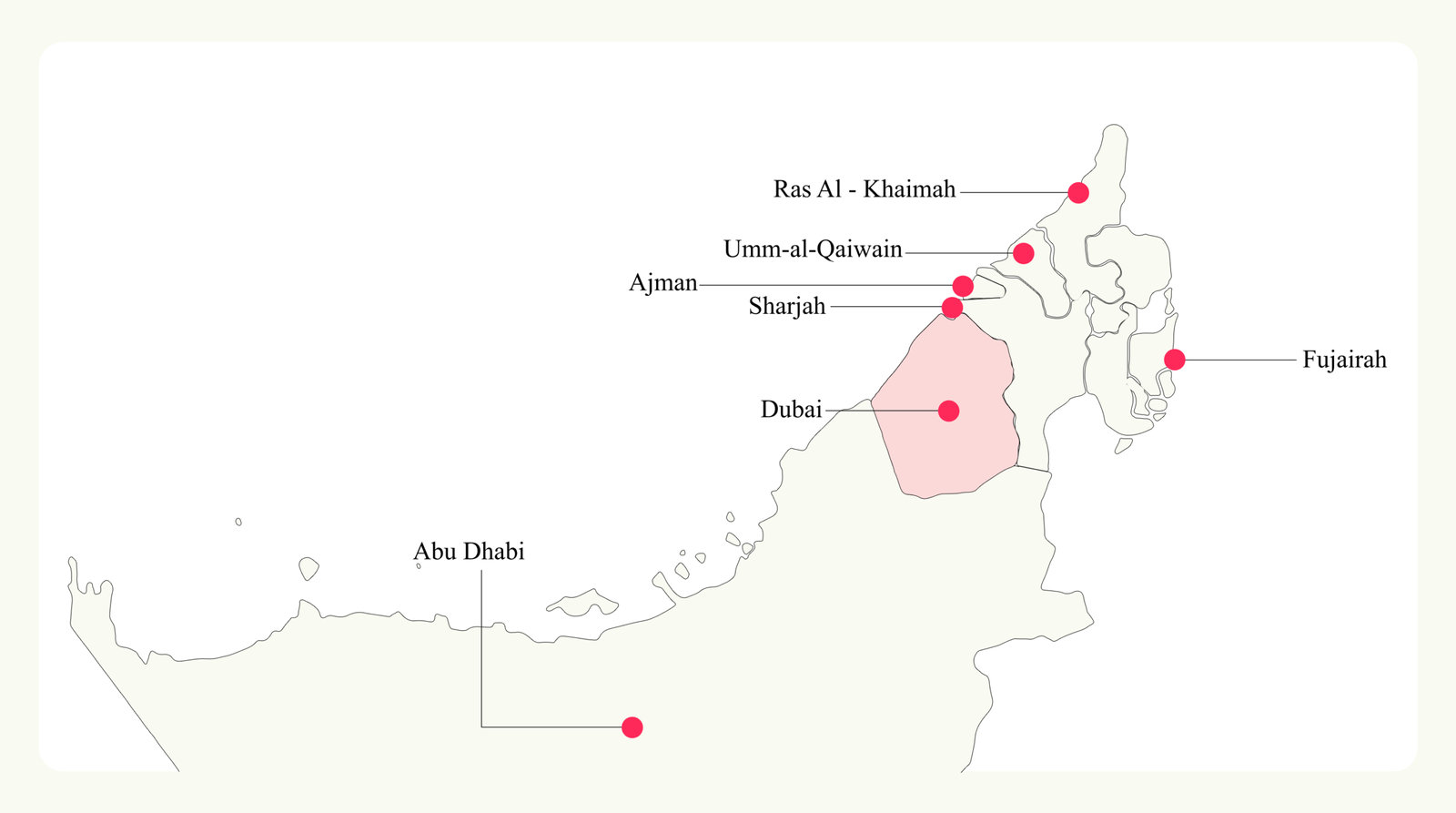
Start Your Living Room Transformation
Your living room deserves carpentry reflecting how you actually live—entertaining guests, gathering family, relaxing after work, or simply enjoying your home. We transform these visions into reality through expertise earned over 35 years and 10,000+ UAE projects. Let’s discuss your living room goals, explore possibilities, and create spaces you’ll enjoy for decades.
IF YOU HAVE ANY QUESTION? WE ARE GLAD TO
CONSULT YOU AS SOON AS POSSIBLE
Get Started
Immediate assistance from our team regarding your project details.
Form Submitted!
Thank you for contacting us. Our team will get back to you within 24 to 48 hours regarding your query.
Contact us on WhatsApp for Quick Response