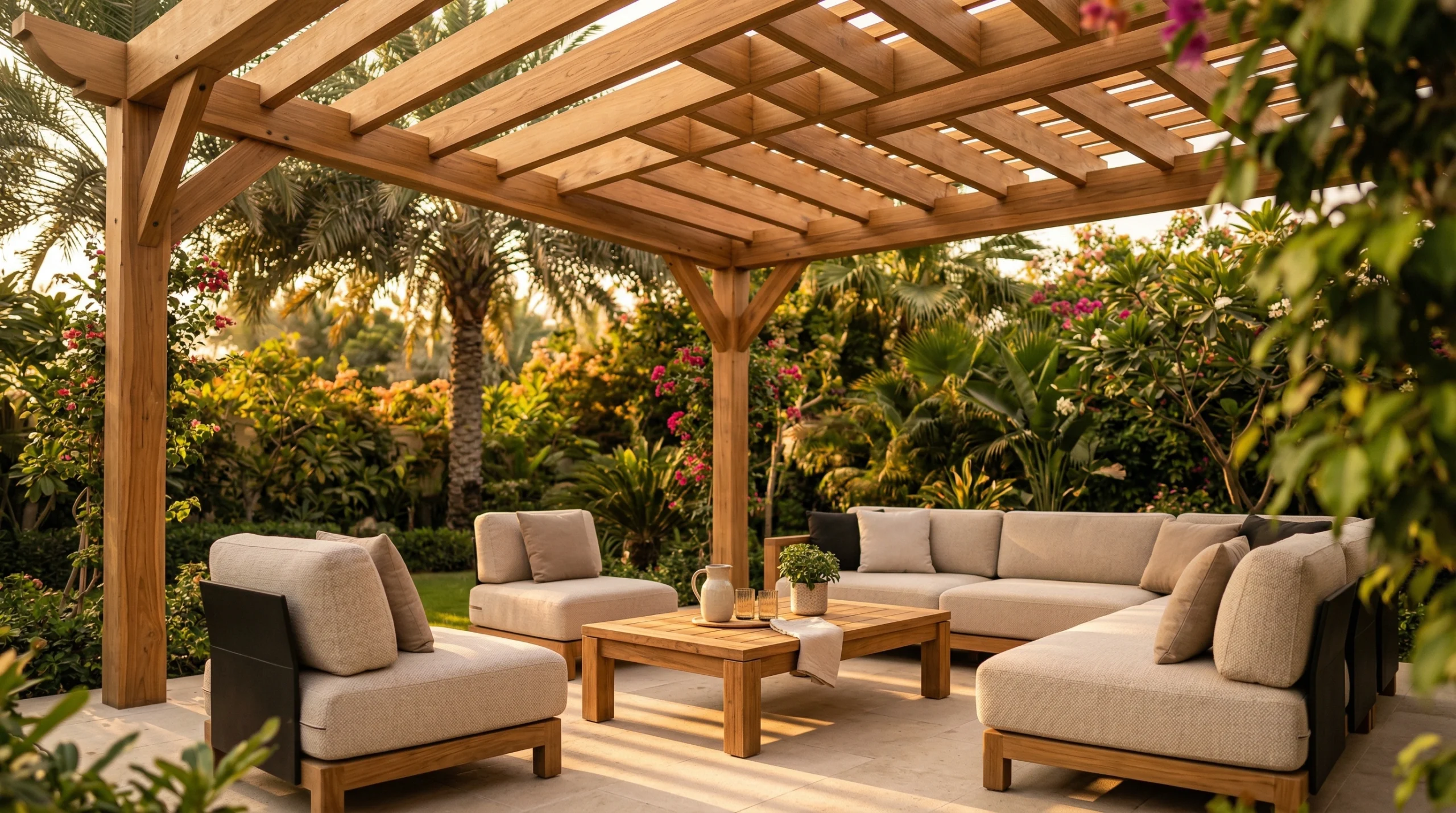
Custom Pergolas in Dubai & UAE Built to Outlast the Desert Climate
There’s a difference between a pergola that photographs well and one that performs through a Dubai summer — at 48°C, with humidity pushing past 90%, and UV radiation that bleaches lesser timber in under two seasons. Since 1988, Karnak Carpentry has been building the second kind.
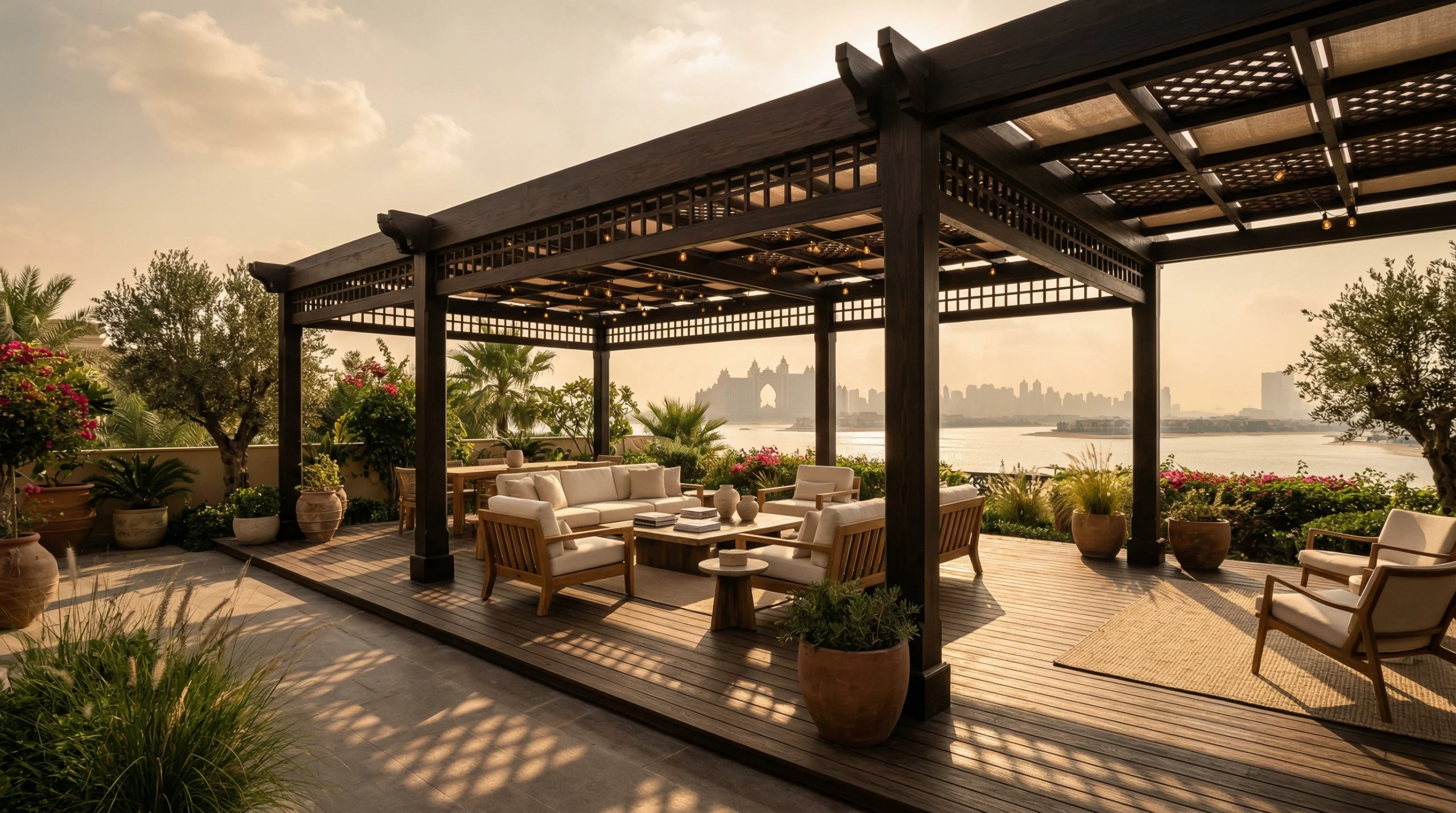
Pergolas Dubai UAE projects have become one of our most requested services — and for good reason. Across villas in Emirates Hills, commercial terraces in DIFC, and resort pools from Ras Al Khaimah to Abu Dhabi, property owners have discovered that a well-engineered outdoor structure doesn’t just add shade. It adds liveable space, property value, and the kind of outdoor experience that justifies why people choose to live in the UAE in the first place.
The UAE’s climate is genuinely demanding on outdoor structures. You’re dealing with two distinct stress seasons: the brutal summer heat from June through September, and the Gulf-coast humidity that peaks around August and September in Dubai, Abu Dhabi, and Sharjah coastal areas. Inland emirates like Al Ain and Ras Al Khaimah present different challenges — lower humidity but more dramatic temperature swings and sandstorms that test every joint and fastener. A pergola designed without understanding these variables will warp, crack, or corrode within years.
Karnak has been building outdoor structures in these exact conditions since 1988. We’ve completed over 10,000 projects across all seven emirates, and our outdoor carpentry portfolio includes everything from modest garden pergolas for Dubai apartment terraces to 400-square-metre commercial shade canopies for resort properties. That accumulated experience shapes every decision we make — from which species of timber we source to which joinery technique handles thermal expansion without cracking.
Understanding Pergola Types and Which Performs Best in UAE Conditions
Not all pergolas are created equal, and the UAE climate makes the differences between structure types more consequential than they’d be in a temperate climate. Choosing the wrong approach means expensive remediation within three to five years. Choosing correctly means a structure that improves with age and requires only routine maintenance for decades.
Solid Timber Pergolas — The Classic Standard
Solid timber remains the benchmark for pergola construction when aesthetics and longevity are the primary considerations. The warmth of natural wood, the ability to be custom-shaped and detailed, and the way a well-maintained timber pergola develops character over the years — these qualities explain why our clients in Emirates Hills, Jumeirah, and Abu Dhabi’s premium villa communities consistently choose timber over alternatives.
For UAE installations, not all timber performs equally. We work primarily with teak (Tectona grandis), which contains natural oils that make it genuinely resistant to moisture, insects, and UV degradation — the three major enemies of outdoor timber in the Gulf. A teak pergola properly installed and given basic annual maintenance has a realistic 25-to-30-year lifespan in UAE conditions. We also work extensively with iroko and accoya-treated timber for clients seeking FSC-certified sustainable materials, both of which perform excellently in hot, humid climates.
Western red cedar is another option we use frequently for clients who prioritise a lighter visual weight. Cedar is naturally aromatic — which actually has a mild insect-repelling effect — and its lower density means it expands and contracts less dramatically with temperature changes than denser hardwoods. The trade-off is that cedar requires slightly more consistent maintenance than teak in salt-air environments like Dubai Marina or Palm Jumeirah.
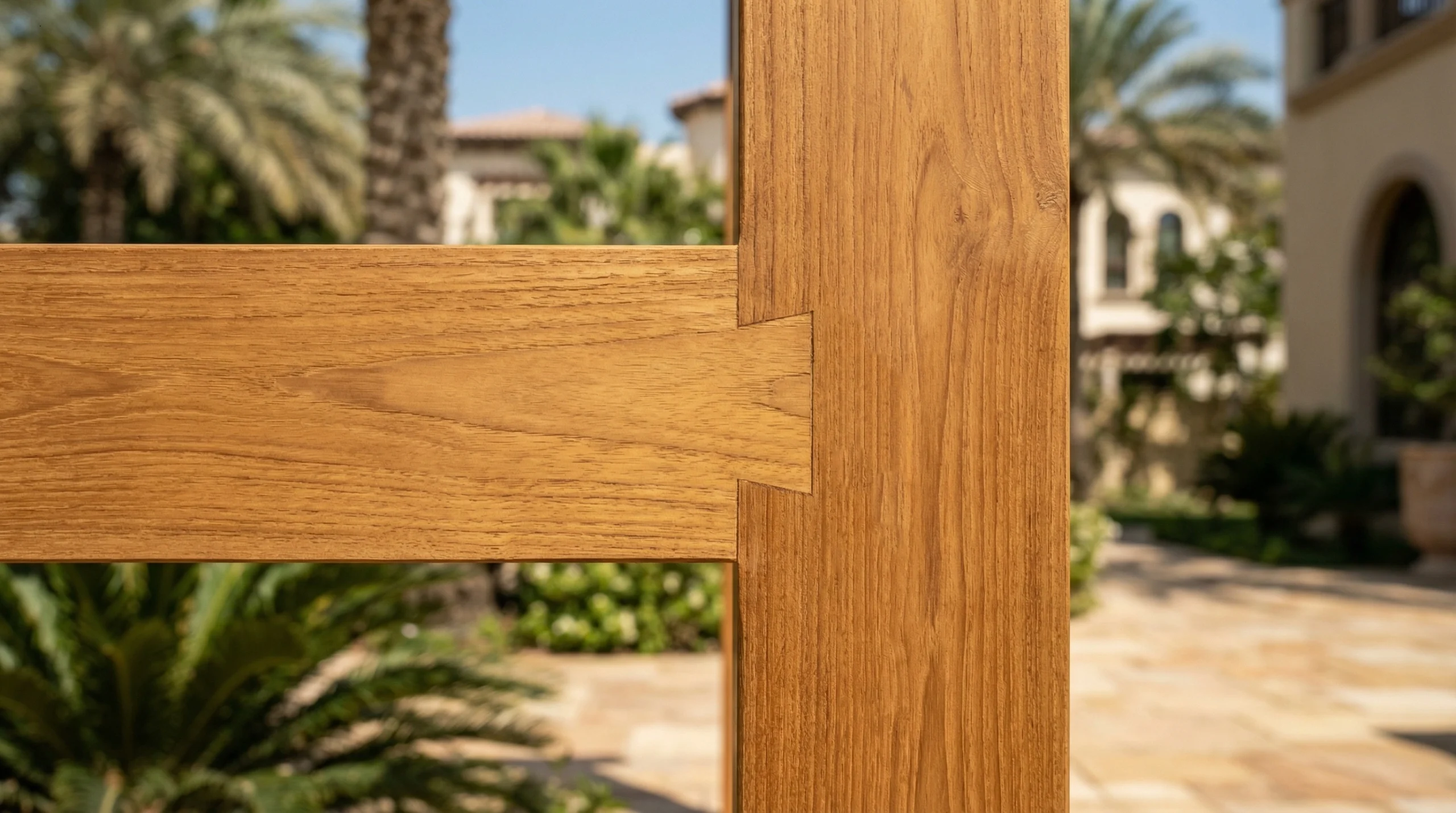
What separates a Karnak timber pergola from a cheaper alternative isn’t just material quality — it’s how the timber is processed before installation. We kiln-dry all timber to below 12% moisture content before fabrication. Wood that goes into a structure at UAE ambient humidity levels will stabilise, then crack when the temperature drops. Kiln-dried timber, properly jointed and detailed, handles the UAE’s humidity swings without movement-related failures.
Aluminium Pergolas — Maximum Durability, Minimal Maintenance
For clients whose primary concern is near-zero maintenance over a long service life, powder-coated aluminium pergolas are an outstanding solution. Aluminium doesn’t warp, doesn’t rot, doesn’t require periodic oiling or staining, and the powder-coat finish — when properly applied — remains stable even with daily UV exposure for well over a decade.
The technology around aluminium pergola systems has advanced considerably in recent years. We now install bioclimatic louvred pergolas where the roof slats are motorised and adjustable through a phone app or wall panel. You can position the louvres at any angle to control shade and ventilation precisely, then close them flat to provide full weather protection when it rains — which matters more than it once did, as UAE precipitation patterns have become less predictable. These systems integrate cleanly with LED strip lighting, heating elements for the cooler months, and side-screen systems for privacy and wind protection.
Aluminium does present one significant design limitation: it cannot be custom-detailed and shaped the way timber can. The look is inherently modern and geometric, which suits contemporary villas and commercial properties perfectly but doesn’t complement traditional Arabic architectural styles or heritage-influenced designs. When a client shows us reference images with intricate carved details, arabesque patterns, or traditional mashrabiya-influenced screens, timber or a timber-aluminium hybrid is almost always the right answer.
Composite and Hybrid Systems
Many of our most successful outdoor projects use a hybrid approach: an aluminium structural frame — which handles the load-bearing function invisibly — clad in solid timber decking, fascia boards, and detailed elements. This gives clients the structural permanence and minimal movement of aluminium with the warmth and visual richness of natural wood. It’s also a practical solution for larger spans where solid timber beams would be prohibitively heavy.
We’ve developed this hybrid approach over years of responding to what clients actually want versus what pure material categories offer. The structural aluminium core handles the spans and carries the roof loads — whether that’s polycarbonate sheeting, tensile fabric, or the louvred slat systems mentioned above. The timber cladding handles the aesthetic story, and it can be applied, maintained, and even replaced independently of the structure beneath it.
Pergola Design: From Concept to Construction Drawing
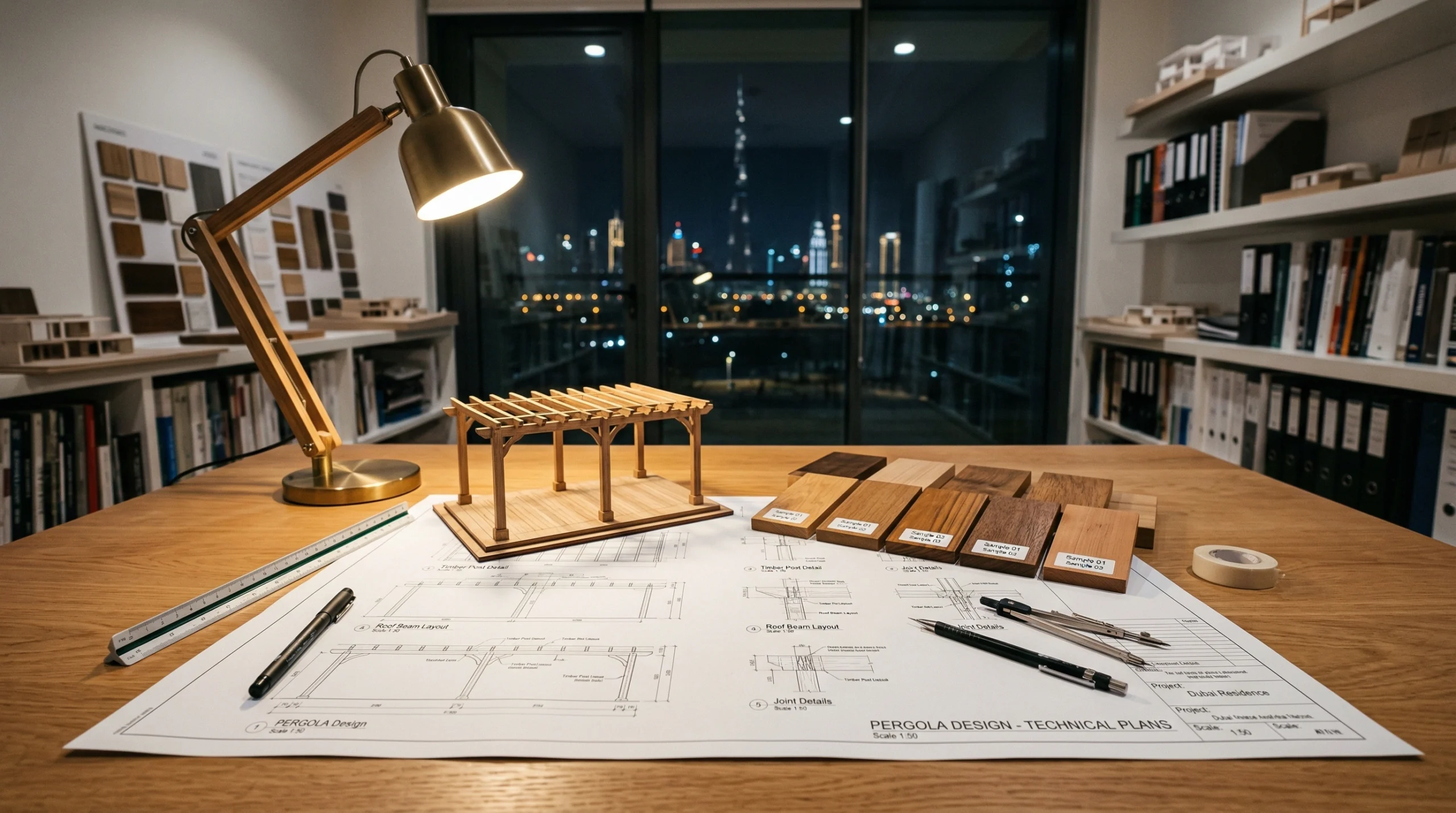
Design is where the bulk of our intellectual effort goes on any given project. A pergola that simply “fits in the back garden” is a missed opportunity. A pergola that’s conceived as part of an integrated outdoor living space — with proper thought given to orientation, solar angles, airflow paths, sight lines, and how people actually move through and inhabit the space — is a genuinely transformative addition to a property.
Site Analysis and Orientation
Before any pencil touches paper, we analyse the site. For pergolas, solar orientation is critical and often misunderstood. In Dubai, the sun tracks from northeast to northwest in summer and southeast to southwest in winter — the opposite of what many European clients, accustomed to northern hemisphere patterns, expect. Positioning a pergola that shades the outdoor living area through the afternoon peak heat hours of 1pm to 5pm requires a clear understanding of your site’s orientation relative to these solar angles, and the calculations differ depending on whether your property is in Dubai, Abu Dhabi, or one of the northern emirates.
Wind also matters. The shamal wind from the northwest is the UAE’s dominant airflow pattern and it’s consistent enough that we can design pergola structures to work with it rather than against it — using the structure to channel cooling airflow across seating areas while screening against dust. Coastal properties in Jumeirah, Abu Dhabi Corniche, or RAK waterfront areas also face the additional consideration of salt-laden sea breezes, which accelerate corrosion on exposed metal fixings and require different hardware specifications.
Structural Engineering and Span Calculations
Every Karnak pergola design is structurally engineered before fabrication begins. This isn’t cautionary bureaucracy — it’s the difference between a structure that performs safely and quietly for decades and one that develops deflection, creaking, or joint movement within a few years. For spans beyond 3.5 metres, we always involve our in-house structural draughtsman to verify beam sizing and connection details. For larger commercial installations, we can coordinate with certified structural engineers whose calculations satisfy Dubai Municipality and the relevant emirate’s building authority requirements.
The structural loading calculations for UAE pergolas need to account for scenarios that don’t apply in temperate climates. Sandstorm conditions impose significant lateral loading. The weight of a wet tensile fabric roof panel after a heavy UAE rainstorm is substantial. If the pergola will carry any mechanical equipment — ceiling fans, misting systems, lighting rigs — these loads need to be factored in from the outset, not retrofitted onto an undersized structure later.
Integrating Services: Lighting, Electrical, Misting
A pergola conceived from day one to accommodate services is a far more elegant result than one that has electrical conduit strapped visibly to the surface as an afterthought. We design lighting, electrical, and irrigation/misting conduit routes into the structural drawings before fabrication. The result is a structure where power reaches light fixtures and fan mountings through clean timber or aluminium channels, where misting system tubing runs invisibly inside hollow sections, and where the final installation looks as though electricity and water access simply materialised by design — which, in a sense, it did.
LED integration has become a standard expectation on premium pergola projects. We work with both recessed linear systems fitted within the beam depths and discrete point-source systems that replicate the effect of a starfield overhead at night. The choice between them depends on the ceiling height, the architectural style of the pergola, and the client’s preference for the evening ambiance.
Karnak Pergola Services: What We Build
We handle every stage of a pergola project from design through to post-installation maintenance. Understanding what each stage involves helps clients engage with the process more productively and avoid the misalignments between expectation and delivery that characterise less organised contractors.
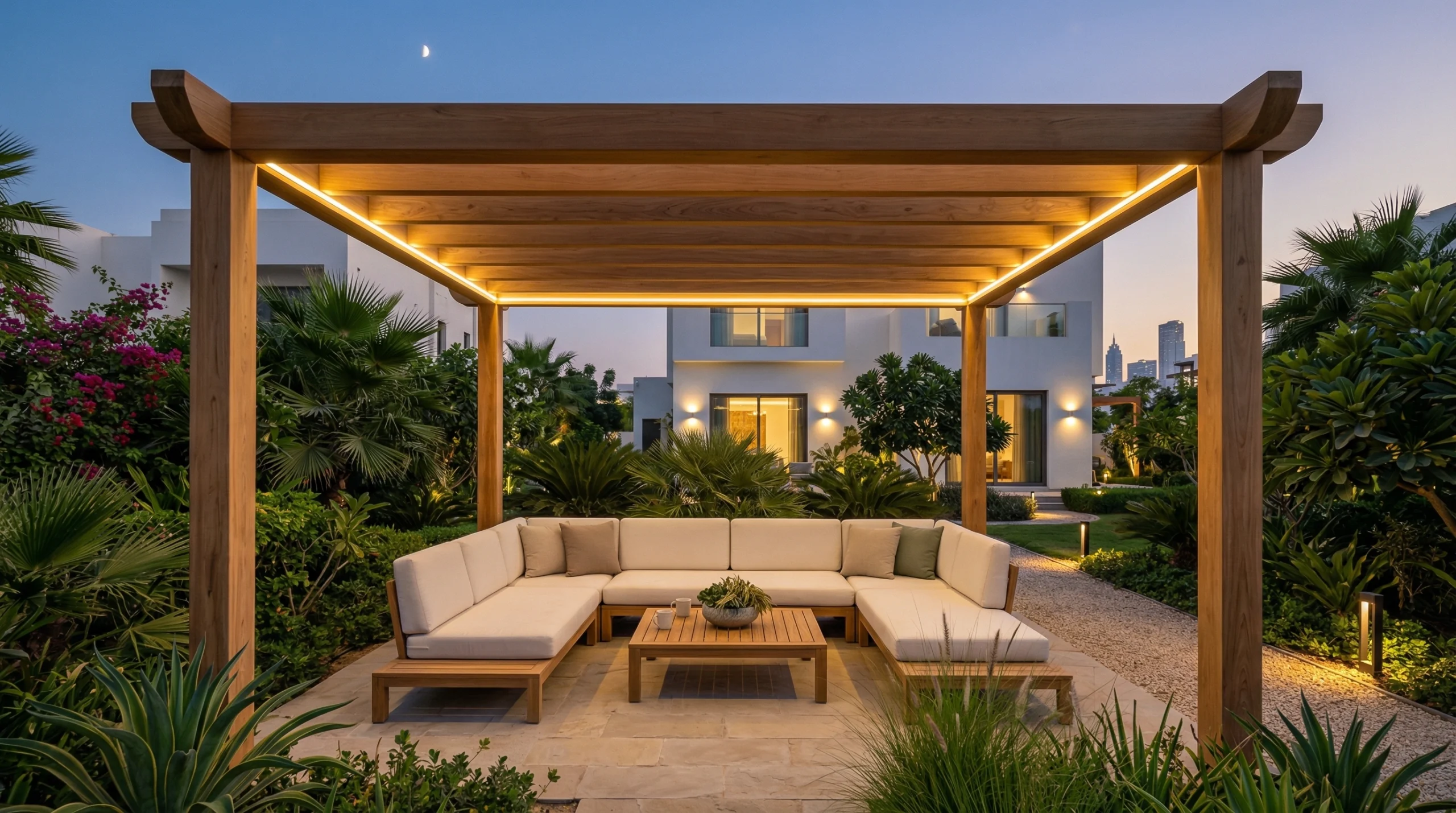
Residential Villa Pergolas
This is where Karnak built its outdoor reputation. Villa pergola projects in the UAE range from intimate 12-square-metre dining structures attached to a terrace wall, to freestanding multi-zone outdoor living pavilions of 200 square metres or more serving as the centrepiece of a landscaped garden.
What a residential villa pergola project includes from Karnak: initial site consultation and measurement, detailed design in 2D plan and 3D rendered elevation, material selection with physical samples, workshop fabrication of all structural and decorative timber elements, site preparation and foundation/fixing work, installation, electrical and lighting integration, finishing treatments, and a written care and maintenance guide for the specific materials used. We also carry full public liability insurance for all site works, which is something clients should always verify with any contractor working on their property.
UAE villa pergolas frequently need to integrate with existing hardscaping, pool surrounds, and landscaping. We work alongside landscape contractors and pool builders on a regular basis and understand how to sequence the work so that the pergola installation doesn’t damage completed hard landscaping, and the surrounding contractors can complete their work around our structure cleanly.
Commercial Pergolas and Shade Structures
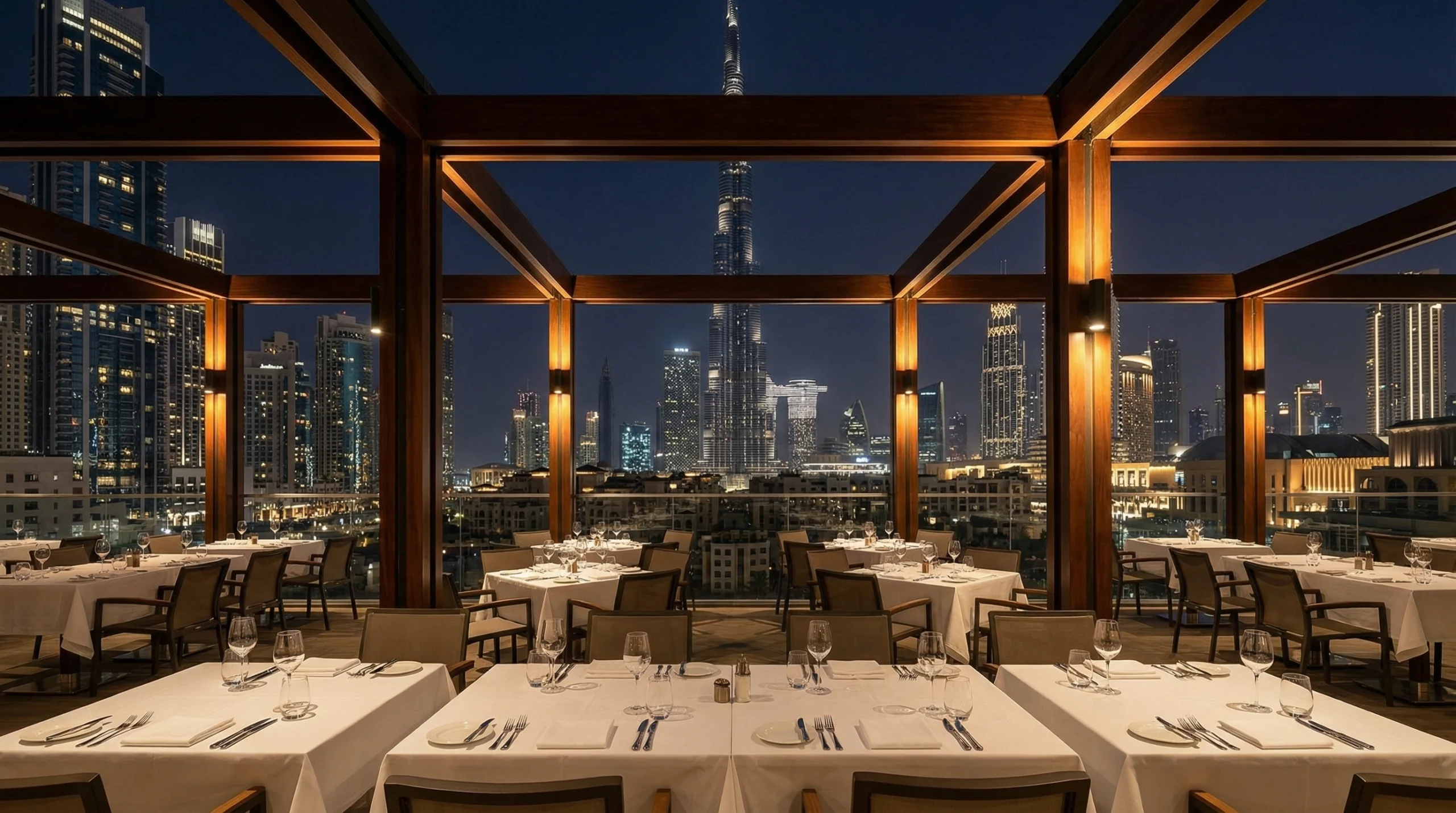
Commercial pergola installations follow different rules — literally, in terms of permitting, and practically in terms of scale, structural requirements, and durability expectations. A restaurant terrace pergola in DIFC that seats 80 guests needs to be engineered to a level that exceeds what a private villa project demands. It needs to satisfy Dubai Municipality’s requirements for commercial outdoor structures, and it needs to survive not just the UAE climate but the additional wear from commercial use.
Karnak has managed the full process for commercial pergola projects across hospitality, retail, and corporate environments. We handle the permit applications and authority approvals, which for commercial projects in Dubai requires submitting engineering drawings and material specifications to Dubai Municipality. In Abu Dhabi, the equivalent process runs through the Department of Urban Planning and Municipalities. We know these processes — how long they take, what supporting documentation they require, and how to prepare submissions that are approved efficiently rather than bounced back for resubmission.
Commercial projects we frequently undertake include hotel pool deck structures, restaurant terrace canopies, retail mall outdoor areas, corporate campus shading, F&B kiosk structures in open-air markets, and waterfront dining structures. Each category has its own set of considerations, and our commercial team has the experience across all of them.
Pool Pergolas and Cabana Structures
Pool environments are one of the most demanding situations for outdoor timber structures. Chlorine in the water and air accelerates degradation of many finishes. Constant moisture from splashing and wet users means the timber’s surface is rarely fully dry. UV reflection off the water surface adds to the UV load on the timber.
For pool pergolas and cabana structures, we specify timber species and finishing systems specifically selected for this environment. Teak is the default choice — its natural silica content and oil levels make it genuinely resistant to moisture-related degradation in a way that most other species are not. Where clients want a painted finish rather than the natural teak look, we use a high-build exterior primer system and two-coat UV-resistant top coat that we’ve tested over multiple UAE summers. The preparation and coating process for poolside timber is more involved than for a dry-environment installation, and the pricing reflects that.
Pool cabana structures often incorporate solid roofing — polycarbonate sheeting, tensile fabric, or timber-and-metal composite panels — rather than the open lattice of a classic pergola. This is a practical response to the UAE’s sun intensity. A fully open lattice provides some shade mitigation but not the deeper shade that makes a pool area genuinely comfortable from noon to 4pm in July. We design pool structures with this in mind, using the pergola form as the structural vocabulary but adapting the roof closure system to what the site actually needs.
Garden Pergolas and Walkway Structures
Not every pergola is a major architectural statement. Some of the most satisfying projects we complete are modest garden structures: a 4-metre walkway pergola connecting the house to a rear garden pavilion, a small decorative pergola over a courtyard fountain, a kitchen-garden structure that supports climbing plants while providing filtered shade. These projects have their own design language and their own technical requirements.
For garden pergolas, we lean toward designs that will eventually support planting. Bougainvillea is the classic UAE climbing plant choice — it’s drought-tolerant, spectacularly colourful in bloom, and grows fast enough to cover a pergola structure within two to three seasons. We build garden pergolas with this integration in mind, ensuring the structural details can take the additional load of mature plant growth and that the finish on exposed sections is compatible with the moisture that comes with irrigation and rainfall.
Walkway pergolas in private gardens and community paths create the kind of spatial experience that changes how a garden feels. Moving from open space through a shaded, plant-covered walkway engages the senses in a way that raw open garden space cannot. We’ve designed and built dozens of these structures throughout Dubai’s villa communities and they remain a popular request — particularly in The Meadows, Arabian Ranches, and the Mirdif area where garden space allows for meaningful outdoor landscaping.
The Karnak Process for Pergola Projects
We’ve refined this process across 35 years and thousands of projects. It isn’t bureaucratic for its own sake — every step exists because skipping it causes predictable problems that clients experience as delays, surprises, or disappointment. We’d rather explain the process upfront and eliminate those outcomes.
Step 1: Site Consultation and Measurement
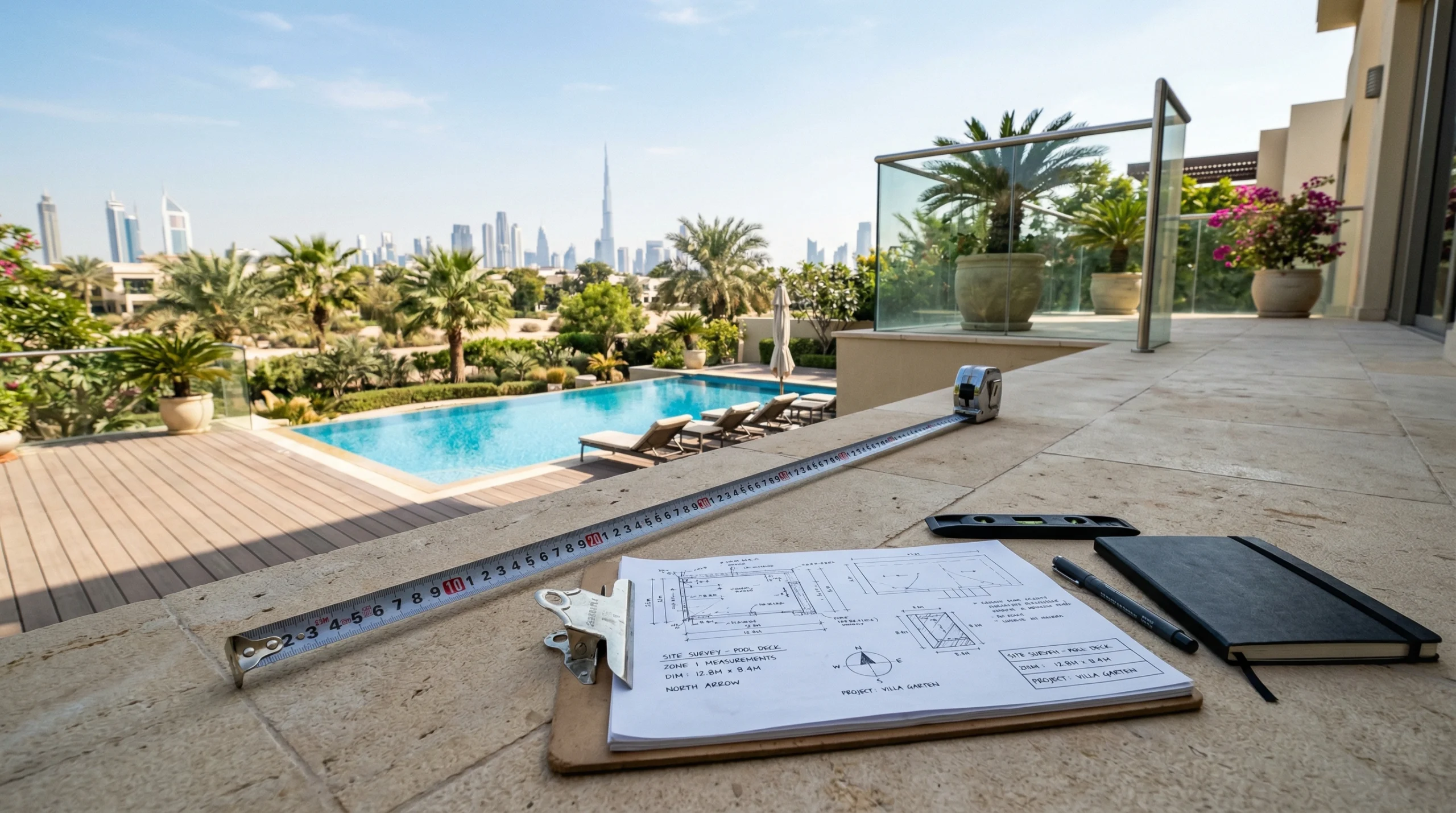
Everything starts with a site visit from one of our senior project consultants. We don’t take dimensions over the phone or email and produce designs blind — the site visit reveals information that drawings and photographs never capture fully. The angle of sun at specific times of day. The direction of prevailing wind. How the proposed pergola location interacts with existing trees, structures, and utility runs. The condition of the substrate that will carry the pergola foundations.
The consultation is free and carries no obligation. It typically takes 60 to 90 minutes for a residential project and two to three hours for larger commercial sites. Our consultant will ask specific questions about how you intend to use the space, what aesthetic references appeal to you, and what your approximate budget parameters are. This isn’t a sales meeting — it’s the information-gathering session that makes everything else more accurate and useful.
Step 2: Design Development
Following the consultation, our design team produces a preliminary concept with plan views, elevations, and at least one 3D rendered perspective. We present this digitally, either in person or via video call, and the session is explicitly about revision rather than sign-off. Very few clients accept a first design concept without changes, and we design our process to accommodate revision cycles rather than treat them as exceptions.
Typically two to three revision rounds refine the design to the point where both parties have full confidence in what will be built. At this point we produce detailed fabrication drawings — dimensioned technical drawings that our workshop team uses to cut, shape, and join the timber. These are the documents that eliminate on-site improvisation, which is the single largest source of quality variance on carpentry projects.
Step 3: Permitting and Authority Approvals
For structural pergolas attached to a building, and for all commercial installations, authority approvals are required. In Dubai, this means submitting to Dubai Municipality. In Abu Dhabi, the Department of Urban Planning and Municipalities. In the northern emirates, the relevant municipal authority.
We manage this process on behalf of our clients. We prepare the submission package, submit it, follow up with the authority, and handle any clarification requests. The timeline for approvals varies — typically two to four weeks in Dubai for straightforward residential projects, longer for commercial or projects requiring structural engineer sign-off. We factor this into the project programme and begin workshop fabrication of elements that don’t require approval sign-off while we wait, so the permit timeline doesn’t simply add to the overall project duration unnecessarily.
Step 4: Workshop Fabrication
This is where most of the project labour actually occurs, and it’s largely invisible to the client. Our purpose-built workshop in Dubai handles all timber processing: cutting to dimension, shaping profiles, machining joinery, routing for service conduits, pre-assembly checks, and finishing treatment application. For a typical residential pergola, workshop fabrication takes seven to fourteen working days. For large or complex commercial projects, four to six weeks.
Fabricating in a controlled workshop environment — as opposed to cutting and assembling on site — produces significantly better quality outcomes. Dimensions are accurate to the millimetre. Joinery is cut with machinery calibrated for precision. Finishing treatments are applied in conditions appropriate for the products being used. The components that arrive on site are essentially finished elements ready for assembly, not raw stock that needs on-site processing.
Step 5: Site Installation
Installation for a typical residential pergola takes two to five days. Our installation teams are trained and supervised — not subcontracted casual labour — which maintains quality consistency. The installation phase involves setting the structural posts, assembling the primary frame, installing the roof structure, fitting any secondary elements like screens or privacy panels, and completing electrical and misting connections.
We leave the site clean at the end of every working day. On the final day, a senior installer walks the completed structure with the client, demonstrating any mechanical or electrical systems, explaining maintenance requirements, and documenting any items for follow-up. The project is only signed off when the client is satisfied with the outcome.
Step 6: Post-Installation Support and Maintenance
We provide a written warranty on all Karnak pergola installations. Structural elements carry a ten-year warranty against fabrication defects. Finish treatments carry a two-year warranty in UAE conditions, which is honest — the UAE sun is harder on exterior finishes than what many product warranties are tested against in European or North American conditions.
Beyond warranty, we offer annual maintenance contracts that include inspection, timber re-treatment, joint checking, and hardware tightening. This isn’t an upsell — regular maintenance genuinely extends the lifespan of a timber outdoor structure in the UAE climate and prevents small issues from becoming expensive ones. Clients who take the maintenance contract typically see their structures remain in excellent condition for 20+ years; those who don’t often find themselves needing significant remediation within seven to ten years.
Why UAE Property Owners Choose Karnak for Pergola Projects
Three and a Half Decades of UAE Climate Intelligence
We established Karnak in 1988 — before most of Dubai’s current villa communities existed. We built outdoor structures through the construction of Emirates Hills, through the development of the Palm, through the rapid expansion of Abu Dhabi’s villa zones. This accumulated history means we’ve watched what works and what doesn’t through full lifecycle observation, not theory.
We know from direct experience that certain teak species from certain Indonesian suppliers check (develop surface cracks) within three UAE summers while other sources hold clean indefinitely. We know that the corrosion rate on stainless steel M12 bolts used at a coastal Jumeirah villa is measurably higher than the same bolts used at an inland Arabian Ranches property, and we specify accordingly. We know that the frost-free period in Ras Al Khaimah’s inland areas is shorter than most contractors assume, and that timber treated for purely hot-climate use performs differently than timber specified for the full temperature range RAK experiences. These details aren’t available in any manual. They come from 35 years of building in these specific places and observing outcomes.
Complete In-House Capability
Karnak does not subcontract its core work. Our designers, draughtsmen, fabricators, finishers, and installation teams are all Karnak employees operating under our training, supervision, and quality standards. When you appoint Karnak, you have a single point of accountability for every aspect of your project.
This matters more than clients sometimes appreciate before they’ve experienced the alternative. When a project involves multiple subcontractors — a designer from one firm, a fabricator from another, an installer from a third — coordination becomes its own full-time problem. Responsibility for quality gaps migrates into the spaces between contractors. The client ends up managing people who are managing other people. At Karnak, the design team and fabrication team communicate daily and share a direct interest in the outcome because it reflects on the same organisation.
All Seven Emirates, One Quality Standard
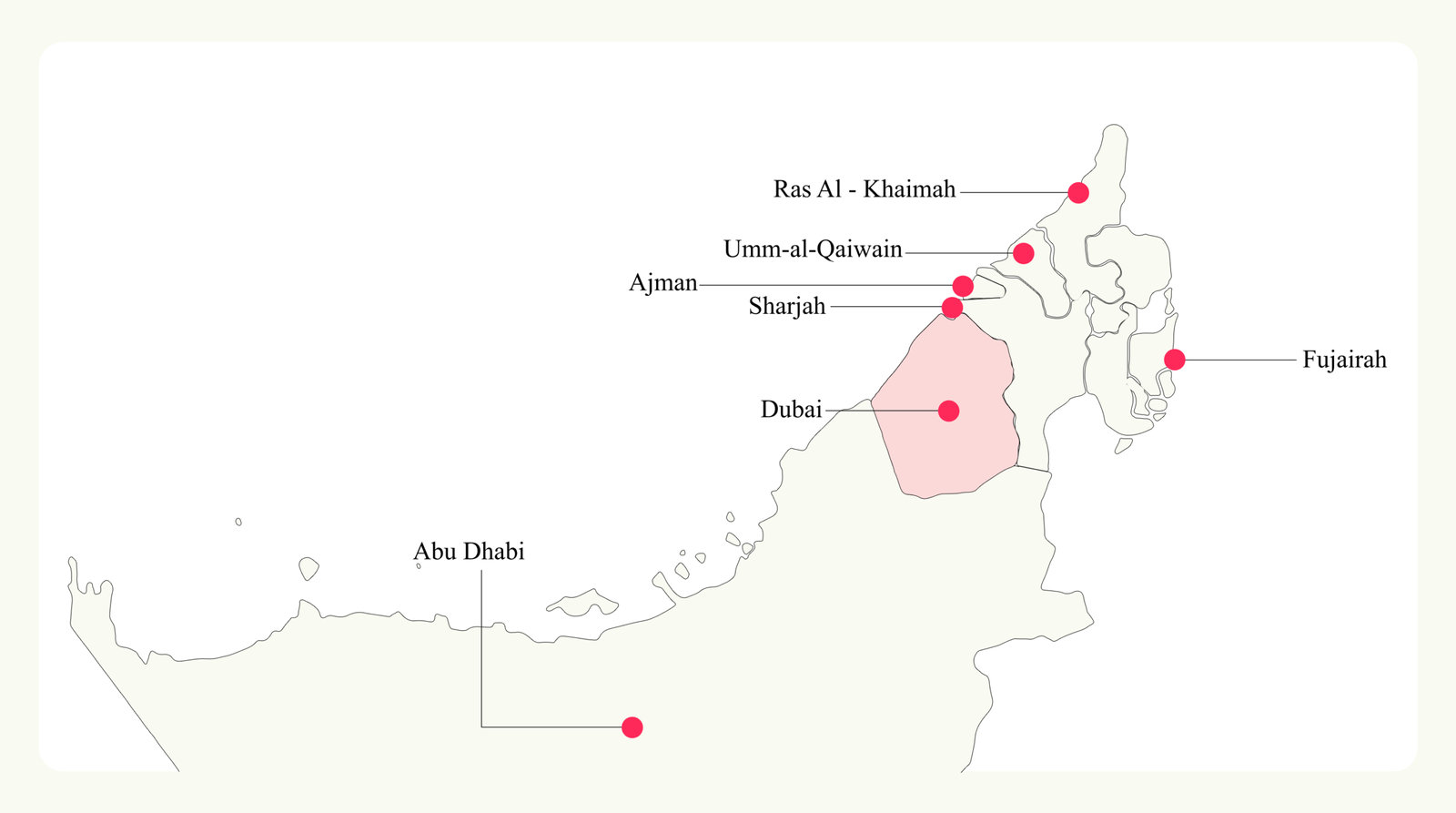
Our teams are active across the UAE continuously. We don’t treat anything outside Dubai as a secondary market that gets allocated junior resources when the Dubai teams have a gap. Our Abu Dhabi team handles Abu Dhabi projects. Our northern emirates team covers Sharjah, Ajman, RAK, Fujairah, and UAQ. Each regional team includes trained carpenters with local site knowledge, and all teams receive the same materials, the same fabrication standards, and the same supervision structure.
Transparent Pricing with Detailed Specifications
Every Karnak quotation includes a detailed scope of works document that specifies materials by species and grade, finish systems by product name and number of coats, structural specifications including beam dimensions and joinery types, hardware specifications, and warranty terms. This document eliminates ambiguity and makes our quotation comparable against others on an equal basis — which we welcome, because clients who do the comparison on a genuine like-for-like basis consistently find Karnak competitive for what we actually deliver.
Recent Pergola Projects Across the UAE
Emirates Hills Villa — Freestanding Entertainment Pergola, Dubai
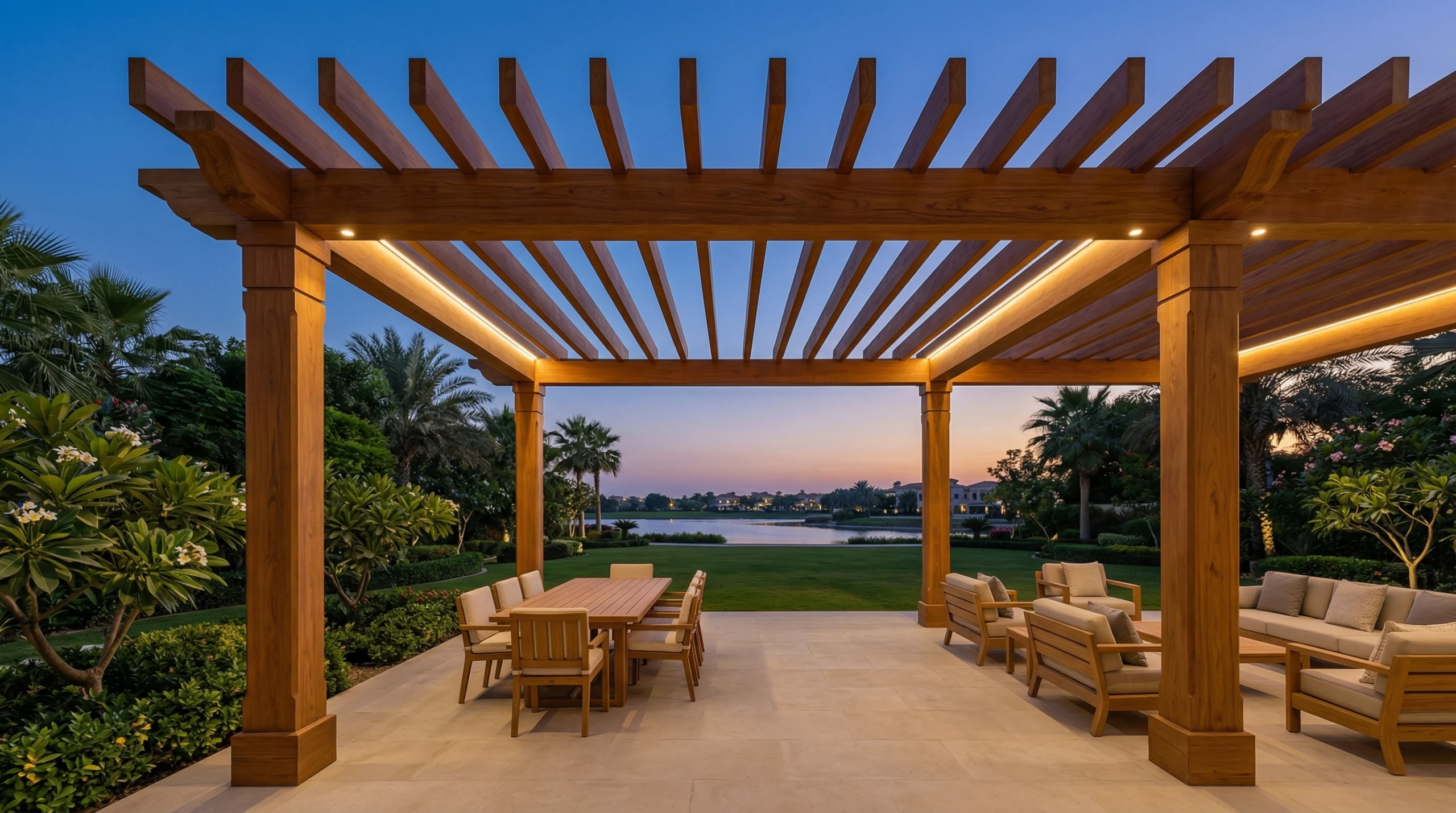
A 72-square-metre freestanding teak pergola for a large Emirates Hills villa, positioned to serve as the primary outdoor entertaining space with views across the lake. The brief called for a structure that felt permanent and architectural — not a garden accessory. We designed a mortise-and-tenon framed structure with 220mm x 220mm primary posts, 50mm x 200mm rafters at 400mm centres, and integrated a full LED ambient lighting scheme with dimmable control from the client’s existing home automation system. The electrical route was concealed entirely within the timber structure. Installation completed in nine days. The client added a second attached shaded dining structure the following year, which is the highest compliment we receive.
DIFC Restaurant — Commercial Terrace Canopy, Dubai
A licensed restaurant in DIFC required a 95-square-metre outdoor terrace covering to extend their dining capacity year-round. The structure needed to satisfy Dubai Municipality’s commercial outdoor dining requirements, which we managed from submission to approval. We specified a hybrid aluminium-timber system — the aluminium frame providing the necessary spans without intermediate columns that would disrupt the dining layout, the hardwood timber cladding maintaining the restaurant’s warm aesthetic. The louvred bioclimatic roof system allows full ventilation on pleasant evenings and full weather protection when needed. Permitting and installation completed within eight weeks from commission.
Palm Jumeirah Villa — Poolside Pergola and Cabana, Dubai
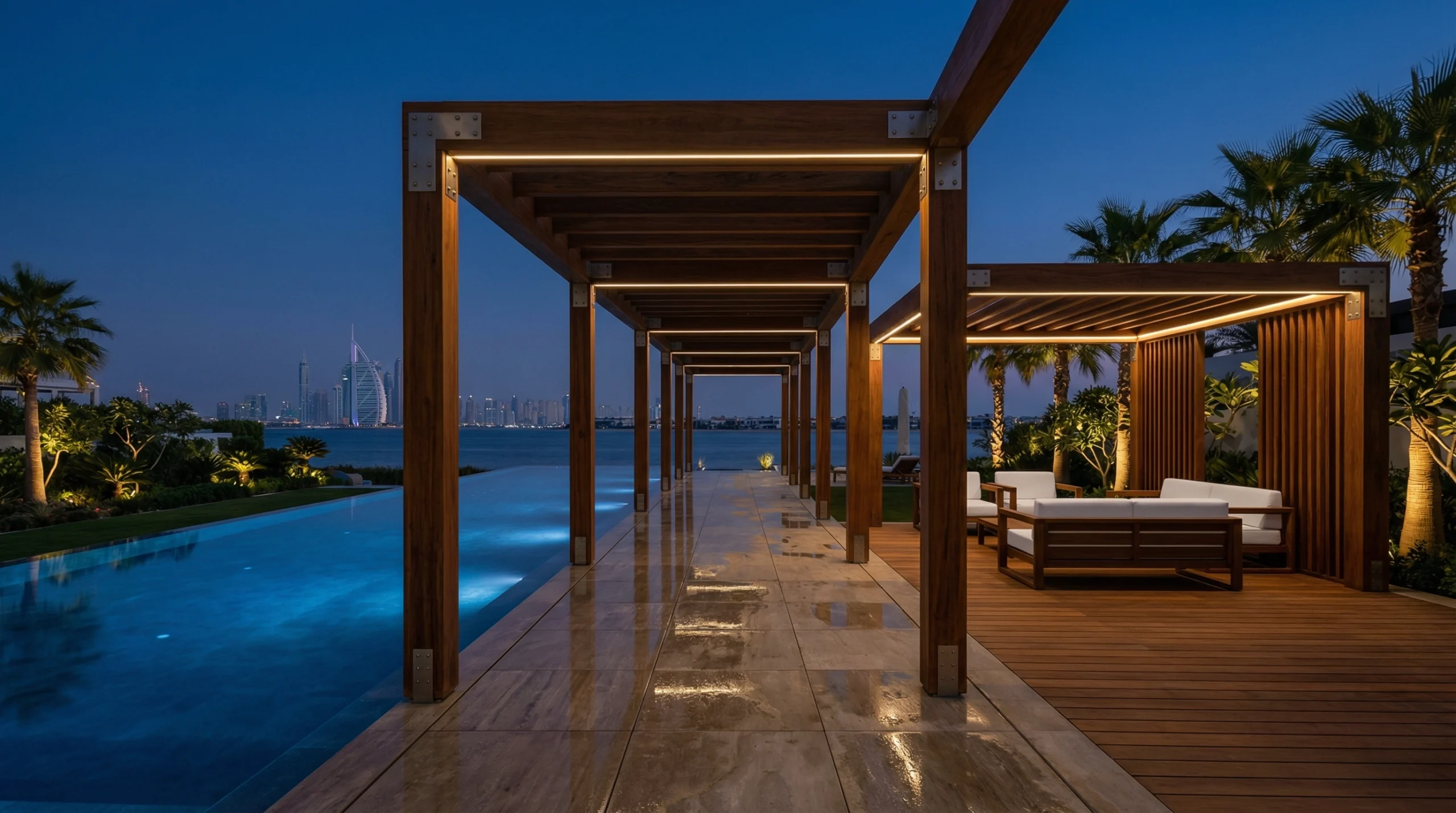
A new-build villa on the Palm required a integrated pool structure: a pergola running the full length of one side of the pool (28 metres), a separate enclosed cabana structure at the pool’s end, and a connecting walkway pergola between the main house and the pool deck. We coordinated the installation timeline with the main contractor, completing all rough-in electrical work before the pool area was finished so that no trades needed to work over the completed pool surround. Teak throughout, marine-grade stainless hardware, bespoke laser-cut aluminium decorative screens on the cabana facade. Total project duration including design: fourteen weeks.
Yas Island Hotel — Resort Pool Deck Structure, Abu Dhabi
A major hotel property on Yas Island required shade structures across two pool decks totalling 340 square metres. The brief specified a contemporary aluminium system with tensile fabric panels providing the primary shade, timed motorisation for weather management, and marine-grade corrosion protection throughout — the Yas Island location is directly exposed to sea air from Yas Bay. We completed the project over three installation phases to maintain hotel operations throughout. This project remains one of our largest individual outdoor structure commissions and the methodology we developed for it has shaped our approach to large-scale hospitality work since.
Arabian Ranches Villa — Attached Terrace Pergola, Dubai
A family in Arabian Ranches wanted to extend their covered terrace and create a defined outdoor dining and lounge zone. The 38-square-metre attached pergola connects to the house soffit at one end and is supported on two 150mm x 150mm teak posts at the garden end. Integrated misting system on the underside of the rafters, ceiling fan mounting on the central beam, and a polycarbonate roof panel section over the dining area for full shade while maintaining natural light quality. Completed in six working days including electrical connection.
Sharjah Commercial Development — Public Realm Shading
A mixed-use development in Sharjah required pedestrian shading structures across a 580-square-metre public realm area connecting two retail buildings. The architectural brief required the structures to reference traditional Arabic architectural geometry, which we interpreted through a series of connected octagonal pergola units with laser-cut aluminium infill panels carrying geometric arabesque patterns. The structures were engineered and installed as self-supporting units, anchored to the developer’s pre-poured concrete bases. UAE authority approvals managed by Karnak in full.
Fujairah Villa — Hillside Garden Pergola
A hillside property in Fujairah required a garden pergola that followed a sloped garden terrace — always a more complex structural challenge than a flat-site installation. We designed a step-jointed structure where each 3-metre section steps 200mm lower than the previous, following the terrace gradient. Western red cedar was specified for its lighter weight, which was appropriate given the challenge of working on a terraced site with limited access for machinery. The bougainvillea planting plan was integrated into the structural design from day one, with stainless steel wire training systems built into the rafter structure.
RAK Waterfront Villa — Coastal Pergola System
A waterfront villa on the Ras Al Khaimah coast presented the full range of coastal material challenges: direct sea-spray exposure, high UV, occasional strong northwesterly winds. We specified marine-grade 316 stainless steel throughout for all fixings, used a hot-dip galvanised primary structure with teak cladding, and applied a specialist marine-environment exterior coating system rather than standard exterior deck oil. The design incorporated privacy screens on the windward side that double as wind deflectors, reducing the wind load on the main structure while creating a sheltered microclimate within the pergola. Now four years into its life, it shows no deterioration.
Pergola Questions — Expert Answers
Pergola pricing in Dubai varies substantially based on size, material, and complexity. A straightforward attached timber pergola of 20 to 30 square metres, in pine or cedar with a standard rafter spacing and basic integrated lighting, typically ranges from AED 25,000 to AED 45,000 including design, materials, and installation. Move to premium hardwoods like teak at similar scale and the range shifts to AED 40,000 to AED 65,000.
Larger freestanding structures, bioclimatic louvred systems, or commercial-grade installations are priced as individual projects. The variables that affect cost most significantly are timber species and grade, the structural complexity of the design, roof system type (open lattice, polycarbonate, tensile fabric, or motorised louvres), integrated services (lighting, misting, electrical), and any permitting or engineering fees.
We provide free detailed quotations with full specifications after the site consultation. We don't provide ballpark figures over the phone because they're genuinely unhelpful — a number without a specification tells a client nothing about what they're actually getting. The detailed quotation with full scope allows proper comparison and informed decision-making.
This depends on several factors. Freestanding garden pergolas on private residential properties, generally under a certain height and footprint threshold, may not require formal municipality approval — but the threshold varies and it's worth verifying for your specific situation. Attached pergolas that connect to the building structure, any pergola with a solid roof, and all commercial outdoor structures require Dubai Municipality approval before construction begins.
We handle permit applications as part of our project service for all installations where permits are required. We're familiar with the submission requirements, the engineering documentation that the municipality requires, and the typical timelines. Attempting to self-manage the permit process without experience of the system typically results in resubmissions and delays that cost more time than engaging professionals from the outset.
Lifespan depends almost entirely on material specification and maintenance regime. A well-specified teak pergola with correct annual maintenance has a realistic 25 to 30-year lifespan in UAE outdoor conditions. The same structure with zero maintenance will start showing serious degradation — surface checking, joint movement, finish failure — within seven to ten years.
Aluminium structures with quality powder-coat finish can expect 20 to 25 years before the finish needs significant attention, and the structural lifespan extends beyond that. Composite systems with aluminium structure and timber cladding get the structural permanence of aluminium with timber that can be refreshed as needed — making the effective lifespan of the overall system indefinite with appropriate care.
The single most important thing any pergola owner can do is oil or treat exposed timber every twelve to eighteen months. In the UAE climate, untreated timber surface exposure accelerates UV degradation at a rate that surprises clients accustomed to temperate climates. Annual treatment prevents the majority of surface degradation and catches joint movement before it becomes structural.
For UAE conditions, teak is the gold standard. Its natural oils provide intrinsic resistance to moisture, UV, and insects without requiring heavy chemical treatment. Iroko is an excellent alternative at a slightly lower cost point with comparable performance in most respects. Western red cedar is appropriate for garden and walkway pergolas where its lighter weight is an advantage, though it requires slightly more regular treatment in salt-air coastal environments.
Hardwoods like merbau perform well in UAE conditions but have faced sourcing issues related to sustainable forestry management. When clients specify FSC-certified sustainable timber, we typically work with iroko or accoya-treated pine — accoya is acetylated pine that performs comparably to tropical hardwoods in durability and is produced from sustainably managed Northern European forests.
Softwoods like untreated pine are not appropriate for exposed outdoor structures in the UAE. The UV and moisture combination in the Gulf climate degrades untreated pine far faster than in the environments for which most softwood outdoor products are designed.
For most residential projects, installation takes two to five days once materials have been fabricated in our workshop. A simple attached terrace pergola is typically a two-day installation. A large freestanding structure with integrated services is four to five days.
The overall project timeline from consultation to completion is typically eight to twelve weeks for residential projects: one week for design development, one to two weeks for revisions and approval, one to two weeks for permitting if required, one to two weeks for workshop fabrication, and the installation period. Projects that require full municipality permits should allow twelve to sixteen weeks in their planning. If you have a specific event date you're working toward, tell us at the consultation and we'll design the programme around it where feasible.
With the right specification, absolutely. The summer months from June through September present the most challenging conditions — shade management is critical, and the combination of shade, misting, and ceiling fans makes a well-designed pergola comfortable even through peak heat hours. Many clients find their pergola genuinely more usable than air-conditioned indoor space on UAE winter evenings, when temperatures drop to a perfect 18 to 22°C.
The configuration that maximises year-round usability: a bioclimatic louvred roof or polycarbonate roof panel for full weather protection, integrated misting system for summer cooling, ceiling fan for air movement, and side screens that can be deployed against winter winds and summer dust. With these elements, the outdoor space becomes a genuine additional room rather than a seasonal amenity.
Consistently, yes — particularly in the villa market. Property buyers in Dubai's established villa communities have developed strong expectations around outdoor living quality, and a well-designed and executed pergola structure often marks the difference between a property that photographs and shows at its best versus one that doesn't. Real estate agents working in Emirates Hills, Jumeirah, the Springs, Arabian Ranches, and comparable communities regularly advise vendors that quality outdoor structures meaningfully support asking price.
For commercial properties, the value add is more directly calculable: a restaurant terrace that seats an additional 30 covers generates measurable incremental revenue. Office properties with quality outdoor amenity space attract and retain tenants more effectively. Retail developments with covered external areas generate more dwell time and spend.
Timber pergolas need an annual inspection and treatment cycle. The practical approach: in October or November, when temperatures drop to comfortable working conditions, inspect the structure for any checking (surface cracks), check all joints for movement, clean the surface thoroughly, and apply a UV-resistant exterior oil or wood treatment product appropriate for the timber species. Teak needs less frequent treatment than cedar and can often be maintained every 18 months; cedar in coastal environments benefits from annual treatment.
Hardware inspection is equally important. Check that all bolts and screws are tight — thermal cycling through the UAE year loosens fixings over time. Any corrosion on hardware in coastal properties should be addressed promptly; surface rust is cosmetic, but if it reaches the structural fasteners it becomes a safety issue.
For clients who prefer not to manage maintenance themselves, our annual maintenance contract covers all of the above. We document the structure's condition at each visit, which is also useful for any future insurance or warranty discussions.
Yes — we operate continuously across all seven emirates. Our Abu Dhabi team handles residential and commercial projects throughout the emirate, from Yas Island and Saadiyat to inland communities and Al Ain. For the northern emirates, our Sharjah-based team covers Sharjah, Ajman, Umm Al Quwain, and Fujairah, and our RAK team handles Ras Al Khaimah projects. All teams operate under the same standards and use the same materials and fabrication facility.
Response times and programme timelines are essentially the same across all emirates. We don't treat projects outside Dubai as lower priority. The only practical difference is that authority approval timelines vary by emirate — the relevant municipal authorities have different processes and different workloads, and we factor the correct timelines into our programmes for each location.
This is one of our most common design challenges and one we approach with genuine interest. UAE villa architecture encompasses traditional Arabic influenced styles, contemporary minimalist, Spanish-influenced, modern Islamic, and everything in between. Pergolas should relate intelligently to the architectural language of the building they serve rather than appearing as standardised products added to any context.
For traditional Arabic and modern Islamic architectural styles, we design pergolas with proportional systems, decorative details, and material treatments that extend the building's language rather than contradicting it. This might mean incorporating laser-cut aluminium screens with geometric patterns, using turned or carved timber elements on posts and rafters, or specifying timber species and finishes in warmer tones that complement the building's palette.
For contemporary minimalist villas, our approach moves in the opposite direction — clean structural expression, concealed fasteners, precise proportional geometry, and finishes that relate to the building's material palette whether that's concrete, render, stone, or glass.
The practical distinction that matters for planning purposes: a pergola is typically an open or semi-open overhead structure, usually linear or rectangular, often attached to a building at one end. A gazebo is a fully enclosed or heavily framed self-supporting structure, typically with a defined roof form — octagonal and hexagonal plans are common — that provides complete weather protection.
For UAE use, gazebos offer more complete shade and weather protection, while pergolas offer more architectural integration, more design flexibility, and generally lower construction cost for the area covered. Many of our projects blend elements of both — a freestanding pergola structure with a solid roof section over the dining area and an open lattice section over a lounging area represents a practical hybrid that many clients find ideal for year-round UAE use.
Yes, and this is one of the most common project types we handle. Adding a pergola to an existing tiled terrace, paved garden area, or pool surround doesn't necessarily require demolishing and replacing the surface. We use specialist fixing systems that attach structural posts to existing surfaces through mechanical or chemical anchoring, and the surface area impact is limited to the post base footprint.
The key structural consideration is whether the existing substrate can support the post loads. For pergolas, the structural loads are relatively modest compared to buildings, but they still need a solid footing — a 150mm concrete slab is typically sufficient, and most UAE villa terrace areas exceed this. For lighter structures or where the existing substrate is uncertain, we can design post base details that spread the loads appropriately without requiring excavation.
Pergola Installation Across All Seven Emirates
Our pergola teams serve every corner of the UAE with the same expertise, the same materials, and the same quality standards. We’ve built outdoor structures in every emirate for over 35 years and we understand the subtle differences in site conditions, local authority requirements, and even microclimate that distinguish each.
Dubai: We complete pergola projects across all of Dubai’s established communities — Business Bay, DIFC, Dubai Marina, JBR, Downtown Dubai, Palm Jumeirah, Arabian Ranches, Emirates Hills, The Springs, The Meadows, The Lakes, Jumeirah Golf Estates, Mirdif, Al Barsha, Motor City, Dubai Silicon Oasis, Al Quoz, and all other villa and commercial developments. Dubai’s coastal and inland communities present meaningfully different specifications — we apply them without prompting.
Abu Dhabi: Residential and commercial pergola projects throughout Abu Dhabi city, Yas Island, Saadiyat Island, Al Reem Island, Khalifa City, Mohammed Bin Zayed City, Al Ain, and the western region. Authority approvals through the Department of Urban Planning and Municipalities.
Sharjah and the Northern Emirates: Our Sharjah team covers all of Sharjah’s residential and commercial areas. Ajman, Umm Al Quwain, Fujairah, and Ras Al Khaimah are served by dedicated regional teams with genuine local knowledge and established relationships with the relevant municipal authorities.
Start Your Bedroom Carpentry Project
The right bedroom furniture changes how a room feels to wake up in, how easy your mornings are, and how much the space genuinely restores you. If your bedroom isn’t working as well as it should — or if you’re starting from an empty room and want to get it right — a Karnak consultation gives you expert input with no obligation to proceed.
We visit your property, understand what you need, and prepare a detailed design proposal and quotation. The site survey and consultation are completely free. The design proposal is included. The only commitment we ask for before you see a design and a price is an hour of your time.
IF YOU HAVE ANY QUESTION? WE ARE GLAD TO
CONSULT YOU AS SOON AS POSSIBLE
Get Started
Immediate assistance from our team regarding your project details.
Form Submitted!
Thank you for contacting us. Our team will get back to you within 24 to 48 hours regarding your query.
Contact us on WhatsApp for Quick Response