Office
Elevate your workspace with expert commercial carpentry. From custom-built ergonomic workstations to sleek boardroom features, we design and install high-quality office interiors that blend professional aesthetics with everyday functionality.
Retail Shops
First impressions are everything in retail. Our commercial carpentry team specializes in bespoke shelving, high-end display units, and unique storefront fixtures designed to showcase your products and enhance the customer shopping experience.
Restaurants and Cafes
Create an inviting atmosphere for your guests with custom-crafted woodwork. We provide durable commercial carpentry solutions, including booth seating, custom bars, and decorative timber accents that stand up to the rigors of a busy hospitality environment.
Partitions and Panels
Optimize your layout with precision-engineered partitions and wall panels. Our commercial carpentry services provide versatile room dividers and acoustic paneling that offer both privacy and structural beauty to any commercial floor plan.
Expert Bathroom Carpentry Dubai - Custom Cabinets, Vanities & Storage Solutions
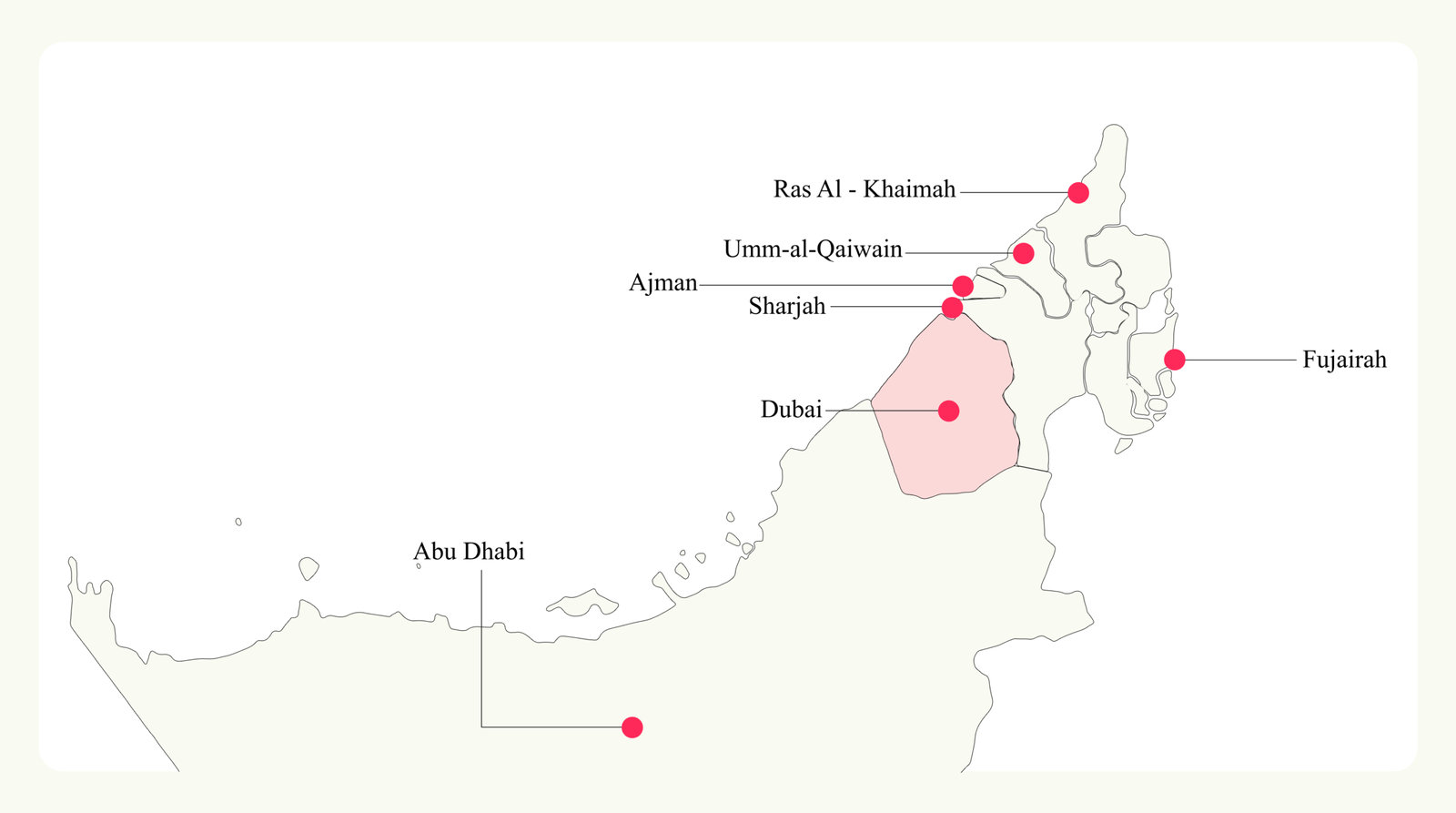
Transform your bathroom into a functional sanctuary with precision-crafted carpentry designed for Dubai's unique climate. Since 1988, we've mastered the art of humidity-resistant bathroom installations across all seven emirates.
Bathroom carpentry in Dubai demands more than standard joinery skills — it requires deep understanding of how constant humidity, temperature fluctuations, and daily moisture exposure affect every material choice and construction method. Over three decades serving UAE properties, we’ve engineered bathroom solutions that remain flawless years after installation while cheaper alternatives warp, swell, or delaminate within months. Our workshop in Dubai produces custom vanities, storage cabinets, and fitted furniture specifically designed to thrive in Emirates’ coastal climate.
Dubai’s bathroom environments present challenges unlike anywhere else. Coastal humidity regularly exceeds 90 percent during summer months. Air conditioning creates dramatic temperature swings. Building codes require specific ventilation standards. These factors mean bathroom carpentry here isn’t simply about aesthetics — it’s about selecting moisture-resistant materials, implementing proper sealing techniques, and designing ventilation-friendly installations that prevent the common failures we’re constantly called to replace.
Since establishing Karnak Carpentry in 1988, we’ve completed bathroom installations in over 3,400 UAE properties. We’ve solved moisture damage in 800+ coastal apartments, redesigned storage in 1,200+ villas, and created custom vanities for 600+ luxury developments. This experience taught us exactly which materials survive and which fail in Dubai bathrooms.
Understanding Bathroom Carpentry Requirements in UAE Climate
Bathroom carpentry in the Emirates operates under conditions that would destroy conventional joinery within a year. The combination of high ambient humidity, enclosed wet environments, and constant temperature cycling from air conditioning creates the perfect storm for wood movement, finish failure, and structural deterioration. Successful bathroom installations here require material science knowledge, construction techniques adapted specifically for moisture environments, and realistic understanding of how different woods and composites perform under sustained humidity exposure.
Moisture Challenges Specific to Dubai Bathrooms
Dubai bathrooms face humidity levels that fluctuate between 40% when air conditioning runs continuously and 95% during shower use or when windows open during summer months. This constant expansion and contraction cycle stresses wood grain, breaks adhesive bonds, and creates the gaps and warping visible in failed installations. Coastal properties from JBR to Palm Jumeirah experience even higher baseline humidity, with salt-laden air accelerating hardware corrosion and finish degradation. We’ve measured moisture content variations of 8-12% in bathroom wood components over single summer months in poorly designed installations.
The enclosed nature of bathrooms concentrates moisture in ways other rooms don’t experience. Steam from hot showers saturates air completely, condensing on cooler surfaces. Splashing water directly contacts cabinets around sinks and tubs. Inadequate ventilation — common in older Dubai apartments — means moisture lingers for hours after bathroom use. These conditions require carpentry approaches fundamentally different from bedroom wardrobes or kitchen cabinets, despite working with similar materials.
Karnak’s bathroom projects incorporate moisture barriers between wall surfaces and cabinet backs, specialized marine-grade adhesives that maintain bonds in wet conditions, and finish systems with multiple waterproof sealant layers. We design vanity toe kicks with ventilation gaps that prevent moisture trapping underneath. Our drawer systems use metal guides rather than wood-on-wood runners that swell shut. Cabinet interiors receive the same waterproofing attention as exteriors because UAE humidity penetrates everywhere.
Material Selection for Long-Term Performance
Not all wood and composite materials survive bathroom environments. Solid hardwoods like oak and walnut — beautiful in living rooms — absorb moisture rapidly in bathrooms, leading to dramatic expansion, cupping, and finish cracking. Particle board, used in budget furniture, literally swells apart when exposed to sustained humidity. Even some plywood grades delaminate when their adhesives fail under moisture stress. We’ve removed countless failed installations where contractors used inappropriate materials to save costs, only for homeowners to face complete replacement within two years.
Marine-grade plywood forms the structural foundation of our bathroom cabinets. This material uses waterproof phenolic adhesives bonding thin wood veneers, creating panels that resist moisture penetration while maintaining dimensional stability. For cabinet boxes, we primarily specify moisture-resistant MDF with hydrophobic additives that repel water absorption. This engineered material provides the smooth, stable surface essential for high-quality paint and laminate finishes while handling humidity fluctuations that would destroy solid wood panels.
Exterior surfaces receive careful material consideration based on aesthetic requirements and moisture exposure levels. High-pressure laminate offers exceptional water resistance with unlimited color options, perfect for contemporary designs. Polyurethane lacquer finishes over MDF cores provide the smooth painted look popular in Dubai luxury bathrooms. For clients wanting natural wood aesthetics, we use engineered veneers — real wood faces bonded to stable cores — rather than solid wood, then seal them with marine-grade polyurethane systems. Countertops demand materials like engineered stone, solid surface composites, or sealed natural stone rather than wood, which fails quickly around sinks.
Hardware and Component Durability
Hardware represents the often-overlooked failure point in bathroom carpentry. Standard steel hinges corrode within months in humid bathrooms, leaving rust stains and causing door misalignment. Chrome-plated drawer slides deteriorate when plating chips, exposing base metal to moisture. Particleboard shelf pins pull out as surrounding material swells. We’ve replaced hardware systems in hundreds of otherwise intact cabinets simply because contractors installed inappropriate components.
All Karnak bathroom installations use stainless steel or specialized corrosion-resistant hinges rated for humid environments. Our drawer systems feature sealed ball-bearing slides with lifetime corrosion warranties. Shelf supports are solid metal rather than plastic or particleboard inserts. Door catches, handles, and towel bars all specify marine-grade or stainless hardware that maintains appearance and function for decades. This hardware costs substantially more than standard options, but eliminates the most common maintenance issues in bathroom carpentry.
Glass shelving appears frequently in our bathroom designs specifically because it’s completely moisture-proof. Tempered glass shelves supported by stainless brackets provide open storage that won’t warp, doesn’t require finishing, and contributes to the bright, clean aesthetic Dubai clients prefer. Medicine cabinets with glass shelves behind mirror doors combine functionality with moisture resistance. Where solid shelving is required, we use the same moisture-resistant materials as cabinet boxes with fully sealed edges.
Custom Bathroom Vanity Design and Construction
The bathroom vanity serves as the functional centerpiece determining both daily usability and overall bathroom aesthetic. Custom vanity construction allows precise fitting to room dimensions, incorporation of specific storage requirements, selection of materials matching overall design intent, and integration with plumbing and electrical systems in ways standard vanities cannot achieve. Dubai bathrooms vary dramatically in size and layout — from compact 3-square-meter powder rooms in Business Bay apartments to expansive 20-square-meter master bathrooms in Emirates Hills villas — requiring vanity solutions tailored to each unique space.
Single and Double Sink Vanity Configurations
Single vanity designs range from compact 600mm units for powder rooms up to spacious 1800mm installations for master bathrooms. The key design consideration involves balancing countertop surface area, storage capacity, and proper clearances for comfortable use. We typically recommend minimum 900mm width for standard single vanities, providing adequate counter space for toiletries while incorporating meaningful drawer and cabinet storage beneath. Wall-mounted floating vanities have become extremely popular in Dubai apartments, creating visual spaciousness while facilitating floor cleaning — particularly important given the dust common in UAE homes.
Double vanities require careful planning to prevent the cramped feeling that results when two sinks crowd a counter. We design double vanities starting at 1500mm width minimum, with 1800-2400mm providing the comfortable spacing most couples prefer. Each sink should have dedicated storage beneath it — drawers or cabinets assigned to specific users prevent the territorial disputes we’ve heard about in hundreds of client consultations. The center section between sinks often incorporates shared storage for linens or cleaning supplies, with dividers maintaining organization.
Sink mounting style significantly impacts vanity construction approach. Undermount sinks create the seamless look preferred in luxury bathrooms but require perfectly flat countertop undersides and precise cutouts. Vessel sinks sit atop counters, demanding sturdy tops and accommodating the additional height in mirror and light positioning. Integrated sinks — where counter and basin are single molded pieces — eliminate seams where water and mold accumulate but lock in specific dimensions. We discuss these options during design consultation because changing mounting style after construction begins adds cost and delays.
Storage Solutions and Organization Systems
Effective bathroom storage requires understanding what actually gets stored there. Beyond the obvious toiletries, bathrooms accommodate towels, cleaning supplies, hair styling tools, medications, spare products, and increasingly in Dubai homes, prayer supplies and ablution-related items. Inadequate storage leads to countertop clutter, products in shower corners, and the chaotic appearance that undermines the sanctuary feeling bathrooms should provide. Our vanity designs incorporate storage systems addressing real-world needs rather than generic drawer boxes.
Deep drawers with custom dividers accommodate tall bottles, hair dryers, and electric razors while preventing items from shifting and falling over. We install drawer organizers during construction rather than expecting clients to purchase separate systems — integrated organization gets used, purchased organizers often sit in packaging. Pull-out shelves in cabinet sections make accessing items stored in back corners effortless compared to fixed shelves requiring reach and searching. Vertical dividers in deep drawers create designated spaces for flat irons, curling tools, and other appliances that otherwise tangle together.
Specialized storage elements address specific needs we’ve identified across thousands of installations. Pull-out hampers built into vanity ends keep dirty towels and clothing contained without requiring separate floor space. Electrical outlets inside drawers or on cabinet interiors allow storing and charging electric toothbrushes and razors out of sight. Narrow pull-out towers — just 150-200mm wide — fit beside vanities or in previously wasted corner spaces, providing surprising storage for cleaning supplies, toilet paper, or toiletries. Under-sink areas typically wasted around plumbing become functional with custom-fitted organizers working around pipes.
Countertop Materials and Integration
Countertop selection dramatically impacts both vanity aesthetics and long-term maintenance requirements. Natural marble and granite bring luxurious appearance and substantial feel but require periodic sealing to resist moisture and staining — often neglected in Dubai homes until damage appears. Engineered quartz offers marble aesthetics with superior stain resistance and zero maintenance beyond routine cleaning. Solid surface materials like Corian provide seamless integration with sinks and backsplashes while offering repairability if damaged. Each material brings specific installation requirements affecting vanity cabinet construction beneath.
We build vanity cabinets with reinforced tops specifically designed to support heavy stone countertops without sagging or stress damage. Corner supports, center bracing, and edge buildup create the structural foundation ensuring 30mm marble or quartz countertops remain perfectly level decades after installation. Countertop overhangs — typically 20-30mm beyond cabinet faces — require cantilevered support structures hidden within cabinet design. Sink cutouts must align precisely with plumbing while maintaining minimum edge distances preventing cracking.
Backsplash integration presents both aesthetic and functional considerations. Full-height backsplashes — running from counter to ceiling — create stunning visual impact while protecting walls from moisture. Shorter 100-150mm backsplashes provide splash protection while allowing more wall design flexibility. We coordinate backsplash material, height, and attachment method during vanity design because retrofitting different backsplashes after counter installation creates complications and compromises waterproofing. Outlets integrated into backsplashes must maintain proper electrical code clearances from water sources.
Complete Bathroom Storage Systems Beyond Vanities
While vanities provide primary bathroom storage, comprehensive solutions incorporate wall cabinets, open shelving, linen storage, and specialty installations maximizing every functional space. Dubai bathrooms — particularly in apartments — often operate within constrained square meters demanding creative storage solutions that don’t create cluttered or cramped feelings. Vertical space utilization, corner area optimization, and door-mounted storage multiply capacity without consuming floor area.
Medicine Cabinets and Mirror Storage
Medicine cabinets built into walls or surface-mounted above vanities provide essential storage for daily-use items while keeping them accessible and organized. Recessed medicine cabinets — installed between wall studs — maintain flush profiles saving precious space in compact bathrooms while offering surprising storage depth. We coordinate with builders during construction to frame medicine cabinet openings properly, or we surface-mount units where wall conditions prevent recessing. Mirror-fronted medicine cabinets serve dual purposes, eliminating separate mirror installation while concealing storage.
Modern medicine cabinet designs have evolved far beyond basic mirrored boxes. We install three-door configurations above double vanities, giving each user dedicated storage with shared center section. Interior lighting — LED strips along cabinet edges — illuminates contents while adding ambient bathroom lighting. Electrical outlets inside cabinets support electric toothbrushes and razors, keeping counters clear. Adjustable glass shelving accommodates varying bottle heights. Soft-close hinges prevent door slamming that can damage mirrors or loosen wall anchors.
Oversized medicine cabinets — 600mm or wider — transition from simple storage into design features. Mirrored cabinets spanning entire walls above vanities create the illusion of expanded space while providing family-sized storage capacity. We’ve installed 1800mm three-door units in master bathrooms, incorporating internal electrical outlets, USB charging ports, and even small pull-out magnifying mirrors for detailed tasks. The key is maintaining moisture-resistant construction throughout — aluminum frames resist corrosion better than wood, and sealed mirror edges prevent moisture penetration behind glass.
Tall Storage Cabinets and Linen Towers
Tall storage cabinets utilize vertical space efficiently, providing substantial storage capacity within minimal floor footprint. Linen towers — typically 300-500mm wide and 1800-2100mm tall — fit beside vanities, in corners, or flanking freestanding tubs. These vertical units accommodate towels, linens, toiletries, cleaning supplies, and bathroom essentials that overflow vanity capacity. We design linen towers with combination of open shelving for display and easy access, plus closed cabinet sections for concealed storage of less attractive necessities.
Floor-to-ceiling installations maximize storage while creating custom furniture appearance. We build these reaching within 50mm of ceiling height, then install crown molding matching other bathroom trim for integrated look. Upper cabinets — accessible with step stool — store seasonal items, bulk supplies, and rarely-used products. Middle sections at comfortable reaching height hold daily-use towels and toiletries. Lower cabinets incorporate pull-out hampers, cleaning supply storage, or toilet paper reserves. Internal configurations adapt to specific client needs rather than generic shelf spacing.
Installation stability is critical for tall, narrow cabinets. We secure these units to wall studs at multiple heights, preventing any risk of toppling. In Dubai high-rises, additional seismic bracing ensures stability during the rare but possible tremors affecting tall buildings. Adjustable feet allow perfectly level installation despite uneven bathroom floors common in older properties. Moisture-resistant materials throughout prevent warping that could prevent doors from closing properly or cause shelves to sag under towel weight.
Corner Solutions and Space Optimization
Bathroom corners typically become dead space or awkward clutter areas, but thoughtful carpentry transforms these into functional storage. Corner vanities designed with angled fronts or curved profiles provide storage while improving traffic flow in compact bathrooms. We’ve installed countless corner vanity configurations in Dubai apartments where rectangular vanities would block doorways or create cramped clearances around toilets. These specialized designs require precise measurement and custom construction but deliver significant space efficiency.
Tall corner cabinets with rotating carousel shelving systems — lazy Susans — make corner depth accessible without requiring reach into dark recesses. We install these in both floor-to-ceiling configurations and shorter units fitting under counters or between other cabinets. Glass corner shelving provides another approach, creating open storage that doesn’t visually clutter while making corners functional for displaying decorative items or storing frequently accessed products. Triangular shower caddies built into corners keep products organized without consuming the limited shelf space in shower enclosures.
Diagonal corner cabinets bridge between perpendicular vanity runs, creating continuous storage along two walls while eliminating the dead corner space that results from straight cabinet terminations. These require careful planning during design because plumbing, electrical, and door swing clearances all affect feasibility. The result — when properly executed — provides dramatically more storage than separated straight vanities while creating the unified furniture appearance Dubai clients increasingly prefer over fragmented bathroom layouts.
Shower and Bathtub Surround Carpentry
While shower and tub surrounds primarily use tile, stone, or solid surface materials, carpentry plays crucial supporting and integration role. Custom enclosures, niches, seating, and trim elements require moisture-resistant construction techniques ensuring long-term durability. Poor carpentry behind waterproof surfaces leads to mold growth, structural damage, and eventual failure requiring complete reconstruction — we’ve remediated dozens of such failures where contractors used standard construction practices in wet environments.
Shower Niches and Built-In Storage
Shower niches — recessed shelving built into shower walls — provide essential storage for shampoos, soaps, and bathing products without requiring intrusive caddies hanging from showerheads or cluttering corners. We frame these during construction using moisture-resistant materials, creating openings between wall studs that get tiled to match surrounding walls. Proper niche construction requires waterproof backing, sloped shelving allowing water drainage, and sealed edges preventing moisture penetration behind wall surfaces.
Standard niche dimensions of 300mm wide by 350mm tall by 100mm deep accommodate typical product bottles while fitting between 400mm-on-center studs common in UAE construction. We often install multiple niches at varying heights — higher placement for adults, lower positioning for children’s reach in family bathrooms. Horizontal niches spanning multiple stud bays — 600-900mm wide — create dramatic design features while offering extensive storage. These require structural headers supporting loads above the opening, adding construction complexity but delivering impressive functionality.
Internal niche finishes must resist moisture and mold growth. We specify sanded grout in niche interiors for easy cleaning rather than textured surfaces that trap soap residue. Shelf surfaces receive slight forward slope — 3-5 degrees — allowing water to drain rather than pooling and creating mildew. LED strip lighting integrated into niche tops illuminates contents while adding ambient shower lighting, though this requires careful waterproof electrical installation. Niche edges receive bull-nose or radius tile trim preventing sharp corners that could cause injury or chip during cleaning.
Bench Seating and Shower Seats
Built-in shower seating provides comfort and accessibility, particularly important as populations age or for users with mobility considerations. We construct shower benches using moisture-resistant framing covered with waterproof substrates, then tiled to match surrounding shower walls and floors. Proper bench design requires structural support carrying the substantial weight of seated users plus any dynamic loading from sitting or standing movements. We’ve seen poorly constructed benches collapse or crack tiles when inadequate framing was concealed behind attractive finishes.
Standard shower bench dimensions of 450mm depth by 400-450mm height provide comfortable seating for adults. We can extend length to accommodate multiple users or reduce to 300mm depth for compact showers where full bench depth would consume too much space. Bench tops receive the same drainage slope as niche shelves, preventing water pooling. Freestanding benches built into corners or along shower walls require three-sided support with reinforced framing; cantilever designs projecting from single walls demand substantial structural attachment to wall framing.
Fold-down shower seats offer space-saving alternatives where permanent benches would crowd shower interiors. We install wall-mounted folding seats — typically teak slats or solid surface materials — that deploy when needed and fold against walls when not in use. These require secure mounting into wall studs and work best in larger shower enclosures where folded positions don’t interfere with shower heads or controls. Teak naturally resists moisture and provides warm aesthetic contrasting with tile surrounds, though it requires periodic oil treatment maintaining appearance and water resistance.
Tub Decks and Surround Framing
Freestanding tub installations increasingly popular in Dubai luxury bathrooms require minimal carpentry beyond floor reinforcement confirming adequate support for filled tub weight. Built-in and platform tub installations demand significant carpentry creating raised decks, surrounding structures, and integrated storage. We frame tub platforms using moisture-resistant materials sized to support substantial weight — filled tubs can exceed 500 kilograms concentrated in small areas. Platform tops must remain perfectly level preventing water from draining toward one end during soaking.
Tub deck edges receive careful detailing preventing water damage while creating finished appearance. We typically install hardwood or composite trim around deck perimeters, finished with marine-grade sealants resisting moisture penetration. Some designs incorporate tub deck storage — drawers or flip-up panels accessing space beneath decks for towel storage or bath product organization. These require careful waterproofing because storage access points create potential moisture intrusion paths. Tub-side shelving for candles, books, or beverages gets built into deck structures or surrounding walls during construction rather than added as afterthoughts.
Bathroom Countertop and Backsplash Carpentry Integration
While countertops themselves are typically stone or solid surface materials installed by specialized trades, carpentry provides the essential supporting structure ensuring proper installation, longevity, and integration with cabinetry. Our vanity construction accounts for countertop specifications from initial design, creating the robust foundation preventing common failures like cracking, sagging, or separation between counters and cabinets.
Support Structure Engineering
Stone countertops — marble, granite, or engineered quartz — require substantial support preventing deflection under their own weight plus the concentrated loads from users leaning against vanities or placing heavy items on counters. We build vanity cabinets with reinforced top frames using doubled framing members around perimeters and cross-bracing at 600mm intervals. Corner blocks add triangular support at cabinet corners where countertops experience highest stress. These structural elements remain hidden within cabinet construction but provide the foundation preventing the cracks and breaks we’ve repaired in installations with inadequate support.
Floating vanities demand even more robust engineering because they lack floor support distributing weight. We design these with heavy-duty wall mounting systems — steel brackets secured to multiple wall studs supporting distributed weight across broad areas. The vanity cabinet itself receives internal steel reinforcement creating rigid box structures that won’t deflect or warp. Some floating vanity installations in our Dubai projects incorporate concealed steel framework welded to wall-mounted supports, then enclosed with cabinet panels creating the illusion of lightweight furniture while providing load capacity exceeding floor-supported cabinets.
Countertop overhangs — the portion extending beyond cabinet faces — require cantilevered support. We install horizontal support brackets projecting from cabinet faces, creating solid foundation beneath overhanging stone. These brackets must be level, properly positioned to avoid interfering with drawers or doors, and substantial enough that countertop weight doesn’t cause deflection. Standard 30mm overhangs on cabinet fronts and 20mm on sides provide the streamlined appearance while avoiding excessive cantilever distances that would require unsightly external brackets.
Undermount Sink Installation Coordination
Undermount sinks — mounted to countertop undersides creating seamless transitions from counter to basin — require precise coordination between carpentry, countertop fabrication, and plumbing installation. We provide exact cabinet dimensions and sink positioning to countertop fabricators ensuring cutouts align with plumbing rough-in locations. The cabinet structure beneath undermount sinks receives extra reinforcement because sinks and water weight concentrate substantial loads in small areas rather than distributing across full countertop length.
Sink mounting systems vary by sink style and countertop material. Stone countertops typically use epoxy adhesive bonding sink rims to polished counter undersides, supplemented by mechanical clips or brackets attached to cabinet structures. Solid surface countertops can bond sinks using manufacturer-matched adhesives creating chemical bonds stronger than surrounding material. We coordinate mounting method during design because different approaches require different cabinet construction — some mounting systems need specific blocking within cabinet structures, others require access panels allowing installation after counters are set.
Plumbing access beneath undermount sinks requires balancing aesthetics with functionality. We design cabinet interiors with removable panels or door access allowing plumbers to connect supply lines and drain assemblies without requiring permanent access holes visible from bathroom views. Some designs use false drawer fronts concealing open access areas — the front looks like drawer but opens like door, providing plumbing access while maintaining vanity’s drawer-bank appearance. These details get planned during initial design because retrofitting access after installation invariably looks makeshift.
Backsplash Attachment and Waterproofing
Backsplashes protect walls from water splashing around sinks while providing design opportunities unifying bathroom aesthetics. Height decisions significantly impact both protection and appearance. Full-height backsplashes running from countertop to ceiling create dramatic design statements and maximum protection, particularly important around tub-deck mounted sinks or in children’s bathrooms where splashing exceeds typical patterns. Standard height backsplashes of 100-150mm provide adequate protection for normal use while allowing more wall design flexibility for paint, wallpaper, or tile patterns above.
We install backer boards or waterproof substrates on walls behind backsplash areas before any finish materials get applied. These create moisture barriers preventing water that might penetrate backsplash seams from damaging wall framing or creating mold growth. Backsplash materials — typically matching or coordinating with countertops — attach to these waterproof substrates using appropriate adhesives. The critical detail is the joint between countertop and backsplash bottom edge, which must be sealed with flexible caulking allowing slight differential movement without cracking or creating gaps where water penetrates.
Electrical outlets within backsplashes require careful planning and waterproof installation. We position outlets based on actual counter use patterns — near mirrors for hair dryers and electric razors, avoiding areas directly behind faucets where splashing occurs. Outlet boxes receive waterproof covers and the outlets themselves specify ground-fault protection required by UAE electrical codes for bathroom installations. Backsplash material must be precisely cut around outlets with sealed edges preventing moisture intrusion into wall cavities. Some luxury installations incorporate pop-up outlets that retract into countertops when not in use, eliminating visible outlets entirely while maintaining functionality.
Specialized Bathroom Carpentry Applications
Beyond standard vanities and storage, custom bathroom carpentry addresses unique functional and aesthetic requirements. These specialized installations demonstrate the breadth of expertise required for comprehensive bathroom renovations, particularly in Dubai’s diverse property types ranging from compact apartments to palatial villas.
Privacy Screens and Partition Walls
Privacy screens separate toilet areas from vanity zones in bathrooms shared by couples or used by guests, providing functional separation without requiring complete enclosure. We construct these using moisture-resistant framing and finish materials matching overall bathroom design. Some privacy screens are low walls — 1200-1400mm tall — providing visual separation while maintaining open feeling and allowing air circulation. Others extend floor-to-ceiling creating distinct rooms within master bathroom spaces.
Decorative screening options include frosted glass panels framed in wood or metal, creating modern aesthetic while allowing light transmission. Slatted wood screens using moisture-resistant materials offer another approach, providing privacy while maintaining openness. We’ve installed sliding door systems where space constraints prevent traditional hinged doors, and pocket door installations where even sliding doors would consume too much wall area. Each approach requires different framing systems and hardware selections based on weight, operation frequency, and moisture exposure.
Laundry Integration and Utility Storage
Many Dubai apartments incorporate laundry equipment in bathrooms due to space constraints in other areas. This creates unique carpentry challenges integrating washing machines and dryers while maintaining bathroom aesthetics and functionality. We build custom cabinetry concealing laundry equipment behind closable doors or panels, with removable fronts allowing equipment removal for service or replacement. Countertops above side-by-side washers and dryers create folding surfaces while unifying laundry area with bathroom vanity design.
Stacked washer-dryer configurations fit into narrow vertical spaces, which we enclose with tall cabinet structures. These require careful planning ensuring adequate ventilation for dryer operation and access to controls and lint traps. Some designs incorporate pull-out platforms beneath dryers elevating washers to comfortable loading height while creating storage beneath. We integrate electrical outlets, water supply connections, and drain lines within cabinetry, concealing all utility connections while maintaining code-compliant access.
Utility storage for cleaning supplies, ironing equipment, and household items gets incorporated into bathroom carpentry when these functions lack dedicated storage elsewhere in residences. We design pull-out vertical storage, deep drawers with dividers, and overhead cabinets making efficient use of limited space. Broom closets built into bathroom dead space — narrow areas behind doors or beside vanities — provide surprising utility storage within minimal footprint.
Makeup Vanity and Grooming Stations
Dedicated makeup vanities separate from main bathroom vanities provide comfortable seated positions with appropriate lighting and storage for cosmetics and grooming supplies. We design these as extensions of main vanity runs or as separate furniture pieces depending on bathroom layout and available space. Typical makeup vanity dimensions of 900-1200mm width by 450mm depth provide adequate surface area while fitting into alcoves or along walls. Seated height of 725-750mm accommodates standard vanity chairs or stools.
Lighting for makeup application requires different design than general bathroom lighting. We integrate ring lights or vertical light bars flanking mirrors providing shadow-free illumination essential for makeup application. Some installations incorporate Hollywood-style mirror surrounds with multiple bulbs creating professional makeup lighting. Electrical installation must provide appropriate power and consider heat generation from traditional incandescent bulbs versus cooler LED alternatives. Dimmer controls allow adjusting light intensity for different tasks and times of day.
Storage beneath makeup vanities typically uses drawer systems rather than cabinet doors because seated position makes accessing pull-out drawers more comfortable than reaching into cabinets. We include custom organizers dividing drawers into sections appropriate for cosmetics, brushes, tools, and accessories. Some designs incorporate power outlets within drawers for storing and charging electric facial devices or illuminated mirrors. Adjacent wall-mounted storage for frequently used items keeps counters clear while maintaining easy access.
The Karnak Bathroom Carpentry Process
Our systematic approach to bathroom carpentry projects has been refined over thousands of UAE installations. This process ensures quality results, minimizes disruption to occupied homes, and addresses the unique challenges of working in moisture-sensitive environments. Understanding what happens during each phase helps clients prepare appropriately and know what to expect throughout their project.
Initial Consultation and Space Assessment
Every bathroom project begins with comprehensive on-site consultation where we evaluate existing conditions, discuss client requirements, and identify opportunities and constraints. We measure spaces precisely, photograph existing conditions, and assess plumbing and electrical locations affecting cabinetry placement. Dubai properties built across four decades present different construction standards, material qualities, and installation challenges — 1980s apartments require different approaches than 2020 villas. This assessment identifies these factors early, preventing surprises during construction.
We discuss lifestyle requirements in detail because generic bathroom storage fails when it doesn’t match how clients actually use spaces. Families with young children need different storage than couples. Those who prefer bathing to showering require different layouts than shower-only users. Some clients maintain extensive cosmetic and grooming product collections requiring substantial organized storage; others prefer minimal products and prioritize open space. Understanding these specifics before design work begins ensures the final installation serves actual needs rather than generic assumptions.
Budget discussion happens during this initial meeting because design possibilities vary considerably across price ranges. We explain how material choices, construction methods, hardware quality, and complexity levels affect investment requirements. This transparency allows clients to make informed decisions about which features matter most to them and where they’re comfortable with more economical approaches. We’d rather design an excellent bathroom within stated budget than create elaborate plans requiring later cost-cutting compromises quality.
Design Development and Material Selection
Following initial consultation, we develop detailed design drawings showing proposed layout, cabinet configurations, dimensions, and material specifications. These drawings use three-dimensional modeling software allowing clients to visualize finished spaces from multiple angles — particularly helpful for those who struggle imagining spaces from traditional architectural plans. We present alternative design options addressing the same requirements through different approaches, explaining advantages and trade-offs of each option.
Material selection involves reviewing samples of cabinet finishes, countertop options, hardware styles, and any wood species under consideration. We bring samples to clients’ properties allowing evaluation under actual lighting conditions rather than in showrooms where artificial lighting creates misleading impressions. Color and finish decisions get documented precisely because vague descriptions like “light grey” encompass hundreds of specific shades. We use manufacturer color codes, physical samples, and photographs ensuring everyone shares clear understanding of selected materials.
This design development typically requires two to three meetings as concepts get refined based on client feedback. We adjust layouts to incorporate ideas that emerge during discussion, modify proportions improving aesthetics or functionality, and resolve potential conflicts between desired features and spatial constraints. The goal is achieving complete client confidence in the design before construction begins. Changes during construction invariably cost more and take longer than changes during planning. We invest whatever time this design development requires because it prevents the problems, delays, and cost overruns that plague projects beginning construction with unresolved design questions.
Workshop Fabrication and Quality Control
Once designs receive final approval, fabrication begins in our Dubai workshop equipped specifically for precision carpentry. This controlled environment allows quality standards impossible at job sites. We cut all components using computer-controlled equipment ensuring accuracy to within 1mm tolerances. Cabinet boxes receive assembly using jigs maintaining perfect square and alignment. Drawer systems get installed and tested confirming smooth operation before any components leave the workshop. This pre-assembly identifies and corrects issues that would be difficult or impossible to address during site installation.
Finish application happens in workshop conditions optimized for quality. Temperature and humidity controls provide ideal environments for paint, lacquer, and stain curing. Dust extraction systems ensure clean surfaces free from particles that would mar finishes. Multiple finish coats with sanding between applications create the smooth, durable surfaces clients expect. This controlled finishing proves particularly crucial for moisture-resistant bathroom installations where finish quality directly affects long-term performance. Site-applied finishes never achieve workshop quality despite contractors’ claims.
Quality control inspections occur at multiple fabrication stages. Components receive checks after cutting confirming dimensions match specifications. Assembled cabinet boxes get verified for square, proper door and drawer operation, and finish quality before protective wrapping for transport. We photograph completed components providing documentation and allowing clients to see work in progress. Defects caught during workshop inspection get corrected immediately without job site delays or client awareness — another advantage of complete workshop fabrication over site-built approaches.
Site Installation and Integration
Installation scheduling coordinates with other trades working in bathrooms — plumbers, electricians, tile installers, and painters. Bathrooms require sequential coordination because certain work must complete before other trades can proceed. We typically install after rough plumbing and electrical work completes but before finish trades like tile and paint. This sequencing allows us to work in clean spaces while avoiding damage to our installations from subsequent trades. Dubai’s active construction environment demands careful scheduling preventing delays from trade conflicts.
Site preparation begins each installation. We protect floors, cover furniture in adjacent rooms, and seal doorways containing dust within work areas. Despite workshop fabrication, site work generates noise and dust requiring containment. We inform household members and neighbors in apartment buildings about expected noise levels and hours, maintaining courteous relationships during construction. In occupied residences, we schedule noisy work during daytime hours when most residents are away, saving quieter tasks like final adjustments for early mornings or evenings.
Installation proceeds systematically, beginning with largest components and working toward smallest details. Vanity cabinets get positioned, leveled using adjustable feet, and secured to walls at studs. Countertops get set and plumbing connections made by licensed plumbers. Medicine cabinets, linen towers, and accessory pieces get installed sequentially. We conduct multiple quality checks during installation verifying all components fit properly, operate smoothly, and meet design specifications. Final adjustment of doors, drawers, and hardware ensures everything functions perfectly before we leave.
Post-Installation Support and Warranty Service
Our commitment extends well beyond installation completion. We conduct final walkthrough with clients explaining proper care for installed carpentry, demonstrating all features and storage systems, and addressing any questions or concerns. Clients receive written care instructions specific to their material selections — different finishes require different cleaning products and methods. We document all components, hardware, and finishes for future reference should repairs or matching additions become necessary years later.
Our warranty covers all materials and workmanship for five years from installation completion. This warranty addresses manufacturing defects, installation errors, and premature hardware failure from normal use. We respond to warranty claims within 48 hours, evaluating reported issues and scheduling correction if warranted. Most warranty work involves minor adjustments — door realignment, drawer guide adjustment, handle tightening — completed during brief service visits. Rare material failures result in component replacement using identical materials from documented specifications.
We maintain relationships with clients long after warranty periods expire, providing service for adjustments, repairs, or additions they might need. Many clients return for secondary projects — master bathroom upgrades inspiring children’s bathroom renovations, or satisfied residential clients engaging us for commercial properties. These ongoing relationships represent the best measure of client satisfaction and work quality. We build carpentry that lasts decades, performing as intended throughout its lifespan.
Why Dubai Property Owners Choose Karnak for Bathroom Carpentry
Selecting bathroom carpentry provider involves more than comparing quotes — it requires evaluating expertise, understanding the significance of quality differences, and recognizing which provider can deliver lasting value. Over 35 years serving the UAE market, we’ve earned the trust of over 10,000 clients through consistent quality and expertise specifically suited to Emirates’ unique requirements.
Three Decades of UAE Climate Expertise
Since 1988, we’ve specialized exclusively in UAE carpentry, accumulating specific knowledge about how this environment affects materials and construction methods. We’ve observed which materials survive Dubai’s coastal humidity and which fail within months. We’ve tested different waterproofing systems and documented long-term performance. We’ve learned which hardware maintains function after years of moisture exposure and which corrodes. This knowledge cannot be purchased or learned from textbooks — it comes only through decades of direct experience in this specific climate.
We’ve completed over 3,400 bathroom projects across all seven emirates. This includes 800+ coastal properties where salt-laden air accelerates deterioration, 1,200+ villa bathrooms where size allows elaborate custom solutions, and 600+ luxury apartment bathrooms where space efficiency maximizes limited square meters. Each project taught us something new, refined our approaches, or confirmed practices proven across hundreds of prior installations. Competitors offering UAE bathrooms as secondary services alongside other markets cannot match this depth of localized expertise.
Our supplier relationships span decades, allowing us to source materials specifically suited to UAE conditions at quantities enabling competitive pricing. We maintain relationships with both international manufacturers for premium materials and regional suppliers for cost-effective options meeting appropriate quality standards. These relationships provide access to materials newer competitors cannot source, and pricing they cannot match. More importantly, our suppliers know our quality standards and don’t attempt selling inappropriate materials that wouldn’t survive UAE bathroom environments.
Engineering-Based Approach to Moisture Resistance
Unlike contractors treating bathrooms like any other carpentry, we approach these as engineering challenges requiring material science knowledge and moisture-resistant construction techniques. Every material selection considers hygroscopic properties — how it absorbs and releases moisture — and dimensional stability under humidity cycling. Every assembly method evaluates adhesive performance in wet conditions. Every finish system analyzes barrier properties preventing water penetration. This engineering approach prevents the failures we’re constantly called to replace from installations by contractors who didn’t understand moisture dynamics.
We’ve documented failure modes of hundreds of bathroom installations we’ve replaced or repaired. Particle board under sinks swells apart when water exposure combines with inadequate waterproofing. Solid wood doors warp when moisture content fluctuates seasonally. Drawer fronts delaminate when edge sealing fails. Standard drawer slides corrode and bind. These failures are predictable and preventable with proper material selection and construction methods — yet we see them repeatedly in work by contractors lacking moisture-resistant expertise. Our installations prevent these failures through deliberate material choices and construction details proven across thousands of successful projects.
Independent testing would validate our moisture-resistant approaches, though most clients accept our performance history as adequate proof. We welcome comparisons with work by any competitor — examining construction quality, material selections, hardware specifications, and finish systems immediately reveals quality differences. We confidently predict our installations will maintain appearance and function decades after budget alternatives require replacement. This long-term value justifies our investment level, saving clients money over bathroom lifespan despite higher initial costs.
Complete Project Management and Coordination
Bathroom renovations involve multiple specialized trades — plumbers, electricians, tile installers, waterproofing specialists, and carpenters — whose work must coordinate seamlessly for successful outcomes. We manage this coordination as part of our service, scheduling all trades appropriately, ensuring each completes their work correctly before subsequent trades proceed, and resolving any conflicts or issues arising during construction. This management prevents the delays, cost overruns, and finger-pointing that plague projects where homeowners attempt coordinating independent contractors themselves.
Our established relationships with other trades provide significant advantages. We work with licensed plumbers and electricians meeting UAE regulatory requirements and our quality standards. These contractors understand our typical installations, work efficiently alongside our teams, and share our commitment to quality and customer service. They respond quickly when schedule adjustments are needed and price projects fairly knowing we provide steady work. Clients benefit from these relationships through reduced costs, faster project completion, and higher quality results than they’d achieve hiring random contractors.
We maintain single-point accountability throughout projects. If issues arise — whether related to our carpentry, plumbing, electrical, or other trades we’ve engaged — clients contact us and we handle resolution. This eliminates clients needing to determine which trade caused problems or chase multiple contractors for corrections. We protect clients from the common scenario where trades blame each other for defects, leaving homeowners in the middle attempting to assign responsibility. Our reputation depends on successful project outcomes regardless of which specific trade caused any issues, motivating us to ensure all work meets standards.
Transparent Pricing and Value Documentation
Our quotations detail all costs clearly — materials, labor, finishes, hardware, and any auxiliary services required. We explain what’s included and what isn’t, identify any allowances or provisional items, and disclose assumptions underlying our pricing. This transparency allows clients to compare proposals accurately and understand exactly what they’re purchasing. We welcome questions about any pricing elements and will explain or adjust specifications rather than defending vague quotations with hidden exclusions revealed only when change orders arrive during construction.
We document material selections precisely, providing manufacturer specifications, color codes, and model numbers for everything included in projects. This documentation serves multiple purposes beyond transparency. It allows clients to verify they’re receiving specified materials during installation. It provides reference information for future maintenance or repairs. It enables adding matching components years later if needs change. Contractors providing vague material descriptions like “high quality European hardware” cannot offer these benefits because they haven’t actually specified anything verifiable.
Value comparison requires understanding quality differences between proposals, not just comparing bottom-line numbers. We explain how our material selections, construction methods, and hardware choices differ from competitors’ approaches and why these differences matter for long-term performance. A vanity priced 30% higher but lasting 20 years provides better value than cheap alternative requiring replacement after 5 years. Our proposals document these value factors, allowing clients to make informed decisions based on total lifetime costs rather than initial purchase price alone. We respect that different clients prioritize different values — our role is ensuring they understand options and their implications.
Bathroom Carpentry Project Portfolio – UAE Properties
These recent installations demonstrate the breadth of our bathroom carpentry expertise across residential and commercial properties throughout the Emirates. Each project presented unique challenges requiring custom solutions specifically designed for the client, property, and intended use. We’ve selected diverse examples showing different design aesthetics, functional requirements, and budget ranges to illustrate our capability serving varied client needs.
Contemporary Master Bathroom – Emirates Hills Villa
This 18-square-meter master bathroom featured custom double vanity in high-gloss white lacquer spanning 3 meters, incorporating four deep drawers per side with internal organizers, center cabinet section with adjustable shelving, and dual undermount sinks with Calacatta marble countertop. Matching linen tower and medicine cabinet created unified furniture aesthetic. Floor-to-ceiling storage flanking freestanding tub provided towel storage and display shelving for decorative items. Project required coordinating with European fixture suppliers and accommodating complex plumbing serving shower with multiple body jets, rainfall head, and handheld wand. Completion timeline 7 weeks from design approval to final installation. Client highlighted in their 5-star review the exceptional storage capacity eliminating all counter clutter and the flawless quality of lacquer finish still appearing perfect two years later despite daily use by family of four.
Space-Efficient Apartment Bathroom – Business Bay
Compact 4.5-square-meter bathroom in Business Bay apartment required maximizing storage and functionality within severe space constraints. Custom corner vanity with angled front provided sink and storage while maintaining adequate clearance for toilet access. Floating design created visual spaciousness while providing floor clearance for cleaning. Tall storage cabinet in opposite corner utilized vertical space, incorporating pull-out hamper, towel storage, and toiletry organization. Medicine cabinet above vanity provided additional storage and mirror surface. White lacquer finish, glass shelves, and LED lighting combined making small space feel larger and more luxurious than square meters suggested possible. Project included waterproofing coordination and Dubai Municipality approvals for plumbing relocations allowing improved layout. 4-week timeline. Client feedback emphasized how the design made previously frustrating bathroom functional and pleasant to use.
Traditional Bathroom – Jumeirah Villa
Heritage-style villa in Jumeirah required bathroom carpentry respecting traditional aesthetic while incorporating modern functionality and moisture-resistant construction. Custom vanity in dark walnut stain featured furniture-style legs rather than typical box construction, decorative carved details, and marble countertop with integrated backsplash. Ornate mirror frame and coordinating accessories maintained traditional design language. Linen cabinet with glass-front upper doors displayed decorative towels while lower solid doors concealed cleaning supplies. All components used moisture-resistant materials and construction methods despite traditional appearance. Combination of modern engineering and traditional aesthetics achieved client’s desire for heritage character without sacrificing durability or function. 6-week timeline including custom woodworking for decorative elements. Client particularly appreciated achieving authentic traditional appearance not available from any commercial vanity manufacturer.
Commercial Office Bathroom – DIFC
Executive office suite in DIFC required upgrading bathrooms reflecting corporate image and serving demanding daily use by staff and clients. Commercial-grade materials and construction throughout ensured durability under high-frequency use. Vanities featured solid surface countertops selected for superior resistance to staining and damage compared to natural stone. High-pressure laminate cabinet exteriors offered unlimited color matching to corporate branding while providing superior moisture and impact resistance. ADA-compliant configurations met accessibility requirements. Touchless faucets integrated with building automation systems. Sensor-activated LED lighting and occupancy detection supported sustainability goals. Project involved weekend installations preventing business disruption and coordinating with building management for material deliveries and construction access. 3-week timeline across five separate bathroom suites. Facilities manager’s review highlighted zero maintenance requirements during first year after installation.
Spa-Inspired Master Suite – Palm Jumeirah
Waterfront Palm Jumeirah apartment master bathroom renovation created residential spa atmosphere within 15 square meters. Custom vanity in grey-washed oak featured vessel sinks atop live-edge wood countertop encased in clear epoxy resin — dramatic aesthetic requiring custom construction supporting unconventional counter material. Built-in makeup vanity with Hollywood-style lighting provided dedicated grooming station. Teak shower bench and floor created luxurious wet-area aesthetic resistant to constant moisture exposure. Extensive open shelving displayed decorative items and resort-style rolled towels. Ambient LED lighting throughout created mood lighting supporting spa atmosphere. Ventilation design ensured humidity control preventing moisture damage despite open shelving and wood elements. 8-week timeline including custom countertop fabrication and coordination with lighting specialists. Client review praised transforming standard bathroom into personal retreat rivaling five-star hotel spas.
Budget-Conscious Renovation – Sharjah Apartment
Young family in Sharjah apartment required bathroom renovation maximizing quality and functionality within modest budget. Design focused on essential improvements delivering maximum impact — custom vanity replacing builder-grade unit, medicine cabinet adding much-needed storage, improved lighting. Material selections emphasized cost-effective options proven in UAE environments: high-pressure laminate exteriors, moisture-resistant MDF cores, engineered stone countertop, quality hardware with corrosion-resistant finishes. Simplified design without complex details or expensive decorative elements reduced labor costs. Factory-finished components minimized on-site work and associated costs. Result: professionally designed and constructed bathroom renovation at price point often quoted for builder-grade materials and generic contractor installation. 3-week timeline. Client emphasized achieving quality appearing far more expensive than actual investment, creating space they’re proud to show guests.
Luxury Hotel Suite Bathroom – Dubai Marina
Boutique hotel renovation in Dubai Marina required bathroom carpentry meeting hospitality-grade durability standards while delivering luxury appearance guests expect. Twenty identical suite bathrooms received custom vanities in horizontal-grain walnut veneer with integrated lighting beneath floating cabinets. Countertops featured book-matched marble creating symmetrical patterns enhancing luxury perception. All hardware specified commercial-grade with lifetime warranties. Drawer systems featured full-extension soft-close slides maintaining silent operation despite thousands of annual usage cycles. Finishes selected for superior resistance to cleaning chemicals used in commercial hospitality settings. Installation scheduling coordinated with hotel operations, completing two suites nightly to maintain room inventory for guests. 10-week project timeline. Hotel management review highlighted zero guest complaints and zero maintenance requirements during first 18 months after completion.
Accessible Bathroom – Abu Dhabi Villa
Elderly villa owners in Abu Dhabi required master bathroom renovation incorporating mobility accessibility features without institutional appearance. Barrier-free shower with custom teak seat and integrated grab bars provided safe bathing without visible disability accommodations. Vanity height lowered to 800mm allowing comfortable use from seated position while appearing custom design choice rather than accessibility modification. Lever-handle hardware throughout required minimal grip strength to operate. Drawer pulls and cabinet hardware selected for ease of use by arthritic hands. Pull-out shelving in base cabinets eliminated reaching into deep cabinet recesses. Careful aesthetic integration of all accessibility features created bathroom appearing luxurious rather than clinical. 7-week timeline including coordination with occupational therapist advising on specific client needs. Family feedback emphasized parents’ independence and dignity maintaining private bathing despite mobility limitations.
Children’s Bathroom – Arabian Ranches
Family home in Arabian Ranches required durable bathroom serving three young children ages 4-10. Custom double vanity at lower height allowed children reaching sinks and counters independently. Durable high-pressure laminate surfaces resisted staining and damage from inevitable spills and rough treatment. Extensive storage accommodated toys, towels, and multiple children’s toiletries. Built-in step stool integrated into vanity provided access for smallest child. Playful blue and yellow color scheme created cheerful atmosphere. All corners received rounded edges preventing injury. Hardware selected for durability under high-frequency use and occasional mistreatment. Drawer organizers maintained order despite children’s inconsistent tidying. 5-week timeline. Parent review emphasized successful balancing of child-appropriate features with quality and aesthetics preventing bathroom from appearing juvenile as children grow older.
Powder Room – Downtown Dubai
Compact powder room in Downtown Dubai apartment required creating impression of luxury within minimal 2.5 square meters. Custom wall-mounted vanity in high-gloss black lacquer with integrated LED lighting created dramatic contemporary aesthetic. Vessel sink atop marble countertop added vertical interest. Full-height mirror with illuminated edges expanded perceived space. Small-scale linen storage beside vanity provided necessities without overwhelming tiny room. Careful proportion of all elements prevented cramped feeling despite limited dimensions. 3-week timeline. Client highlighted in testimonial how powder room became conversation piece among dinner guests, many requesting our contact information for their own renovations.
Bathroom Carpentry Questions - Expert Answers
Installation timelines vary considerably based on project scope, complexity, and whether work involves simple vanity replacement or complete bathroom renovation. Simple vanity installation replacing existing unit with new custom piece typically completes in 2-3 days—first day for demolition and preparation, second day for installation and plumbing connection, third day if needed for final adjustments and cleanup. This assumes straightforward replacement without plumbing relocations or wall modifications.
Complete bathroom renovations involving multiple custom elements take substantially longer. Master bathroom projects with custom double vanity, medicine cabinets, linen towers, and specialty storage typically require 4-6 weeks from demolition to completion. This timeline includes demolition, necessary plumbing and electrical work, wall waterproofing, carpentry installation, countertop fabrication and installation, and final finishing. Projects in occupied residences often take slightly longer because we schedule noisy or disruptive work around residents' schedules rather than working continuously.
The critical factor affecting timelines is design readiness at project start. When clients complete design decisions and material selections before construction begins, projects proceed on schedule. When clients defer decisions—changing tile selections mid-project or requesting design modifications after construction starts—timelines extend. We encourage thorough design development before committing to start dates, preventing the delays and cost increases that result from changes during construction. Most bathroom projects we complete ahead of quoted timeline because we build realistic schedules and maintain disciplined project management.
Bathroom carpentry investment varies across extremely wide range depending on scope, materials, complexity, and quality level. Simple vanity replacement projects start around AED 8,000-12,000 for quality custom unit with moisture-resistant construction, engineered stone countertop, and appropriate hardware. This represents significant upgrade from builder-grade vanities while remaining accessible for budget-conscious renovations. Projects at this level typically involve single vanity up to 1500mm length with straightforward design and durable but economical material selections.
Mid-range bathroom renovations including custom double vanity, medicine cabinet, linen storage, and upgraded fixtures typically invest AED 35,000-65,000 depending on size and material selections. This range accommodates most residential bathroom renovations in apartments and villas across Dubai, incorporating good quality materials, thoughtful design, and professional installation. Projects in this range feature engineered stone countertops or entry-level natural stone, high-pressure laminate or painted finishes, quality hardware with corrosion resistance, and complete professional installation coordinated with other trades.
Luxury bathroom installations with premium materials, complex designs, and extensive custom elements range from AED 80,000 to AED 200,000+ for master bathroom suites. These projects feature natural stone countertops like Calacatta marble, custom woodworking details, premium hardware, integrated lighting systems, and often incorporation of specialty features like makeup vanities, built-in laundry, or extensive storage systems. Commercial projects and hospitality installations requiring commercial-grade materials and specifications typically fall in similar ranges depending on scope. We provide detailed quotations specific to each project's requirements rather than generic per-meter pricing that cannot account for significant variation in complexity and quality levels.
Material performance in Dubai bathrooms depends primarily on moisture resistance and dimensional stability—the material's ability to maintain shape and structure despite humidity fluctuations. Moisture-resistant MDF with hydrophobic additives performs excellently for cabinet boxes and door panels, offering better dimensional stability than solid wood at lower cost while providing smooth surfaces ideal for paint and laminate finishes. Marine-grade plywood serves structural applications where maximum moisture resistance is critical, though its higher cost restricts use to specific applications rather than all components.
For exterior surfaces and finishes, high-pressure laminate offers outstanding moisture resistance with unlimited color and pattern options. This material resists water penetration, cleans easily, and maintains appearance for decades despite bathroom humidity. Polyurethane lacquer finishes over sealed MDF provide another excellent option, particularly popular for contemporary painted aesthetics. These finishes require professional application achieving smooth, durable results, but properly applied systems resist moisture and maintain appearance comparably to laminate. Some clients prefer natural wood aesthetics, which we accommodate using engineered veneers—real wood faces bonded to stable cores—sealed with marine-grade polyurethane systems.
Materials to avoid include particle board, which swells dramatically when exposed to moisture; solid hardwoods in panel applications, which expand and contract excessively with humidity changes; and standard MDF without moisture-resistant additives. We also avoid chrome-plated hardware that isn't marine-grade, as the plating chips exposing base metal to corrosion. All hardware specifications in our bathroom installations use stainless steel or specialized corrosion-resistant materials proven in coastal environments. Countertop materials should be engineered stone, solid surface composites, or properly sealed natural stone—never wood regardless of finish, as wood countertops around sinks inevitably fail in UAE bathroom environments.
Matching existing carpentry depends on several factors including age of original installation, how well it was documented, and whether materials remain available. For installations we completed, matching is straightforward because we maintain detailed records of all materials, finishes, hardware, and specifications. We can access these records years after completion, source identical or equivalent materials, and create additions matching seamlessly with original work. Clients often return requesting medicine cabinets matching vanities installed years earlier, additional storage coordinating with existing pieces, or replacements for damaged components.
For carpentry installed by others, matching becomes more challenging but often remains possible. We can analyze existing pieces identifying wood species, finish types, construction methods, and hardware styles. If materials remain available—reasonably likely for installations less than 10 years old—we can recreate matching pieces. Some materials discontinue over time, requiring substitution with closest available alternatives. We present samples for client approval before proceeding, ensuring acceptable matches rather than producing pieces that don't coordinate well.
The alternative to perfect matching involves creating complementary additions that coordinate with existing work without attempting exact replication. This approach often works better when existing pieces are older, materials have changed significantly, or exact matching would require excessive cost for minimal benefit. We can design new storage or vanities using different but complementary materials, coordinating colors and styles creating cohesive overall appearance without requiring identical duplication. This often produces superior results compared to imperfect attempts at matching that draw attention to differences rather than creating intentional coordination.
The fundamental difference is specialized expertise in moisture-resistant construction specifically for UAE bathroom environments versus general carpentry skills applied to bathrooms as one of many project types. We've focused exclusively on UAE carpentry for 35 years, completing over 3,400 bathroom installations. This specialization means we understand exactly which materials and construction methods survive Dubai's humidity and which fail—knowledge gained through direct experience and observation of long-term performance rather than generic carpentry training applied to all situations.
Our construction approaches differ substantially from typical contractors. We use moisture-resistant materials throughout rather than standard materials with minimal concessions to bathroom environments. Our adhesives specify marine-grade formulations maintaining bonds in wet conditions. Cabinet interiors receive the same waterproofing attention as exteriors because UAE humidity penetrates everywhere. Hardware specifications require stainless steel or corrosion-resistant materials rather than standard chrome-plated components. Edge sealing receives special attention preventing moisture intrusion into substrate materials. These details individually seem minor, but collectively determine whether installations last decades or fail within years.
Project management and quality control represent another significant difference. We maintain complete workshop fabrication capabilities allowing controlled construction and finishing impossible at job sites. Pre-assembly and testing identify issues before installation, preventing problems and delays. Our established relationships with plumbers, electricians, and other trades ensure coordinated scheduling and quality standards throughout projects. Single-point accountability means clients contact us for any issues regardless of which trade might be responsible—we handle resolution rather than leaving clients to navigate multiple contractors. These systems and relationships develop over decades of consistent operation, providing reliability newer or less established contractors cannot match.
We coordinate all trades required for complete bathroom renovations including plumbing, electrical, tile work, painting, and any other services needed. While we don't employ plumbers and electricians directly, we maintain established relationships with licensed professionals meeting UAE regulatory requirements and our quality standards. This coordination provides several advantages over clients hiring separate contractors for each trade. First, scheduling flows smoothly because we manage sequence and timing preventing delays from trade conflicts. Second, quality standards remain consistent because the contractors we engage share our commitment to professional work. Third, accountability stays clear because clients contact us for any issues—we handle resolution with appropriate trades.
Our plumbing partners handle sink and faucet installation, drain connections, supply line routing, and any modifications required for new vanity configurations. They maintain licensing for UAE plumbing work and understand Dubai Municipality requirements. Electrical contractors we engage handle lighting installation, outlet positioning, ventilation fan connections, and any circuits required for new bathroom layouts. All electrical work complies with UAE electrical codes and receives proper inspection when required. For renovation projects involving tile work, we coordinate with tile installers ensuring proper sequencing—typically tile work completes before carpentry installation to prevent damage to cabinets during tile cutting and installation.
This complete project management approach means clients receive single comprehensive proposal covering all work rather than assembling multiple quotes from different trades. Installation proceeds on coordinated schedule rather than clients attempting to schedule independent contractors around each other's availability. When issues arise, resolution happens through single contact rather than clients determining which trade is responsible and pursuing them separately. These coordination benefits justify any minimal cost difference compared to clients self-managing multiple contractors, while dramatically reducing project stress and complexity for homeowners.
Moisture resistance begins with material selection, continues through construction methods, and extends to proper installation and ventilation design. We specify moisture-resistant MDF with hydrophobic additives for all cabinet components, marine-grade plywood for structural applications requiring maximum moisture resistance, and waterproof adhesives maintaining bonds in wet conditions. All cut edges receive sealing preventing moisture absorption into substrate materials—unsealed edges represent primary moisture intrusion points leading to swelling and delamination. Exterior finishes apply in multiple coats creating complete moisture barriers over all exposed surfaces.
Construction methods incorporate moisture barriers between cabinet backs and wall surfaces preventing condensation or wall moisture from affecting cabinets. Vanity toe kicks maintain ventilation gaps allowing air circulation beneath cabinets rather than creating sealed spaces where moisture accumulates. We avoid wood-on-wood drawer guides that swell shut with humidity, instead using sealed metal guides maintaining function in any moisture conditions. Cabinet interiors receive finish coats preventing moisture absorption from interior cabinet air. Under-sink cabinets get extra attention because these areas experience direct water exposure from supply line connections and drain assemblies.
Proper bathroom ventilation proves equally important for preventing moisture accumulation and mold growth. We coordinate with HVAC contractors ensuring adequate ventilation meeting UAE building codes—minimum requirements specify exhaust fans rated for bathroom cubic meters with proper ducting to building exterior rather than dumping moisture into ceiling spaces. Some bathrooms incorporate supplemental dehumidification systems in addition to exhaust fans, particularly in coastal properties experiencing extreme humidity. We design storage allowing air circulation rather than tight enclosed spaces where humid air stagnates. These combined approaches—moisture-resistant materials, proper construction, and adequate ventilation—prevent the mold growth and moisture damage common in bathrooms where any of these elements receives inadequate attention.
Absolutely. We've completed numerous bathroom installations incorporating Islamic geometric patterns, arabesque details, mashrabiya screening elements, and calligraphy in ways respecting both aesthetic traditions and functional bathroom requirements. Islamic design principles emphasizing geometry, pattern, and natural forms translate beautifully into custom carpentry when executed with appropriate understanding and skill. These elements can range from subtle incorporation—geometric patterns in tile selections coordinating with simple cabinet designs—to prominent features like carved cabinet doors, decorative screens, or extensive arabesque details throughout the space.
Mashrabiya screening—traditional wooden lattice work—works particularly well for privacy screens separating toilet areas or creating partitions in larger bathrooms. We construct these using moisture-resistant materials and traditional geometric patterns, typically incorporating them as panels within frames allowing replacement if damage occurs rather than solid carved pieces difficult to repair. Cabinet door designs can incorporate Islamic geometric patterns through applied details, carved panels, or laser-cut inserts. Some clients request incorporation of Arabic calligraphy—typically Quranic verses or inspirational phrases—which we execute through various methods including carved details, metal inlay, or applied decorative elements.
The key is balancing aesthetic authenticity with bathroom functionality and moisture resistance. We cannot use certain traditional materials or construction methods in bathroom environments without risking premature failure—solid carved doors beautiful in living areas would warp in bathrooms. Instead, we create designs respecting Islamic aesthetic traditions using modern moisture-resistant materials and construction techniques ensuring longevity. This approach honors traditional design while addressing modern functional requirements. We welcome discussions with clients about specific Islamic design elements they'd like incorporated, then develop approaches executing their vision appropriately for bathroom environments.
We provide comprehensive five-year warranty covering all materials and workmanship from installation completion date. This warranty addresses manufacturing defects in materials we supply, installation errors, and premature hardware failure from normal use. The warranty excludes damage from abuse, accidents, or improper maintenance—for example, we cannot warranty against damaged caused by impact, harsh chemical cleaners used contrary to care instructions, or neglected water leaks from plumbing that clients failed to address. Normal wear from appropriate use remains covered throughout the warranty period.
Warranty claims receive response within 48 hours of client contact. We evaluate reported issues either through photo documentation clients provide or site visit depending on issue nature and severity. When warranty coverage applies, we schedule correction at mutual convenience, typically completing work within one week of claim approval. Most warranty work involves minor adjustments—door realignment as buildings settle, drawer guide adjustment, handle tightening—completed during brief service visits. Material failures requiring component replacement are rare given our quality standards, but when they occur we replace affected pieces using identical materials maintaining appearance match with unaffected components.
Our commitment extends beyond formal warranty periods. We maintain relationships with clients long after five-year coverage expires, providing service for adjustments, repairs, or additions they might need. Many warranty situations actually involve requests for additions—clients wanting to add medicine cabinet after experiencing storage benefits of custom vanity, or incorporating new storage as family needs change. We approach these as opportunities serving existing clients rather than treating post-warranty contact as burdens. This service philosophy explains why substantial portion of our business comes from repeat clients and referrals from satisfied customers—we deliver quality that lasts and service that continues supporting our work years after installation.
Small bathroom design requires creative space planning maximizing storage and functionality within constrained dimensions. We've completed hundreds of compact bathroom projects in Dubai apartments, developing expertise in efficient layout approaches that make limited spaces work well. Corner vanities with angled fronts represent one effective solution, providing sink and storage while improving traffic flow compared to rectangular vanities blocking room circulation. Wall-mounted floating vanities create visual spaciousness by revealing floor area while providing all necessary functionality. Narrow profile vanities—400mm depth instead of standard 500-600mm—save precious space in extremely tight bathrooms while still accommodating sinks and meaningful storage.
Vertical space utilization becomes critical when floor area is limited. Tall storage cabinets extending near ceiling height provide substantial storage capacity within minimal floor footprint. Medicine cabinets above vanities add storage without consuming any floor space. We often design floor-to-ceiling storage combining closed cabinets, open shelving, and specialty features like integrated hampers or pull-out organizers. Wall-mounted accessories—toilet paper holders, towel bars, hooks—mount on available wall space rather than requiring floor-standing furniture. Every vertical centimeter gets considered for potential storage application.
Custom sizing provides major advantages over standard furniture that doesn't optimize available space. We measure precisely and design to exact dimensions, fitting components into spaces standard vanities cannot accommodate. A 950mm space might accommodate only 900mm standard vanity leaving 50mm wasted, but custom 950mm vanity uses full available width. Corner spaces awkward for standard furniture become functional with custom diagonal or curved units designed specifically for those dimensions. The investment in custom sizing often proves worthwhile simply by maximizing utility of available space, independent of any aesthetic preferences. Small bathrooms demand this precision—wasted space hurts functionally when total area is limited.
Accessible bathroom design requires understanding specific dimensional requirements, operational considerations, and safety features enabling independent use by people with varying mobility levels. Vanity height represents primary consideration—standard 850-900mm heights are too tall for comfortable use from wheelchairs or seated positions. Accessible vanities typically install at 800mm height allowing wheelchair approach and comfortable reach. We design these with open space beneath vanities accommodating wheelchair footrests and allowing users to pull close to sinks. Insulated drain pipes prevent leg burns from contact with hot drain pipes—important consideration when users cannot feel heat or move quickly away from contact.
Counter depth and sink positioning affect usability. Shallow vanities—400mm depth versus typical 550mm—allow easier reach from seated positions. Front-mounted or side-mounted faucets locate controls within comfortable reach without requiring leaning over sinks. Lever-handle faucets require minimal grip strength and operate easily with limited hand mobility compared to knob handles requiring grasping and rotation. We can integrate these accessibility features maintaining attractive contemporary aesthetics rather than institutional appearance—accessibility doesn't require sacrificing design quality.
Grab bars, shower seats, and safety features require structural blocking during wall framing allowing secure mounting. We coordinate with builders or renovation contractors ensuring proper backing exists at locations where accessibility features will mount. Grab bars must withstand substantial force without pulling free—UAE building codes specify minimum load requirements. Shower seats require waterproof construction able to support user weight in wet conditions. The goal is creating bathrooms enabling independent use with dignity while maintaining safety. When family members consult us about accessible bathrooms for aging parents or relatives with disabilities, we often connect them with occupational therapists advising on specific needs before finalizing designs. This collaboration ensures bathrooms address actual user requirements rather than generic accessibility standards that might not serve specific individual needs.
We regularly complete bathroom renovations in occupied residences, understanding that most Dubai homeowners cannot relocate during renovation periods. Our processes minimize disruption through careful planning, professional conduct, and considerate work practices. We establish protected pathways from entrance to work areas using floor covering preventing dust and debris tracking through homes. Work areas receive plastic sheeting barriers containing dust and noise, with door sealing and negative air pressure when necessary for major demolition. We maintain organized work sites—tools and materials stored neatly, not scattered creating hazardous or cluttered conditions.
Work scheduling considers household routines. We typically operate 8:00 AM to 6:00 PM on weekdays, though can adjust timing for clients with unusual schedules—for example, completing noisy work after 10:00 AM for families with young children or shift workers sleeping mornings. When projects require bathroom facilities to be non-functional during construction, we minimize these periods through careful sequencing—demolishing and roughing-in over consecutive days rather than leaving bathrooms unusable for extended periods. Where homes have multiple bathrooms, we complete projects sequentially allowing functional bathroom access throughout renovation.
Daily cleanup prevents construction debris accumulating in homes. We remove trash and waste materials daily rather than allowing buildup. Work areas get swept or vacuumed at day's end, leaving spaces reasonably clean overnight. We're respectful of home environments—maintaining reasonable noise levels, not playing loud music, speaking professionally, and treating client properties with care. These practices reflect both professional standards and recognition that we're guests in people's homes, not just contractors completing jobs. Most clients comment in reviews about how professional and considerate our installation teams are—validation that our approach succeeds in minimizing the disruption inherent in any renovation work.
Absolutely. Custom carpentry's primary advantage is designing storage systems addressing specific user requirements rather than generic assumptions about bathroom storage needs. We begin design consultations asking detailed questions about what clients actually store in bathrooms, how they prefer organizing items, and what frustrations exist with current storage. These conversations reveal needs standard vanities never address—extensive cosmetic collections requiring specialized organization, prayer supplies needing respectful dedicated storage, hair styling tools requiring electrical access and heat-resistant surfaces, or medication collections requiring secure organized storage.
For extensive cosmetic storage, we design drawer systems with custom organizers creating dedicated spaces for different product categories. Some clients prefer clear acrylic dividers allowing visual inventory of products, others want solid dividers creating defined sections. Vertical dividers accommodate tall bottles upright, while shallow compartments organize small items like lipsticks preventing them scattering loose in drawers. Pull-out organizers bring drawer contents fully visible rather than requiring searching in back corners. Some cosmetic enthusiasts want refrigerated storage for certain products, which we accommodate with small refrigerator units integrated into vanity designs with proper ventilation.
Prayer supply storage requires thoughtful consideration of religious significance. We design dedicated cabinet sections or drawers specifically for prayer items, often incorporating subtle design elements like oriented positioning or decorative details respecting Islamic traditions. Some clients request separation between general bathroom storage and prayer supply storage, which we accomplish through separate cabinet sections with distinct access. Storage for prayer rugs, oils, miswak, and other supplies can incorporate specialized organizational elements preventing mixing with general bathroom items. We approach these requests with cultural sensitivity and attention to religious importance, developing solutions honoring both functional requirements and spiritual significance of stored items.
Material coordination creates cohesive bathroom aesthetics where all elements work together rather than appearing randomly assembled. White or light-colored painted vanities coordinate beautifully with virtually any tile or countertop selection—marble, granite, engineered quartz, or solid surface materials all work well. This versatility makes white and neutral-painted cabinets safe choices for clients uncertain about material combinations or those wanting flexibility changing elements later. Crisp white cabinets with white marble countertops and subway tile create classic timeless bathrooms, while the same white cabinets with black countertops and geometric tile produce contemporary high-contrast aesthetics.
Wood-tone or wood-veneer vanities require more careful coordination with stone and tile selections. Warm wood tones in walnut or oak coordinate with warm-toned stones—beige marble, brown granite, warm grey quartz. Cool grey or whitewashed wood tones pair better with cool-toned stones—white marble, grey granite, cool grey quartz. Mixing warm woods with cool stones or vice versa often creates visual discord. Tile selections should consider cabinet color temperature—warm tiles with warm woods, cool tiles with cool woods. Grout color offers another coordination opportunity—matching grout to cabinet tone creates unified appearance while contrasting grout adds visual interest and pattern emphasis.
Bold colored or highly decorative vanities demand simpler countertop and tile selections preventing visual chaos. If vanity features navy blue or emerald green lacquer finish, countertops and walls should remain neutral—white, grey, or beige—allowing the colored cabinet to star. Conversely, dramatic patterned tile or heavily veined stone countertops pair better with simple solid-colored cabinets. The general principle involves creating focal points rather than competing elements—if multiple components all demand attention, the result feels chaotic. We guide clients through these coordination decisions during material selection, using physical samples in actual bathroom lighting preventing the mismatches that result from choosing materials separately under different conditions.
Quality bathroom carpentry using appropriate materials and construction methods should provide decades of service in UAE environments. We have installations from the late 1990s still functioning perfectly—cabinets maintain appearance, doors and drawers operate smoothly, finishes show no deterioration beyond normal patina development. Proper material selection and moisture-resistant construction prevent the failures that doom inappropriate installations—we're not seeing swelling, warping, delamination, hardware corrosion, or finish degradation in our decades-old installations when clients maintain reasonable care.
Expected service life varies with use intensity and maintenance quality. Residential bathrooms with two users receiving reasonable care should last 25-30+ years before requiring replacement for reasons beyond cosmetic updating. High-traffic family bathrooms with four or more users experience accelerated wear—not necessarily failure, but operational components like drawer slides and door hinges may require replacement after 15-20 years even with quality hardware. Commercial bathrooms in offices, restaurants, or hotels experience usage far exceeding residential levels, but commercial-grade construction methods and materials we specify for these applications still provide 15-20 year service lives.
The wildcard is style obsolescence versus functional failure. Many bathroom renovations happen not because cabinets failed but because aesthetic preferences changed or homeowners want updated looks. We've removed and replaced numerous functional installations because clients wanted contemporary aesthetics replacing traditional designs, different colors replacing dated selections, or modern amenities like integrated lighting that didn't exist when original bathrooms were built. This represents choice rather than necessity—the removed cabinets still functioned perfectly but no longer suited client preferences. Our construction quality ensures client has the choice to update when desired rather than being forced to replace when cabinets fail prematurely.
We serve all seven emirates with consistent quality standards, materials, and craftsmanship regardless of location. Project management, installation teams, and customer service operate identically whether working in Dubai, Abu Dhabi, or Northern Emirates. We maintain the same response times, communication standards, and project coordination across our entire service area. Some smaller contractors concentrate in Dubai offering degraded service levels or refusing projects in other emirates—we built our business specifically to serve the broader UAE market with uniform excellence.
Dubai and Abu Dhabi represent our highest concentration of projects given population density and construction activity in these emirates. We typically have multiple concurrent projects in these areas allowing efficient scheduling and quick response times. Northern Emirates projects—Sharjah, Ajman, Ras Al Khaimah, Fujairah, and Umm Al Quwain—receive the same attention though we may schedule these strategically grouping multiple projects for efficient installation team deployment. This scheduling approach doesn't extend project timelines—we plan start dates accommodating any logistical considerations rather than promising dates then discovering scheduling challenges.
Material delivery logistics operate smoothly across all emirates. Our Dubai workshop fabricates all components regardless of installation location, then transports completed work to project sites. This centralized fabrication ensures consistent quality and eliminates the material quality variations that could result from using different suppliers in different emirates. Installation teams travel from Dubai when necessary or we utilize qualified local contractors in Northern Emirates for specific projects. Either approach maintains our quality standards through direct supervision and final quality verification before project completion. Warranty service operates identically regardless of location—same 48-hour response commitment, same coverage terms, same service standards.
Bathroom Carpentry Coverage Throughout UAE
Our bathroom carpentry teams serve all seven emirates with expertise specifically adapted to regional considerations. Dubai’s coastal humidity, Abu Dhabi’s sand exposure, and Northern Emirates’ temperature variations all factor into material specifications and construction methods. We complete bathroom projects throughout Dubai communities, Abu Dhabi’s established and developing areas, and Northern Emirates properties with consistent quality and professional service.
Dubai: We complete bathroom carpentry projects across Business Bay, DIFC, Dubai Marina, JBR, Downtown Dubai, Palm Jumeirah, Arabian Ranches, Emirates Hills, The Springs, The Meadows, Jumeirah, Mirdif, Dubai Silicon Oasis, JLT, Dubai Sports City, Motor City, Remraam, Green Community, Victory Heights, and all other developments. Our 35 years in Dubai means we understand the specific challenges in different communities — coastal areas requiring maximum moisture resistance, inland developments with different humidity patterns, older communities where building standards differ from modern construction, and new developments with contemporary design aesthetics.
Abu Dhabi: Bathroom installations throughout Al Reem Island, Yas Island, Saadiyat Island, Al Reef, Masdar City, Khalifa City, Mohammed Bin Zayed City, Corniche area, Tourist Club, Electra, and established Abu Dhabi neighborhoods. We navigate Abu Dhabi Municipality requirements and maintain relationships with suppliers serving Abu Dhabi market ensuring material availability and competitive pricing throughout the emirate.
Sharjah, Ajman, RAK, Fujairah, UAQ: Complete coverage across Northern Emirates communities including Sharjah’s established areas and new developments, Ajman’s residential communities, Ras Al Khaimah properties, Fujairah coastal and mountain locations, and Umm Al Quwain developments. We schedule Northern Emirates projects efficiently while maintaining service standards matching our Dubai and Abu Dhabi operations.
Start Your Bathroom Carpentry Project
Transform your bathroom into the functional, beautiful space you envision through expert custom carpentry designed specifically for UAE environments. Our consultation process explores your requirements, explains options and approaches, and develops solutions perfectly suited to your property, preferences, and budget. No obligation to proceed — we’re happy to discuss your project and provide expert guidance whether you engage us immediately or plan future renovation.
IF YOU HAVE ANY QUESTION? WE ARE GLAD TO
CONSULT YOU AS SOON AS POSSIBLE
Get Started
Immediate assistance from our team regarding your project details.
Form Submitted!
Thank you for contacting us. Our team will get back to you within 24 to 48 hours regarding your query.
Contact us on WhatsApp for Quick Response